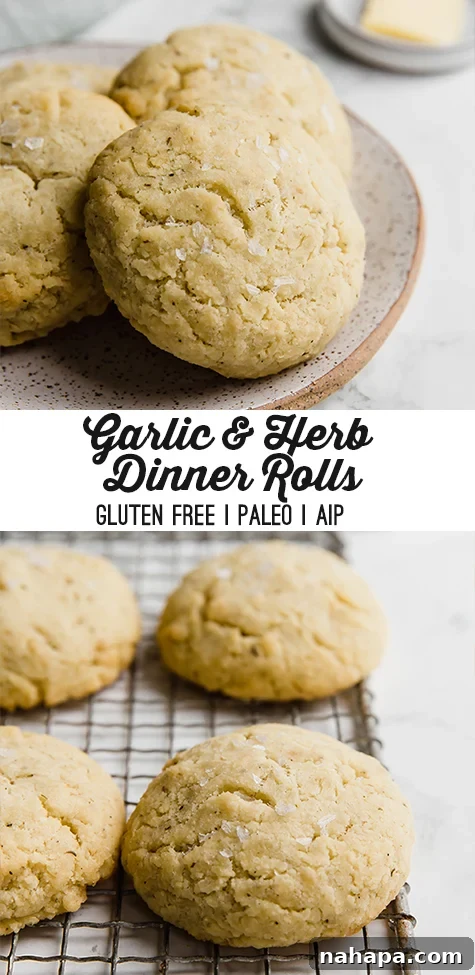
Discover the ultimate comfort food for restrictive diets with these incredible AIP Garlic & Herb Dinner Rolls! Perfectly crafted to be a delightful addition to any meal, especially a cherished Sunday dinner or festive holiday spread, these rolls redefine what’s possible in gluten-free baking. They are not only grain-free and egg-free but also fully compliant with the Autoimmune Protocol (AIP), ensuring everyone can enjoy a warm, savory bread roll without compromise.
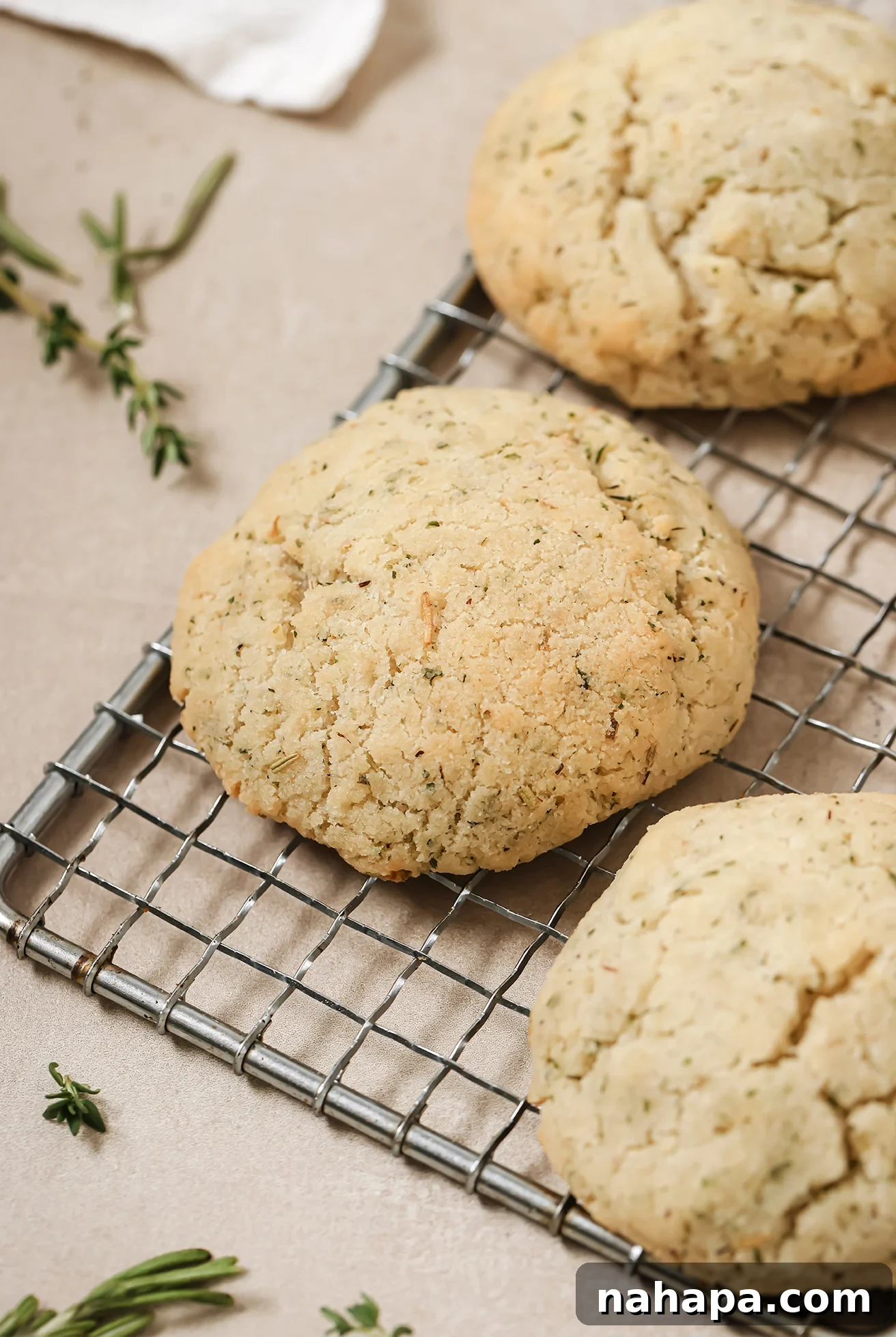
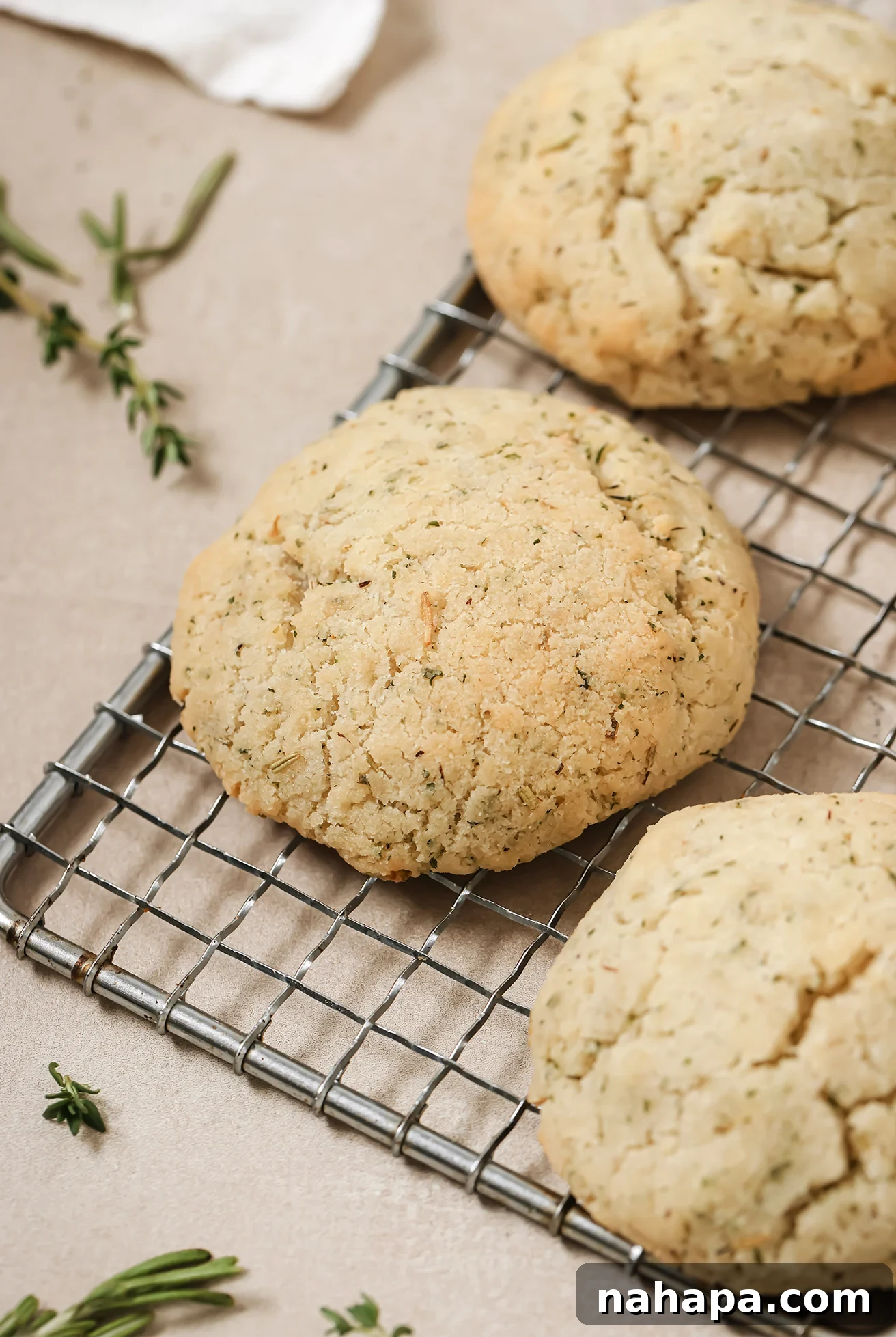
The journey to finding a truly satisfying AIP dinner roll has been a long one, but the wait is finally over! I am absolutely thrilled to share this recipe, which has become a staple in my kitchen and, I hope, will become one in yours too. I vividly remember those early holiday seasons navigating a gluten-free, then grain-free, lifestyle. The absence of a good bread roll at big family dinners felt like a significant void. It just wasn’t the same without that warm, comforting accompaniment to soak up gravies or simply enjoy plain with a pat of butter.
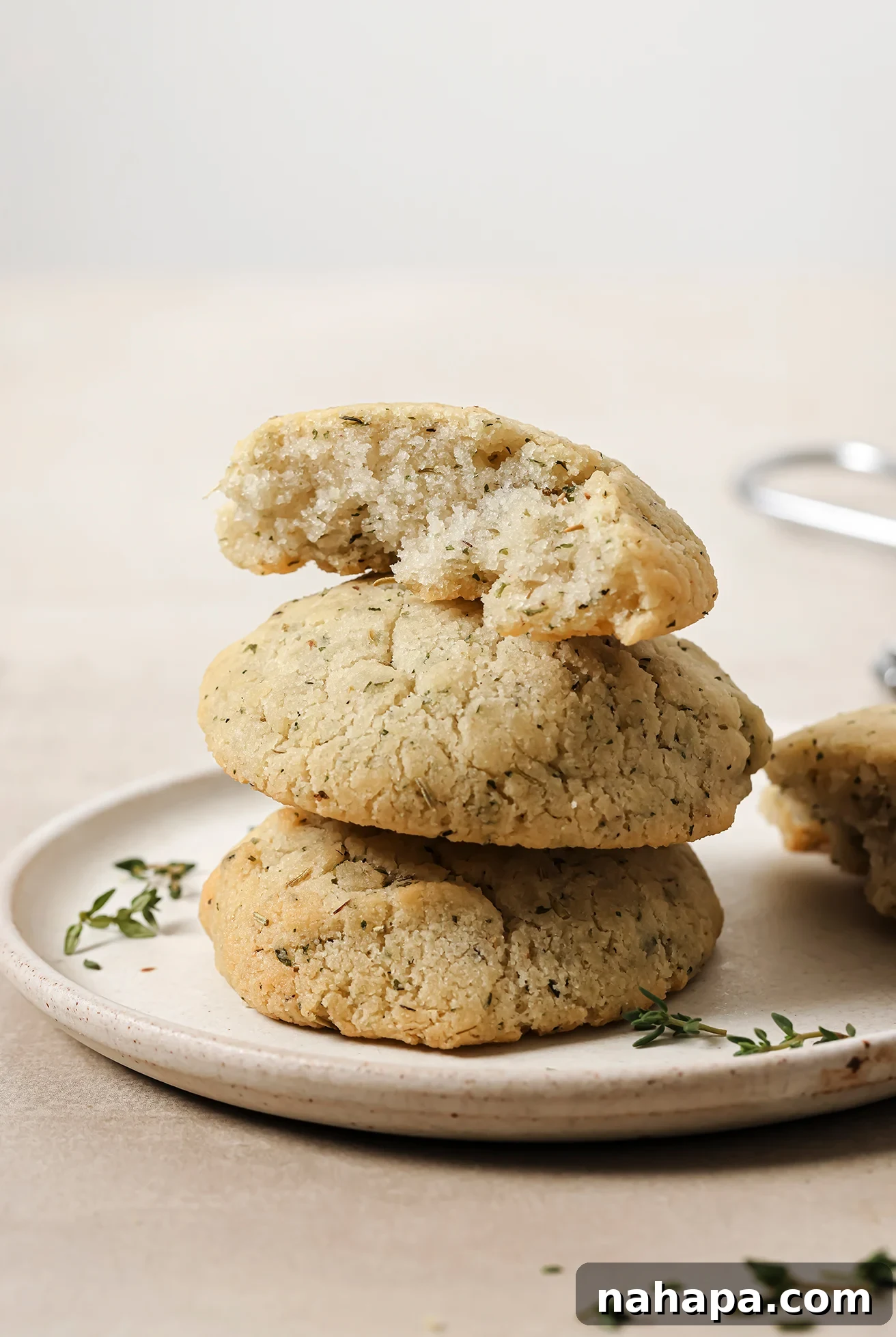
For years, I experimented with various recipes, but none quite captured the essence of what I was looking for. My ideal roll has a distinct, rich flavor profile and a higher fat content, resulting in a superior texture that many grain-free recipes often miss. Determined to create something truly exceptional, I took matters into my own hands. The result? These delectable rolls that are not only paleo, egg-free, and AIP-compliant, but also strike that perfect balance: wonderfully crisp on the outside, incredibly soft and tender on the inside, and bursting with aromatic garlic and herb flavor. They are everything you crave in a dinner roll, without any of the ingredients you need to avoid.
Table of Contents
- Why You’ll Love These AIP Dinner Rolls
- Essential Ingredients for AIP Dinner Rolls
- How to Bake the Perfect AIP Dinner Roll
- Expert Tips & Tricks for AIP Rolls
- AIP Dinner Roll Recipe FAQs
- More Grain-Free AIP Recipes to Explore
- AIP Garlic & Herb Dinner Rolls Recipe Card
Why You’ll Love These AIP Dinner Rolls
- They’re Completely Grain-Free! Finding truly satisfying grain-free bread can be a challenge, especially one that doesn’t compromise on taste or texture. This recipe masterfully overcomes that hurdle, offering a delicious alternative for those avoiding grains due to dietary needs, allergies, or an autoimmune protocol. Enjoy the comfort of bread without the inflammatory effects of grains, making it perfect for your wellness journey.
- They’re Also Egg-Free. For individuals with egg sensitivities or allergies, finding a reliable bread recipe is often difficult. These rolls are specifically designed to be entirely egg-free, utilizing a clever gelatin “egg” substitute that provides the necessary binding and structure without any adverse reactions. This makes them accessible to a wider range of dietary needs, ensuring that more people can enjoy homemade bread.
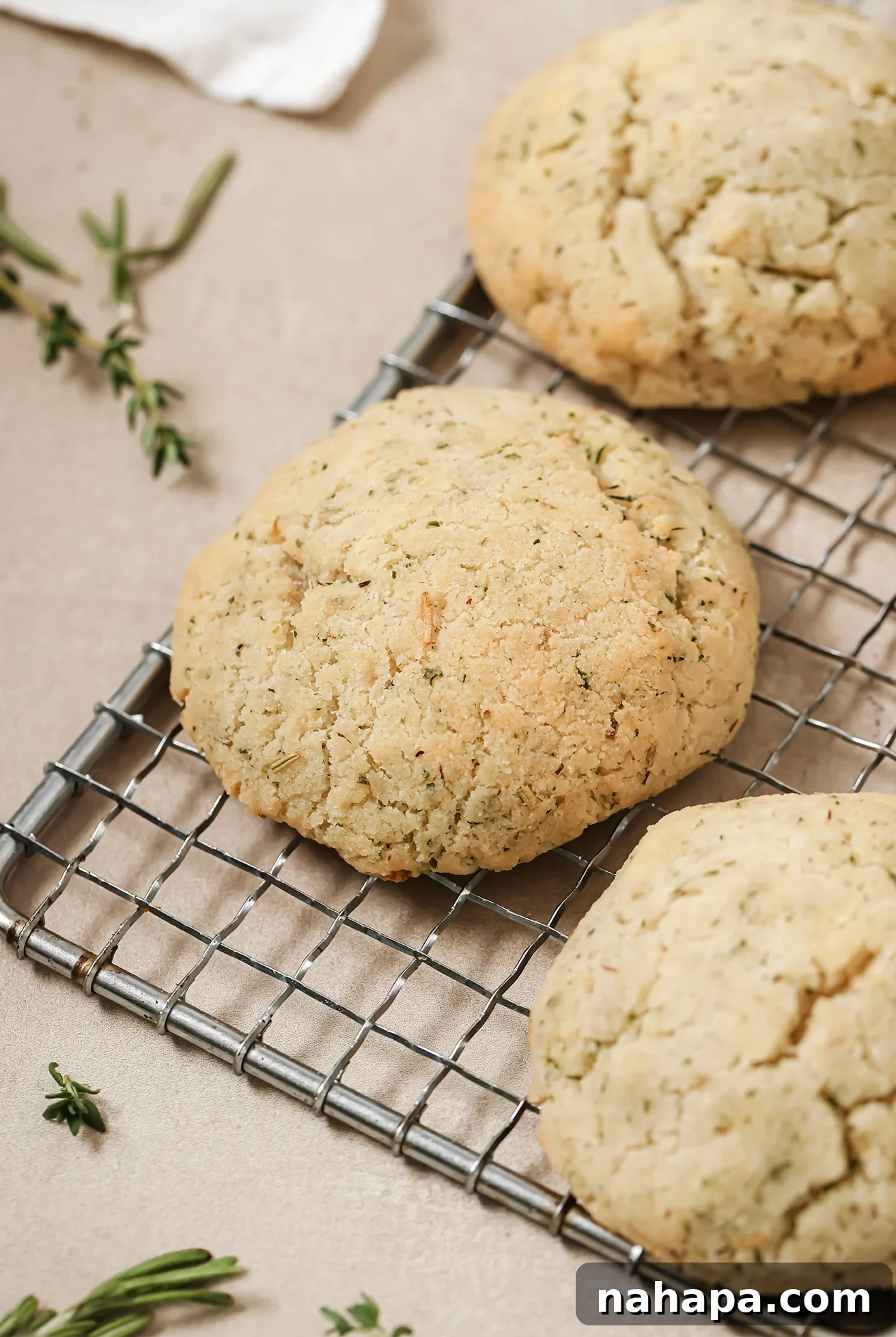
- Unmistakable Bready Goodness. What makes a great dinner roll? That perfect contrast between a slightly crisp, golden-brown crust and a soft, yielding interior. These AIP rolls deliver exactly that. They have a delightful chewiness reminiscent of traditional bread, offering a satisfying mouthfeel that’s often lacking in gluten-free or alternative flour baked goods. You won’t believe they’re AIP!
- Perfectly Seasoned, Never Bland. Forget bland, uninspired gluten-free bread. The generous inclusion of garlic and aromatic herbs like thyme and rosemary infuses these rolls with an incredible depth of flavor. Each bite is a savory explosion that elevates any meal, providing a vibrant taste experience that is both comforting and exciting.
- Versatile for Any Occasion. While perfect for holiday feasts and Sunday suppers, these rolls are versatile enough for everyday enjoyment. Serve them alongside a hearty stew, use them to sop up delicious sauces, or simply enjoy them on their own with a smear of your favorite AIP-compliant spread. Their robust flavor makes them a welcome addition to any plate, any day of the week.
- Surprisingly Easy to Make. Despite their impressive taste and texture, these AIP dinner rolls are remarkably straightforward to prepare. With clear, step-by-step instructions and readily available ingredients, even novice bakers can achieve excellent results. You’ll be amazed at how quickly you can whip up a batch of warm, homemade rolls.
Essential Ingredients for AIP Dinner Rolls
Crafting AIP-compliant baked goods requires a thoughtful selection of ingredients. Each component in this recipe plays a crucial role in achieving the desired flavor and texture. Let’s delve into the star ingredients that make these rolls so special:
- Tapioca Starch: This is a cornerstone ingredient for creating the “bready” texture we’re after. Tapioca starch provides elasticity and a slightly chewy quality that allows the rolls to “pull and stretch” much like traditional bread. It’s essential for the soft, pliable interior. While arrowroot starch is sometimes a substitute, I haven’t tested it in this particular recipe for the main flour component, and cassava flour would be far too dense, yielding a completely different, much heavier result. Sticking with tapioca starch is key for the intended outcome.
- Coconut Flour: Coconut flour is a highly absorbent flour that helps to regulate moisture levels in the dough, preventing it from becoming too sticky or wet. It also contributes structure to the rolls, ensuring they hold their shape. Its unique properties mean it cannot be easily swapped out. I have not tried this recipe without coconut flour and cannot recommend a substitute that would yield comparable results.
- Gelatin and Water (The “Egg” Substitute): This dynamic duo forms our ingenious egg replacement. When bloomed and whisked, gelatin creates a binding agent that mimics the function of eggs, holding the dough together and contributing to its internal structure. This is a critical component for ensuring the rolls are entirely egg-free while maintaining a good texture.
- Olive Oil and Palm Shortening: These fats are crucial for both flavor and texture. Olive oil adds a lovely richness and helps keep the rolls moist. Palm shortening, while optional (you can double the olive oil if preferred), is highly recommended for achieving a lighter, fluffier texture. It works by creating pockets of fat within the dough, which leads to a more tender crumb. Using both fats provides the best of both worlds: robust flavor and superior lightness.
- Baking Soda and Apple Cider Vinegar: These work together as a leavening agent. The acidic apple cider vinegar reacts with the baking soda to produce carbon dioxide gas, which helps the rolls to rise slightly and achieve a tender, airy crumb, even without yeast or gluten.
- Garlic Powder, Dried Thyme, Dried Rosemary, and Salt: These are the flavor powerhouses! Garlic powder provides that irresistible savory base, while thyme and rosemary infuse the rolls with classic aromatic herb notes. A pinch of salt enhances all the flavors and balances the sweetness of the coconut flour.
How to Bake the Perfect AIP Dinner Roll
Follow these detailed steps to create your own batch of delicious AIP Garlic & Herb Dinner Rolls. Precision and attention to detail will ensure the best possible results.
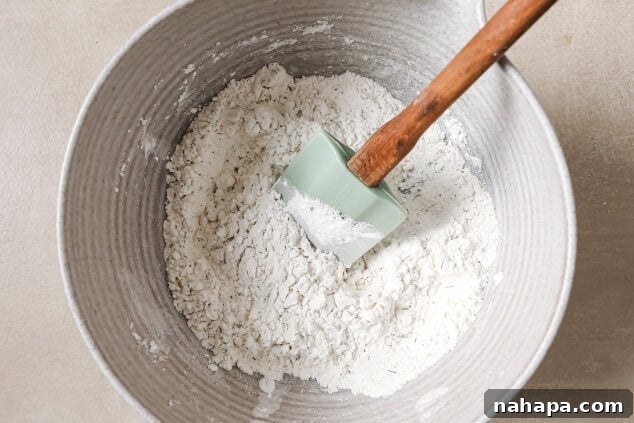
Step One: Prepare Dry Ingredients. Begin by preheating your oven to 350°F (175°C). Line a small baking sheet with parchment paper and lightly grease it to prevent sticking. In a large mixing bowl, meticulously sift together the coconut flour, tapioca starch, and baking soda. Sifting is crucial here to ensure there are no lumps and that the ingredients are evenly distributed, which contributes to a consistent texture in your final rolls. Once sifted, stir in your garlic powder, dried thyme, and dried rosemary, along with a pinch of salt, mixing thoroughly to infuse the dry blend with these wonderful flavors.
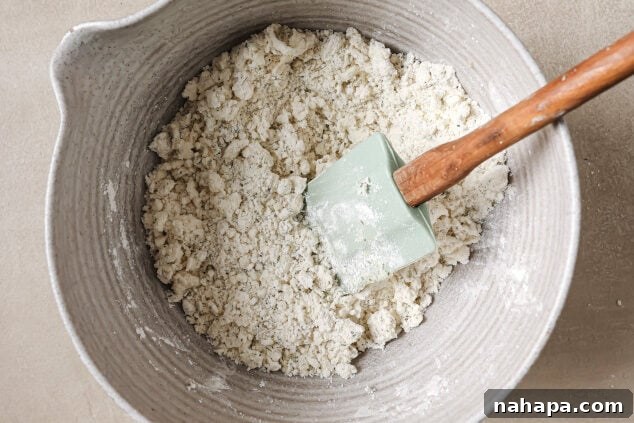
Step Two: Incorporate Fats and Acid. To the dry ingredient mixture, add the olive oil, palm shortening, and apple cider vinegar. Using a silicone spatula or a pastry blender, gently “cut in” the palm shortening. This means breaking it into small, pea-sized pieces and mixing it into the flour mixture until it’s well distributed. Continue mixing until the dry ingredients are lightly coated with the fats and vinegar. The mixture should still appear crumbly and dry but have a slightly cohesive feel when pressed. This step is vital for creating a tender texture and preventing the rolls from becoming dense.
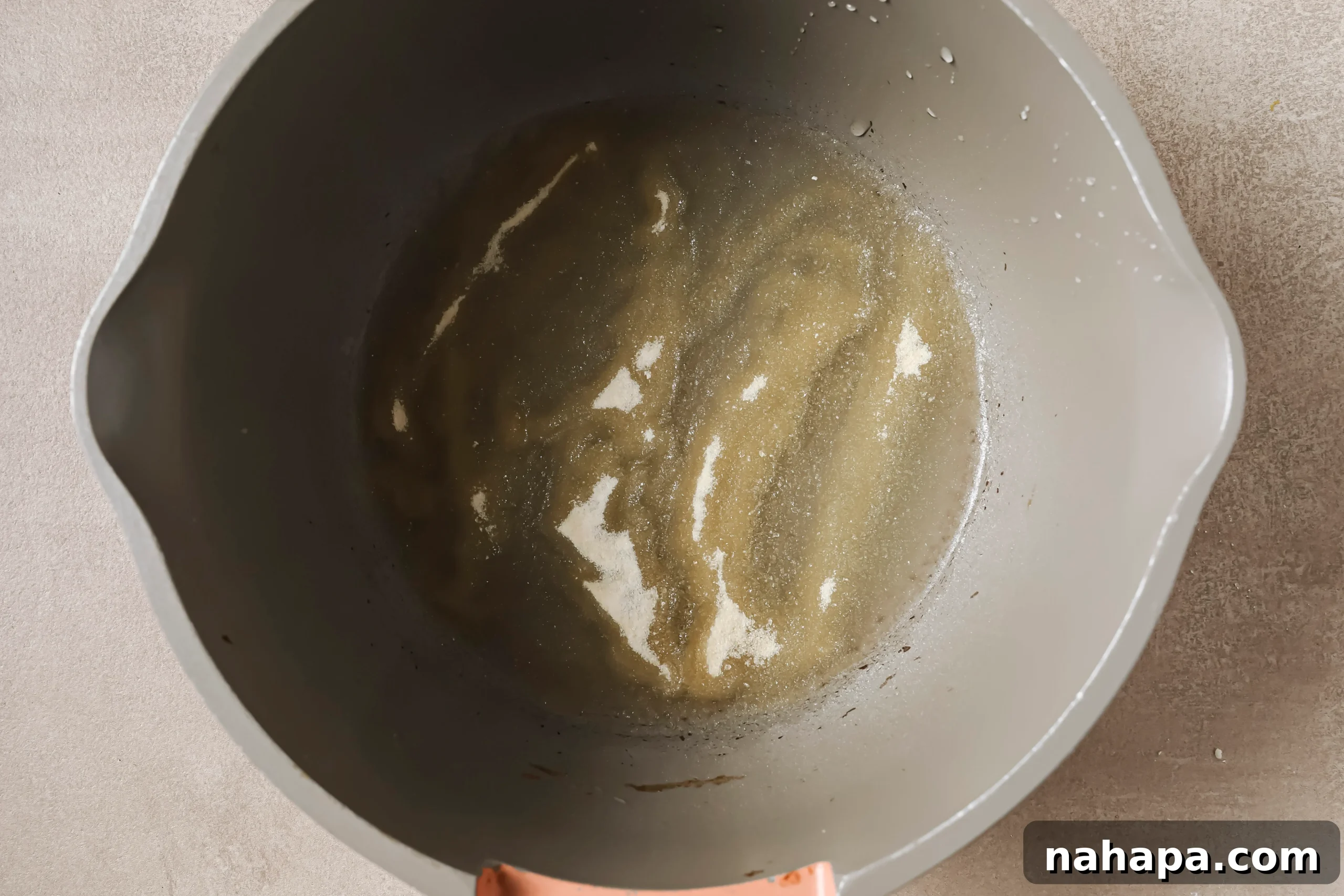
Step Three: Bloom the Gelatin. To prepare your gelatin “egg,” pour the specified amount of cold water into a small pot. Evenly sprinkle the gelatin powder over the surface of the water. This process, known as blooming, allows the gelatin granules to absorb water and soften. Let the mixture sit undisturbed for several minutes until it hardens and forms a gel-like consistency. Do not stir it during this phase, as even distribution is important for proper blooming.
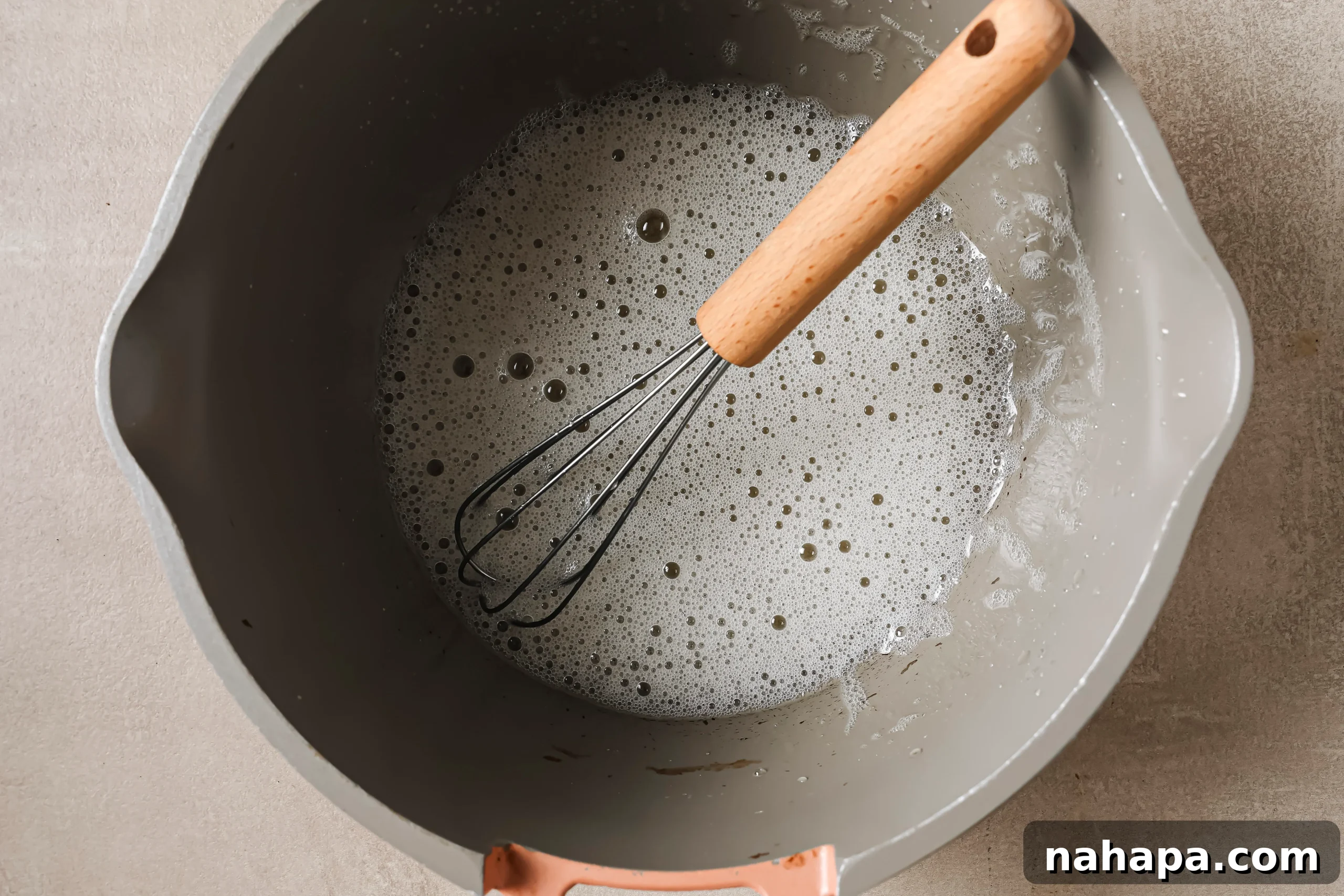
Step Four: Activate the Gelatin “Egg.” Once the gelatin has bloomed, transfer the pot to the stove and set the heat to medium-low. Gently heat the mixture, stirring occasionally, until it completely liquefies. Be vigilant and careful not to let the mixture boil or burn, as this can affect the gelatin’s setting properties. Once liquid, vigorously whisk the mixture for about 30-60 seconds until it becomes light and frothy. The frothiness indicates that air has been incorporated, which will contribute to the lightness of the rolls. Immediately, while still warm and frothy, add this gelatin egg mixture to your dough and stir thoroughly until everything is fully combined and a cohesive dough forms. The warmth of the gelatin helps activate the baking soda and integrate it seamlessly into the dough.
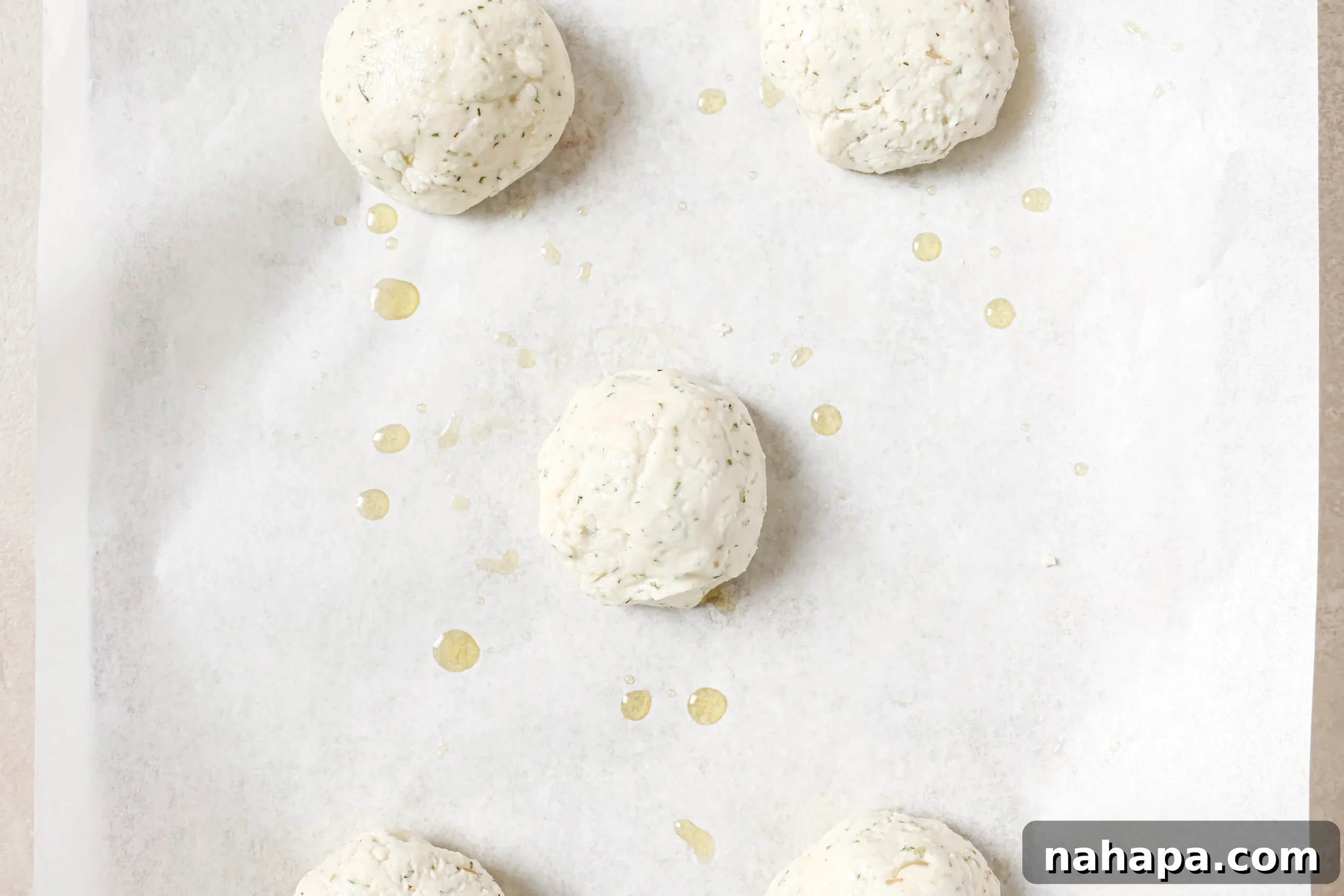
Step Five: Form the Rolls. Lightly coat your hands with a little extra olive oil to prevent sticking. Divide the dough into 4-5 equal portions. Using your oiled hands, gently form each portion into a small, round dinner roll shape. Aim for a relatively consistent size to ensure even baking. Carefully place the formed rolls onto the prepared baking sheet, leaving a little space between each one to allow for air circulation.
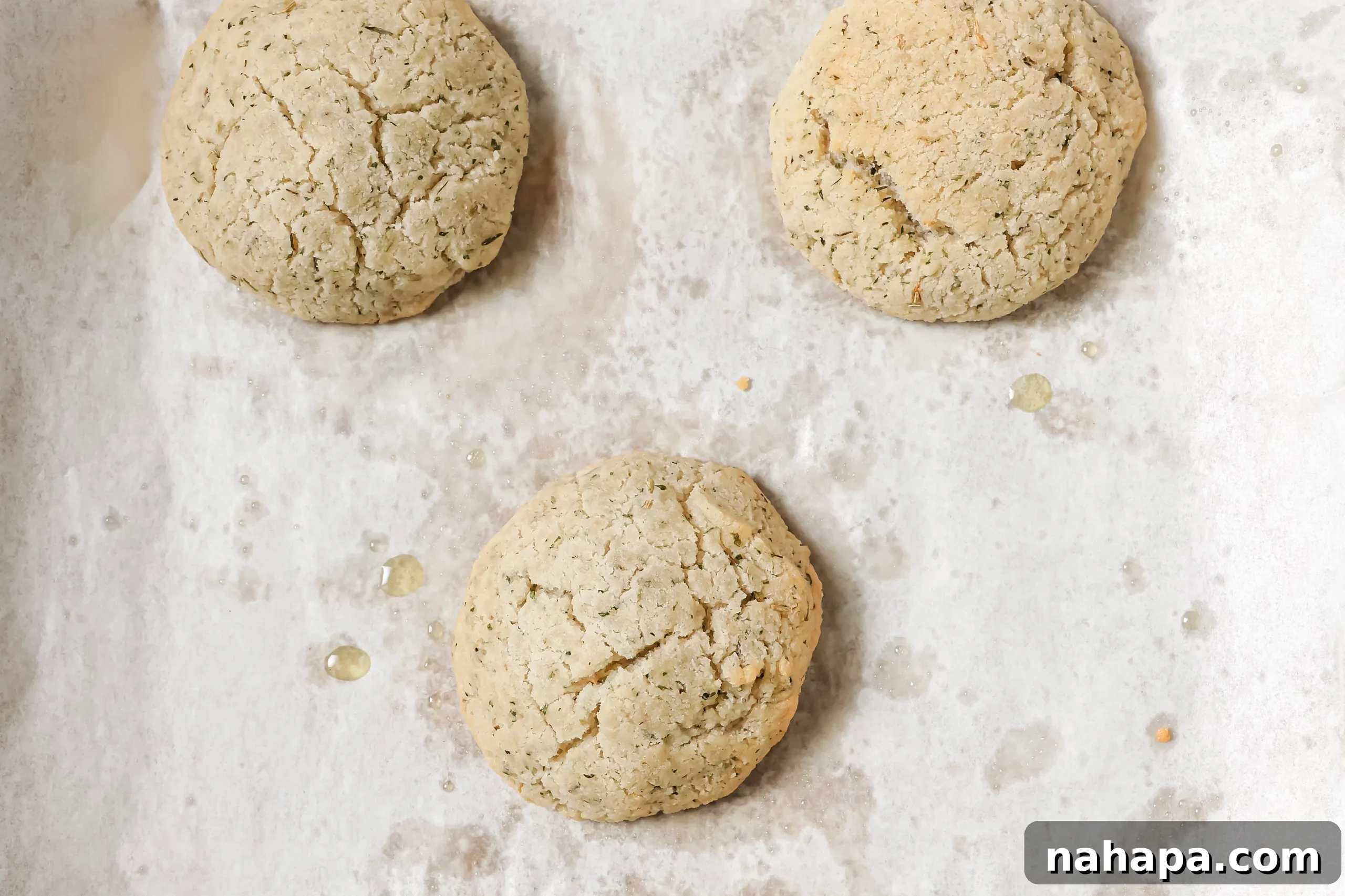
Step Six: Bake and Serve. Transfer the baking sheet with the formed rolls into your preheated oven. Bake for approximately 18-20 minutes, or until the rolls are beautifully golden brown on the outside and cooked through. To check for doneness, the bottom of the rolls should be crisp, and a toothpick inserted into the center should come out clean. Once baked, remove the rolls from the oven and let them cool on the baking sheet for at least 20 minutes. This cooling period is crucial for the internal structure to set. Just before serving, sprinkle with flaky sea salt to taste for an extra burst of flavor and a delightful textural contrast. Serve them warm and fresh for the best experience!
Expert Tips & Tricks for AIP Rolls
Achieving perfect AIP dinner rolls is easy with a few insider tips:
- Don’t Skip the Flaky Salt! Seriously, this is a game-changer! Finishing these rolls with a sprinkle of flaky sea salt (like Maldon or a similar brand) right after baking elevates their flavor and presentation. The delicate crunch and burst of salinity beautifully complement the savory garlic and herbs. I highly recommend keeping flaky salt on hand for recipes like this; it makes all the difference.
- Consider a High-Quality Spice Blend. While individual herbs work perfectly, using a pre-mixed, AIP-compliant garlic & herb seasoning blend can be a fantastic shortcut, especially during busy times. I personally love the garlic & herb seasoning from Primal Palate. Just be sure to check the ingredients list for any hidden non-AIP items if using a different brand.
- Handle the Dough with Care. Unlike gluten-containing doughs, AIP doughs don’t develop elasticity through kneading. Overworking the dough can make it tough. Mix until just combined and then gently form the rolls with oiled hands.
- Monitor Your Oven. Oven temperatures can vary significantly. Keep an eye on your rolls during the last few minutes of baking. If they’re browning too quickly, you can loosely tent them with foil. The goal is a golden crust and a thoroughly cooked interior.
- Serve Them Warm. While delicious at any temperature, these rolls are truly at their best when served warm, straight from the oven or gently reheated. The warmth enhances their softness and makes the flavors pop.
AIP Dinner Roll Recipe FAQs
These rolls are absolutely best enjoyed fresh, warm from the oven. The texture and flavor are most vibrant right after baking. While you can technically make them a few hours ahead, I highly recommend timing your baking so they are ready just before dinner. If you must prepare them in advance, store them in an airtight container at room temperature for up to 24 hours. Reheat gently in a warm oven (around 250°F or 120°C) for 5-10 minutes to restore some of their freshness.
While I haven’t personally tested this recipe with real eggs, they may work as a substitute for the gelatin egg. However, real eggs tend to have less moisture than the gelatin mixture, so adjustments will likely be necessary. If you opt to use real eggs, you will typically need two large eggs. Pay close attention to the dough consistency: if it appears too wet, add an extra tablespoon of coconut flour at a time until the desired texture is reached. Conversely, if the dough is too dry and crumbly, add a small splash of water (about half a tablespoon) until it comes together. Remember, the goal is a pliable dough that can be easily formed into rolls.
It’s important to manage expectations regarding the rise of these rolls. Because they are meticulously crafted to be gluten-free, grain-free, egg-free, and yeast-free, they will not achieve the dramatic rise or airy height you would typically expect from conventional Parker House rolls or other traditional yeast-leavened breads. Without gluten to provide structure and yeast to produce significant gas, the rise will be more subtle. However, their delicious flavor, tender crumb, and satisfying texture more than make up for any difference in height! They are designed for delightful taste, not towering stature.
Yes, you can absolutely freeze these rolls! Once completely cooled, place them in an airtight, freezer-safe bag or container. They can be frozen for up to 1-2 months. To reheat, thaw them at room temperature first, then warm them in a preheated oven at 300°F (150°C) for about 10-15 minutes, or until heated through and slightly crisp on the outside. This is a great way to have fresh rolls on hand whenever a craving strikes or you need a quick side dish.
This recipe is wonderfully adaptable to different herb profiles! While garlic, thyme, and rosemary create a classic and robust flavor, feel free to experiment with other AIP-compliant herbs. Dried oregano, marjoram, or even a touch of finely chopped fresh parsley or chives (if tolerated) can add lovely variations. Just ensure any fresh herbs are very finely chopped to integrate well into the dough. A blend of your favorite herbs can make these rolls uniquely yours!
More Grain-Free AIP Recipes to Explore
If you’re loving these AIP Garlic & Herb Dinner Rolls, you’ll be thrilled to discover other fantastic grain-free and AIP-compliant recipes that are perfect for your dietary needs. Expand your culinary repertoire with these delicious options:
- AIP “Corn”bread: A savory, comforting bread that perfectly mimics traditional cornbread, ideal for alongside chili or stews.
- Cranberry Pumpkin Bread: A delightful sweet bread perfect for breakfast, snacks, or dessert, featuring seasonal flavors.
- “Corn”bread Stuffing: An essential holiday side dish, reimagined to be entirely paleo and AIP-friendly, without sacrificing flavor.
If you tried this AIP Garlic & Herb Dinner Rolls Recipe or any other recipe on my blog, please leave a 🌟 star rating and let me know how it went in the 📝 comments below. Your feedback means the world to me! Thanks for visiting!
AIP Garlic & Herb Dinner Rolls Recipe Card
AIP Garlic & Herb Dinner Rolls
4
-5 rolls
10
mins
15
mins
Michelle
Leave a Review
Pin Recipe
Ingredients
-
¾ cup
tapioca starch -
¼ cup
+ 1 tbsp coconut flour -
⅛ tsp
baking soda -
1 tsp
garlic powder -
½ tsp
dried thyme -
½ tsp
dried rosemary -
Pinch
of salt -
2 tbsp
olive oil, plus extra for coating your hands -
1 tsp
apple cider vinegar -
2 tbsp
palm shortening -
½ cup
water -
2 tbsp
gelatin powder - Salt flakes to taste
Instructions
-
Preheat the oven to 350 F and line a small baking sheet with lightly greased parchment paper.
-
Combine the dry tapioca starch, coconut flour, herbs, and baking soda in a bowl and whisk well to combine.
-
Add the olive oil, apple cider vinegar, and palm shortening to the bowl. Using a silicone spatula, cut the palm shortening into the dry ingredients, breaking it into small pieces. Lightly stir to combine. The mixture should still be dry but lightly coated with the cooking fat.
-
To make the gelatin egg, use a small pot and add the water. Evenly sprinkle the gelatin over the water. Allow the mixture to sit until it hardens. Transfer the pot to the stove and set to medium-low heat. Allow the mixture to come to liquid, being careful to not let it burn. Vigorously whisk until the mixture is frothy.
-
Immediately add the gelatin egg to the dough and stir until fully combined.
-
Lightly coat your hands with olive oil. Form the dough into five small, round dinner rolls using your hands and place them on the baking sheet. Bake in the preheated oven for 18-20 minutes, or until crisp on the bottom and baked on the top.
-
Allow to cool for at least 20 minutes. Top with salt flakes to taste and serve fresh!
Notes
Serving:
1
roll
,
Calories:
198
kcal
,
Carbohydrates:
20.6
g
,
Protein:
4
g
,
Fat:
12
g
,
Fiber:
2.6
g
Did you Make this Recipe?
Tag @unboundwellness on Instagram and hashtag #unboundwellness!