
It might not come as a surprise to hear that digestive problems are incredibly common, often serving as the underlying cause for a multitude of health concerns I encounter in my nutritional therapy practice. Issues like persistent fatigue, autoimmune conditions, debilitating migraines, nutrient deficiencies, and even the complex challenges of leaky gut can frequently be traced back to suboptimal digestion. Unfortunately, in our modern society, digestive discomfort has become so prevalent that it’s almost normalized. We’re constantly bombarded with advertisements for antacids and anti-bloating medications, leading many to believe that experiencing an upset stomach after meals is simply a normal part of life. While digestive issues are indeed common, it’s crucial to understand that they are not normal. Beyond the immediate discomfort of symptoms like bloating, gas, irregular hunger cues, and constipation, these problems can pave the way for more serious health complications over time. Society often offers quick pharmaceutical fixes for digestive woes, but rarely provides comprehensive, holistic strategies for natural management. This is precisely why I’m excited to share my detailed guide on Effective Strategies to Naturally Enhance Your Digestion!
Having dedicated a significant part of my career to the autoimmune and gut healing space, even authoring a 30-Day Gut Healing Guide e-book, the topic of digestion holds a deeply personal significance for me. For years, I struggled with digestive problems that plagued me from my earliest memories, though I was reluctant to admit it. I experienced unexplained food aversions, erratic hunger patterns, and a persistent, unidentifiable nausea. This went on for years until it eventually spiraled into full-blown autoimmunity and leaky gut. Despite trying numerous approaches, nothing truly improved until I specifically addressed and prioritized my digestive health!
Why Your Digestion Is The Cornerstone of Overall Health
In the expansive world of holistic health, an immense amount of emphasis is often placed solely on diet. We tend to view food as the primary healing agent, and if one diet isn’t yielding results, the immediate inclination is to simply switch to another. However, there’s a fundamental truth that many overlook: diet, in isolation, isn’t everything.
As eloquently put by Gray Grahm, the visionary founder of the Nutritional Therapy Association, “We are what we digest.” This profound statement highlights a critical distinction. You could be meticulously consuming the most nutrient-dense diet imaginable – brimming with healthy fats, high-quality proteins, and an abundance of fresh vegetables – but if your body isn’t effectively digesting these foods, you’re not actually receiving their intended benefits. I’ve encountered numerous clients who come to me, genuinely perplexed, because they eat what appears to be a perfectly healthy diet, yet continue to feel unwell. It’s often only after we systematically work on improving their digestive function that many of their seemingly unrelated health issues begin to subside and eventually disappear.
Simply by the natural order of bodily processes, food and diet, while vital, are secondary in importance to digestion. Our digestive system is not merely a processing plant; it’s a foundational pillar of our health. When we commit to understanding and enhancing its function naturally, we unlock the potential for truly drastic and transformative improvements in our overall well-being. It’s about optimizing the engine that extracts life from our food, ensuring every nourishing bite contributes to vibrant health.
8 Essential Ways To Improve Your Digestion Naturally

1. Deepen Your Understanding of Digestive Physiology and Symptom Indicators
Empowering yourself with knowledge is always the first, crucial step toward truly grasping what might be amiss with your health. For years, I remained in the dark about my own digestive struggles, and consequently, my woes persisted. It wasn’t until I became a Nutritional Therapy Practitioner (NTP) that I truly began to comprehend the intricate workings of the digestive system and what optimal function felt like. How could I possibly fix something I didn’t understand?
Understanding the basics doesn’t have to be overwhelming or overly complex. A great starting point for demystifying how digestion works can be found in accessible resources such as this article. It’s essential to realize, as mentioned before, that while poor digestion is common, it is far from normal. Learning to recognize the various symptoms of impaired digestion can provide invaluable clues, guiding you towards understanding the root cause of your discomfort.
It’s important to stress that symptoms are often multi-faceted and can point to a range of underlying issues. Therefore, self-diagnosis based solely on symptoms is not advisable. Always consult with a healthcare professional for a proper diagnosis and treatment plan. However, being aware of what certain symptoms *might* suggest can be incredibly helpful in directing your conversations with your doctor and guiding preliminary lifestyle adjustments. Let’s explore some common symptoms and their potential digestive implications:
Possible signs of poor fat digestion:
- Nausea, especially after consuming fatty meals. This could indicate a struggle in breaking down dietary fats.
- Pain localized between the right shoulder blade, which can sometimes be a referred pain from the gallbladder, a key organ in fat digestion.
- Greasy, foul-smelling stools that float, suggesting that fats are not being properly absorbed and are instead being excreted.
Possible signs of poor protein digestion:
- Unexplained mineral deficiencies, as proper protein digestion is crucial for the absorption of many essential minerals.
- Suboptimal nail health, such as brittle, ridged, or peeling nails, since proteins are the building blocks for healthy nails.
- Feelings of heaviness or fullness long after eating protein-rich meals, indicating that the stomach is struggling to break down proteins effectively.
- Heartburn or reflux, which can paradoxically be a sign of low stomach acid, necessary for protein digestion.
Possible signs of poor carbohydrate digestion:
- Significant bloating and excessive gas, particularly after consuming carbohydrate-rich foods, suggesting fermentation of undigested carbs by gut bacteria.
- Excessive hunger or cravings shortly after eating, as the body might not be efficiently extracting energy from carbohydrates.
- Alternating bowel habits, such as bouts of diarrhea and constipation, which can be linked to imbalanced gut flora fermenting carbohydrates.
Possible signs of low stomach acid (Hypochlorhydria):
- Frequent acid reflux or heartburn, counterintuitively, as insufficient stomach acid can cause the lower esophageal sphincter to relax, allowing acid to escape.
- Not feeling hungry in the morning, which can indicate slow digestive emptying.
- Undigested food particles in stool, a clear sign that food isn’t being broken down adequately in the stomach.
- Bloating and gas, as food ferments in the stomach and upper small intestine due to lack of proper acidification.
- Bad breath, which can sometimes be a result of bacterial overgrowth in the gut due to inadequate stomach acid.
Again, remember that these are potential indicators, not definitive diagnoses. If you are experiencing persistent digestive issues, seeking professional medical advice is paramount. However, being informed about what your symptoms might signify can empower you to ask more targeted questions and participate more actively in your own health journey, pointing you in the most effective direction for improvement.
2. Cultivate a Relaxed and Grateful State While Eating
I must admit, in the past, I was frequently guilty of eating meals while answering emails, catching up on episodes of my favorite shows, or simply grabbing food on the go. While these habits might seem like clever time-saving strategies in our fast-paced world, they are, in reality, incredibly detrimental to your digestive health.
For our bodies to properly digest food, we absolutely need to be in a relaxed, parasympathetic state – often referred to as the “rest and digest” mode. When we are distracted, stressed, or rushed, our sympathetic nervous system (the “fight or flight” response) dominates. In this state, the body diverts resources away from digestion, significantly impairing the efficient production of crucial gastric juices and digestive enzymes. This means your food won’t be broken down effectively, leading to discomfort and reduced nutrient absorption.
Because digestion inherently takes a back seat during periods of stress, consciously taking time to cultivate gratitude for your meal is an incredibly powerful and often overlooked digestive health strategy. Gratitude not only helps to shift your nervous system out of a stressed state and into a more relaxed one, but it also fosters a positive mindset around food, transforming the act of eating into a nourishing ritual rather than just a task. This mental shift directly signals your body that it’s safe to digest.
Here are some highly practical tips for integrating this vital step into your daily routine:
- Eliminate all distractions: This means turning off your phone, TV, computer, and closing your email. Dedicate your full attention to the meal in front of you.
- Avoid eating on the go: Make it a rule to sit down at a table for all your meals. Eating while walking, driving, or standing can put your body in a state of stress.
- Practice deep breathing before meals: Take a few slow, deep breaths, focusing on exhaling fully. This simple exercise can quickly calm your nervous system and prepare your body for digestion.
- Express gratitude: Whether through a silent prayer, a personal blessing, or simply taking a moment to appreciate the food and sustenance you’re about to receive, expressing thanks can profoundly shift your internal state.
- Engage your senses: Notice the colors, aromas, textures, and tastes of your food. This mindful approach enhances enjoyment and aids digestion.
- Create a pleasant eating environment: Even small touches, like using a nice plate, setting the table, or playing soft music, can contribute to a more relaxed atmosphere.
By consciously creating a calm and appreciative environment for your meals, you’re not just enhancing your dining experience; you’re actively signaling your body to optimize its digestive processes, leading to better nutrient absorption and reduced post-meal discomfort.
3. Prioritize Thorough Chewing: Aim for 30-40 Chews Per Bite
I know, the idea of chewing each mouthful 30 to 40 times might sound utterly extreme, even a little insane. However, this seemingly tedious practice is incredibly effective and absolutely essential for optimal digestion. Think about it: your stomach lacks teeth, and there’s a profound reason why nature equipped us with them! Our stomach acid and digestive enzymes, powerful as they are, can only do so much to break down food particles. A significant portion of the initial breakdown process must occur in your mouth through mastication.
Chewing is the very first step in both mechanical and chemical digestion. Mechanical digestion involves physically breaking down large food particles into smaller, more manageable pieces. The more thoroughly you chew, the less work your stomach has to do. Chemical digestion begins in the mouth too, with the release of salivary amylase, an enzyme that starts breaking down carbohydrates. If food is swallowed in large chunks, these enzymes can’t adequately mix with the food, and the stomach is forced to work harder, often inefficiently, leading to issues like bloating, gas, and indigestion.
Beyond breaking down food, proper chewing signals the rest of your digestive system to prepare for the incoming meal. It triggers the production of stomach acid, pancreatic enzymes, and bile, ensuring that your digestive machinery is primed and ready. Furthermore, chewing thoroughly allows you to truly taste and savor your food, enhancing enjoyment and promoting satiety. When you eat too quickly, your brain doesn’t have enough time to register that you’re full, often leading to overeating.
When I first learned this crucial tip during my NTP studies, I literally began counting my bites. I quickly realized I was often stopping at 5-10 chews or even less! It was a conscious effort to work my way up to comfortably chewing each bite around 30 times. It was challenging initially, requiring patience and mindfulness, but the difference it made in my digestion and overall comfort was truly profound. My bloating decreased, and I felt more satisfied after meals.
Practical tips for mastering the art of chewing:
- Set down your fork between bites: This simple action forces you to slow down and prevents you from mindlessly shoveling in the next mouthful.
- Focus on texture: Before swallowing, try to achieve a smooth, almost liquid-like consistency with your food in your mouth.
- Taste your food: Pay attention to the flavors and nuances. When you’re truly present with your food, chewing more comes naturally.
- Be patient with yourself: It’s a habit that takes time to build. Start by aiming for 15-20 chews, then gradually increase to 30-40.
By diligently chewing your food, you’re not just being mindful; you’re actively supporting your entire digestive process from the very first bite, making nutrient absorption more efficient and reducing digestive distress.
4. Maintain Consistent Hydration, But Strategically Avoid Excessive Liquids During Meals
One of the most persistent and misleading pieces of advice propagated by diet culture is the notion of chugging copious amounts of water right before a meal to feel full and, ostensibly, eat less. If you could see me now, you’d witness a significant eye-roll. While consistent water consumption is undeniably paramount for overall health and plays a vital role in numerous bodily functions, including digestion, the timing and quantity of that intake around meals are crucial. Consuming large volumes of water, or even sugary sodas, immediately before or during a meal can actually hinder your digestion.
Here’s why: our stomach relies on a specific concentration of hydrochloric acid (HCl) and digestive enzymes to efficiently break down food, particularly proteins. When you consume large quantities of liquid with your meal, especially cold beverages, you effectively dilute these essential gastric juices. This dilution diminishes their potency and slows down the digestive process, making it harder for your stomach to properly break down food. The result can be indigestion, bloating, and inefficient nutrient absorption.
Hydration is indeed critical for digestive health in other ways. Water helps move food through the digestive tract, keeps stools soft to prevent constipation, and facilitates the absorption of water-soluble nutrients. The key, however, lies in *how* you hydrate relative to your meals.
To optimize your hydration for digestion:
- Drink the majority of your water between meals: Aim to consume most of your daily water intake at least 30 minutes before a meal and ideally 60-90 minutes after. This timing allows your stomach acid to work undisturbed.
- Take small sips with meals: If you feel the need to drink something with your meal, opt for small sips of warm water, broth, or herbal tea. This helps lubricate food without significantly diluting stomach acid.
- Stay consistently hydrated throughout the day: Don’t wait until you’re thirsty to drink. Carry a water bottle and sip on it regularly to maintain optimal hydration levels.
- Avoid cold beverages with meals: Cold drinks can constrict blood vessels and potentially slow down enzyme activity in the digestive tract.
By being mindful of your hydration strategy, particularly around meal times, you can support your body’s natural digestive capabilities, ensuring that your stomach acid and enzymes can work effectively, leading to better digestion and nutrient uptake.
5. Embrace Three Balanced Meals and Minimize Constant Snacking
Here’s another widely circulated diet culture myth that often does more harm than good: the recommendation to eat numerous small meals throughout the day to “keep your metabolism running.” While it sounds plausible, this approach, in reality, rarely allows your digestive system the necessary rest and recovery time. Our bodies require periods of fasting between meals to fully digest, assimilate nutrients, and initiate crucial cleansing processes within the gut.
One of the most important processes that gets disrupted by constant eating is the Migrating Motor Complex (MMC). Think of the MMC as your gut’s internal “housekeeper.” Between meals, when your stomach and small intestine are empty, the MMC kicks into action, sweeping undigested food particles, bacteria, and debris down into the large intestine. This cleansing wave is vital for preventing bacterial overgrowth in the small intestine (SIBO) and maintaining a healthy gut microbiome. When you’re constantly snacking, you repeatedly interrupt the MMC, hindering its ability to perform this essential cleanup operation.
Moreover, frequent eating, particularly of carbohydrate-rich snacks, can lead to elevated and sustained insulin levels. While insulin is necessary for managing blood sugar, consistently high levels can contribute to insulin resistance, interfere with fat burning, and impact overall hormonal balance, leading to energy fluctuations and cravings. Allowing adequate time between meals gives your body a chance to utilize stored energy, stabilize blood sugar, and activate cellular repair processes.
This isn’t to say that snacks are inherently evil or should be completely avoided. If you experience genuine hunger between meals – actual physiological hunger cues like stomach growling or a dip in energy, rather than just boredom or habit – then you absolutely should eat. However, the focus should be on making your main meals substantial and balanced enough to keep you satisfied for several hours. This allows your digestive system to complete its cycle of digestion and rest.
Tips for transitioning to three balanced meals:
- Prioritize nutrient density at main meals: Ensure your breakfast, lunch, and dinner are rich in protein, healthy fats, and fiber-rich vegetables to promote satiety.
- Listen to true hunger cues: Learn to differentiate between genuine hunger and emotional eating, boredom, or thirst.
- Hydrate strategically: Often, what we perceive as hunger is actually thirst. Drink a glass of water first.
- Plan your meals: Knowing what you’ll eat for your main meals helps reduce the temptation to graze.
By giving your body the space and time it needs to fully digest between meals, you support the MMC, optimize nutrient absorption, stabilize blood sugar, and ultimately foster a healthier, more efficient digestive system.
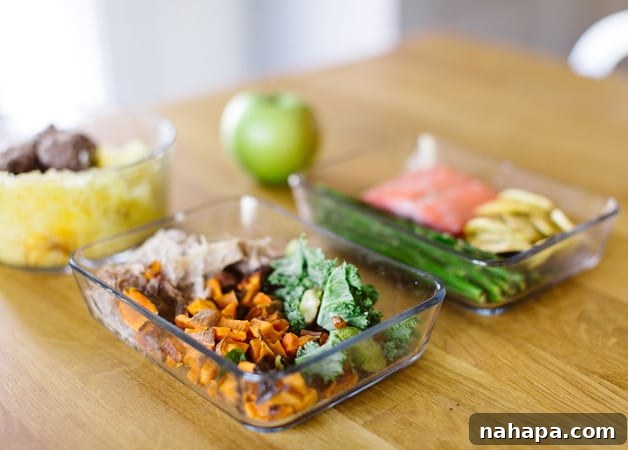
6. Construct Meals with a Balanced Foundation of Healthy Fats, Quality Protein, and Nutrient-Rich Vegetables
For digestion to function optimally, it’s not just about what you eat, but also the synergistic balance of macronutrients within your meals. Many extreme diets mistakenly advocate for cutting out or severely limiting certain macronutrients, or disproportionately highlighting one over the others. However, true digestive harmony stems from a balanced approach, where fiber from vegetables, healthy fats, and properly sourced proteins work together to support the entire digestive process. Each plays a distinct and crucial role:
Vegetable-based Carbohydrates (Complex Carbs & Fiber):
Far from being just energy sources, vegetable-based carbohydrates are powerhouse providers of essential fiber, which is indispensable for digestive health. Fiber, broadly categorized into soluble and insoluble forms, performs critical functions.
Benefits for digestion:
- Provides essential fiber: Insoluble fiber acts as bulk, helping food move through the digestive tract and promoting regular bowel movements, preventing constipation. Soluble fiber dissolves in water to form a gel-like substance, which can soften stool and act as a prebiotic.
- Feeds our beneficial gut bacteria: Many fibers are prebiotics, meaning they are non-digestible components that selectively stimulate the growth and activity of beneficial bacteria in the colon. These bacteria, in turn, produce short-chain fatty acids (SCFAs) like butyrate, which nourish colon cells, support gut barrier integrity, and have systemic anti-inflammatory effects.
- Regulates blood sugar: The fiber in vegetables helps slow down the absorption of sugars into the bloodstream, preventing sharp spikes and crashes in blood glucose.
- Promotes satiety: Fiber-rich foods often provide a sense of fullness, helping to manage appetite and prevent overeating.
Examples:
- Leafy greens (spinach, kale, collard greens, romaine lettuce)
- Cruciferous vegetables (broccoli, cauliflower, Brussels sprouts, cabbage)
- Starchy vegetables (sweet potatoes, butternut squash, pumpkin, carrots)
- Other nutrient-dense options (asparagus, zucchini, bell peppers, onions, garlic)
Properly Sourced Protein:
Protein is much more than just muscle building; it’s fundamental to every cell in your body, and critically, it plays a starring role in digestive processes, particularly stomach acid production.
Benefits for digestion:
- Provides minerals for stomach acid production: Amino acids from protein, along with minerals like zinc, are essential building blocks for hydrochloric acid (HCl) in the stomach. Sufficient HCl is vital for sterilizing food, denaturing proteins for enzymatic breakdown, and signaling the release of pancreatic enzymes and bile.
- Enzyme and hormone synthesis: Digestive enzymes themselves are proteins, and many hormones involved in digestion are peptide-based. Adequate protein intake ensures their proper synthesis.
- Satiety and stable blood sugar: Protein contributes significantly to feelings of fullness and helps stabilize blood sugar levels, reducing cravings and promoting sustained energy.
Examples:
- Grass-fed beef, lamb, or bison (rich in conjugated linoleic acid and omega-3s)
- Pastured chicken or turkey (higher in omega-3s and vitamin D than conventionally raised poultry)
- Wild-caught fatty fish (salmon, sardines, mackerel for omega-3s and lean protein)
- Pastured eggs (a complete protein source with choline and other nutrients)
- Organ meats (liver, heart, kidney – nutrient powerhouses)
Healthy Fats:
Often demonized in past diet trends, healthy fats are now recognized for their indispensable role in digestion, nutrient absorption, and overall health. They are crucial for maintaining the health of your gallbladder and for the absorption of fat-soluble vitamins.
Benefits for digestion:
- Provides building blocks for healthy bile: Dietary fats stimulate the gallbladder to release bile, which emulsifies fats in the small intestine, making them accessible to digestive enzymes (lipases). Healthy fats contribute to the quality of bile produced.
- Keeps our gallbladder working properly: Regular fat intake ensures the gallbladder contracts and releases bile, preventing bile stagnation and potential gallstone formation.
- Aids with the absorption of fat-soluble nutrients: Vitamins A, D, E, and K are fat-soluble and require dietary fat for their proper absorption and utilization in the body.
- Promotes satiety: Fats slow down stomach emptying, contributing to prolonged feelings of fullness and sustained energy.
- Supports cell membrane integrity: Healthy fats are crucial for the integrity of gut lining cells, which is vital for preventing leaky gut.
Examples:
- Coconut oil, coconut milk, shredded coconut (medium-chain triglycerides, or MCTs, which are easily digested)
- Avocado and avocado oil (monounsaturated fats and fiber)
- Fatty fish (salmon, mackerel, sardines for omega-3 fatty acids)
- Olive oil (extra virgin, cold-pressed for monounsaturated fats – best used unheated or at low temperatures)
- Healthy animal fats (tallow, lard from pastured animals – stable for cooking)
- Nuts and seeds (in moderation, if tolerated, after proper preparation like soaking)
By thoughtfully balancing these three macronutrients in your meals, you create a harmonious internal environment that supports efficient digestion, optimal nutrient absorption, and sustained energy, forming a robust foundation for your overall health.
7. Regularly Incorporate Healing Foods and Prioritize Proper Food Preparation for Enhanced Digestion
When the focus shifts to gut healing and optimizing digestion, the method of food preparation becomes as critical as the choice of ingredients themselves. Traditional dietary protocols, such as the GAPS diet, heavily emphasize the importance of how food is prepared, recognizing its profound impact on digestibility. Have you ever heard someone complain that raw nuts or raw carrots give them a stomach ache? This common complaint often stems from the fact that, historically, many of these foods were prepared differently to make them more digestible. While a crisp, raw salad can certainly be a refreshing and nutritious option, a significant portion of our diet should consist of properly cooked and prepared foods to truly aid digestion.
Proper food preparation can break down complex structures, neutralize anti-nutrients (compounds that interfere with nutrient absorption), and make nutrients more bioavailable. It effectively “pre-digests” the food, reducing the workload on your digestive system.
Favor foods that are inherently nourishing to the gut and gentle on the digestive system, such as:
- Slow-cooked proteins: Methods like slow cooking or braising render meats incredibly tender and easy to digest, breaking down tough connective tissues. Examples include chuck roast, lamb shanks, or pot roasts. The collagen released during slow cooking is also highly beneficial for gut lining repair.
- Nourishing stews and soups: These dishes, often cooked for extended periods, allow ingredients to meld and soften. The liquid content further aids digestion. Recipes like a hearty paleo slow cooker beef stew are excellent choices.
- Properly prepared bone broth: A true superfood for the gut, bone broth is rich in collagen, gelatin, amino acids (like glutamine), and minerals. These components are incredibly soothing and healing for the gut lining. Learning how to make perfect gut-healing bone broth is a foundational step.
- Blended vegetable soups: Pureed soups are gentle on the digestive system because the blending process has already done a lot of the mechanical breakdown, making nutrients more accessible. Examples include carrot leek spring soup or nutrient-dense bone broth green smoothies.
- Soaked and sprouted nuts and seeds (if tolerated): For individuals who can tolerate nuts and seeds, proper preparation through soaking and sprouting can significantly reduce anti-nutrients (like phytic acid and enzyme inhibitors), making them easier to digest and improving nutrient absorption.
- Well-cooked vegetables: While some raw vegetables are fine, many people with compromised digestion benefit from cooking vegetables until they are tender. This breaks down tough plant fibers, making them easier for the body to process and absorb nutrients. Steaming, roasting, or sautéing until tender are preferred methods.
- Fermented vegetables: While they are also probiotic-rich (covered in the next point), the fermentation process itself predigests the vegetables, making them easier to digest.
By intentionally choosing and preparing your foods with digestion in mind, you actively support your gut’s ability to process food efficiently, absorb nutrients effectively, and ultimately promote an environment conducive to healing and robust health.

8. Cultivate a Thriving Gut Microbiome with Probiotic-Rich Foods
Long before the advent of refrigeration, our ancestors ingeniously utilized probiotic-rich foods as a primary method for food preservation. Indeed, nearly every traditional culture across the globe incorporated some form of fermented food into their daily diet. These time-honored foods come with a remarkable added benefit: they are teeming with beneficial bacteria and yeasts, which actively nourish our gut microbiome and help maintain its delicate balance.
The gut microbiome, an intricate ecosystem of trillions of microorganisms residing in our digestive tract, plays an astonishingly vast and critical role in our health. It influences not only digestion and nutrient absorption but also our immune system, mood, cognitive function (the gut-brain axis), and even the synthesis of certain vitamins. An imbalanced gut microbiome, a condition known as dysbiosis, can lead to a wide array of digestive issues, including persistent bloating, excessive gas, malabsorption of nutrients, irregular bowel movements, and can even contribute to more systemic health problems.
While individuals with severe microbial imbalances, such as Small Intestinal Bacterial Overgrowth (SIBO), candida overgrowths, or other specific conditions, may require more targeted and often professionally guided support for their microbiome, generally speaking (and with those exceptions noted), almost everyone can benefit from regularly incorporating probiotic-rich foods into their diet. These foods introduce a diverse array of beneficial microbes that help crowd out pathogenic bacteria, strengthen the gut barrier, and support overall gut health.
Examples of excellent probiotic-rich foods:
- Sauerkraut: Fermented cabbage, rich in lactic acid bacteria. Look for unpasteurized varieties in the refrigerated section.
- Kimchi: A spicy Korean fermented cabbage dish, offering a diverse range of beneficial bacteria.
- Kombucha: A fermented tea beverage, containing various strains of bacteria and yeasts. Choose low-sugar varieties.
- Kefir: A fermented milk drink, richer in probiotics than yogurt, containing a wider range of bacterial strains and yeasts. Dairy-free versions (coconut, water kefir) are also available.
- Yogurt: Opt for plain, unsweetened varieties with live and active cultures. Homemade yogurt or high-quality store-bought brands (like CoYo, a dairy-free coconut yogurt) are preferable.
- Miso: A fermented soybean paste, often used in Japanese cuisine, provides beneficial bacteria and enzymes.
- Tempeh: Another fermented soybean product, a great source of protein and probiotics.
Beyond introducing probiotics, remember that consuming prebiotic foods (fibers that feed your beneficial bacteria) is equally important. Integrating a variety of fiber-rich fruits, vegetables, and whole grains into your diet will help sustain the healthy bacteria you’re cultivating. By consciously nurturing your gut microbiome with these delicious and potent fermented foods, you take a powerful step towards robust digestive function and overall vitality.
Bonus Tip: Thoughtful Supplementation When Necessary
Many individuals shy away from the concept of supplementation, believing it to be an “unnatural” approach. However, in reality, most of us could benefit from some targeted support at various points in our health journey. It’s important to view supplements not as a permanent crutch, but often as a temporary bridge to help the body rebalance and regain optimal function. In my practice, many clients I recommend supplements to only take them for a short period, allowing their body to stabilize, after which they can gradually cycle off. There is absolutely no shame in utilizing supplements, and it’s certainly not a life sentence.
Supplements can provide concentrated support for specific digestive functions that might be temporarily lagging. Here are a few examples of supplements I frequently recommend, always with the caveat of professional guidance:
- Betaine HCl with Pepsin: This supplement is often recommended to support and enhance stomach acid production. Low stomach acid (hypochlorhydria) is a surprisingly common issue that can mimic acid reflux symptoms and severely impair digestion. Betaine HCl with pepsin is particularly helpful in improving protein digestion, as stomach acid is crucial for denaturing proteins and activating pepsin, the enzyme responsible for breaking them down. Furthermore, adequate stomach acid is a necessary precursor for activating other digestive enzymes and ensuring proper mineral absorption.
- Digestive Enzymes: A broad-spectrum digestive enzyme supplement can be incredibly beneficial for overall digestive support. These enzymes assist your body in breaking down macronutrients (proteins, carbohydrates, and fats) into smaller, absorbable units. While particularly helpful for those struggling with carbohydrate consumption (e.g., lactose intolerance or difficulty breaking down complex carbs), a good digestive enzyme can provide relief from general indigestion, bloating, and gas after meals, regardless of the specific food type.
- Bile Support (e.g., Ox Bile or Cholagogues): For individuals who struggle specifically with fat digestion, or especially for those who have had their gallbladder removed, bile support can yield remarkable results. Bile is crucial for emulsifying fats in the small intestine, making them accessible to lipase enzymes. Without sufficient or properly functioning bile, fat malabsorption can lead to symptoms like greasy stools, nausea after fatty meals, and deficiencies in fat-soluble vitamins (A, D, E, K). I have personally experienced amazing improvements from incorporating bile support when needed.
- Probiotics: While we covered probiotic-rich foods, a high-quality probiotic supplement can offer a more concentrated and diverse dose of beneficial bacteria, especially useful during or after antibiotic use, or for individuals addressing specific gut imbalances.
Regarding specific brands, I often recommend Biotics Research products to my clients due to their quality and efficacy. However, it is absolutely paramount to stress that you should always work in conjunction with your own doctor, a registered dietitian, or a qualified nutritional therapist to determine the best supplementation strategy for you. There are numerous individual factors – such as medical history, current medications, specific symptoms, and underlying conditions – that cannot be adequately considered or addressed through generalized advice over the internet to a wide audience. Professional guidance ensures safety, efficacy, and a truly personalized approach.
I sincerely hope that these detailed tips prove to be a helpful and empowering guide on your journey toward improved digestive health. Remember, while these general strategies offer a robust foundation, customization is always key in any health endeavor. By thoughtfully implementing these practices, you can truly support your digestion for the long haul, paving the way for enhanced vitality and overall well-being.