
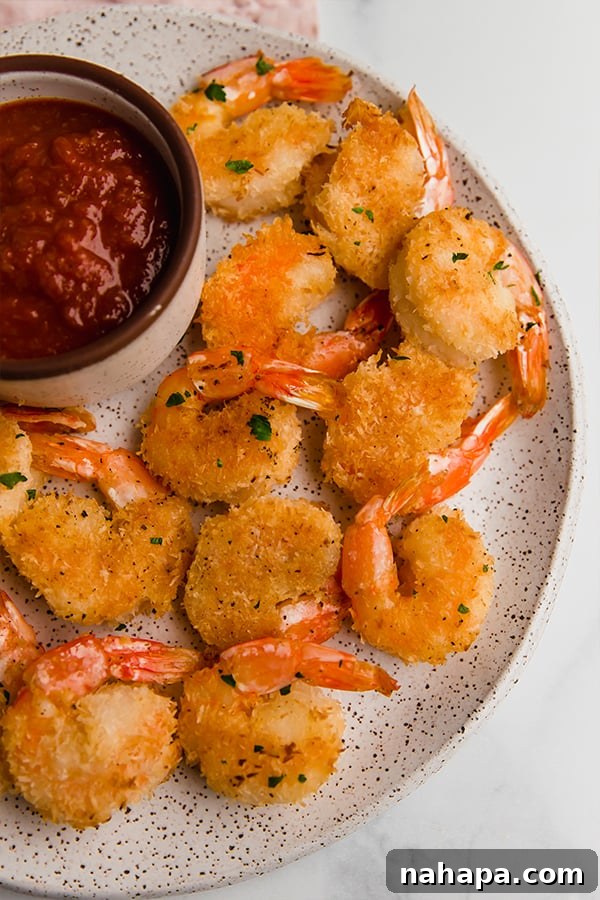
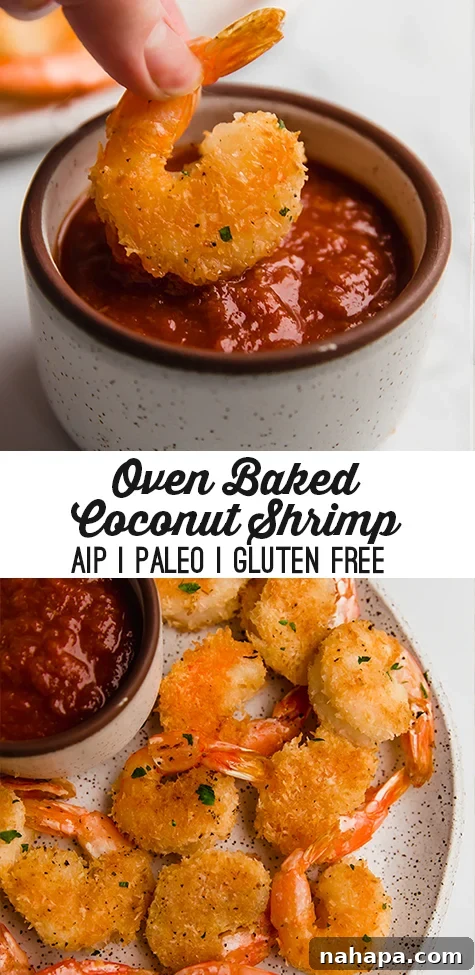
Welcome to a culinary journey where flavor meets health! This recipe for Oven-Baked Coconut Shrimp redefines a classic favorite, transforming it into a delicious, guilt-free indulgence that caters to various dietary needs. If you’re a shrimp lover seeking a meal that’s both exquisite and wholesome, look no further. This recipe delivers perfectly crispy, golden-brown shrimp with a delightful coconut crust, making it an ideal choice for a sophisticated appetizer or a satisfying main course.
What makes this particular coconut shrimp recipe stand out? It’s thoughtfully crafted to be paleo, gluten-free, and AIP-friendly, ensuring that more people can enjoy this delectable dish without compromising their dietary principles. Unlike traditional versions that often rely on deep-frying and common allergens like wheat flour and breadcrumbs, our oven-baked method utilizes simple, natural ingredients to achieve an irresistible texture and taste. Get ready to impress your taste buds and your guests with this easy-to-make, incredibly flavorful, and health-conscious coconut shrimp.
Understanding Coconut Shrimp: A Beloved Delicacy
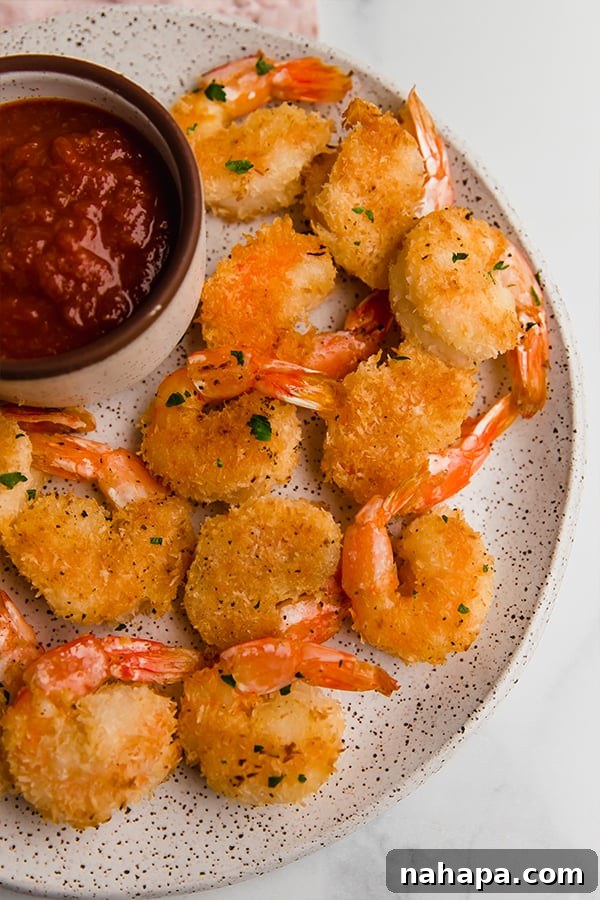
Coconut shrimp is a widely adored dish known for its unique blend of sweet and savory flavors, coupled with a wonderfully crispy exterior. Traditionally, this culinary delight features shrimp coated in a batter typically made from egg, flour, and breadcrumbs, then generously encrusted with shredded coconut. The preparation usually involves deep-frying or pan-frying until the coating turns golden and crunchy, and the shrimp is cooked to perfection. It’s a popular choice for appetizers at restaurants and gatherings, often served with a complementary dipping sauce, such as a tangy cocktail sauce or a creamy citrus-based dip.
While delicious, the conventional deep-fried method can be heavy and may not align with certain dietary preferences. That’s where this revolutionary oven-baked coconut shrimp recipe comes into play. We’ve meticulously adapted the classic to be paleo, AIP (Autoimmune Protocol), and entirely gluten-free. By baking the shrimp instead of frying, we significantly reduce the oil content, making it a much lighter and healthier option without sacrificing any of the characteristic crispiness or flavor. This innovative approach makes it incredibly simple to prepare, perfect for those moments when you want to feel fancy without the fuss, whether it’s for a special party appetizer or an elegant main course.
Why Choose Oven-Baked Coconut Shrimp? The Healthier, Easier Alternative
Opting for oven-baked coconut shrimp over its deep-fried counterpart offers a multitude of benefits, extending beyond just dietary compliance. For starters, baking drastically cuts down on the amount of unhealthy fats often absorbed during deep-frying, resulting in a lighter dish that’s easier on your digestive system and your waistline. This makes it an excellent choice for individuals following paleo, gluten-free, or AIP diets, as well as anyone simply looking to make more health-conscious food choices.
Beyond health, the baking method simplifies the cooking process immensely. No more dealing with splattering oil, constant temperature monitoring of a deep fryer, or the lingering greasy smell in your kitchen. Baking provides a more hands-off approach, allowing you to focus on other aspects of your meal or simply relax while your delicious shrimp cook evenly and beautifully. The oven circulates hot air, creating a uniformly crispy crust that rivals the best-fried versions, all with minimal effort and cleanup. This ease of preparation makes our oven-baked coconut shrimp recipe a weeknight hero or a stress-free option for entertaining, proving that healthy eating can indeed be both convenient and incredibly satisfying.
The Essential Ingredients for Perfect Oven-Baked Coconut Shrimp
Creating truly remarkable Oven-Baked Coconut Shrimp starts with selecting the right ingredients. Each component plays a vital role in achieving that coveted crispy texture and succulent flavor while adhering to paleo, gluten-free, and AIP standards.
- Shrimp: The star of our dish! I highly recommend using large, wild-caught shrimp. Wild-caught shrimp tend to have superior flavor and texture compared to farmed varieties. Opting for shrimp with the tail on not only adds an elegant presentation but also provides a convenient handle for dipping. While you can buy pre-peeled and deveined shrimp, doing it yourself ensures freshness and quality control. Peeling and deveining at home is a simple process that guarantees your shrimp are perfectly clean and ready to absorb all the delicious flavors of the coating.
- Arrowroot Starch: This is our gluten-free secret weapon for achieving a crisp batter. Arrowroot starch (also known as arrowroot powder) is a fantastic paleo-friendly alternative to traditional wheat flour or cornstarch. It creates a light, delicate, and incredibly crispy coating when baked. Its neutral flavor ensures the natural taste of the shrimp and coconut shines through. While I haven’t personally tested other alternatives for this specific recipe, tapioca starch is a common substitute for arrowroot in many gluten-free applications and would likely work well, offering a similar texture.
- Coconut Oil: More than just a fat, coconut oil is crucial for both binding the coating and imparting a subtle, complementary coconut flavor that enhances the overall dish. When melted, it acts as the liquid component of our batter, helping the shredded coconut and seasonings adhere perfectly to the shrimp. Its high smoke point makes it suitable for oven baking at higher temperatures, ensuring an even cook without burning. For best results, use a high-quality, unrefined coconut oil.
- Shredded Coconut: This ingredient is what truly defines coconut shrimp! For this recipe, you’ll need unsweetened shredded coconut. It provides the characteristic texture and flavor without any added sugars that might detract from the savory elements or burn during baking. Unlike traditional recipes that use breadcrumbs for texture, the shredded coconut forms our complete crispy crust, making the dish naturally gluten-free and grain-free.
- Aromatic Seasonings: We use a blend of garlic powder, onion powder, and salt to infuse the shrimp with savory depth. Garlic and onion powders offer a warm, aromatic foundation that perfectly complements the sweetness of the coconut. Salt is essential for enhancing all the flavors. For those not following AIP, a pinch of black pepper adds a subtle kick. Freshly chopped parsley, added at the end, provides a bright, herbaceous finish and a pop of color, making the dish as appealing to the eyes as it is to the palate. This simple yet effective seasoning blend ensures every bite is packed with delicious flavor.
Effortless Preparation: How to Make Oven-Baked Coconut Shrimp
Making these delightful oven-baked coconut shrimp is surprisingly straightforward, involving just a few simple steps. The key to success lies in proper setup and careful coating to ensure every shrimp emerges perfectly crisp and golden.
- Preheat and Prepare Your Baking Sheet: Begin by preheating your oven to 425°F (220°C). This high temperature is crucial for achieving a crispy exterior quickly, ensuring the shrimp cooks through without becoming tough. While the oven heats, line a large baking sheet with parchment paper. Parchment paper prevents sticking and makes for easy cleanup, which is always a bonus!
- Set Up Your Breading Station: A well-organized breading station makes the process smooth and efficient. You’ll need three separate shallow bowls. In the first bowl, place the arrowroot starch. In the second bowl, pour the melted coconut oil. In the third bowl, combine the shredded coconut with the garlic powder, onion powder, and salt. If you’re using black pepper and are not on an AIP diet, add it to this bowl as well. Stir the coconut and seasonings well to ensure they are thoroughly mixed. This systematic approach ensures each shrimp is evenly coated.
- Coat the Shrimp: Now for the fun part! Take each peeled and deveined shrimp, holding it by the tail, and follow these three steps:
- First, dredge the shrimp in the arrowroot starch, shaking off any excess. This initial coating helps create a dry surface for the oil to adhere to.
- Next, dip the starch-coated shrimp into the melted coconut oil, allowing any excess to drip off. The oil acts as the “glue” for the coconut crust.
- Finally, generously coat the shrimp in the seasoned shredded coconut mixture, pressing gently to ensure the coconut adheres completely.
Transfer each coated shrimp to the prepared baking sheet, arranging them in a single layer without overcrowding. Continue this process until all the shrimp are coated. Ensuring they are not touching allows for even baking and maximum crispiness.
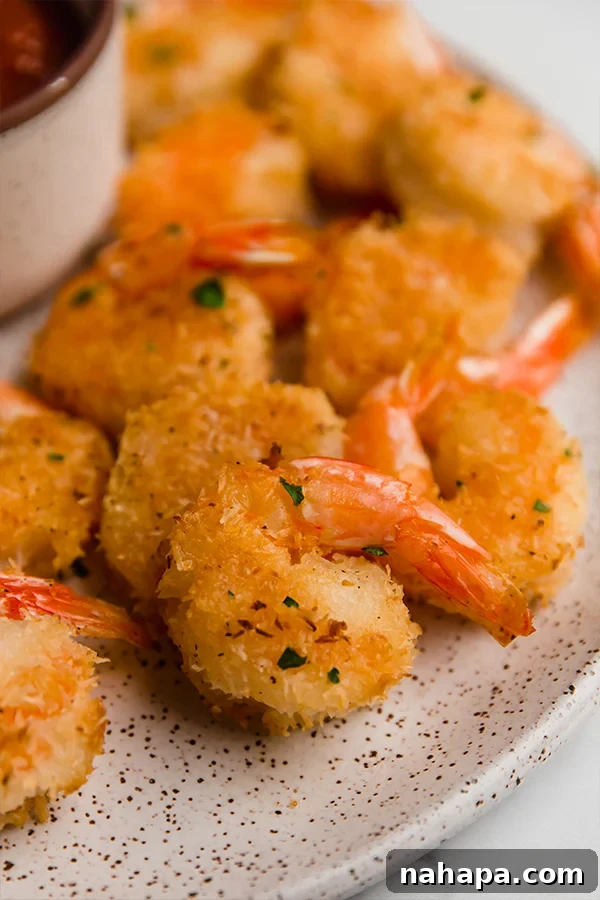
- Bake to Perfection: Place the baking sheet in the preheated oven and bake for 10 minutes. At this point, the coconut coating should start to turn golden. Carefully flip each shrimp over and bake for an additional 4-5 minutes. The shrimp should be cooked through, turning opaque and pink, and the coconut coating should be beautifully crisp and golden brown. Cooking times may vary slightly depending on the size of your shrimp and your oven, so keep an eye on them.
- Serve Immediately: Once baked, remove the shrimp from the oven. For an extra touch of freshness and color, sprinkle with freshly chopped parsley. Serve your crispy oven-baked coconut shrimp hot with your favorite dipping sauce. Enjoy this flavorful dish as a standalone appetizer or pair it with a refreshing side for a complete meal!
Delightful Pairings: What to Serve with Coconut Shrimp
The versatility of oven-baked coconut shrimp means it can be enjoyed in many ways, whether as a vibrant appetizer or a fulfilling main course. The key is finding the perfect accompaniments that complement its unique sweet and savory profile.
Irresistible Dips for Appetizer Perfection
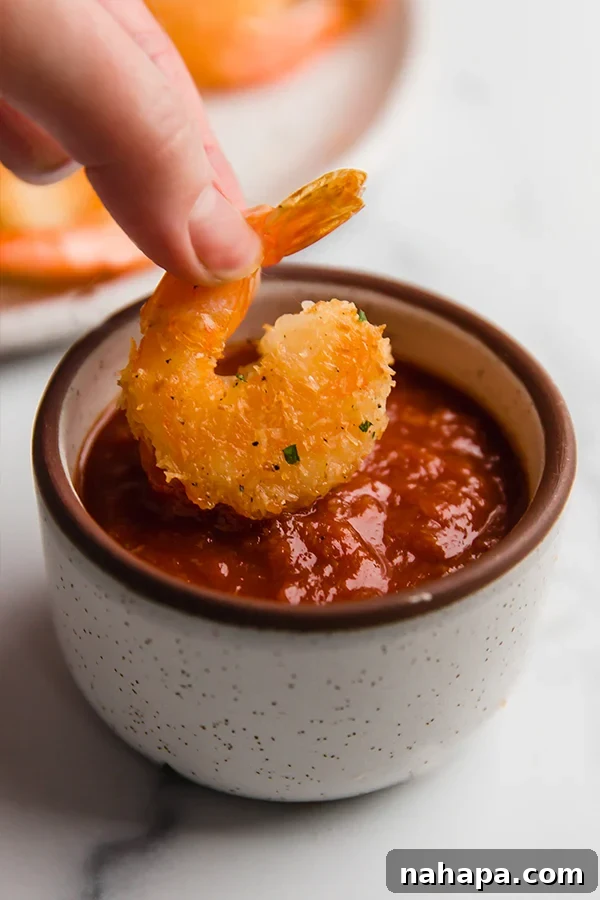
As an appetizer, coconut shrimp shines brightest when paired with a flavorful dipping sauce. Here are some excellent choices:
- Paleo Cocktail Sauce: A tangy and spicy cocktail sauce provides a classic contrast to the sweetness of the coconut. Many brands now offer paleo-friendly versions, or you can easily whip up your own with tomato paste, horseradish, lemon juice, and a touch of maple syrup or honey for sweetness (omit for AIP if necessary).
- Guacamole: For a creamy, rich, and unexpected pairing, a fresh guacamole offers a wonderful counterpoint. The avocado’s healthy fats and bright lime flavor beautifully balance the shrimp and coconut.
- Sweet Chili Mango Sauce: A homemade sweet chili mango sauce is a fantastic option. Blend fresh mango with a hint of lime, ginger, and a touch of red pepper flakes (omit for AIP) for a tropical, vibrant dip.
- Creamy Citrus-Herb Dip: Mix a base of coconut cream or dairy-free yogurt with fresh lemon or lime juice, minced garlic, and finely chopped herbs like cilantro or chives for a refreshing and zesty dip.
Transforming it into a Main Dish
To elevate your oven-baked coconut shrimp to a satisfying main course, consider pairing it with light, refreshing sides that won’t overpower the shrimp’s delicate flavor:
- Cauliflower Rice: A grain-free staple, cauliflower rice is a perfect low-carb accompaniment. You can serve it plain or lightly sautéed with garlic and herbs for added flavor.
- Fresh Slaw: A vibrant coleslaw made with shredded cabbage, carrots, and a light vinaigrette dressing (using olive oil, apple cider vinegar, and a touch of honey or maple syrup) offers a refreshing crunch. For an AIP-friendly version, use an olive oil and lemon dressing.
- Side Salad with Tropical Fruits: A simple green salad tossed with a light dressing and perhaps some tropical fruits like pineapple or mandarins (if tolerated) can create a delightful meal.
- Roasted Asparagus or Broccoli: Oven-roasted vegetables provide a wholesome and easy side that complements the baked shrimp beautifully.
- Sweet Potato Fries: For a heartier main, homemade sweet potato fries, also baked in the oven, make a fantastic and compliant pairing.
With these pairing suggestions, your oven-baked coconut shrimp can transition seamlessly from an elegant starter to a complete and satisfying meal, suitable for any occasion.
Storage and Reheating Tips for Leftover Coconut Shrimp
While oven-baked coconut shrimp is undoubtedly best enjoyed fresh, hot, and crispy straight from the oven, sometimes you might have leftovers or want to prepare a batch slightly ahead of time. Knowing how to properly store and reheat them can help maintain their deliciousness.
Making Ahead of Time and Storage
If you need to prepare the shrimp slightly ahead of time, I recommend coating them fully as per the instructions and then placing them on a baking sheet lined with parchment paper. Cover the baking sheet loosely with plastic wrap and refrigerate for up to 1-2 hours before baking. This helps to set the coating without it becoming soggy.
For cooked leftovers, allow the shrimp to cool completely before storing. Place them in an airtight container and refrigerate for up to 2-3 days. Freezing cooked coconut shrimp is generally not recommended as the texture of both the shrimp and the coating can suffer significantly upon thawing and reheating, leading to a less desirable result.
The Best Way to Reheat Coconut Shrimp
To bring your leftover coconut shrimp back to its crispy glory, reheating them in the oven is by far the best method. Microwaving is not advised, as it will make the coating soggy and the shrimp rubbery.
Here’s how to reheat them for optimal results:
- Preheat your oven to 350°F (175°C).
- Arrange the leftover shrimp in a single layer on a baking sheet. You can line it with fresh parchment paper if desired.
- Bake for about 5-8 minutes, or until the shrimp are heated through and the coating has re-crisped. Keep a close eye on them to prevent overcooking.
This method ensures that the oven-baked coconut shrimp regains most of its original texture and flavor, allowing you to enjoy your delicious leftovers almost as much as the fresh batch.
Recipe: Oven Baked Coconut Shrimp (Gluten-free, Paleo, AIP)
This recipe for oven-baked coconut shrimp is the perfect appetizer or main dish for shrimp lovers! They’re paleo, gluten-free, and AIP-friendly, offering a healthy twist on a classic favorite.
Recipe Details
Yield: 4 servings
Prep Time: 15 mins
Cook Time: 15 mins
Author: Michelle
Ingredients
- 1 lb tail-on shrimp, peeled and deveined
- ⅓ cup arrowroot starch
- ½ cup coconut oil, melted
- ⅔ cup shredded coconut (unsweetened)
- 1 tsp garlic powder
- 1 tsp onion powder
- ¾ tsp salt
- ¼ tsp black pepper (omit for AIP)
- 2 tsp parsley, chopped (for garnish)
Instructions
- Preheat the oven to 425°F (220°C) and line a baking sheet with parchment paper.
- Set up a breading station with three shallow bowls: one with arrowroot starch, one with melted coconut oil, and another with the shredded coconut, garlic powder, onion powder, and salt mixed together. If using, add black pepper to the coconut mixture.
- Prepare the shrimp by first coating each in the arrowroot starch (shaking off excess), then dipping it into the coconut oil (allowing excess to drip off), and finally coating it thoroughly in the seasoned shredded coconut mixture, pressing gently to adhere.
- Transfer the coated shrimp to the prepared baking sheet, arranging them in a single layer without overcrowding.
- Bake in the preheated oven for 10 minutes. Flip each shrimp and bake for another 4-5 minutes, or until the shrimp are cooked through (opaque) and the coating is crisp and golden.
- Serve immediately, topped with fresh chopped parsley and with your choice of dip.
Notes
All nutritional information provided is an estimation and will vary based on specific ingredients and preparation. Estimations do not include optional ingredients or dipping sauces.
Nutrition Information (Estimated Per Serving)
Serving: 1 serving
Calories: 455 kcal
Carbohydrates: 16.8 g
Protein: 23.3 g
Fat: 33.1 g
Fiber: 1.1 g
All nutrition facts are estimated and will vary.
Did you make this recipe? Share your creations! Tag @unboundwellness on Instagram and use the hashtag #unboundwellness to show us your delicious oven-baked coconut shrimp!
Beyond Coconut Shrimp: Other Seafood Delights You’ll Adore
If you’ve fallen in love with the ease and flavor of this oven-baked coconut shrimp recipe, you’re in for a treat! The world of healthy, compliant seafood dishes is vast and exciting. Expanding your culinary repertoire with more shrimp recipes that fit paleo, gluten-free, and AIP guidelines can bring even more variety and deliciousness to your table. Here are a few other fantastic shrimp dishes you might also enjoy:
- Honey Lime Shrimp: A vibrant and zesty dish that combines the sweetness of honey with the tang of lime, perfect for a quick and flavorful meal.
- Healthy Lemon Baked Shrimp: Simple, elegant, and packed with bright lemon flavor, this baked shrimp recipe is another excellent paleo, Whole30, and AIP option that highlights the natural taste of shrimp.
- Bang Bang Shrimp: A homemade, healthier take on the popular restaurant appetizer, this version captures the creamy, spicy, and sweet flavors while remaining compliant with your dietary needs.
Exploring these recipes will not only keep your meals exciting but also reinforce how simple and satisfying healthy eating can be. Each offers a unique flavor profile and can easily become a new family favorite!
We hope you thoroughly enjoy preparing and savoring this incredible Oven-Baked Coconut Shrimp. It’s a testament to how simple ingredients, when prepared with care, can yield extraordinary results that are both good for you and incredibly delicious. Happy cooking!