
This post contains affiliate links.
Homemade Chicken Bouillon Cubes: Elevate Your Cooking with Wholesome, Concentrated Flavor
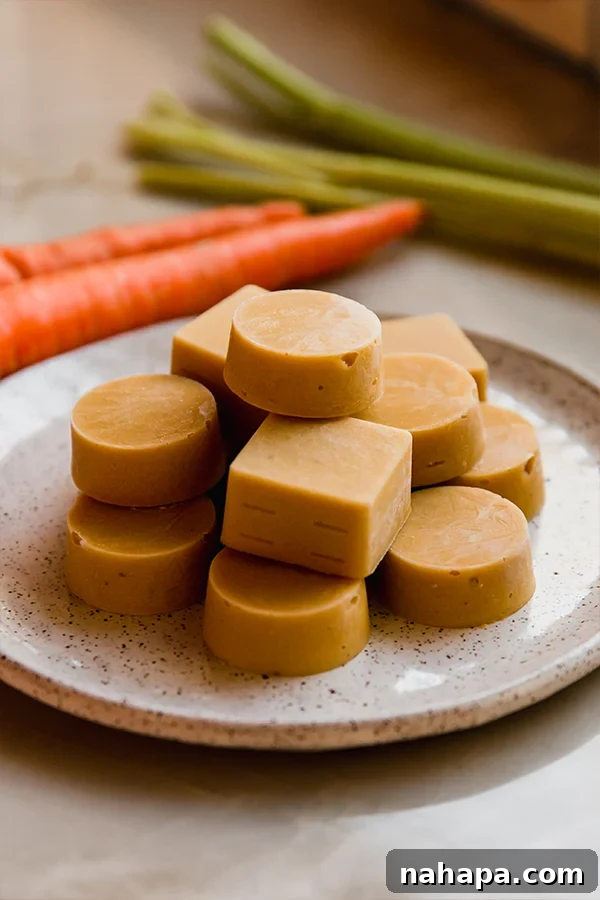
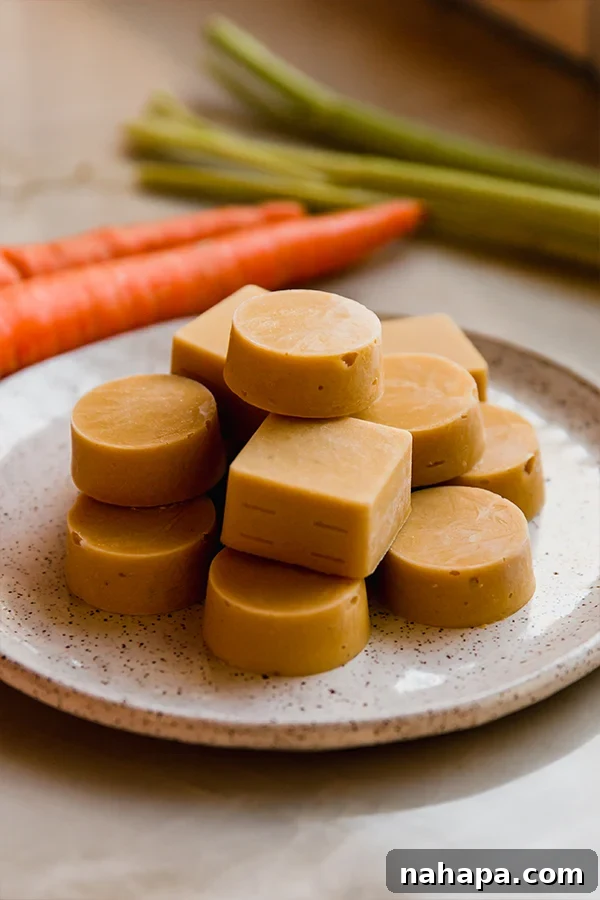
Are you tired of relying on store-bought bouillon cubes filled with questionable ingredients and artificial flavors? Imagine enriching your soups, stews, rice dishes, and sauces with a concentrated burst of homemade goodness that’s both incredibly flavorful and entirely natural. These homemade chicken bouillon cubes are a game-changer in any kitchen, offering a simple, wholesome alternative that will make you wonder why you ever used anything else. Crafted with fresh, real ingredients, they deliver an unparalleled depth of flavor and immense convenience, transforming everyday meals into culinary delights.
Why Choose Homemade Chicken Bouillon Cubes?
Chicken bouillon cubes are a staple in many kitchens, lauded for their ability to add a quick flavor boost to countless dishes. However, a closer look at the labels of many commercially available options often reveals a list of ingredients that might give you pause. From hydrolyzed soy protein to corn syrup solids and an array of “natural flavors” that can mask undisclosed additives, store-bought bouillon can often detract from the natural goodness of your cooking.
The Downsides of Store-Bought Bouillon
- Questionable Ingredients: Many commercial bouillons contain highly processed ingredients like MSG, soy protein, corn syrup, palm oil, and various artificial flavorings and preservatives. These additives can contribute to unwanted sodium intake and may not align with a clean-eating lifestyle.
- Lack of Control: When you buy bouillon, you’re at the mercy of the manufacturer’s recipe. This means you can’t control the salt levels, the quality of the chicken, or the freshness of the vegetables used.
- Subpar Flavor Profile: While convenient, mass-produced bouillon often delivers a generic, one-dimensional flavor that pales in comparison to the rich, nuanced taste of homemade stock or bouillon.
Unmatched Flavor and Convenience
The good news is that there’s a significantly better way to infuse your dishes with authentic chicken flavor – by making your own bouillon cubes from scratch. This method not only bypasses the undesirable additives found in commercial products but also elevates the taste of your food to new heights. The process is surprisingly straightforward, yielding a concentrated flavor enhancer that can be stored in your freezer for months, ready whenever inspiration strikes.
- Bursting with Authentic Flavor: These homemade cubes are packed with the true essence of chicken and fresh vegetables. They don’t just add salt; they contribute a deep, savory, umami richness that enriches everything from a simple pot of rice to a complex stew. You’ll notice an immediate difference in the complexity and authenticity of your dishes.
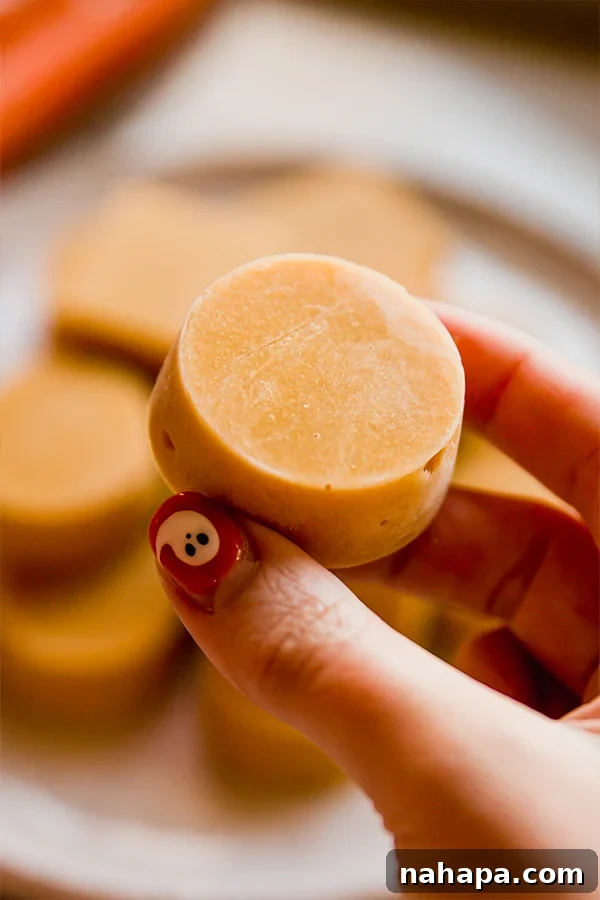
- Ultimate Convenience at Your Fingertips: Imagine having perfectly portioned blocks of intensely flavored chicken base ready to go. No more scrambling for broth, no more dissolving powdery mixes. Just pop a cube into hot water for an instant savory broth, or add it directly to your cooking. These cubes last for months in the freezer, making meal prep a breeze and ensuring you always have a secret weapon for extraordinary flavor.
- Wholesome and Transparent Ingredients: With homemade bouillon, you control every single ingredient. This means no hidden sugars, no mystery flavorings, no excessive sodium. You get pure, unadulterated goodness made from fresh, identifiable components that support a healthy diet.
- Cost-Effective: Making bouillon at home can also be more economical in the long run, especially if you use chicken bones or less expensive cuts. You’re transforming simple ingredients into a high-value product.
Essential Ingredients for Your Bouillon Cubes
Crafting these homemade chicken bouillon cubes requires a careful selection of fresh, high-quality ingredients that work synergistically to build a robust flavor profile. Each component plays a crucial role in creating a concentrated base that will enrich your culinary creations.
Building the Flavor Foundation: Chicken and Seasonings
- Chicken Thighs and Chicken Drumsticks: These cuts are ideal for bouillon due to their rich flavor and the presence of bones and skin (if bone-in) which contribute collagen for a more luxurious texture and deeper taste. Bone-in chicken is highly recommended as the bones add significant depth, but boneless can be used if preferred, though the flavor may be slightly less intense.
- Salt and Black Pepper: Fundamental seasonings that enhance and balance the overall flavor. Salt is key for preservation and bringing out the natural tastes of the chicken and vegetables. Black pepper adds a subtle warmth and aromatic complexity. For those following an AIP (Autoimmune Protocol) diet, black pepper can be omitted without compromising the core flavor.
- Avocado Oil: Used for searing the chicken and sautéing the vegetables, providing a healthy fat base that helps carry and distribute flavors throughout the bouillon. Its high smoke point makes it suitable for initial cooking.
The Aromatic Powerhouse: Vegetables and Herbs
The selection of vegetables is critical for creating a complex and aromatic bouillon. These ingredients sweat out their natural juices, contributing essential moisture and layers of savory and slightly sweet notes.
- Parsnip: Often overlooked, parsnips offer a unique sweetness and earthy flavor that complements chicken beautifully, adding depth and a subtle richness. Peel and chop them to release their full potential.
- Carrots: A classic base for almost any stock, carrots provide natural sweetness and a vibrant earthy undertone. Peel and chop for even cooking and optimal flavor extraction.
- Leek: The white and light green parts of leeks offer a milder, sweeter onion-like flavor compared to regular onions, adding a delicate aromatic quality. Ensure they are thoroughly cleaned to remove any grit.
- Yellow Onion: A foundational aromatic, yellow onion delivers a pungent, savory base that becomes sweet and caramelized when sautéed, forming the backbone of the bouillon’s flavor. Dice it for even cooking.
- Garlic: Minced garlic adds an indispensable pungent and savory note that brightens and deepens the overall flavor profile of the bouillon.
- Fresh Parsley: Incorporating fresh parsley towards the end adds a fresh, herbaceous brightness that lifts the heavy, savory notes and provides a clean finish.
- Lemon Juice: A squeeze of fresh lemon juice is a secret weapon, adding a touch of acidity that brightens all the flavors, making the bouillon taste more vibrant and well-rounded. It cuts through richness and adds a pleasant tang.
Feel free to experiment with other vegetables you have on hand. Bell peppers, celery root, and other fresh herbs like thyme or bay leaves can all make excellent additions, allowing you to customize your bouillon to your liking.
Step-by-Step Guide: Crafting Your Own Chicken Bouillon Cubes
Making homemade chicken bouillon cubes is a rewarding process that transforms simple ingredients into a powerful flavor enhancer. Follow these steps to create your own freezer-friendly concentrated broth base.
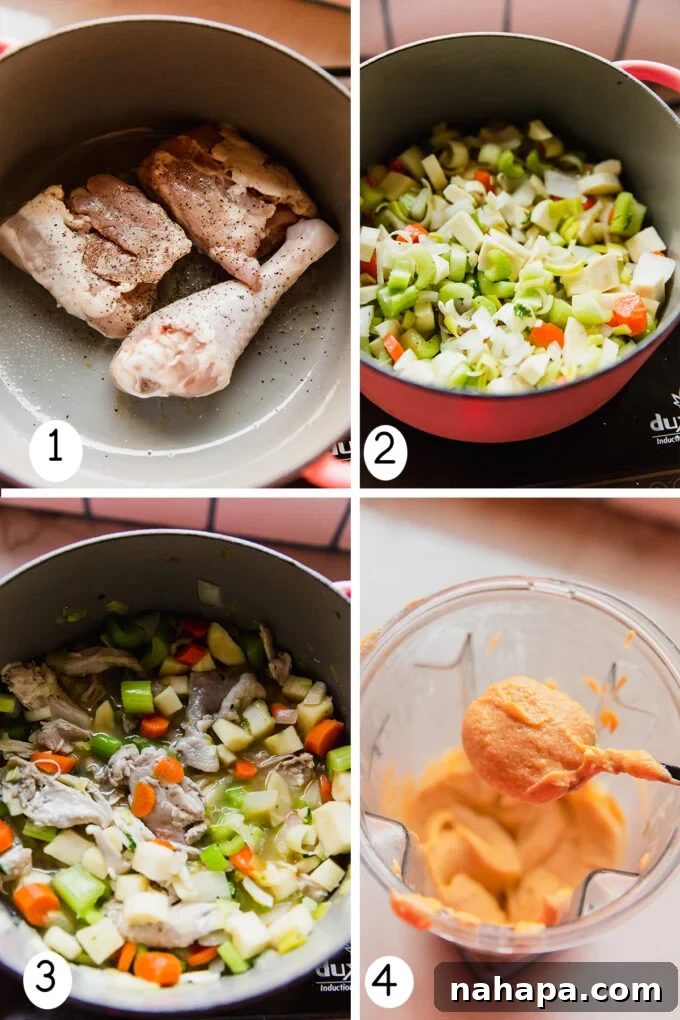
- Step One: Sear the Chicken to Build Flavor. Begin by heating 1 tablespoon of avocado oil in a large pot or Dutch oven over medium heat. Lightly season your chicken thighs and drumstick with a pinch of salt and pepper. Carefully place the chicken into the hot pot and sear for about 3 minutes on each side, or until a light golden-brown crust forms. This searing step is crucial as it develops deep, rich flavors through the Maillard reaction, which will be the foundation of your bouillon. Once seared, reduce the heat to low, add 1 cup of water, cover the pot, and simmer for 10 minutes. This gentle simmer will start to cook the chicken and create a flavorful initial broth.
- Step Two: Separate Chicken and Preserve Liquid. Carefully remove the chicken pieces from the pot. Pour the reserved cooking liquid into a separate bowl and set it aside; this precious liquid is packed with flavor and will be reincorporated later. Once the chicken is cool enough to handle, separate the meat from the bones. The cooked chicken meat will be added back to the bouillon base, while the bones can be discarded (or saved for a traditional bone broth if desired, though not needed for this concentrated bouillon).
- Step Three: Sauté the Aromatic Vegetables. Return the same pot to medium-low heat and add the remaining 1 tablespoon of avocado oil. Add all your chopped vegetables – parsnip, carrots, leek, yellow onion, and minced garlic – to the pot. Season with half a teaspoon of salt. Sauté the vegetables for 8-10 minutes, stirring occasionally. The goal here is to soften them and allow them to release their natural juices, which will contribute significantly to the bouillon’s liquid and flavor intensity. They should become lightly fork-tender and fragrant.
- Step Four: Combine and Simmer for Maximum Extraction. Reduce the heat to low. Add the cooked chicken meat and the reserved cooking liquid back into the pot with the sautéed vegetables. Stir in the remaining salt, pepper, and the fresh lemon juice. Cover the pot and allow everything to simmer together for an additional 20 minutes, stirring occasionally. This simmering period allows all the flavors to meld and deepen, ensuring the vegetables are completely tender and all their essence is extracted into the liquid.
- Step Five: Cool and Blend to a Smooth Concentrate. Once the simmering is complete, remove the pot from the heat and allow the mixture to cool significantly. This cooling step is important for safety and for achieving the best consistency when blending. Once cooled, use an immersion blender directly in the pot, or carefully transfer the mixture to a high-speed blender. Blend until the mixture is completely smooth and no large chunks of chicken or vegetables remain. You’re aiming for a thick, uniform paste-like consistency – this is your concentrated bouillon base.
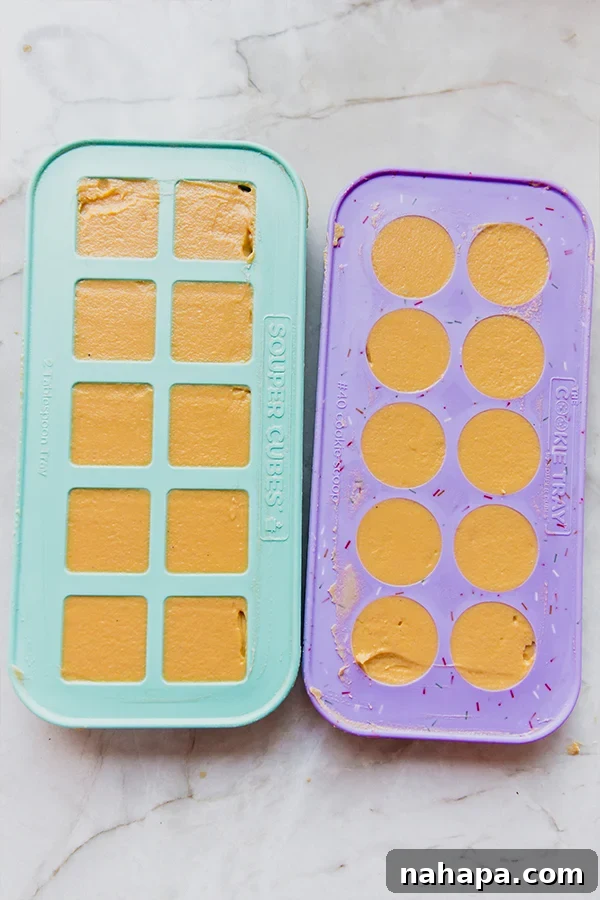
- Step Six: Portion and Freeze for Future Use. Spoon the smooth bouillon mixture into silicone molds. Molds that hold approximately 2 tablespoons per cavity are ideal, such as Souper Cubes, but a regular ice cube tray works perfectly well too. Fill each cavity, ensuring even distribution. Place the filled molds in the freezer and allow them to freeze solid overnight, or for at least 6-8 hours. Once completely frozen, remove the bouillon cubes from the molds and transfer them to an airtight, freezer-safe container or bag. Label with the date. Your homemade chicken bouillon cubes are now ready to be stored in the freezer for up to 3 months or even longer, offering you a convenient, flavorful boost whenever you need it!
Pro Tips for Perfect Homemade Bouillon Cubes
Achieving the perfect batch of homemade chicken bouillon cubes is easy with a few expert tips. These insights will help you maximize flavor, ensure proper consistency, and allow for delightful customization.
- Master the Salt Balance: Salt is crucial for flavor and preservation, but personal preference varies greatly. The recipe provides a good starting point, but always taste and adjust. Remember that bouillon is a concentrate; it’s designed to be saltier than a regular broth because it will be diluted when used in cooking. If you’re cooking for someone who prefers less salt, you can reduce the amount slightly in the initial preparation, then adjust the saltiness when adding the cubes to your final dish. Keep in mind that you can always add more salt later, but you can’t take it away!
- Embrace Vegetable Versatility: The recommended vegetables provide a fantastic flavor base, but don’t limit yourself! This recipe is incredibly forgiving and adaptable. If you have extra vegetables in your fridge that need to be used up, such as bell peppers for a touch of sweetness, celery root for a nutty earthiness, or even mushrooms for an umami kick, feel free to incorporate them. Fresh herbs like thyme, rosemary, or bay leaves would also be wonderful additions to the simmering pot, infusing even more aromatic complexity. Just ensure they are chopped finely enough to blend smoothly.
- Maintain Minimal Water for Maximum Concentration: This is perhaps the most critical tip for achieving a true bouillon concentrate. It might be tempting to add more water during the simmering stages, especially if you’re used to making traditional soup or stock. However, the goal here is *not* a thin broth, but a highly concentrated flavor paste. Using a minimal amount of water and allowing the vegetables to “sweat out” their natural liquids is key. These vegetable juices are far more flavorful than plain water and contribute significantly to the rich, intense taste of your bouillon. Trust the process – a thicker, more potent concentrate means more flavor per cube.
- Proper Blending for Smooth Cubes: For the best consistency, ensure you blend the mixture thoroughly. An immersion blender is convenient for blending directly in the pot, but a high-speed blender will give you an even smoother, more uniform paste. The goal is to eliminate all large chunks of chicken and vegetables, creating a homogenous concentrate that dissolves easily in your cooking.
- Invest in Quality Molds: While standard ice cube trays work, silicone molds like Souper Cubes are excellent for this recipe. They offer larger, more practical portions (often 1-cup or ½-cup sizes which can be equivalent to several traditional bouillon cubes), and their flexible nature makes popping out the frozen cubes incredibly easy.
Storing and Using Your Homemade Bouillon
Once you’ve made your batch of flavorful chicken bouillon cubes, proper storage and creative usage will ensure you get the most out of your efforts.
Freezer Storage for Long-Lasting Flavor
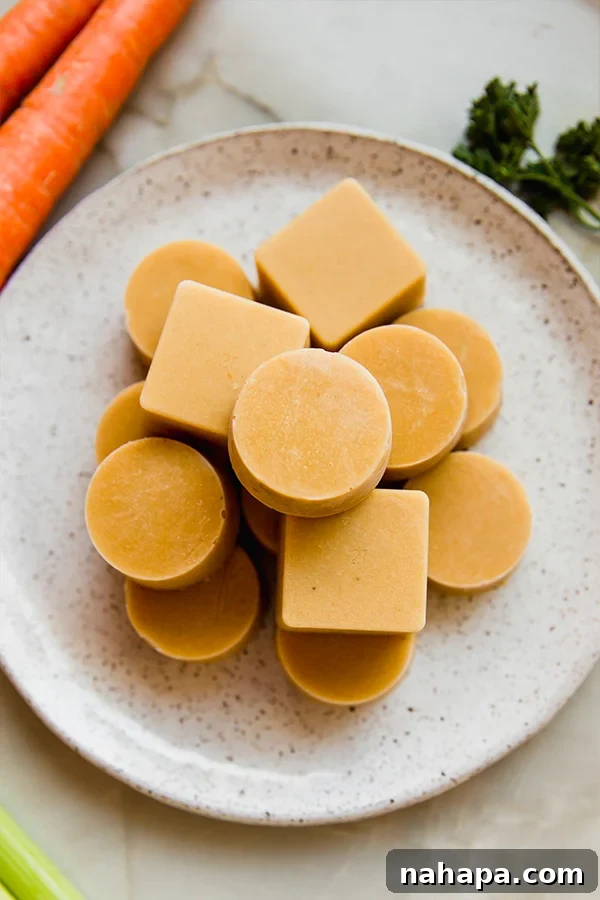
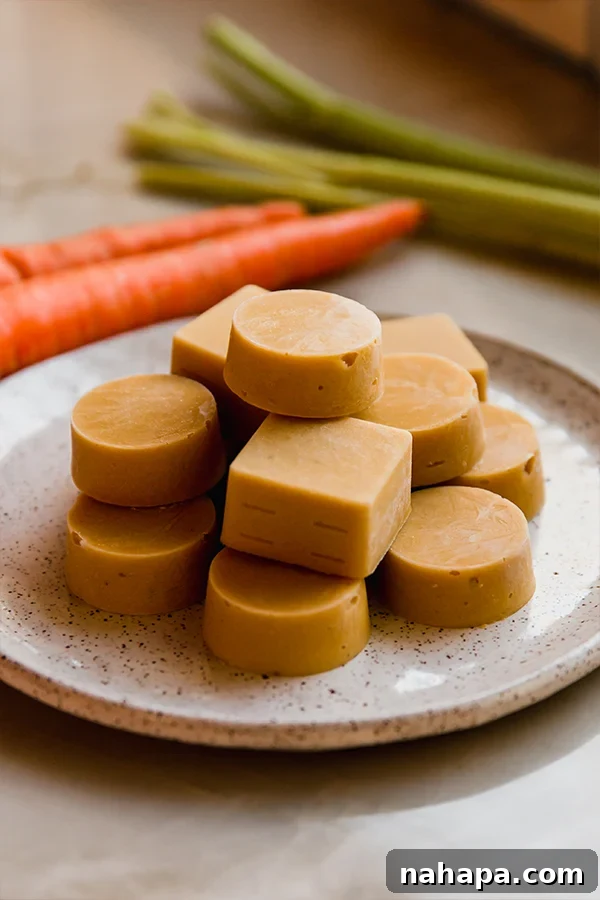
These homemade chicken bouillon cubes are designed for long-term storage, providing you with a convenient flavor booster whenever you need it. After they have completely frozen solid in your molds, transfer them to an airtight, freezer-safe container or heavy-duty freezer bag. Be sure to label the container with the date. Stored correctly, your homemade bouillon cubes will maintain their quality and potent flavor for a minimum of 3 months, and often up to 6 months. This makes them a fantastic make-ahead ingredient for busy weeknights or spontaneous culinary endeavors.
Creative Ways to Use Your Bouillon Cubes
The versatility of these concentrated cubes is truly impressive. They can replace store-bought broth or bouillon in almost any savory recipe, adding a layer of rich, homemade flavor.
- Instant Chicken Stock: For a quick and delicious chicken stock, simply add 1-2 (or more, depending on desired strength) of your homemade bouillon cubes to hot water. Stir until dissolved, and you have a flavorful base for any recipe requiring chicken broth.
- Enhanced Rice and Grains: Elevate plain rice, quinoa, or couscous by adding a cube or two to the cooking water. The grains will absorb the rich chicken flavor, making for a more aromatic and tasty side dish.
- Flavorful Sauces and Gravies: Incorporate 1-2 cubes into your pan sauces, gravies, or reductions. They dissolve easily and provide a concentrated burst of savory chicken essence, enhancing the depth and body of your sauces without extra liquid.
- Soup and Stew Starter: Kickstart your favorite soups and stews. Add a few cubes along with your initial aromatics or liquid to build a robust flavor foundation from the very beginning.
- Roasting Vegetables: Toss vegetables with a melted bouillon cube (or a small amount dissolved in oil) before roasting for an extra layer of savory flavor.
- Marinades and Rubs: Melt a cube and incorporate it into marinades for chicken or other meats, or even blend a frozen cube into a spice rub for deeper flavor penetration.
- Virtually Any Savory Recipe: Think of any dish that uses water or plain broth as its liquid base – from stir-fries to casseroles, risotto to pasta sauces. Adding a homemade bouillon cube will infuse that liquid with incredible, wholesome chicken flavor, making every bite more delicious.
FAQs About Homemade Chicken Bouillon
- Can I use different chicken parts? Yes, absolutely! While thighs and drumsticks offer great flavor and collagen, you can use a whole chicken carcass, wings, or even boneless chicken breast if that’s what you have. Just be aware that boneless cuts might yield a less gelatinous and slightly less rich bouillon.
- Can I dehydrate these to make a powder? While this recipe is designed for freezing, it’s theoretically possible to dehydrate the blended paste to create a powder. However, this process would require specialized equipment like a food dehydrator and careful execution to ensure proper drying and prevent spoilage. I haven’t personally tried this method, but if you’re an experienced dehydrator, it could be an interesting experiment!
- How long do they last in the freezer? When stored in an airtight, freezer-safe container, your homemade chicken bouillon cubes will last for a minimum of 3 months, and often up to 6 months without significant loss of quality or flavor.
- What if my bouillon is too thick or too thin after blending? If your mixture is too thick to blend or spoon, you can add a tiny splash more water (a tablespoon at a time) during the blending process until it reaches a smooth, workable consistency. If it’s too thin, it means too much water was added during cooking. While it will still be flavorful, it might not freeze as solid or be as concentrated. Next time, be even more mindful of the water quantity.
Recipe: Homemade Chicken Bouillon Cubes
Homemade Chicken Bouillon Cubes
20 servings
10 mins
40 mins
50 mins
Michelle
Ingredients
-
2 tbsp
avocado oil, divided -
2
chicken thighs, bone in preferred, boneless is fine -
1
chicken drumstick -
1 tsp
salt, divided -
¼ tsp
black pepper, omit for AIP -
1 cup
water -
1
large parsnip, peeled and chopped -
2
medium carrots, peeled and chopped -
1
leek, white part chopped -
½
yellow onion, diced -
3 cloves
garlic, minced -
2 tbsp
parsley, chopped - Juice of half a lemon
Instructions
-
Using a pot or Dutch oven, heat 1 tbsp of avocado oil over medium heat. Lightly season the chicken with a bit of salt and pepper and add it to the pot. Cook for about 3 minutes on each side or until lightly seared. Turn the heat down to low. Once the temperature has reduced, add the water and cover the pot. Simmer for 10 minutes.
-
Remove the chicken from the pot, and carefully pour the water in a bowl and set aside for later. Remove the meat from the bone and set the cooked chicken aside.
-
Return the heat to medium-low and add another tablespoon of avocado oil. Add the vegetables and season with half a teaspoon of salt. Sauté for 8-10 minutes or until the vegetables begin to release their natural juices into the pot for extra liquid, and are lightly fork tender.
-
Reduce the heat to low. Add the chicken and water back to the pot along with the remaining salt and pepper and lemon juice. Cover for 20 minutes, stirring occasionally. The vegetables should be totally fork-tender.
-
Allow to cool before blending with an immersion blender or high-speed blender until no large chunks remain.
-
Spoon the mixture into a mold that holds about 2 tbsp per space. I use my Souper Cubes, but an ice cub mold will also work. Allow to freeze solid overnight before transferring to a freezer-safe container. Keep frozen for 3+ months and use it as you would regular chicken bouillon!
Notes
- All nutritional information are estimations and will vary. Estimations do not include optional ingredients.
Carbohydrates: 7.5g,
Protein: 5.1g,
Fat: 2.4g,
Fiber: 0.8g
Did you Make this Recipe? Tag @unboundwellness on Instagram and hashtag #unboundwellness!
More Delicious Chicken Recipes You’ll Love
- Paleo Instant Pot Chicken Noodle Soup
- Chicken Marsala Soup
- Greek Lemon Chicken Soup