This post contains affiliate links.
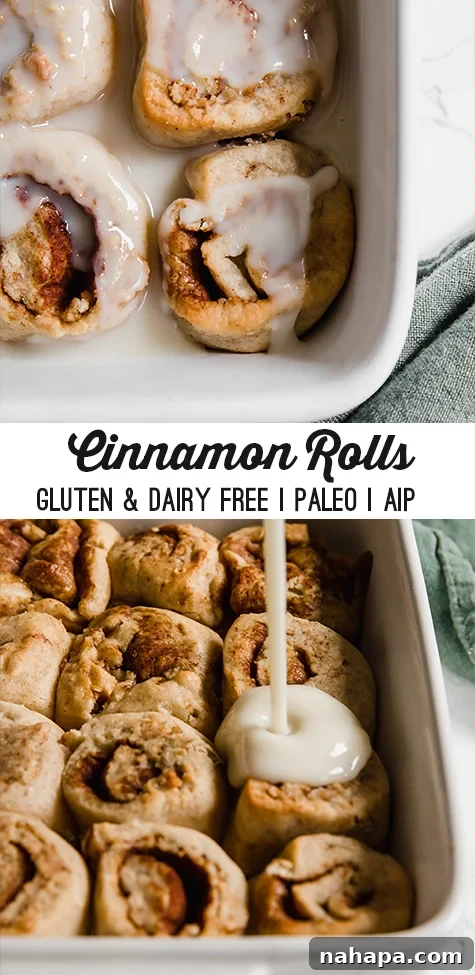
Discover the ultimate indulgence that truly delivers without compromise! These classic AIP cinnamon rolls are meticulously crafted to be grain-free, dairy-free, paleo, and perfectly AIP-compliant. Say goodbye to restrictive diets feeling bland, and hello to a beloved treat reinvented for your well-being. Get ready to experience the nostalgic taste and comforting aroma of freshly baked cinnamon rolls, all while adhering to your dietary needs.
Classic AIP Cinnamon Rolls: A Guilt-Free Indulgence
For many, the scent of cinnamon rolls baking instantly conjures cherished memories of festive mornings and special occasions. Growing up, Christmas morning simply wasn’t complete without the delightful anticipation of warm, gooey cinnamon rolls. That unmistakable taste, often from a certain famous tube, was something I deeply missed after transitioning to an AIP (Autoimmune Protocol) and Paleo lifestyle. The idea of recreating such a complex, yeasty, and soft pastry without grains or dairy seemed incredibly daunting. Bakers often consider cinnamon rolls the pinnacle of their craft, and adapting them to be both paleo and AIP-compliant felt like an even greater challenge.
However, the yearning for this classic comfort food spurred me on. I decided this was the year to conquer the AIP cinnamon roll. After numerous attempts and a fair bit of tweaking, I am thrilled to share a recipe that truly delivers. These aren’t just “good for AIP” — they are genuinely close to the real thing, offering that perfect balance of fluffy dough, spiced filling, and sweet, creamy icing. Prepare to be amazed by how closely these mimic the texture and flavor of traditional cinnamon rolls, proving that dietary restrictions don’t have to mean sacrificing your favorite treats!
Understanding AIP & Paleo: Why Choose Allergy-Friendly Baking?
The Autoimmune Protocol (AIP) is a specialized dietary framework designed to help manage autoimmune conditions by reducing inflammation and promoting gut healing. It’s a stricter version of the Paleo diet, eliminating common inflammatory foods such as grains, dairy, legumes, nightshades, eggs, nuts, and seeds during its elimination phase. The Paleo diet itself focuses on whole, unprocessed foods that our ancestors might have eaten, excluding grains, dairy, and processed sugars.
For individuals following these protocols, finding compliant recipes that don’t compromise on taste or texture can be a game-changer. It allows them to enjoy delicious foods without triggering adverse reactions or feelings of deprivation. These AIP cinnamon rolls are a testament to how creative and satisfying allergy-friendly baking can be. By carefully selecting ingredients that support gut health and reduce inflammatory load, we can recreate beloved classics, making the journey to wellness a little sweeter and a lot more enjoyable. This recipe ensures that everyone, regardless of dietary restrictions, can partake in the joy of a warm, homemade cinnamon roll.
The Magic Behind the Dough: Key Ingredients Unveiled
Crafting the perfect AIP and Paleo-friendly cinnamon roll requires a thoughtful selection of ingredients. Each component plays a crucial role in achieving the desired texture, flavor, and compliance. Let’s delve into the specific ingredients that make these rolls so special:
- Tapioca Starch, Coconut Flour & Tigernut Flour: The Grain-Free Trio. The foundation of any good cinnamon roll is its dough, and achieving that soft, slightly chewy texture without grains is an art. This unique blend of flours is essential.
- Tapioca Starch: This is our secret weapon for chewiness and binding. It helps create a flexible, workable dough that can be rolled without cracking and contributes to the signature “stretch” of a traditional cinnamon roll.
- Coconut Flour: Known for its high absorbency, coconut flour helps to provide structure to the dough and a subtle sweetness. It’s used in specific quantities to prevent the dough from becoming too dry or crumbly. Note that different brands can have varying absorbency, so pay close attention to the dough’s consistency.
- Tigernut Flour: Despite its name, tigernut flour is not derived from nuts but from a small root vegetable, making it perfect for nut-free diets like AIP. It adds a delightful slightly nutty flavor and a tender crumb, mimicking the richness that gluten might otherwise provide.
I strongly advise against substituting these flours, as their specific properties are integral to the success of this recipe. Any changes could drastically alter the texture and outcome.
- Coconut Oil & Coconut Butter: For Richness and Icing. These healthy fats are central to both the dough and the luxurious icing.
- Coconut Oil: Provides essential moisture and richness to the dough, contributing to its tender texture. It also forms the base of our AIP-compliant icing, giving it a smooth, melt-in-your-mouth quality.
- Coconut Butter (or Coconut Manna): This creamy, solidified coconut flesh is key to achieving that classic, decadent cinnamon roll icing. When melted, it blends beautifully with coconut oil and sweetener to create a thick, spreadable frosting. You can certainly experiment with other AIP-friendly icing recipes if you have a favorite!
- Coconut Sugar & Cinnamon: The Iconic Filling. This simple yet powerful duo creates the beloved sweet and spicy core of every cinnamon roll.
- Coconut Sugar: A natural, unrefined sweetener with a lovely caramel-like flavor, it perfectly complements the cinnamon and provides that comforting sweetness without being overly processed.
- Cinnamon: The star spice, delivering warmth, depth, and the characteristic aroma that makes cinnamon rolls so irresistible.
- Gelatin: The Essential Binder. Unlike many traditional recipes that rely on eggs for binding, this AIP version utilizes a “gelatin egg.”
- Gelatin: When properly prepared, gelatin acts as an excellent binder and emulsifier, helping the dough hold together and providing elasticity. It’s crucial for achieving the right dough consistency without using actual eggs. Collagen, while a great supplement, has different gelling properties and will not work as a substitute here. We need the gelling power of gelatin.
Crafting Your Delicious AIP Cinnamon Rolls: A Step-by-Step Guide
Making these AIP cinnamon rolls might seem like an intricate process, but with careful attention to detail, you’ll be rewarded with a batch of warm, fragrant, and utterly delicious treats. Follow these steps for success:
- Begin by preheating your oven to 375°F (190°C). Prepare a baking sheet by lining it with parchment paper. To prevent sticking, lightly grease the parchment paper with a thin layer of coconut oil. (Refer to the notes section for guidance if you prefer using a baking dish instead of a baking sheet.)
- In a large mixing bowl, sift together the dry ingredients: tapioca starch, coconut flour, tigernut flour, and baking soda. Sifting is important to ensure there are no lumps and that the flours are evenly combined, which contributes to a smooth dough.
- In a separate, smaller bowl, combine 1/3 cup of melted coconut oil with 1/3 cup of warm water. Allow this mixture to sit for a few minutes; this helps the coconut oil and water to fully emulsify and create a more uniform liquid. Then, stir in the maple syrup until well combined.
- Now, prepare your gelatin egg. Pour ¼ cup of water into a small saucepan. Evenly sprinkle 1 tablespoon of gelatin powder over the water. Allow it to “bloom” or sit undisturbed for 2-3 minutes, which allows the gelatin to absorb the water and soften.
- Place the saucepan on the stovetop over very low heat. Gently warm the mixture until the gelatin has completely dissolved and the mixture becomes a clear liquid. Be careful not to boil it. Remove from heat immediately. Use a whisk or a milk frother to vigorously blend the gelatin mixture until it becomes frothy and slightly voluminous. This step is crucial for creating the binding properties of the gelatin egg.
- Add the prepared gelatin egg to your dry flour mixture, along with the coconut oil, warm water, and maple syrup mixture from step 3. Knead the dough well, either with your hands or a stand mixer with a dough hook, until all ingredients are fully combined and you have a cohesive dough. The dough at this stage should feel soft and slightly sticky to the touch. If you find the dough too wet, refer to the notes section for troubleshooting tips regarding coconut flour absorbency.
- Prepare your rolling surface. You can use a clean countertop or a large sheet of parchment paper. Generously coat the surface with tapioca starch, and also lightly dust your hands. Transfer the dough onto the prepared surface. Using your hands, gently press the dough down and outward to form a rectangle, aiming for dimensions of approximately 8 inches by 12 inches. Ensure the thickness is even across the entire rectangle.
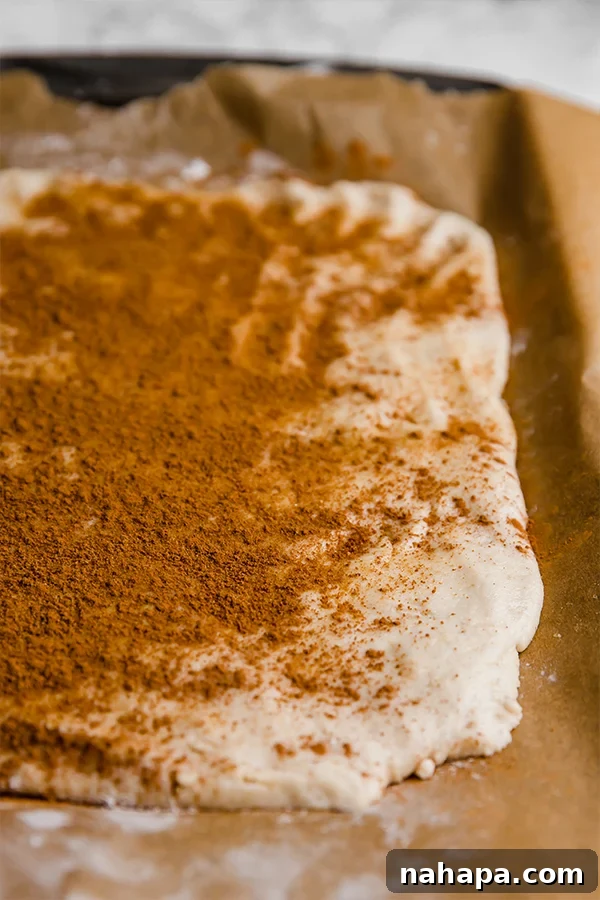
- In a small bowl, combine the 2 tablespoons of coconut sugar and 1 ½ teaspoons of cinnamon for the filling. Evenly sprinkle this aromatic mixture over the entire surface of the rolled-out dough rectangle, making sure to spread it right to the edges for consistent flavor in every bite.
- Carefully roll the dough from the long side, working slowly and steadily to create a tight log. Once rolled, use a sharp knife or a piece of unflavored dental floss to slice the dough log into 7-8 individual cinnamon rolls. Gently reshape each slice into a neat circle if necessary.
- Place the cinnamon rolls onto your prepared baking sheet (or into your baking dish), ensuring they are evenly spaced to allow for proper baking. Bake for 18-26 minutes, or until they are golden brown and baked through. Baking time can vary significantly; if you’re using a baking dish, you might need a longer baking time compared to a baking sheet. Always monitor for doneness.
- Once baked, carefully transfer the hot cinnamon rolls to a cooling rack. Allow them to cool for at least 10-15 minutes before topping them with your icing of choice. This cooling period is important to let them set and prevent the icing from melting completely off.
For the Decadent AIP Icing:
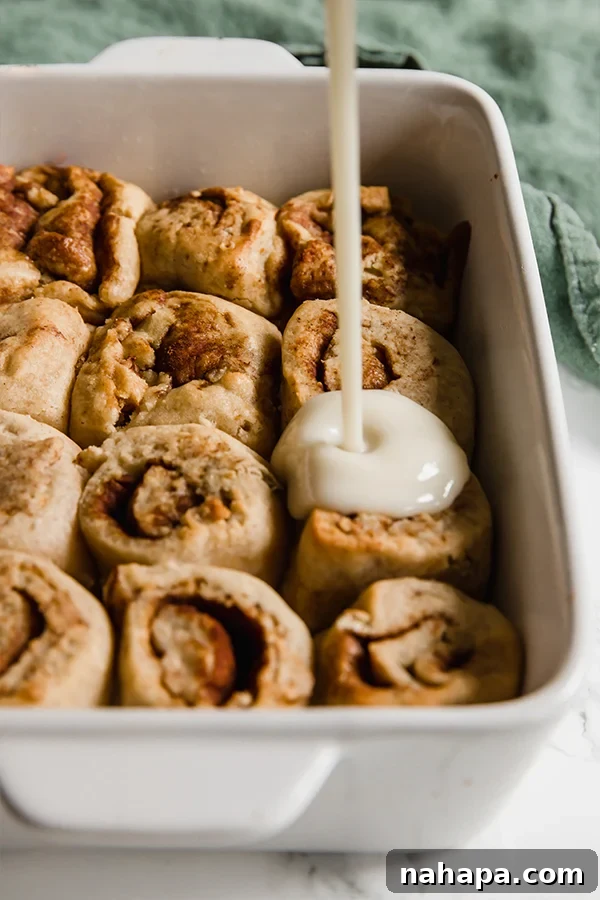
- In a small bowl, combine the ¼ cup of melted coconut butter and 3 tablespoons of melted coconut oil. Stir them together thoroughly until you have a smooth, pourable icing. If desired, you can add 1 teaspoon of coconut sugar for extra sweetness, or a touch of vanilla extract (if tolerated on your AIP stage).
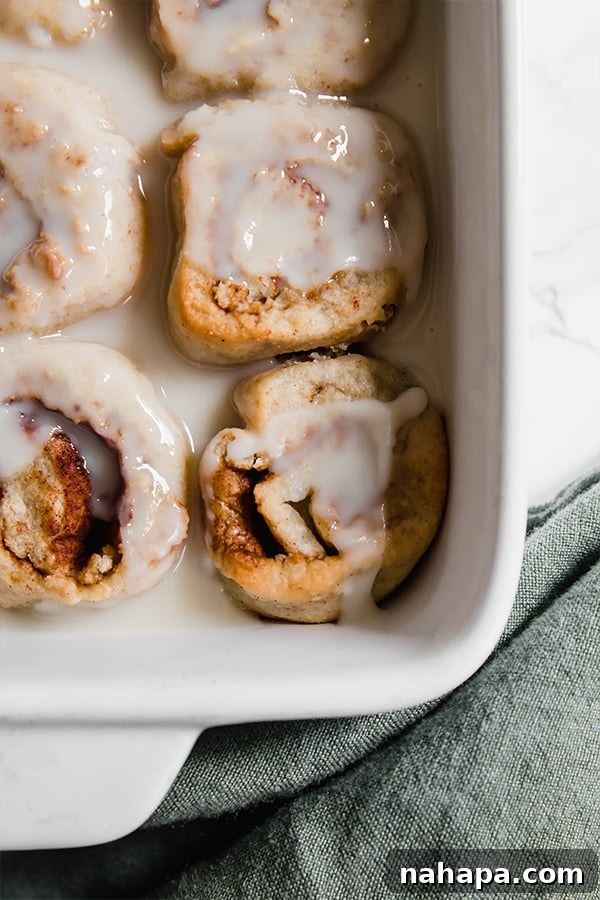
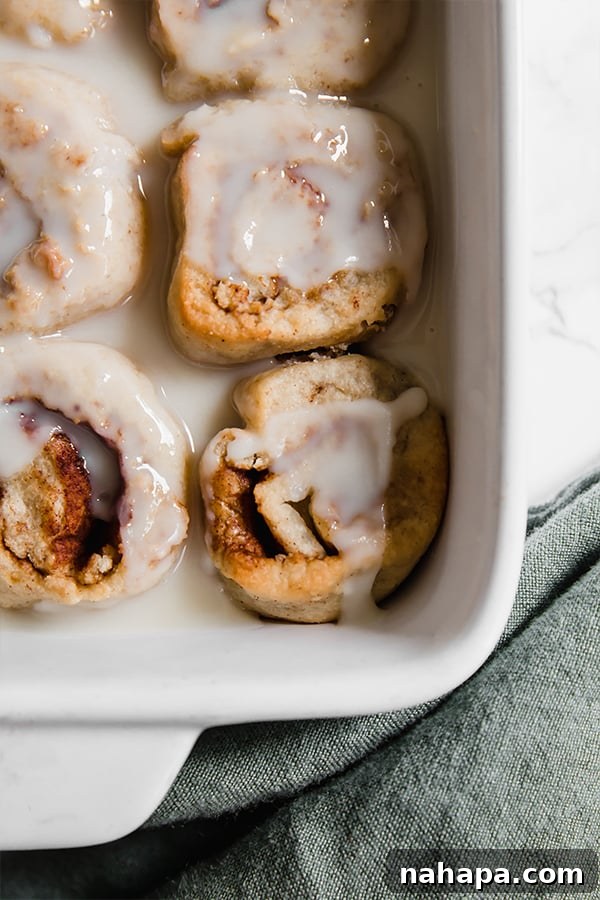
- While the cinnamon rolls are still warm (but not piping hot), drizzle or spread the melted icing generously over each roll. The warmth of the rolls will help the icing melt slightly and create that delightful glazed finish. Enjoy your freshly baked AIP cinnamon rolls!
Frequently Asked Questions & Tips for Perfection
To help you achieve the best possible AIP cinnamon rolls, here are answers to some common questions and additional tips:
Can you make these cinnamon rolls ahead of time?
While these cinnamon rolls are truly at their peak when enjoyed fresh out of the oven, you can certainly prepare them the night before. After baking and cooling, store them in an airtight glass container in the refrigerator. When you’re ready to enjoy, gently reheat them in the microwave for a short burst (about 30 seconds) or under a broiler for a minute or two until they are warm and soft. Be careful not to overheat, as this can dry them out. You might want to re-glaze them with fresh icing after reheating for the best experience.
Can you use a regular egg instead of a gelatin egg?
I have not tested this recipe with a regular chicken egg, as it is designed specifically for the AIP elimination phase, which typically excludes eggs. The gelatin egg provides unique binding and gelling properties crucial for the dough’s texture without gluten or traditional binders. If you are not strictly AIP and can tolerate eggs, you might be able to substitute one large egg for the gelatin egg, but I cannot guarantee the same results in terms of texture and workability of the dough. For an authentic AIP experience, stick with the gelatin egg.
Can you substitute arrowroot for tapioca starch?
While both tapioca starch and arrowroot powder are popular grain-free thickeners, they behave differently in baking. Tapioca starch is key to giving these cinnamon rolls their classic slightly chewy and stretchy texture. Arrowroot powder tends to result in a softer, more crumbly texture and may not provide the same elasticity needed for a rollable dough. For the best outcome and to achieve that familiar cinnamon roll feel, I highly recommend sticking with tapioca starch.
Can you make this recipe completely coconut-free?
Due to the specific requirements of AIP baking and the unique properties of coconut flour and coconut oil in creating the right texture and moisture balance, I have not found a way to make this recipe truly coconut-free while maintaining the desired cinnamon roll consistency. Coconut flour’s absorbency and coconut oil’s fat content are critical here. If you have a coconut allergy, this recipe may not be suitable without significant experimentation and potential compromise on texture.
Can you use pre-made frosting?
Absolutely! If you’re looking for a convenient shortcut and your diet allows for it, using a pre-made frosting can save you time. I’ve personally enjoyed these cinnamon rolls with Simple Mills vanilla frosting, and it’s truly delicious. While Simple Mills frosting is typically paleo-friendly, it may not be strictly AIP (due to ingredients like almonds or arrowroot that some may reintroduce later), so always check the label if you are in the elimination phase of AIP. It’s a fantastic option if you can tolerate it.
Tips for the Best Results:
- Dough Consistency is Key: Coconut flour absorbency can vary. Start with the suggested amount (1/3 cup + 3 tbsp). If your dough feels too wet and unmanageable, add one tablespoon of coconut flour at a time, kneading well after each addition, until it reaches a soft, pliable, and slightly sticky consistency that can be rolled.
- Baking Dish vs. Baking Sheet: While a baking sheet generally allows for faster and more even cooking, a baking dish can keep the rolls moister and create softer edges. If using a baking dish, remember to grease it generously to prevent sticking and be prepared for a slightly longer baking time. You might also want to brush the tops of the rolls with a little extra coconut oil to prevent them from drying out.
- Melting Coconut Butter & Oil: The best way to achieve a smooth, lump-free icing is by using a double boiler method to gently melt the coconut butter and oil. This prevents scorching and ensures a silky texture.
- Don’t Rush the Cooling: Allowing the cinnamon rolls to cool for the recommended 10-15 minutes on a rack is important. This helps them firm up slightly and ensures the icing doesn’t simply slide off when applied.
- Nutritional Information: Please remember that all nutritional information provided is an estimation and can vary depending on the specific brands and exact quantities of ingredients used. These estimations do not include any optional ingredients you might add.
Other AIP-Friendly Treats You’ll Love
If you enjoyed these delicious AIP cinnamon rolls, you’ll be thrilled to discover more satisfying and compliant recipes that cater to your dietary needs without sacrificing flavor. Explore these other fantastic options to keep your kitchen full of delightful, healthy treats:
- Orange Cranberry Scones
- Gingerbread Donut Holes
- Pumpkin Roll

Classic AIP Cinnamon Rolls
8
servings
20 mins
25 mins
Michelle
Ingredients
For the cinnamon rolls
- 1 ¼ cup tapioca starch, plus extra for coating your hands
- ⅓ cup +3-4 tbsp coconut flour, see notes
- ¼ cup tigernut flour
- ½ tsp baking soda
- ⅓ cup coconut oil, melted
- ⅓ cup warm water
- ¼ cup maple syrup
- ¼ cup water + 1 tbsp gelatin
- 2 tbsp coconut sugar
- 1 ½ tsp cinnamon
For the icing
- ¼ cup coconut butter, melted (see notes)
- 3 tbsp coconut oil, melted
- 1 tsp coconut sugar, optional
Instructions
- Preheat the oven to 375 F and line a baking sheet with parchment paper lightly greased with coconut oil. (See notes about using a baking dish instead.)
- Using a large bowl, sift together the tapioca starch, coconut flour, tigernut flour, and baking soda.
- Combine the 1/3 cup coconut oil and 1/3 cup warm water in a separate bowl and allow to sit for a few minutes before adding to the flour mixture. Stir in the maple syrup.
- For the gelatin egg, pour the water into a small saucepan and evenly sprinkle the gelatin over the water. Allow to sit for 2-3 minutes to allow to harden. Place on the stovetop set to low heat until the mixture comes to liquid. Remove from heat. Use a whisk or milk frother to blend the gelatin mixture until frothy.
- Add the gelatin egg to the dough and knead well until fully combined. The dough will be soft and sticky. See notes if the dough is too wet.
- Using either a clean surface or a sheet of parchment paper, coat the surface in tapioca starch as well as your hands. Add the dough onto the surface and press down into a rectangle that’s about 8″-12″. Sprinkle the coconut sugar and cinnamon over the dough and evenly disperse.
- Roll the dough from the long side up. Slice into 7-8 cinnamon rolls. Form each roll into circles.
- Add to the baking sheet (or dish) and evenly space. Bake for 18-26 minutes or until fully baked through. You’ll need more baking time if you’re using a baking dish, and less if you’re using a baking sheet. Carefully transfer to a cooling rack and allow to cool for 10-15 minutes before topping with an icing of choice.
For the icing
- Combine the coconut butter and oil and mix well. Top the cinnamon rolls with the icing while still melted.
Notes
You can also use a baking dish for the cinnamon rolls, but you’ll have to add extra coconut oil to the top of the cinnamon rolls to ensure they don’t stick. Cook time may need to be longer.
The best method for melting coconut butter and oil together is using adouble boiler method.
All nutritional information are estimations and will vary. Estimations do not include optional ingredients.
Serving:
1
serving
,
Calories:
343
kcal
,
Carbohydrates:
31.6
g
,
Protein:
2.8
g
,
Fat:
22.2
g
,
Fiber:
3
g
Did you Make this Recipe?
Tag @unboundwellness on Instagram and hashtag #unboundwellness!