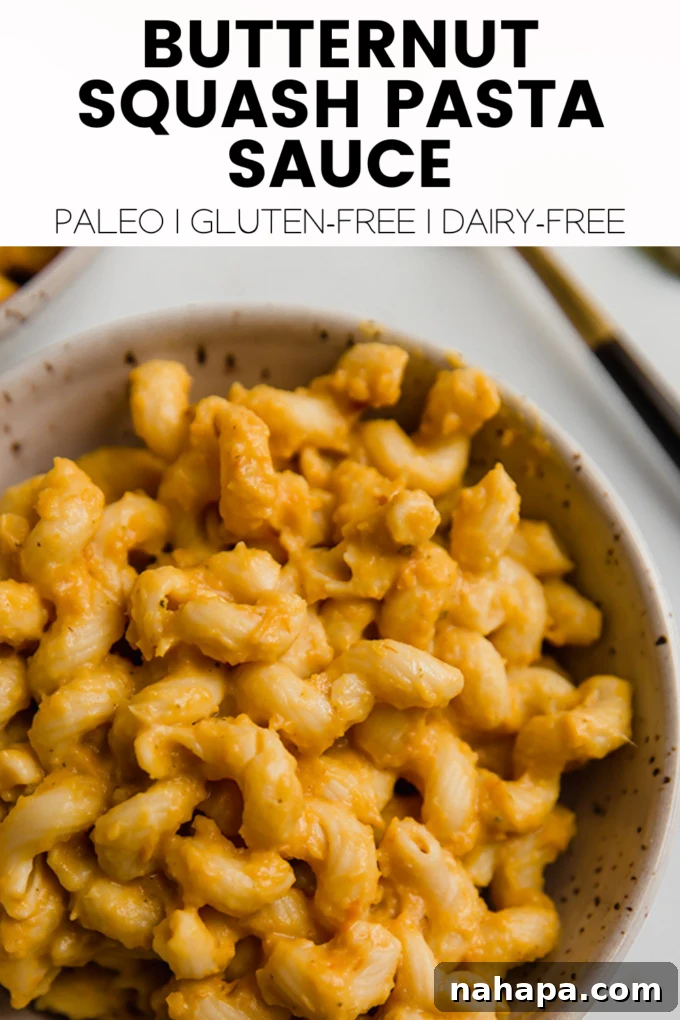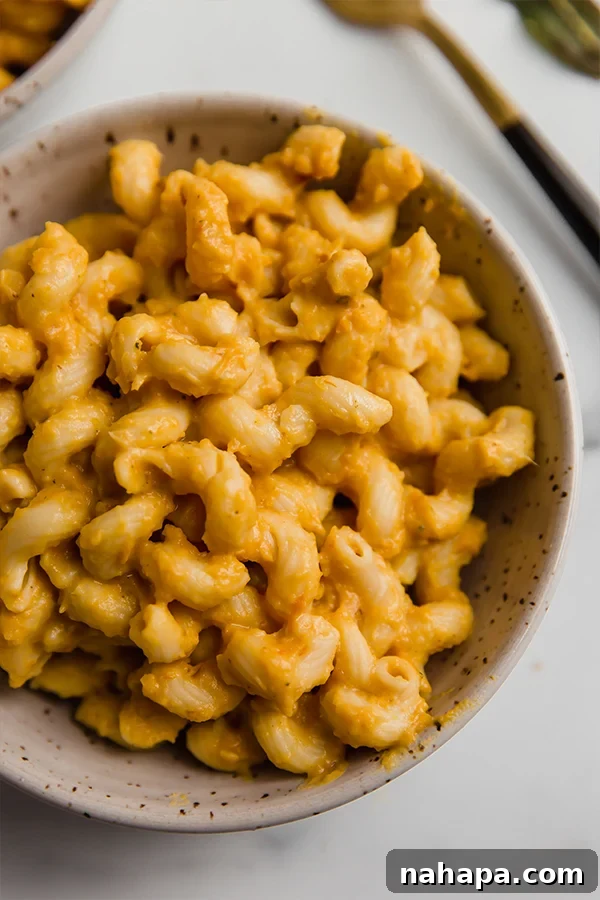
Welcome to your new favorite fall recipe: an incredibly creamy and flavorful butternut squash pasta sauce! This dairy-free delight is crafted with the natural sweetness of roasted butternut squash, infused with aromatic garlic and earthy sage. It’s not just a simple sauce; it’s a wholesome, comforting meal perfect for a cozy autumn evening. Forget complicated ingredients or lengthy prep – this recipe is designed to be straightforward, delivering impressive results that cater to various dietary needs, including paleo, AIP, dairy-free, and gluten-free.
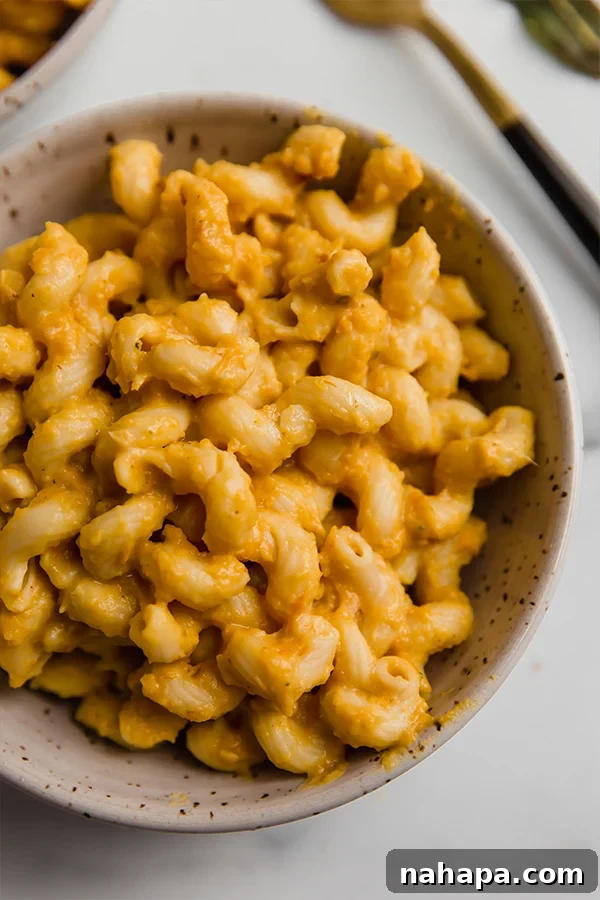
Ultimate Dairy-Free Butternut Squash Pasta Sauce: A Cozy Fall Favorite
Butternut squash truly shines as a fall staple, celebrated for its sweet, nutty flavor and incredibly versatile nature. While many think of it for fries, mashes, or tater tots, its potential extends beautifully into creating a rich, savory pasta sauce. Historically, a rich pasta sauce often implied a base of tomatoes or a generous amount of cheese. However, this recipe breaks those conventions, proving that butternut squash can indeed be the star of a luscious, dairy-free pasta sauce that’s bursting with flavor and comforting warmth.
This vibrant orange sauce, made creamy with coconut milk, pairs wonderfully with any pasta shape you choose. The beauty of this recipe lies in its simplicity; it’s largely prepared on a single sheet pan in the oven, minimizing cleanup and maximizing ease. Adhering to strict dietary guidelines, it’s a fantastic option for those following paleo, AIP (Autoimmune Protocol), dairy-free, and gluten-free lifestyles. It’s a testament to how whole, natural ingredients can create a meal that’s both indulgent and incredibly healthy.
Why You’ll Love This Butternut Squash Pasta Sauce
- Naturally Dairy-Free: Enjoy a creamy pasta sauce without any dairy, perfect for those with lactose intolerance or allergies.
- Gluten-Free & Paleo Friendly: Easily adaptable to grain-free and paleo diets, especially when paired with cassava or other grain-free pasta.
- AIP Compliant: With a simple omission of black pepper, this recipe fits perfectly into the Autoimmune Protocol.
- Incredibly Flavorful: The combination of roasted butternut squash, garlic, sage, and thyme creates a deeply savory and slightly sweet profile.
- Simple & Easy to Make: Most of the work involves roasting vegetables on a single sheet pan and then blending the sauce.
- Perfect for Fall: Embraces the seasonal flavors and warmth associated with autumn cooking.
- Healthy & Wholesome: Packed with nutrients from butternut squash and fresh herbs, making it a guilt-free comfort food.
Essential Ingredients for Our Creamy Butternut Squash Pasta Sauce
Crafting this delightful sauce requires a handful of fresh, wholesome ingredients that come together to create a symphony of fall flavors. Each component plays a vital role in achieving the perfect balance of taste and texture.
- Butternut Squash: The Golden Star. This humble squash is the heart and soul of our sauce. When roasted, its natural sugars caramelize, intensifying its sweet and nutty notes, which are crucial for the depth of flavor. Look for a squash that feels heavy for its size and has smooth, unblemished skin.
- Yellow Onion and Garlic: The Aromatic Foundation. Roasted alongside the squash, these kitchen staples become incredibly sweet and tender, forming a rich, savory base that complements the squash beautifully. Garlic adds a pungent kick that mellows with roasting, while onion provides a foundational sweetness.
- Sage Leaves and Fresh Thyme: The Soulful Herbs. These herbs are quintessential fall flavors. Sage offers an earthy, slightly peppery aroma that pairs perfectly with squash, while fresh thyme introduces a subtle, woody note. Roasting them briefly helps to release their essential oils, infusing the sauce with their comforting essence without burning.
- Olive Oil: The Unifying Elixir. A good quality olive oil helps in roasting the vegetables to perfection, ensuring they become tender and slightly caramelized. It also acts as a smooth base for blending, contributing to the sauce’s luxurious texture.
- Salt and Black Pepper: The Flavor Enhancers. Essential for seasoning, salt brings out the natural flavors of the vegetables. Black pepper adds a gentle warmth and a hint of spice. For those following the AIP diet, remember to omit the black pepper.
- Your Choice of Pasta: The Canvas. This sauce is incredibly versatile and will taste fantastic with any pasta shape you prefer. For a truly gluten-free experience, consider options like rice pasta, corn pasta, or chickpea pasta. If you’re following the AIP diet, a cassava pasta is an excellent choice, offering a great texture that holds up well with the creamy sauce.
- Full-Fat Coconut Milk: The Dairy-Free Creaminess. This is the secret to achieving a rich, velvety texture without any dairy. Full-fat canned coconut milk provides a natural creaminess and a subtle sweetness that harmonizes with the butternut squash. If you need a completely coconut-free option, you can use plain pasta water, but be aware that the sauce will be slightly less creamy and robust in flavor.
- Nutritional Yeast: The Optional Cheesy Note. For those who miss a cheesy flavor in their dairy-free dishes, nutritional yeast is a fantastic addition. It imparts a savory, umami-rich taste often described as “cheesy.” It’s entirely optional, so feel free to omit it if it’s not to your preference or if you’re keeping things simple.
Step-by-Step Guide: How to Make Dairy-Free Butternut Squash Pasta Sauce
Creating this creamy, dairy-free butternut squash pasta sauce is a surprisingly simple process, primarily involving roasting and blending. Here’s a detailed breakdown to guide you to culinary success:
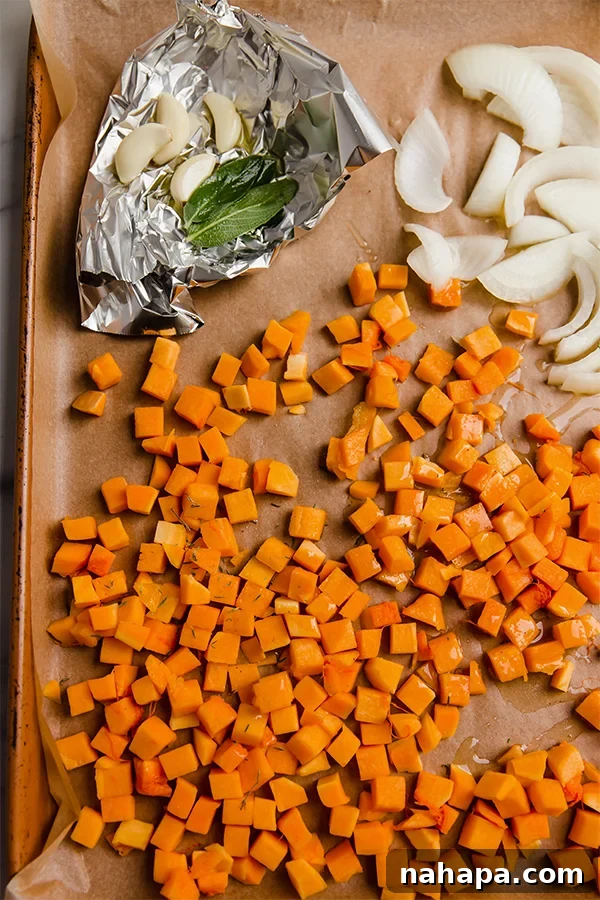
- Preheat Oven and Prepare Your Pan: Begin by preheating your oven to 400°F (200°C). Line a large baking sheet with parchment paper. This step is crucial for preventing sticking and ensuring easy cleanup after roasting.
- Arrange Vegetables for Roasting: On the prepared baking sheet, spread out the cubed butternut squash and sliced yellow onion in an even layer. Take your garlic cloves and sage leaves and place them on a small square of aluminum foil or additional parchment paper. This protects them from burning, as garlic and sage cook faster than the squash and onion.
- Season and Toss: Drizzle the entire pan, including the foil packet with garlic and sage, generously with olive oil. Sprinkle the squash and onion with salt, black pepper (if not AIP), and fresh thyme. Toss everything gently with your hands or tongs to ensure an even coating of oil and seasonings. Wrap the garlic and sage packet securely.
- Roast to Perfection: Place the baking sheet in the preheated oven. Roast for 30-35 minutes, or until the butternut squash is fork-tender and exhibits lightly crisp, caramelized edges. The onion should also be softened and slightly browned. Once done, remove from the oven and set aside to cool slightly.
- Cook Your Pasta and Save Pasta Water: While the vegetables are roasting, bring a large pot of salted water to a rolling boil. Cook your chosen pasta according to package directions until al dente. Before draining, make sure to reserve about ¾ cup of the starchy pasta water. This water is a crucial ingredient for achieving the perfect sauce consistency and helping it cling to the pasta. Drain the remaining pasta and set aside.
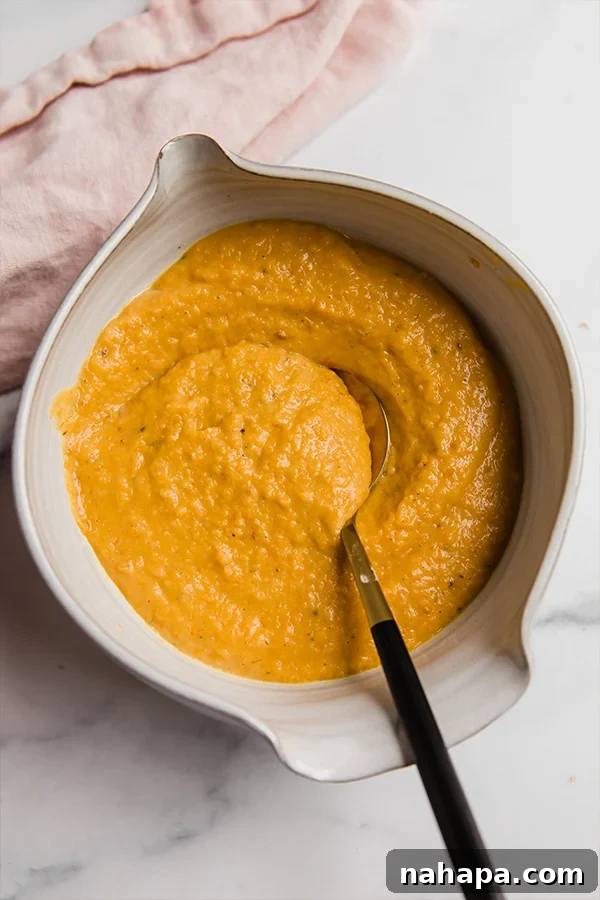
- Blend the Creamy Sauce: Carefully transfer the roasted butternut squash, onion, garlic (from its packet), and sage (from its packet) to a high-speed blender. Add the reserved pasta water, coconut milk, and nutritional yeast (if using). Blend on high until the sauce is completely smooth and creamy. If you desire a thinner consistency, you can add 1-2 tablespoons more coconut milk or pasta water until it reaches your preferred texture.
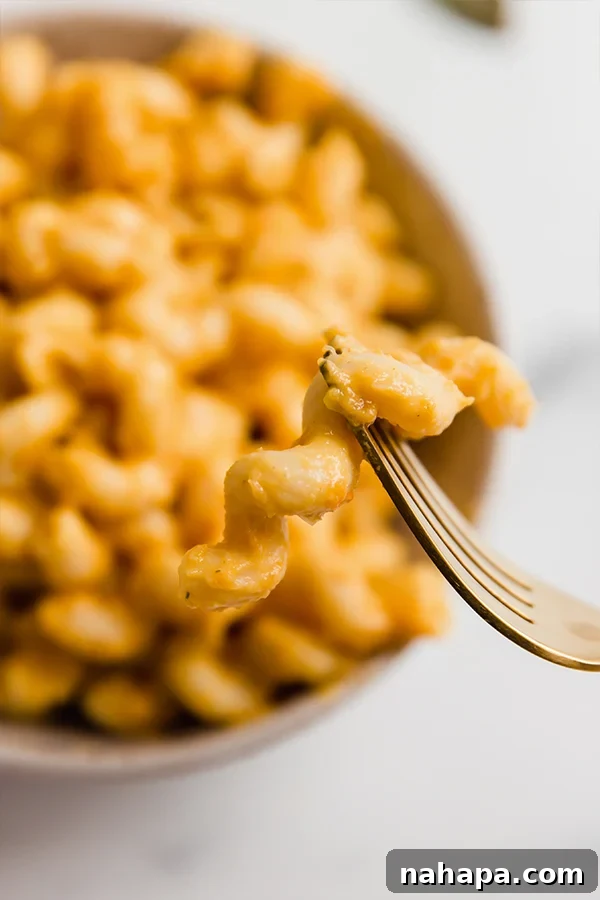
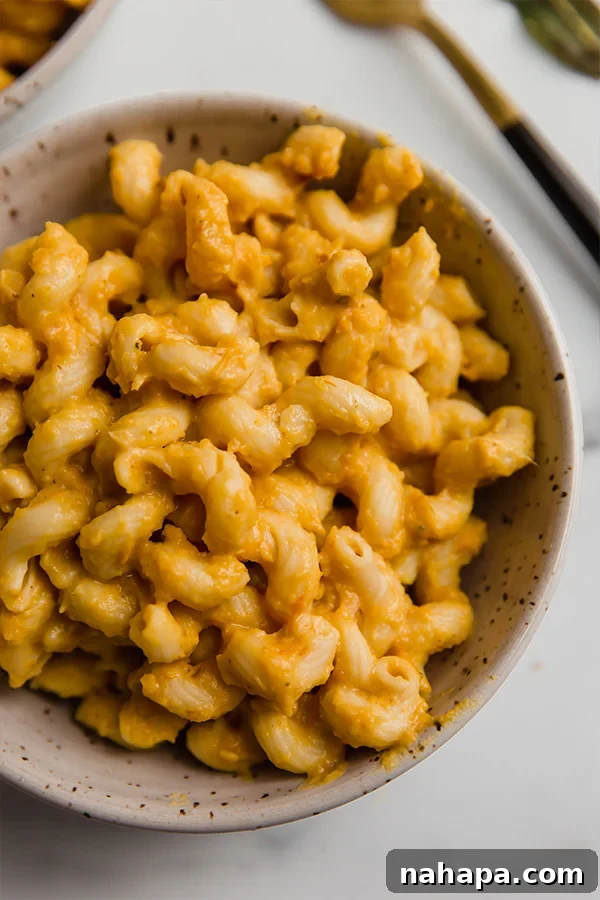
- Combine and Serve: Pour the freshly blended butternut squash sauce over your cooked and drained pasta. Stir gently to ensure every strand is beautifully coated with the vibrant sauce. Serve immediately, either on its own as a delicious vegetarian meal or topped with your favorite protein.
Expert Tips for the Perfect Butternut Squash Pasta
- Don’t Overcrowd the Pan: When roasting the squash and onion, ensure they are in a single layer without overlapping too much. This allows them to roast and caramelize properly, rather than steam. If necessary, use two baking sheets.
- Adjust Sauce Consistency: The amount of pasta water and coconut milk can be adjusted based on your desired thickness. For a thicker sauce, use less liquid; for a thinner sauce, add a splash more coconut milk or pasta water while blending.
- Flavor Boosters: For an extra layer of flavor, consider adding a pinch of nutmeg or a tiny amount of red pepper flakes (if not AIP) to the sauce while blending. A squeeze of fresh lemon juice at the end can also brighten the flavors.
- Prep Ahead: You can roast the butternut squash and onion ahead of time and store them in the refrigerator for up to 3 days. This makes dinner prep even quicker on a busy weeknight.
- Fresh Herbs Make a Difference: While dried herbs can work in a pinch, fresh sage and thyme provide a significantly more vibrant and aromatic flavor to the sauce.
Variations & Serving Suggestions
This butternut squash pasta sauce is fantastic as is, but it also serves as a wonderful base for creative variations and pairings:
Make it Heartier:
- Add Protein: Stir in some grilled chicken, pan-seared scallops, crispy bacon bits, or even roasted chickpeas for added protein.
- Boost with Veggies: Sautéed spinach, kale, mushrooms, or roasted Brussels sprouts can be folded into the pasta for extra nutrients and texture.
Spice it Up:
- For a touch of heat, sprinkle in some red pepper flakes when tossing the vegetables for roasting (omit for AIP).
- A small pinch of ground nutmeg can enhance the warm, earthy notes of the butternut squash.
Different Pasta Shapes:
While any pasta works, consider shapes that can hold the creamy sauce well, such as penne, rigatoni, orecchiette, or even a wide pappardelle.
Frequently Asked Questions (FAQs)
Can you use frozen butternut squash?
Absolutely! Frozen cubed butternut squash is a convenient alternative. You might need to add an extra 5-10 minutes to the roasting time since it contains more moisture. Just keep an eye on it until it’s tender and slightly caramelized.
Can you make this recipe without the nutritional yeast?
Yes, you certainly can! Nutritional yeast is added for an optional cheesy, umami flavor. The sauce will still be delicious and creamy without it, just with a slightly different flavor profile. Feel free to leave it out if you prefer.
Can you make this recipe coconut-free?
Yes, it’s possible. I’ve tried making this recipe using only reserved pasta water instead of coconut milk. It still works, but the sauce tends to be a bit less creamy and rich in flavor. For the best creamy texture, the full-fat coconut milk version is highly recommended, but pasta water is a viable substitute if coconut is an issue.
How do I store leftovers?
Leftover butternut squash pasta sauce can be stored in an airtight container in the refrigerator for up to 3-4 days. The sauce also freezes well on its own for up to 3 months. When reheating, you might need to add a splash of water or vegetable broth to thin it out to your desired consistency.
Is this recipe vegan?
Yes! As written, this recipe is naturally vegan, dairy-free, and can be made gluten-free and AIP compliant. It uses only plant-based ingredients, making it suitable for a wide range of dietary preferences.
Nutritional Highlights of Butternut Squash
Beyond its delightful taste, butternut squash is a nutritional powerhouse. It’s an excellent source of vitamins A and C, which are crucial for immune function and vision. It also provides a good amount of dietary fiber, supporting digestive health, and is rich in antioxidants that help protect your cells from damage. Incorporating butternut squash into your diet is a delicious way to boost your nutrient intake and enjoy healthy, seasonal eating.
Other Delicious Dairy-Free & Gluten-Free Recipes You’ll Love
- AIP Mac and Cheese
- No Boil Pasta Bake
- Healthy Broccoli Cheese Casserole
Butternut Squash Pasta Sauce (Paleo, Gluten-free, Dairy-free)
Leave a Review
Pin Recipe
Ingredients
- 1 lb butternut squash
- ½ yellow onion, sliced
- 4 cloves garlic
- 3 sage leaves
- 3 tbsp olive oil
- 2 tsp fresh thyme
- ¾ tsp salt
- ¼ tsp black pepper, omit for AIP
- 12 oz pasta of choice, use a cassava pasta for AIP
- ½ cup coconut milk
- 2 tbsp nutritional yeast, optional
Instructions
- Preheat the oven to 400°F (200°C) and line a large baking sheet with parchment paper.
- Add the squash and onion to the baking sheet. Place the garlic and sage on a small square of foil (or parchment). Top the entire pan with olive oil and wrap the garlic and sage to prevent burning. Top the squash and onion with salt, pepper, and thyme and toss to combine.
- Bake in the preheated oven for 30-35 minutes or until the squash is tender and lightly crisp. Set aside.
- While the squash cooks, cook the pasta as directed on the package. Set aside ¾ cup of the pasta water. Strain the pasta and set aside.
- Add the squash, onion, garlic, and sage to a high-speed blender along with the reserved pasta water, coconut milk, and nutritional yeast. Blend until smooth, adding 1-2 tbsp of additional coconut milk or pasta water if a thinner sauce is desired.
- Add the sauce to the cooked pasta and stir to coat evenly. Serve by itself, or with a protein of your choice like grilled chicken or bacon.
Notes