This post contains affiliate links.
The Ultimate Cheesecloth Orange Herb Roasted Turkey Recipe
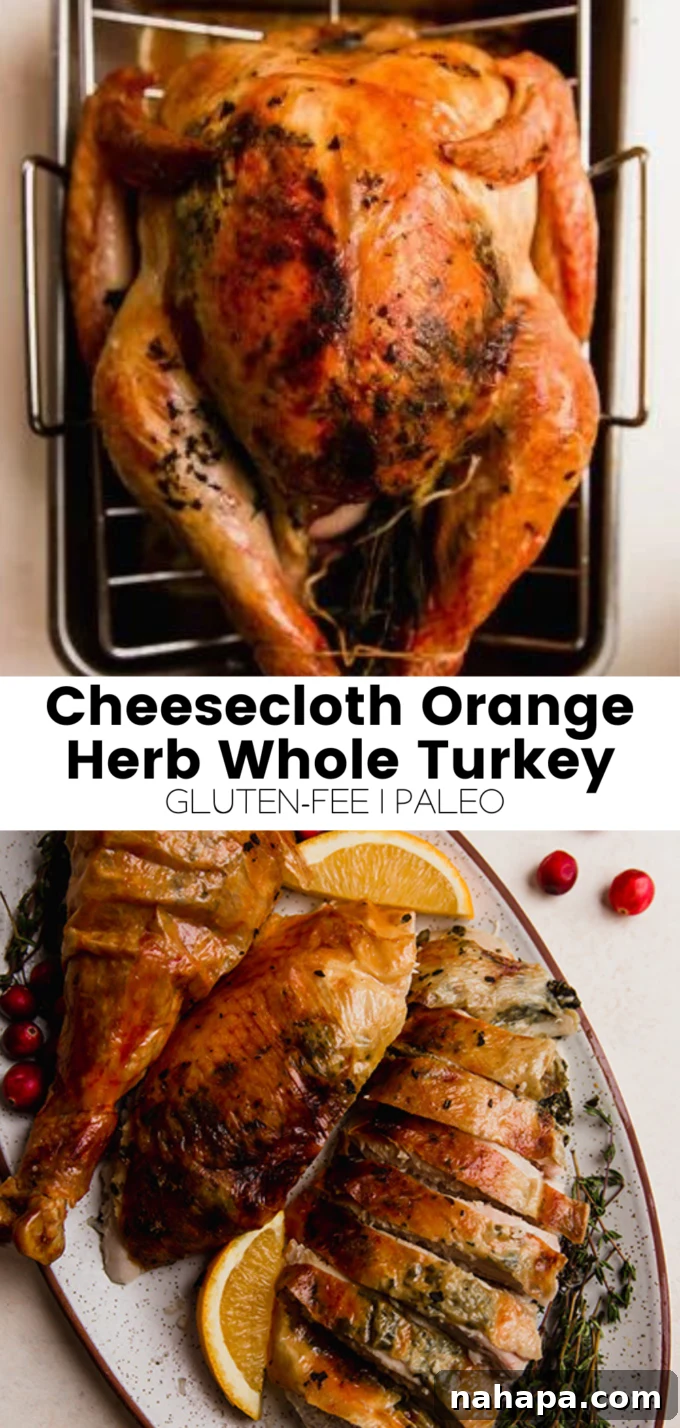
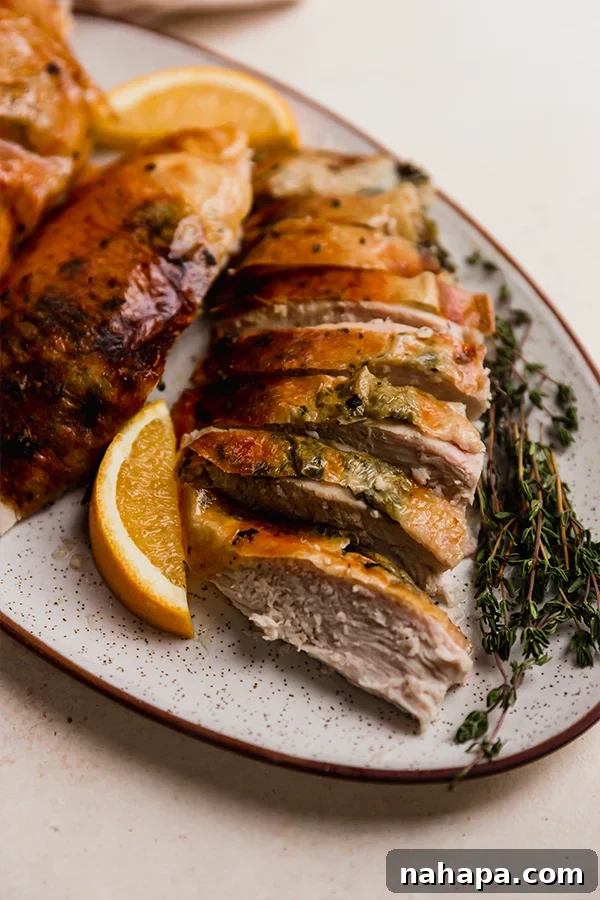
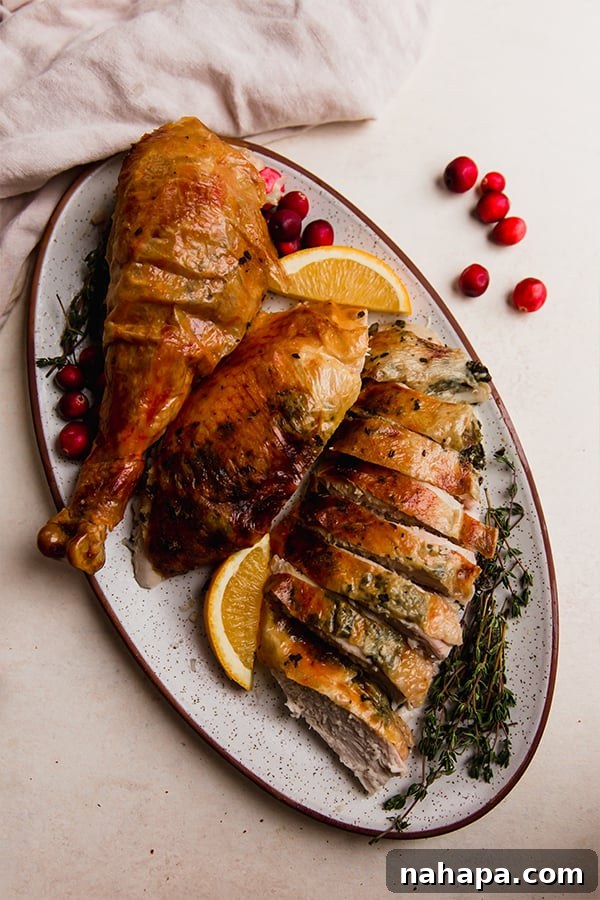
Prepare to revolutionize your holiday dinners with this sensational Cheesecloth Orange Herb Roasted Turkey recipe! Forget dry, flavorless turkey; this method promises a consistently juicy bird with spectacularly crispy skin, infused with vibrant citrus and aromatic herbs. If you’ve been searching for the secret to a truly unforgettable turkey, the cheesecloth method is your new culinary superpower. It’s surprisingly simple yet yields results that will have everyone asking for your secret.
This comprehensive guide will walk you through every step, from selecting the perfect turkey to mastering the art of the herb-infused cheesecloth. Get ready to impress your guests and elevate your festive meals to an entirely new level of deliciousness.
Why Use the Cheesecloth Method for Roasting Turkey?
If you’ve never encountered the genius of roasting a turkey wrapped in a butter (or ghee) soaked cheesecloth, prepare for a Thanksgiving revelation! This technique isn’t just a kitchen hack; it’s a game-changer that addresses all the common challenges of roasting a whole bird, ensuring a flawless outcome every time. Here’s why the cheesecloth method is superior:
- Unrivaled Juiciness: The cheesecloth, saturated with rich butter or ghee, acts as a protective, self-basting layer. As the turkey roasts, the fat slowly melts and renders, continuously moistening the skin and meat beneath. This creates a steamy environment around the bird, effectively locking in moisture and preventing the turkey from drying out, even during long cooking times. The result is incredibly tender, succulent meat from breast to thigh.
- Perfectly Crispy, Golden Skin: Many struggle to achieve crispy skin without burning it. The cheesecloth method solves this by providing a barrier that allows the skin to gradually brown and crisp up under the fat. The butter/ghee helps to render the fat in the turkey’s skin, leading to a crackling, golden-brown finish that’s deeply flavorful, without the risk of scorching. It creates a beautiful, even crust that’s both visually appealing and delicious.
- Enhanced Flavor Infusion: Beyond moisture and crispness, the cheesecloth acts as a delivery system for flavor. Soaking it in a mixture of butter/ghee and aromatic herbs like rosemary, sage, and thyme, along with citrus zest and garlic, means these flavors are constantly in contact with the turkey as it cooks. This continuous infusion permeates the skin and even the outermost layers of the meat, resulting in a turkey that’s flavorful through and through, rather than just on the surface.
- Even Roasting: The cheesecloth helps to distribute heat more evenly across the turkey’s surface. This minimizes hot spots and cold spots, contributing to a more uniformly cooked bird. You get consistent results without constant fussing or rotating the pan.
Essential Ingredients for Your Cheesecloth Roasted Turkey
Crafting this magnificent Orange Herb Roasted Turkey requires a blend of fresh, high-quality ingredients that work in harmony to deliver maximum flavor. Here’s what you’ll need to gather:
- Whole Turkey: The star of the show! Choose a fresh or fully thawed frozen turkey. For this recipe, a 10-15 lb turkey is ideal, but the cooking time can be adjusted for larger or smaller birds. Ensure it’s fully thawed if frozen, which can take several days in the refrigerator.
- Fresh Oranges: You’ll use both the juice and the zest. Oranges provide a bright, zesty counterpoint to the rich turkey and herbaceous flavors. The acidity helps to tenderize and infuse a refreshing aroma. Aim for organic oranges if possible, especially when using the zest.
- Butter or Ghee: This is the foundation of your herb-infused cheesecloth. Ghee (clarified butter) is an excellent choice for those with lactose sensitivities, offering a rich, nutty flavor and a higher smoke point. Regular unsalted butter works beautifully too, adding its classic creamy taste.
- Fresh Herbs: A fragrant trio of rosemary, sage, and thyme forms the heart of the herb butter. These classic poultry herbs impart a deeply savory, earthy, and slightly peppery aroma. Using fresh herbs is crucial here, as their essential oils are more potent and flavorful than dried varieties.
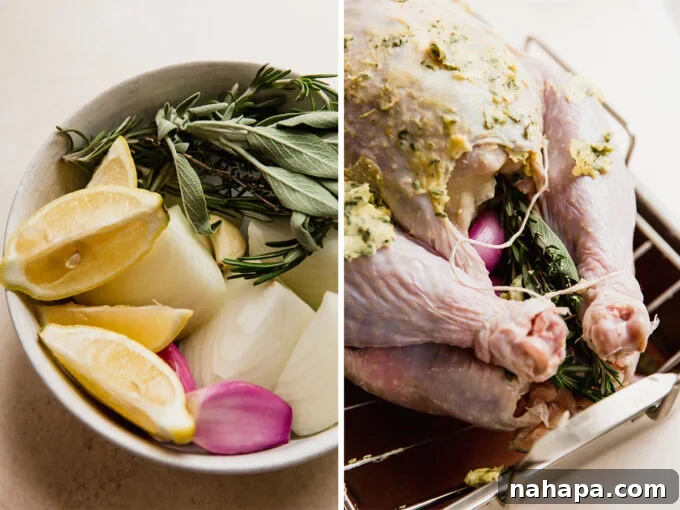
- Aromatics for Stuffing: Onion, lemon, garlic, and shallot are placed inside the turkey cavity. While they aren’t meant for consumption as stuffing, they infuse the turkey with incredible steam and aroma from the inside out, complementing the exterior herb butter.
- Garlic Powder, Salt, and Pepper: These pantry staples enhance the overall seasoning, ensuring every bite is perfectly balanced. Garlic powder adds a subtle allium note without the raw sharpness of fresh garlic.
- Chicken Broth: Poured into the bottom of the roasting pan, the broth creates a moist environment in the oven, helps prevent drippings from burning, and forms the basis for a flavorful gravy later on.
The Essential Tools for a Flawless Roast Turkey
Having the right equipment on hand ensures a smooth and successful turkey roasting experience. Here are the key tools you’ll need:
- Roasting Pan and Rack: A sturdy roasting pan with a V-rack allows for proper air circulation around the turkey, ensuring even cooking and crispy skin on all sides. The rack also keeps the turkey elevated out of its drippings.
- Turkey Baster: Essential for distributing juices and flavor over the turkey, especially as the cheesecloth starts to dry out or if you want to add more pan drippings.
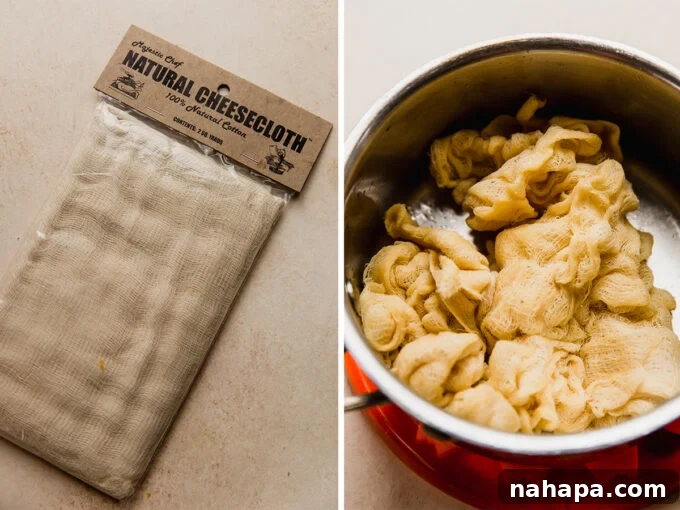
- Cheesecloth: The star tool of this method! You’ll need a good quality, unbleached cheesecloth, typically in a fine weave (Grade 90 is excellent) to hold the butter and herbs effectively.
- Instant-Read Thermometer: This is non-negotiable for food safety and preventing overcooking. It provides an accurate temperature reading quickly, ensuring your turkey is perfectly done without guesswork.
- Butcher’s Twine: Used to tie the turkey’s legs together, helping the bird maintain its shape during roasting and promoting more even cooking.
- Large Mixing Bowl and Spatula: For preparing the herb butter.
- Small Saucepan: For melting the ghee/butter to soak the cheesecloth.
Choosing the Right Cheesecloth for Roasting
The quality of your cheesecloth truly matters for this recipe. You’ll want to use a natural, unbleached cheesecloth, preferably a higher grade like Grade 90. This type is more tightly woven, making it stronger and better able to hold the butter and herbs without tearing during the roasting process. Avoid bleached varieties as they can contain chemicals that you don’t want near your food. A good quality cheesecloth like this will make all the difference in achieving that perfect crispy, juicy finish.
How to Make the Perfect Cheesecloth Orange Herb Roasted Turkey
Follow these detailed steps to create a show-stopping turkey that will be the centerpiece of any festive gathering.
Step 1: Prepare the Aromatic Herb Butter
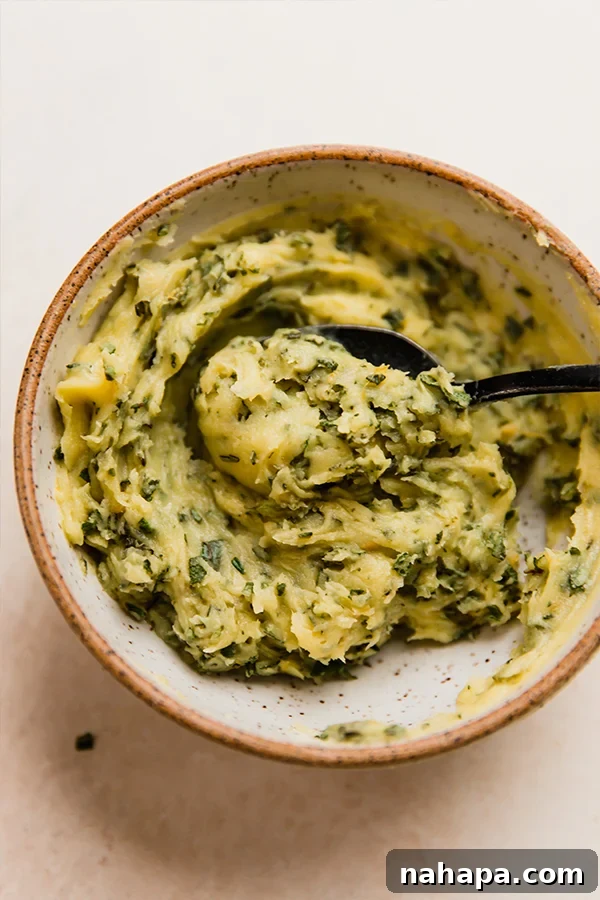
In a medium bowl, combine the softened butter or ghee with the freshly chopped sage, rosemary, and thyme. Add the juice of one orange, the zest of half an orange, garlic powder, and a generous pinch of salt and pepper. Stir thoroughly until all ingredients are well combined and the mixture is smooth and fragrant. This herb butter is the flavor powerhouse for your turkey!
Step 2: Season the Turkey Thoroughly
Pat your turkey completely dry with paper towels; this is crucial for crispy skin. Place the turkey on your roasting rack, breast-side up. Carefully work your fingers under the skin of the breast to create a pocket without tearing the skin. Take about a quarter of the prepared herb butter and spread it evenly under the breast skin. This directly infuses the breast meat with flavor and moisture. Then, rub the remaining herb butter generously all over the exterior of the turkey, ensuring every inch is coated.
Step 3: Stuff with Aromatics and Truss the Legs
Loosely stuff the turkey cavity with the quartered onion, lemon, shallot, garlic cloves, and a few sprigs of fresh rosemary. These aromatics will steam from the inside, adding a subtle layer of flavor. Do not pack the cavity too tightly, as this can hinder even cooking. Once stuffed, use butcher’s twine to tie the turkey’s legs together. This helps the turkey hold its shape and ensures the inner thighs cook evenly.
Step 4: Prepare and Drape the Cheesecloth
Melt ½ cup of ghee (or butter) in a small saucepan over low heat. Take a large piece of unbleached cheesecloth (enough to cover the entire turkey) and submerge it into the melted ghee. Use tongs to carefully toss and saturate the cheesecloth completely. Once soaked, gently wring out any excess fat, but ensure the cloth remains thoroughly saturated.
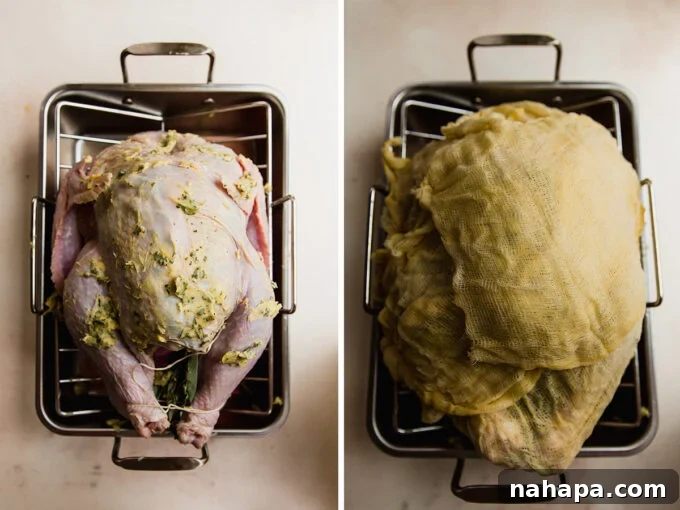
Carefully drape the saturated cheesecloth over the turkey, ensuring it fully covers the breast and sides of the bird. The goal is to create an even, buttery blanket. Pour 1 cup of chicken broth into the bottom of the roasting pan. This creates a moist environment in the oven and provides drippings for gravy.
Step 5: Roast in the Oven and Baste
Preheat your oven to 350°F (175°C). Place the roasting pan with the turkey into the preheated oven. Baste the turkey every 20-30 minutes using the pan drippings. This regular basting keeps the cheesecloth moist and continues the flavor infusion and browning process. The general rule for roasting a turkey at 350°F is approximately 13 minutes per pound for an unstuffed turkey and 15 minutes per pound for a stuffed turkey. For a 13 lb stuffed turkey, expect it to roast for about 3 hours. Always rely on an instant-read thermometer for accurate doneness.
The turkey is fully cooked when the internal temperature reaches 165°F (74°C). Insert the thermometer into the thickest part of the thigh, avoiding the bone, and also into the center of the breast. Once it reaches the target temperature, remove the turkey from the oven.
Step 6: Rest, Carve, and Serve
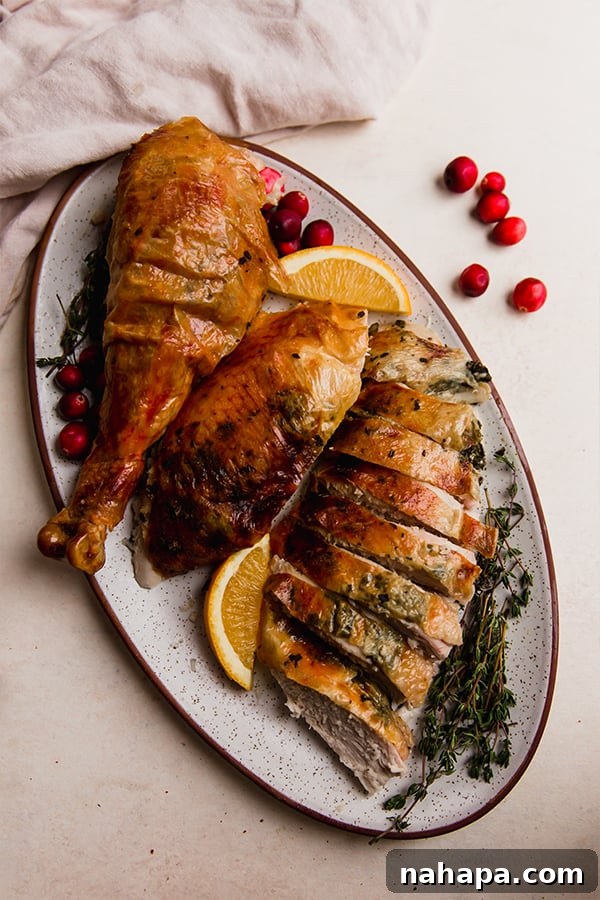
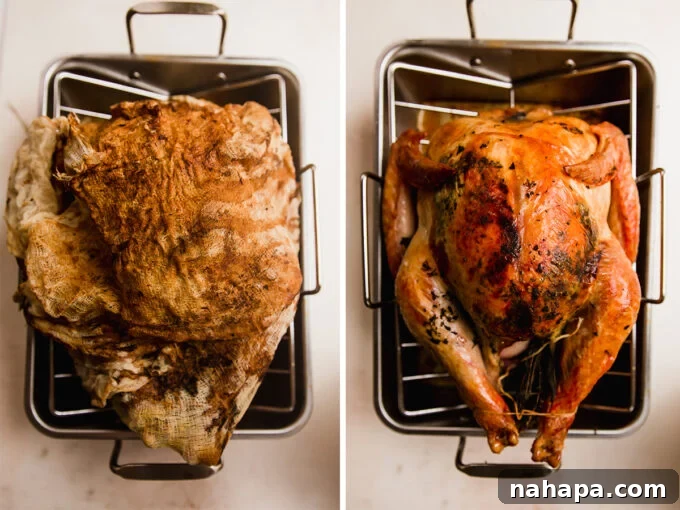
Allow the turkey to rest, still covered with the cheesecloth, for 15-20 minutes before carving. Resting is a critical step that allows the juices to redistribute throughout the meat, ensuring a truly moist and flavorful result. If you carve too early, the juices will run out, leaving you with dry meat. After resting, carefully remove the cheesecloth. Carve the turkey and serve immediately with your favorite side dishes. Enjoy the incredible aroma and taste of your perfectly roasted orange herb turkey!
Frequently Asked Questions About Cheesecloth Roasted Turkey
Here are some common questions to help you perfect your cheesecloth turkey experience:
Can you reuse the cheesecloth after roasting the turkey?
Unfortunately, no. As you might see in the pictures, the cheesecloth undergoes significant drying and fat absorption during the roasting process. It becomes quite brittle and is saturated with rendered fat and drippings, making it unsuitable for reuse. Think of it as a single-use culinary tool that is definitely put to good use for one spectacular meal!
How long do you bake a turkey at 350°F (175°C)?
The general guideline for roasting a turkey at 350°F is 13 minutes per pound for an unstuffed turkey and 15 minutes per pound for a stuffed turkey. So, if you’re roasting a 13-pound stuffed turkey, it would take approximately 3 hours (13 lbs * 15 mins/lb = 195 minutes or 3 hours and 15 minutes, but allowing for general estimates, 3 hours is a good target). Remember, these are estimates, and oven temperatures can vary. Always use a meat thermometer to confirm doneness.
How often should you baste a turkey when using cheesecloth?
Even with the cheesecloth method, basting is still recommended for optimal results. Basting every 20-30 minutes helps keep the cheesecloth moist, continuously bathing the turkey in flavorful juices and promoting an even, golden-brown crust. This regular attention contributes significantly to the turkey’s juiciness and flavor.
How do you know the turkey is done and safe to eat?
An instant-read thermometer is your best friend here. It’s the most reliable way to prevent both undercooking (which is unsafe) and overcooking (which leads to dry meat). The turkey is fully cooked and safe to eat when the internal temperature reaches 165°F (74°C). Insert the thermometer into two key areas: the thickest part of the thigh (making sure not to touch the bone) and the center of the breast. Both readings should be at or above 165°F for a perfectly cooked bird.
Do I need to brine the turkey beforehand?
While brining can certainly add moisture and flavor, the cheesecloth method itself is designed to keep the turkey incredibly juicy. Many find that brining isn’t strictly necessary when using cheesecloth, especially with the herb butter application. However, if you enjoy the extra layer of flavor and moisture that brining provides, feel free to incorporate it before applying the cheesecloth.
Can I prepare the herb butter in advance?
Absolutely! The herb butter can be prepared a day or two in advance and stored in an airtight container in the refrigerator. This can save you valuable time on the day of your feast. Just make sure to bring it back to room temperature to soften before applying it to the turkey.
Related Recipes to Complement Your Holiday Spread
Looking for more delicious and healthy recipes to complete your meal? These dishes pair wonderfully with a festive turkey dinner:
- Cranberry Sweet Potato Turkey Poppers
- Spatchcocked Chicken and Vegetables
- Slow Cooker Whole Chicken Bone Broth
Cheesecloth Orange Herb Whole Turkey
10
servings
30
3
3
30
Michelle
Pin Recipe
Ingredients
For the Herb Butter
-
½ cup
ghee, or unsalted butter, softened -
2 tbsp
fresh chopped sage -
2 tbsp
fresh chopped rosemary -
1 tbsp
fresh chopped thyme - Salt and freshly ground black pepper, to taste
-
2 tsp
garlic powder - Juice of one large orange
- Zest of half an orange
For the Turkey
-
1
whole turkey, approximately 10-15 lbs, thawed -
1
yellow onion, quartered -
1
lemon, quartered -
1
shallot, halved -
3-4 cloves
garlic, smashed -
3-4
sprigs of fresh rosemary -
1 cup
chicken broth -
½ cup
ghee, melted, for cheesecloth
Instructions
-
Preheat your oven to 350°F (175°C). Set out a sturdy roasting pan with a V-rack inside.
-
To make the herb butter, combine the softened ghee or butter, fresh chopped sage, rosemary, and thyme in a medium bowl. Add the orange juice, orange zest, salt, pepper, and garlic powder. Stir well with a spatula until the mixture is completely smooth and all ingredients are fully incorporated.
-
Place the turkey on the roasting rack, breast-side up. Using your fingers, carefully separate the skin from the breast meat, creating a pocket. Take about ¼ of the prepared herb butter and gently spread it under the skin over the breast meat. Rub the remaining herb butter generously all over the exterior of the turkey, ensuring an even coating.
-
Loosely stuff the turkey cavity with the quartered onion, garlic, shallot, lemon, and fresh rosemary sprigs. Using butcher’s twine, tie the turkey’s legs together to help it hold its shape during roasting.
-
To prepare the cheesecloth, melt ½ cup of ghee (or butter) in a small saucepan over low heat. Submerge a large piece of natural, unbleached cheesecloth into the melted ghee. Use tongs to toss and fully saturate the cheesecloth. Gently wring out any excess, ensuring the cloth remains moist with fat.
-
Carefully drape the saturated cheesecloth over the turkey, making sure it completely covers the breast and most of the bird. Pour 1 cup of chicken broth into the base of the roasting pan.
-
Transfer the turkey to the preheated oven. Baste the turkey every 20-30 minutes using the pan drippings. For a stuffed turkey, roast at 350°F (175°C) for approximately 15 minutes per pound. A 13 lb turkey will roast for about 3 hours to 3 hours and 15 minutes. The turkey is done when an instant-read thermometer inserted into the thickest part of the thigh and the center of the breast registers 165°F (74°C).
-
Once cooked, remove the turkey from the oven and allow it to rest for 15-20 minutes with the cheesecloth still draped over it. This resting period is crucial for the juices to redistribute, ensuring a tender and moist turkey. After resting, carefully remove the cheesecloth, carve the turkey, and serve immediately.
Serving:
1
serving
,
Calories:
390
kcal
,
Carbohydrates:
6.9
g
,
Protein:
57.5
g
,
Fat:
14.4
g
,
Fiber:
1.2
g
Did you Make this Recipe?
Tag @unboundwellness on Instagram and hashtag #unboundwellness!
Want to save this for later?
Just drop your name and email below. Then we’ll email right to your inbox. ✉️