

Navigating a healthy relationship is a beautiful journey, filled with growth, support, and shared experiences. However, when it comes to dietary preferences, especially those as specific as Paleo or AIP (Autoimmune Protocol), things can get a little complicated – particularly when your partner doesn’t share the same dietary commitment. Many people in the wellness community, like myself, find themselves deeply committed to a particular way of eating, while their significant other enjoys a much more varied, and sometimes less restrictive, diet.
This dynamic is incredibly common. For instance, my husband, Daniel, is a wonderful man who inspires and supports me daily. Yet, he is entirely non-Paleo and non-AIP. When we first met, his diet consisted of typical bachelor staples: prepackaged hard-boiled eggs, spaghetti, frozen lasagna, and other convenient foods. As we transitioned into married life, learning to balance our vastly different dietary approaches became a crucial part of our journey. How do you maintain a harmonious household, enjoy meals together, and uphold your personal dietary commitments when living with a non-Paleo or AIP spouse?
It’s important to clarify that while my husband isn’t strictly Paleo or AIP, he does appreciate and value healthy food. He’s always happy to enjoy the vegetables and wholesome treats I prepare. However, this doesn’t mean he’s immune to the cravings for nachos, pizza, or other comfort foods! He comes from a family with minimal health issues and generally doesn’t experience the immediate negative effects of “junk food” that I might. This difference in physical response often shapes a partner’s perspective on diet, making it even more vital to approach the topic with understanding and empathy.
So, the central question remains: How can couples with such diverse eating habits successfully navigate shared mealtimes, dining out experiences, and daily life at home?

1. Educate Your Spouse on Why Your Diet Matters for Your Health and Wellbeing
Open and honest communication is the cornerstone of any strong relationship, and it’s especially critical when discussing dietary differences tied to health. When Daniel and I first started dating, I was primarily gluten-free and 100% nightshade-free. I took the time to explain to him why these dietary choices were non-negotiable for me. I detailed the specific impacts gluten and nightshades had on my body, from digestive issues to their profound negative effects on my mood and overall health. It wasn’t about imposing my diet on him, but rather about helping him understand my unique physiological needs.
Later, as I transitioned to a grain-free and AIP protocol, I realized the need for an even deeper understanding. I asked Daniel to read “Omnivore’s Dilemma” with me, a book that thoroughly explores the industrial food system, particularly focusing on corn and soy. This shared reading experience provided him with a robust foundation for understanding the broader implications of these ingredients and why I was committed to eliminating them from my diet. It transformed the conversation from just “I can’t eat this” to “this is why these ingredients are problematic for my body and potentially for others.”
It’s natural for this process to take time and patience. We certainly had our fair share of discussions and even minor disagreements on certain details. However, at the heart of any loving relationship is the desire for your partner’s well-being. By educating Daniel about the critical importance of my dietary choices for my health, energy levels, and overall quality of life, he became a much more informed and enthusiastic supporter. This foundational understanding is key to fostering empathy and unwavering support, moving beyond mere compliance to genuine partnership in health.
2. Remember That They Can Still Support You Without Being Compliant with Your Diet
One of the most pervasive misconceptions I encounter is the belief that for a spouse to be truly supportive of a dietary lifestyle like Paleo or AIP, they must adhere to the same diet 100%. This simply isn’t true, and pressuring your partner into full compliance can often lead to resentment and strain on the relationship, especially if they don’t experience the same adverse reactions to food.
Instead of demanding strict adherence, encourage your spouse to show support in other meaningful ways that don’t compromise their own preferences. My husband exemplifies this beautifully. He actively supports me by willingly trying my compliant recipes, often discovering new favorites. He occasionally makes his own dinner when I prefer not to handle ingredients he enjoys but are off-limits for me, thereby preventing cross-contamination and reducing my stress. Crucially, he is my strongest advocate in social situations. He’s always the first to speak up if someone is trying to pressure me into eating something non-compliant or if they misunderstand my dietary requests. This proactive defense is invaluable.
I am profoundly grateful for the depth of support my husband provides. It is undoubtedly one of the strongest pillars of our relationship. His support proves that a deep, loving partnership doesn’t require him to go completely gluten-free, dairy-free, or nightshade-free. It’s about respecting boundaries, understanding needs, and demonstrating care through actions that truly matter.
3. Define Clear Cross-Contamination Rules
Living with differing diets under one roof necessitates clear guidelines, especially concerning cross-contamination, which can be a significant concern for those with severe food sensitivities or autoimmune conditions. Daniel and I established explicit rules about what can and cannot enter our home, and how certain ingredients are handled.
For example, dairy is not detrimental to my health in the same way gluten or nightshades are, so Daniel frequently enjoys cheese. However, I simply ask him to be exceptionally thorough in cleaning up surfaces and utensils after using it. On the other hand, nightshades, such as tomatoes, peppers, and eggplants, pose a much greater issue for me; consequently, these rarely, if ever, come into our house. This clear distinction helps prevent accidental exposure and maintains a safe environment for my dietary needs.
Daniel is well-educated on what foods are acceptable to have around and which are not. More importantly, he understands how to mitigate cross-contamination risks through practices like avoiding double-dipping in shared sauces, meticulously washing silverware, and using separate cutting boards when preparing his non-compliant foods. While my husband still enjoys nightshades and gluten when we eat out or on rare occasions, setting these fundamental rules for eliminating cross-contamination risks has saved us countless headaches, potential reactions, and arguments in the long run. It fosters a sense of security and mutual respect in our shared kitchen space.
4. Find Compliant Meals That You Both Love
Just because your significant other isn’t strictly Paleo or AIP doesn’t mean that delicious, compliant meals can’t be a shared joy! Discovering dishes that both partners genuinely enjoy is essential for fostering connection and making mealtime a pleasant experience rather than a constant negotiation. Over time, Daniel and I have cultivated a list of several favorite compliant meals that we both eagerly anticipate.
The key here is experimentation and focusing on naturally delicious ingredients that don’t feel like “diet food.” Think about robust flavors, satisfying textures, and comforting preparations. Many whole-food based meals, when prepared thoughtfully, can easily satisfy diverse palates. You might be surprised by how many dishes fit the bill, especially those rich in vegetables, healthy fats, and quality proteins.
Here are some fantastic ideas for Paleo/AIP compliant foods that you can both share and genuinely love:
- Bacon Ranch Chicken Poppers: Who could resist the universally appealing flavors of bacon and ranch combined with succulent chicken? These are often a crowd-pleaser and feel indulgent.
- Baked Veggie Nuggets: These are a fantastic way to incorporate more vegetables into your diet in a fun, accessible format. My husband absolutely loves these, proving healthy can also be delicious!
- Paleo Brownie Skillet: Dessert doesn’t have to be off-limits. A rich, warm brownie skillet made with compliant ingredients is perfect for sharing and satisfies that sweet craving beautifully.
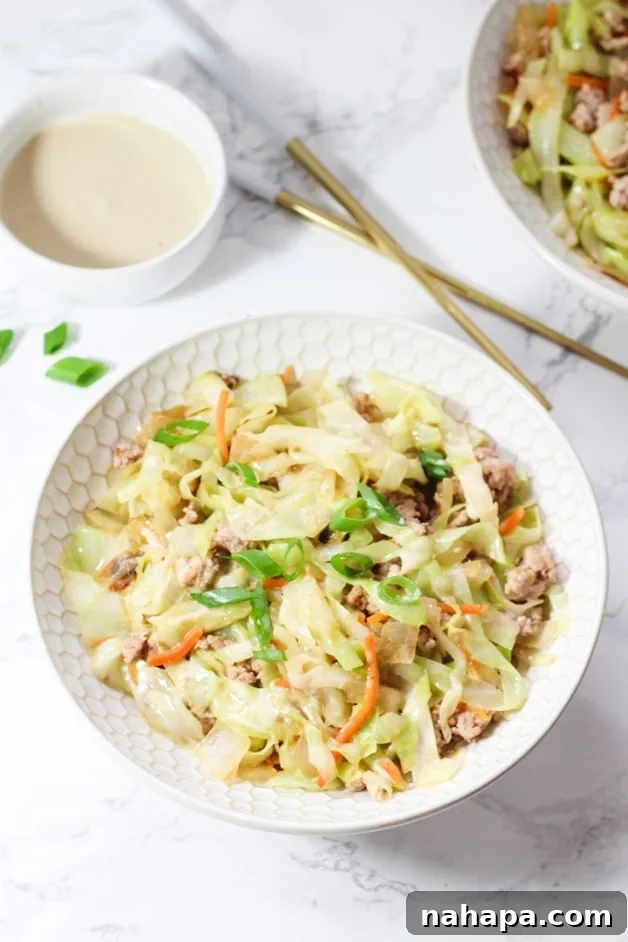
- Egg Roll in a Bowl: This deconstructed classic offers all the savory flavors of an egg roll without the wrapper, making it a quick, flavorful, and incredibly satisfying meal that my husband and I both adore.
The goal is to expand your culinary repertoire with dishes that bridge the gap between your dietary needs and your partner’s preferences, turning shared meals into moments of connection rather than sources of stress.
5. Use the “Layering Method” for Meals That You Share
The “layering method” is an ingenious strategy for preparing meals that cater to different dietary needs without having to cook entirely separate dishes. It’s a fantastic way to ensure both partners feel satisfied and enjoy their meal, minimizing kitchen effort and maximizing shared enjoyment. Essentially, you start with a delicious, naturally compliant base that works for your Paleo or AIP diet, and then allow your significant other to add non-compliant extras to their portion.
This approach transforms a potentially restrictive meal into a versatile one. For instance, consider making a hearty AIP Instant Pot Chili. This rich, flavorful base is perfect for my diet. For Daniel, we might add a generous sprinkle of good quality shredded cheese and a side of his favorite tortilla chips. Another excellent example is a taco night: prepare a base of seasoned ground meat or plant-based protein, compliant salsa, and shredded lettuce. For me, it’s a delicious taco bowl with avocado. For Daniel, he can add corn tortillas, sour cream, and additional toppings that I avoid. Similarly, for a Buddha bowl, you can have a base of roasted vegetables and a protein source, and your partner can add grains like quinoa or rice, different sauces, or cheeses.
This method not only simplifies meal preparation but also creates a sense of inclusivity. Both partners are eating essentially the same meal, but customized to their individual preferences. My husband and I frequently employ this strategy with a myriad of different meals, from stir-fries to salads, and we are consistently delighted with the delicious and satisfying outcomes. It’s a testament to how small adjustments can lead to big improvements in shared dining experiences.
6. Plan for Eating Out and Social Events
Dining out and attending social gatherings can often be the most challenging aspects of maintaining a specific diet while having a non-compliant partner. However, with a little foresight and planning, these occasions can still be enjoyable and stress-free for both of you. The key is to approach these situations as a team, with mutual understanding and preparation.
Before dining out, research restaurants that offer options suitable for your diet. Many establishments now highlight gluten-free, dairy-free, or specific allergen-friendly dishes on their menus. Don’t hesitate to call ahead and speak with the chef or manager about your dietary needs. This proactive step can prevent awkward situations and ensure you have a safe and delicious meal. When ordering, be clear and confident about your restrictions; your partner can support you by reiterating these needs to the server if necessary.
For social events like parties or family dinners, communication is paramount. If you’re comfortable, inform the host about your dietary restrictions in advance, perhaps even offering to bring a compliant dish to share. This ensures you have something safe to eat and can introduce others to delicious Paleo or AIP-friendly foods. Your partner can play a crucial role here by helping to communicate your needs to others, diverting well-meaning but misguided attempts to offer you non-compliant foods, or simply ensuring there’s a safe space for you to enjoy your meal.
Another helpful tip for social gatherings is to eat a small, compliant snack beforehand so you’re not ravenous upon arrival. This reduces the temptation to eat something you shouldn’t. Remember, the goal of these events is connection and enjoyment, not solely food. Focus on the company and the experience, allowing your partner to enjoy their choices without guilt, and you to maintain your health goals without feeling deprived.
7. Shop for Better Quality Versions of Their Favorites
Even if your partner isn’t following a strict Paleo or AIP diet, that doesn’t mean they have to subsist on highly processed, low-quality foods. One incredibly supportive step you can take is to gently guide them towards better-quality versions of their favorite treats and staples. This benefits everyone in the household, contributing to a generally healthier eating environment and reducing overall exposure to harmful additives and inflammatory ingredients. Regardless of what your spouse ultimately chooses to eat, I always advocate for sourcing the highest quality versions available.
Making these upgrades doesn’t mean sacrificing enjoyment; it means making smarter, more conscious choices. It’s about finding brands that prioritize real ingredients, minimize sugar, and avoid artificial flavors or preservatives. These small changes can have a cumulative positive impact on overall health, even for those who don’t experience immediate adverse reactions to “junk food.” It also creates a cohesive philosophy around food quality in your home, even if the specific dietary rules differ.
Here are some of my favorite high-quality alternatives that I like to get for Daniel, which offer a healthier twist on common favorites:
- Primal Kitchen Mayo: Made with avocado oil and free from inflammatory seed oils, this is a fantastic upgrade from traditional mayonnaise.
- Rice Pasta: For those who enjoy pasta but avoid gluten, rice pasta offers a good texture and flavor alternative for many dishes.
- Jackson’s Honest Tortilla Chips: Cooked in coconut oil, these chips are a much healthier option than those fried in vegetable oils.
- Siete Tortillas: Made from almond flour, cassava, or other grain-free ingredients, Siete offers delicious tortillas that are a great alternative to corn or wheat.
- Sourdough or Sprouted Bread: If occasional gluten is acceptable for your partner and you can manage cross-contamination, sourdough or sprouted grain breads are often easier to digest and more nutrient-dense than conventional white bread.
- Coconut Milk Ice Cream: A delightful dairy-free alternative that can satisfy sweet cravings with wholesome ingredients.
- Simple Mills Crackers: These crackers are made with almond flour and other simple ingredients, offering a healthier crunch than most highly processed cracker brands.
- Grass-Fed Cheese and Milk: For dairy consumers, opting for grass-fed varieties ensures better nutrient profiles and often a more ethical sourcing.
By making these conscious choices, you’re not only supporting your partner’s health indirectly but also reinforcing the value of quality ingredients in your shared home.
8. Explore Ways to Spend Time Together That Don’t Revolve Around Food
While sharing meals is undoubtedly a beautiful way to connect, it’s crucial to remember that a fulfilling relationship thrives on a multitude of shared experiences beyond just food. If food has become a point of contention or a source of stress due to differing diets, consciously exploring alternative activities can significantly strengthen your bond and reduce pressure around meal times. This approach shifts the focus from what you *can’t* eat together to all the wonderful things you *can* do together.
Think about activities that foster conversation, create lasting memories, or allow you to pursue common interests. This diversification of shared time ensures that food limitations don’t overshadow the joy of your partnership. It opens up opportunities to discover new hobbies together, challenge yourselves, or simply relax in each other’s company without the complexities of dietary considerations.
Here are some of our favorite ways to spend quality time together that don’t primarily revolve around food:
- Going to the Movies: A classic date night! You can bring your own compliant snacks, and your partner can enjoy their preferred movie treats without any fuss.
- Having Movie Night at Home with a Shared Meal: Instead of focusing on dining out, create a cozy atmosphere at home. This allows for greater control over food preparation using methods like the “layering method” or enjoying a compliant meal you both love.
- Hiking or Exploring Nature Trails: Engaging in outdoor activities is a fantastic way to get active, enjoy fresh air, and have conversations in a beautiful setting.
- Shopping (for fun, not just groceries!): Whether it’s browsing bookstores, visiting local boutiques, or exploring a new market (avoiding food stalls if sensitive), shopping together can be a lighthearted and enjoyable experience.
- Bowling or Other Recreational Sports: Engaging in friendly competition or simply having fun with a low-impact sport can be a great stress reliever and a source of laughter.
- Visiting Museums or Art Galleries: Immerse yourselves in culture and intellectual curiosity, sparking engaging discussions and new perspectives.
- Learning a New Skill Together: Take a pottery class, try painting, or learn a musical instrument. Shared learning experiences can be incredibly bonding.
- Volunteering for a Cause: Giving back to the community together can be deeply fulfilling and strengthen your shared values.
By actively seeking out and embracing these non-food-centric activities, you ensure that your relationship remains vibrant and well-rounded, reinforcing that your connection is built on far more than just what’s on your plates. It’s about prioritizing intimacy, mutual interests, and the joy of simply being together.
Relationships, in their myriad forms and capacities, present unique challenges. The journey of navigating dietary differences with a loving partner is just one facet of that beautiful complexity. I sincerely hope that these practical tips offer valuable guidance and inspiration on the food front, helping you and your significant other create a harmonious and supportive environment where both your health and your relationship can truly flourish.