
In the vast and evolving landscape of holistic health, the profound significance of our gut health has become undeniably clear. It’s far more than just a digestive organ; it’s a central pillar supporting our entire physiological well-being, influencing everything from our immune system and weight management to our emotional state and cognitive function. For many, including those who have navigated the complexities of autoimmune conditions like Hashimoto’s, the intricate connection between gut health and systemic disease is a personal revelation. The development of increased intestinal permeability, often referred to as ‘leaky gut,’ is now recognized as a critical trigger for autoimmune responses and a key factor in driving chronic inflammation throughout the body. Within the framework of holistic healing and approaches like the Autoimmune Protocol (AIP), healing the gut is not merely an option but a foundational imperative for achieving true wellness.
Yet, despite dedicated efforts—adhering to strict diets, consuming nutrient-rich bone broth, incorporating a myriad of supplements, and embracing lifestyle changes—a persistent frustration often emerges: “Why isn’t my gut healing?” This question resonates deeply with countless individuals who continue to grapple with uncomfortable symptoms such as bloating, skin issues like acne, or an intuitive sense that something fundamentally remains ‘off’ within their digestive system. If this sounds familiar, please know this: **You are absolutely not alone in this journey.**
The reality is, gut health is profoundly intricate. We often fall into the trap of oversimplifying its complexities, making the journey to understanding, addressing, and ultimately resolving gut issues incredibly challenging. It demands patience, persistence, and a multi-faceted approach. If you’ve diligently undertaken extensive healing protocols for months, only to find yourself still contending with stubborn gut problems, it’s time to look deeper. Here, we uncover five less obvious, yet incredibly common, reasons why your gut might still be struggling to heal, offering insights and actionable steps to help you move forward.

Before delving into these crucial points, it’s paramount to emphasize a critical disclaimer: navigating complex health concerns, especially those related to gut health, demands professional guidance. Collaborating with a qualified healthcare provider—be it a medical doctor, functional medicine practitioner, or naturopath—is an indispensable step for accurately diagnosing underlying issues and developing a safe, effective, and personalized healing strategy. The information presented here is for educational purposes only and should not be construed as medical advice. Always consult with a healthcare professional before making any changes to your health regimen.
1. You Have Low Stomach Acid or Enzymes
The ongoing discourse surrounding stomach acid often leads to misconceptions, with many incorrectly believing that stomach acid is inherently detrimental. The truth is quite the opposite: robust stomach acid (hydrochloric acid, HCl) and sufficient digestive enzymes are absolutely essential for optimal health, acting as the first line of defense in our digestive process. Their primary role is to effectively break down the food we consume, particularly proteins and fats, into smaller, absorbable components. When stomach acid levels are inadequate or enzyme production is compromised, food remains undigested, creating a cascade of problems down the digestive tract.
Imagine consuming a piece of steak that hasn’t been properly broken down in the stomach. This large, undigested mass then attempts to traverse the small intestine, whose delicate lining is remarkably thin and vulnerable. Such an onslaught can cause significant mechanical damage, irritation, and inflammation to the intestinal wall, actively hindering its ability to heal from any pre-existing permeability or damage. Furthermore, insufficient stomach acid creates an environment conducive to the overgrowth of pathogenic bacteria and parasites, as the natural acidic barrier that normally sterilizes ingested food is weakened.
How do you know your stomach acid is too low?
- Acid reflux or heartburn: Ironically, low stomach acid can cause reflux. When stomach acid is too weak, the lower esophageal sphincter (LES) may not receive the signal to close tightly, allowing even small amounts of acid to splash back into the esophagus. Additionally, undigested food fermenting in the stomach can create gas and pressure, pushing stomach contents upwards.
- Belching or burping after meals: Excessive belching indicates fermentation of undigested food in the stomach, producing gas.
- Feeling not hungry in the morning: This can be a sign of slow gastric emptying, often linked to inefficient digestion from low acid.
- Stomach pains, discomfort, or nausea after eating: These symptoms can arise from the irritation caused by undigested food sitting in the stomach or fermenting.
- Still feeling hungry or unsatisfied after you just ate: Even if you’ve consumed a full meal, if nutrients aren’t properly broken down and absorbed, your body can send signals of continued hunger.
Low stomach acid is an incredibly prevalent issue, often underestimated in its impact on overall health. In many clinical settings, practitioners observe a high incidence of patients struggling with this fundamental digestive impairment. Adequate stomach acid is not just about comfort; it’s a prerequisite for nutrient absorption, immune defense, and ultimately, for allowing the gut lining to repair and restore itself.
What do you do?
- Eat in a relaxed state: Our digestive system operates optimally when our body is in a parasympathetic, “rest and digest” state. Stress (sympathetic state) diverts blood flow away from the digestive organs and inhibits acid production. Practice mindful eating, take deep breaths before meals, and create a calm environment.
- Chew your food thoroughly (30-40 times per bite): Mechanical digestion is the first step. Chewing adequately breaks down food particles, increasing their surface area for enzyme action, and signals the stomach to prepare for digestion by releasing acid and enzymes.
- Supplement with Betaine HCL or digestive enzymes: Under professional guidance, supplementing with Betaine HCL can help restore stomach acidity, while broad-spectrum digestive enzymes can assist with breaking down proteins, fats, and carbohydrates. Start with low doses and monitor your body’s response.
- Drink diluted apple cider vinegar (ACV) before meals: A tablespoon of raw, unfiltered ACV diluted in a small amount of water 15-20 minutes before meals can help to naturally stimulate stomach acid production.
2. You’re Not Digesting Fats
As society slowly moves beyond the pervasive low-fat dietary dogma of past decades and embraces the critical role of healthy fats, a new challenge has emerged: the inability for many to effectively digest these crucial macronutrients. Fat digestion is a complex process, heavily reliant on the proper functioning of the gallbladder and the quality of bile it produces.
The gallbladder’s primary role is to store and concentrate bile, a greenish-yellow fluid produced by the liver. Upon sensing fat in the small intestine, the gallbladder contracts, releasing bile to emulsify fats, breaking them down into smaller droplets that digestive enzymes can then further process. Bile itself is composed of water, bile salts, cholesterol, and other substances, and its quality is highly susceptible to dietary influences. A history of consuming a low-fat diet can lead to bile stagnation, as the gallbladder isn’t stimulated to contract regularly. Conversely, a diet rich in poor-quality fats can damage bile composition. “Poor quality fats” encompass a wide range of culprits, from highly processed industrial seed oils like canola, soy, and corn oil, to hydrogenated fats like margarine, and fats derived from conventionally raised animals (e.g., non-pastured chicken or eggs) that are high in inflammatory omega-6 fatty acids. Even frequent meals out, often prepared with these unhealthy oils, can cumulatively impact bile health and the liver’s capacity to process toxins and produce high-quality bile.
When bile quality deteriorates, or if the gallbladder is underperforming due to stress on the liver, the emulsification process is compromised. This results in fats becoming rancid in the stomach and small intestine, rather than being properly digested. Rancid fats are highly inflammatory and toxic; they directly damage the delicate intestinal lining, contributing to increased permeability and creating an environment ripe for dysbiosis and ongoing gut issues. The constant exposure to these irritants perpetuates inflammation and actively prevents the gut from healing.
How do you know you’re not digesting fats?
- Nausea when eating fats (even good fats): This is a strong indicator that your body is struggling to process fats, leading to discomfort.
- Pain or discomfort under your right rib cage: This is the approximate location of the gallbladder and liver, and discomfort here can signal issues with bile flow or gallbladder function.
- Shiny, greasy, or floating stool: Undigested fats in the stool make it appear greasy and often cause it to float, a condition known as steatorrhea.
- Green stool: Rapid transit of bile through the digestive system without proper reabsorption can result in green-tinged stool.
- Pale or clay-colored stool: A lack of bile in the stool can cause it to lose its typical brown color.
For many, including the author, issues with fat digestion and gallbladder health can be profound, sometimes with a hereditary component. Traditional Chinese medicine often associates the gallbladder with holding emotions like fear, suggesting a deep mind-body connection that underscores the complexity of this organ’s health. Addressing fat digestion is therefore a critical and often overlooked step in comprehensive gut healing.
What do you do?
- Ensure sufficient stomach acid: This is a crucial first step, as adequate stomach acidity (low pH) in the duodenum is what primarily signals the gallbladder to release bile. Without proper acid, bile release may not be triggered effectively.
- Take a bile salt or bile support supplement: Under professional guidance, targeted supplements containing bile salts (e.g., ox bile) or herbs that support bile production and flow (e.g., dandelion, milk thistle) can be highly beneficial.
- Consume high-quality fats in moderation: Prioritize healthy fats such as avocado, olive oil, coconut oil, ghee, and fats from pastured animal sources. Introduce them slowly and in amounts your body can tolerate while healing.
- Don’t be afraid to incorporate higher carbs from vegetables while healing: While focusing on fats is important, a temporary increase in easily digestible carbohydrates from starchy vegetables can reduce the immediate burden on fat digestion, allowing your system to recover.
- Eat bitter greens and beets: These foods are natural cholagogues (promote bile flow) and choleretics (stimulate bile production). Incorporate arugula, radicchio, endive, and beets into your diet regularly.
- Utilize castor oil packs: A traditional holistic remedy, castor oil packs applied over the liver/gallbladder area can help improve circulation, reduce inflammation, and support detoxification and bile flow. (My personal favorite “crunchy” tip!)
- Work with a doctor or naturopath: Given the complexity of gallbladder and liver function, professional guidance is absolutely necessary for accurate diagnosis and personalized treatment, especially if symptoms are severe or persistent.
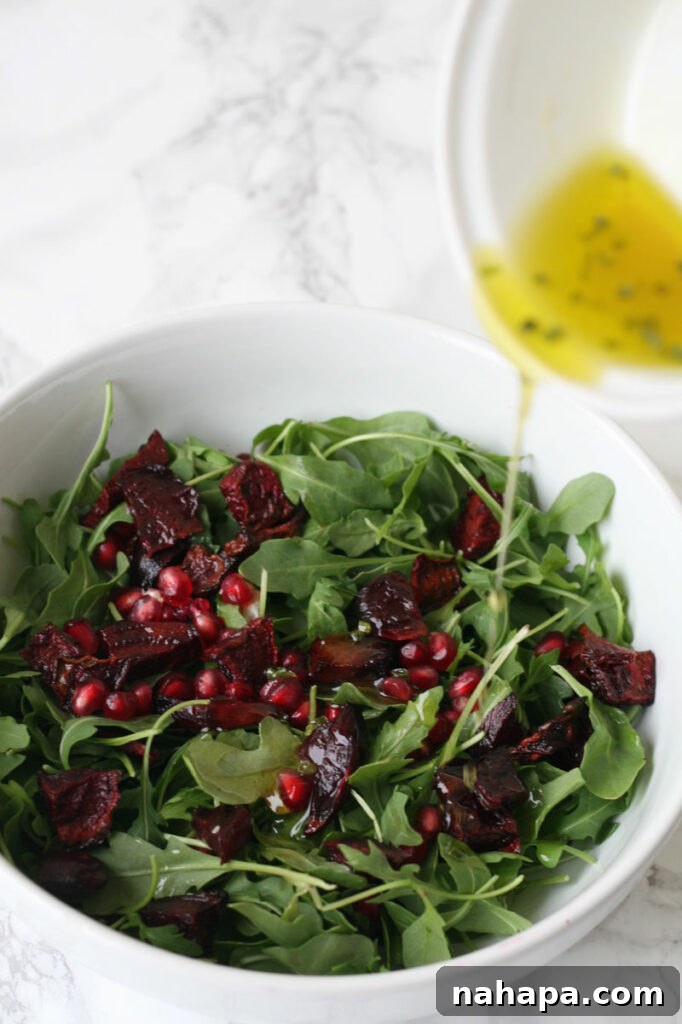
When focusing on healing foods, the Pomegranate Beet Salad is an excellent example of a delicious dish that actively supports fat digestion. It combines the choleretic properties of beets with the bitter compounds found in leafy greens, all enhanced by a healthy, homemade olive oil-based dressing. Such meals are not just tasty but strategically beneficial for your gut.
3. You Have An Underlying Infection, Overgrowth, Or Imbalance
The gut microbiome is a complex ecosystem, and its delicate balance can be easily disrupted by various invaders or overgrowths. Parasites, co-infections, and bacterial or fungal overgrowths are not rare exotic ailments confined to developing countries. They are very real, surprisingly common, and can profoundly impede gut healing, even in seemingly clean and healthy individuals. You don’t need to venture into remote wilderness and consume raw, contaminated food to contract a parasite; these can be acquired through poorly handled or undercooked food, contaminated water, contact with pets, or even through compromised immune function allowing opportunistic organisms to take hold. Similarly, bacterial imbalances and infections can arise from a myriad of sources, often without obvious symptoms in their early stages.
These underlying issues can wreak havoc on the gut lining, trigger inflammatory responses, interfere with nutrient absorption, and alter gut motility, all contributing to a persistent ‘leaky gut’ and overall digestive dysfunction.
What kind of infection, overgrowth, or imbalance may you have?
- A Parasite: Ranging from microscopic protozoa (e.g., Giardia, Blastocystis hominis) to larger worms, parasites can cause chronic inflammation, nutrient malabsorption, and immune system dysregulation.
- Small Intestinal Bacterial Overgrowth (SIBO): An excessive amount of bacteria, particularly those typically found in the colon, migrating into the small intestine. These bacteria ferment carbohydrates, producing gas, bloating, pain, and can damage the small intestinal lining.
- Candida Overgrowth: An overgrowth of the yeast Candida albicans, a common inhabitant of the gut. When it proliferates excessively, it can produce toxins, damage the gut barrier, and lead to systemic symptoms beyond the gut.
- Epstein-Barr Virus (EBV): While not strictly a gut infection, chronic or reactivated EBV can significantly impact the immune system and has been implicated in chronic fatigue and autoimmune conditions, often exacerbating gut dysfunction.
- Other pathogenic bacteria: Such as H. pylori (linked to ulcers and stomach cancer), C. difficile, or various strains of Salmonella or Shigella, which can cause acute or chronic digestive issues.
How do you know you have one?
- Persistent bloating and gas: Especially after meals, indicating excessive fermentation.
- Intolerance to certain carbohydrates or vegetables: Foods rich in fermentable fibers (FODMAPs) may trigger severe symptoms in individuals with SIBO or dysbiosis.
- Reoccurring diarrhea or constipation (or alternating): Inconsistent bowel movements are a common sign of gut dysregulation.
- Elevated White Blood Cell (WBC) count: In some cases, a persistent elevation of certain WBC types (e.g., eosinophils for parasites) on a standard blood test can indicate an underlying infection or inflammatory process.
- Chronic fatigue, brain fog, skin issues, joint pain: These systemic symptoms often accompany gut infections due to inflammation and toxin production.
This list merely scratches the surface, as each specific infection or overgrowth comes with its own nuanced set of symptoms. For instance, an elevated enzyme called beta-glucuronidase in lab tests, as experienced by the author, might point to bacterial imbalances impacting hormone detoxification. Whether it’s SIBO, Candida, EBV, or a parasite, accurate identification is the first step toward effective treatment. The most crucial action you can take is to seek professional help for proper diagnosis.
What do you do?
- Work with a doctor or functional medicine practitioner: This is undeniably the most critical step. Self-diagnosing and self-treating infections can be ineffective or even harmful. A skilled practitioner can identify the root cause and guide you through appropriate protocols.
- Run specialized labs like comprehensive stool tests and breath tests:
- Comprehensive Stool Tests (e.g., GI-MAP, stool culture): While often unpleasant to collect, these tests are invaluable. They can identify parasites, pathogenic bacteria, yeast overgrowth, markers of inflammation, digestive enzyme sufficiency, and imbalances in the gut microbiome.
- Breath Tests (e.g., SIBO breath test): These tests measure gases like hydrogen and methane produced by bacteria in the small intestine, providing a diagnosis for SIBO.
- Blood tests: Certain markers for specific infections (e.g., H. pylori antibodies), inflammatory markers (CRP, ESR), or nutrient deficiencies can also offer clues.
- Follow targeted treatment protocols: Once diagnosed, a practitioner can prescribe specific antimicrobial herbs, medications, or dietary changes (e.g., low-FODMAP diet for SIBO) to eradicate the overgrowth and rebalance the gut flora.
4. You’re Not Focusing on Nutrient Density
The initial phase of gut healing often centers on elimination—cutting out inflammatory foods like gluten, dairy, sugar, and processed items. While this is an absolutely essential first step in removing irritants and creating a conducive environment for healing, it is crucial to understand that simply *removing* problematic foods does not inherently *heal* anything. True healing and repair require an abundant supply of the right building blocks. If your focus remains solely on what you’re *not* eating, you risk neglecting the vital importance of what you *are* consuming: nutrient-dense foods.
The gut lining, digestive enzymes, immune cells, and even neurotransmitters produced in the gut all require a steady and robust supply of vitamins, minerals, amino acids, and healthy fats for their construction, repair, and optimal function. A diet that is merely “clean” but not rich in essential nutrients will leave your body scrambling for resources, impeding its ability to rebuild and restore the delicate gut barrier, produce necessary digestive secretions, and maintain a balanced microbiome. Focusing on nutrient density means consciously choosing foods that provide a maximum amount of nutrition per calorie, ensuring your body has everything it needs to drive the healing process forward.
How do you know you’re not getting enough nutrients?
- Feeling hungry shortly after meals: If your body isn’t receiving adequate nutrients, even if your stomach is full, it will signal continued hunger.
- Not feeling satisfied or energized after eating: A nutrient-poor meal might fill you up but won’t provide the sustained energy and satiety that comes from proper nourishment.
- Experiencing persistent cravings (especially for sugar or unhealthy foods): Cravings can often be a sign that your body is seeking quick energy or specific nutrients it’s lacking.
- Hair loss, brittle nails, dull skin: These are common external indicators of internal nutritional deficiencies.
- Low energy levels or chronic fatigue: Without sufficient nutrients, your body cannot produce energy efficiently.
What do you eat for optimal nutrient density?
- Bone broth: A powerhouse for gut healing, rich in collagen, gelatin, and amino acids (like glutamine) that directly support the repair and integrity of the intestinal lining. It also provides essential minerals in an easily absorbable form.
- Fermented foods: Sauerkraut, kimchi, kombucha, and kefir (if tolerated) introduce beneficial probiotics, diversify the gut microbiome, and produce short-chain fatty acids (SCFAs) like butyrate, which nourish gut cells and reduce inflammation.
- Organic vegetables: A wide array of colorful, organic vegetables provides crucial vitamins, minerals, antioxidants, and fiber. Fiber acts as a prebiotic, feeding beneficial gut bacteria and supporting healthy bowel movements.
- Fruits in moderation: While mindful of sugar content, fruits offer valuable vitamins, minerals, and antioxidants. Berries and low-sugar fruits are often good choices for healing guts.
- Pastured meats: Sourcing meats from animals raised on pasture ensures higher nutrient content, a healthier fatty acid profile (more omega-3s), and avoids hormones and antibiotics often found in conventionally raised animals. They provide complete proteins essential for tissue repair.
- Wild-caught fish: Excellent sources of anti-inflammatory Omega-3 fatty acids (EPA and DHA), crucial for reducing inflammation and supporting overall cellular health. They also provide high-quality protein and micronutrients.
- Healthy fats: Include avocados, coconut oil, olive oil, and high-quality animal fats (from pastured sources). These fats are vital for cell membrane integrity, hormone production, and nutrient absorption (especially fat-soluble vitamins).

For a delicious, nutrient-dense recipe packed with gut-healing Omega-3s and other healthy fats, consider making these AIP Salmon Patties! They offer a fantastic way to incorporate vital nutrients into your healing diet.
5. You’re Too Stressed
In our modern, fast-paced world, the concept of stress often conjures images of demanding jobs or financial worries. However, mental and emotional stress, even that which seems minor or is deeply internalized, can exert a profound and often underestimated physical toll on the body, impacting gut health just as significantly as inflammatory foods like sugar or gluten. The intricate connection between our brain and gut, known as the gut-brain axis, ensures that psychological stress directly translates into physiological changes within the digestive system.
When the body perceives stress, it activates the “fight or flight” response, releasing stress hormones like cortisol. Chronically elevated cortisol levels have a detrimental effect on the gut lining, compromising its integrity and actively inhibiting its ability to heal. This can exacerbate or initiate ‘leaky gut,’ allowing undigested food particles, toxins, and microbes to enter the bloodstream, triggering systemic inflammation and autoimmune responses. Furthermore, being in a constant state of stress interferes with essential digestive processes, including the production of stomach acid and digestive enzymes, and alters gut motility, leading to issues like constipation or diarrhea. The sympathetic nervous system, dominant during stress, diverts blood flow away from the digestive organs, further hampering their function, whereas the parasympathetic “rest and digest” system is crucial for optimal digestion and healing.
Measuring stress levels can be particularly challenging because stress is highly subjective and dynamic. What one person perceives as manageable, another might find overwhelming. Moreover, stress markers aren’t typically visible on standard blood tests, making it difficult to objectively quantify. The insidious nature of chronic stress means it can slowly erode health without obvious, immediate symptoms, making it one of the hardest factors to identify and address in the healing journey.
What do you do?
- Form a support system and seek out social connection: Humans are social creatures, and genuine connection can significantly buffer the effects of stress. Reach out to friends, family, or join support groups (like AIP support groups in your area) to share experiences and reduce feelings of isolation.
- Be honest about the stress in your life and address it directly: Self-awareness is key. Identify your major stressors—whether they are work-related, relationship issues, financial burdens, or even internal perfectionism—and actively brainstorm strategies to mitigate or remove them. Setting boundaries, learning to say no, or seeking professional help (therapy, coaching) can be transformative.
- Look for “low-hanging fruit” to eliminate stress: Are there small, manageable changes you can make immediately? This could involve delegating tasks, simplifying your schedule, reducing screen time, or organizing your physical space to reduce daily friction.
- Take dedicated time for yourself every single week: Prioritize self-care not as a luxury, but as a non-negotiable part of your healing regimen. This “me time” should be restorative and enjoyable, allowing your nervous system to switch into a relaxed state.
- Form a hobby that helps to de-stress and practice it regularly: Engaging in activities that bring you joy and allow for mindful presence can significantly reduce stress. Examples include yoga, meditation, reading, spending time in nature (evening walks), gardening, creative arts, or playing a musical instrument. Consistency is vital.
- Practice gratitude and mindfulness, regardless of hard times: Cultivating an attitude of gratitude has profound neurochemical benefits, shifting your focus from what’s lacking to what’s abundant. Prayer or mindful reflection can foster a sense of peace and resilience, helping to regulate the nervous system and promote a healing environment within the body. Being grateful for your circumstances, even amidst challenges, is one of the most powerful tools you possess for your overall health and well-being.