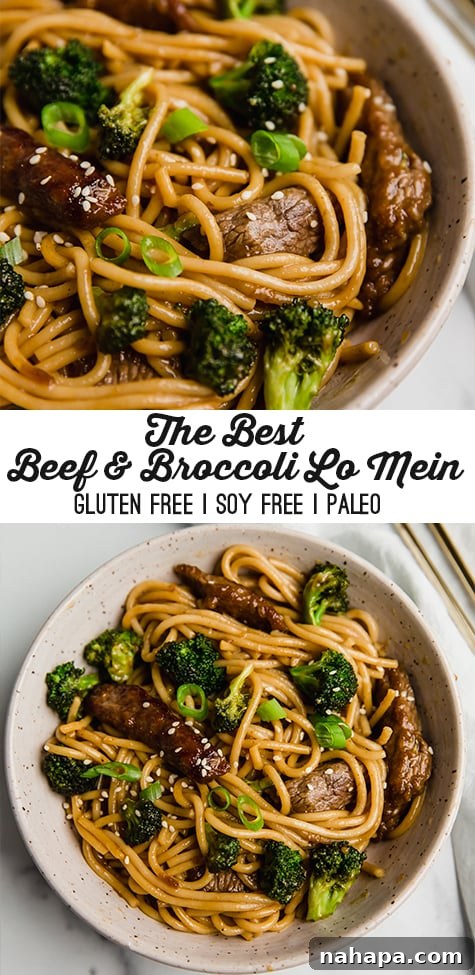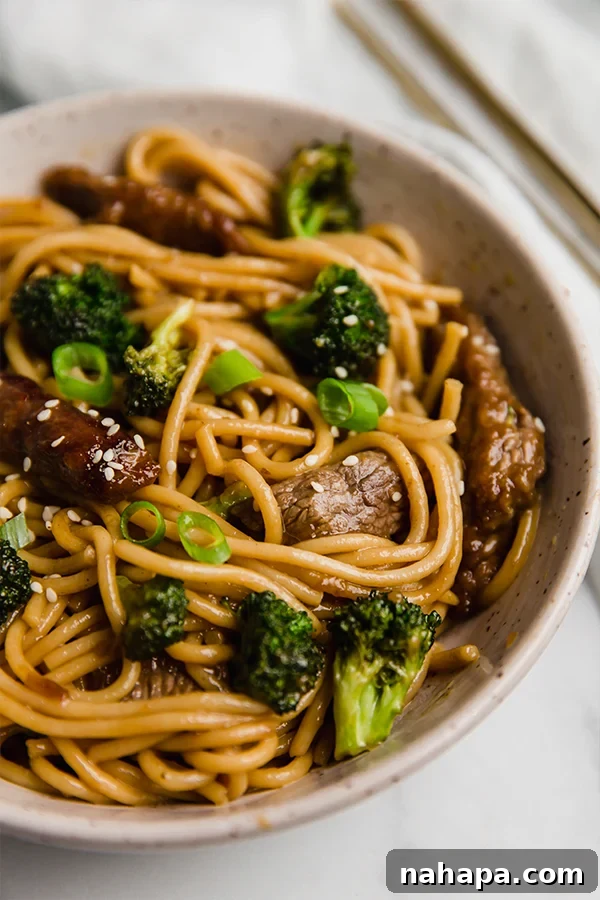
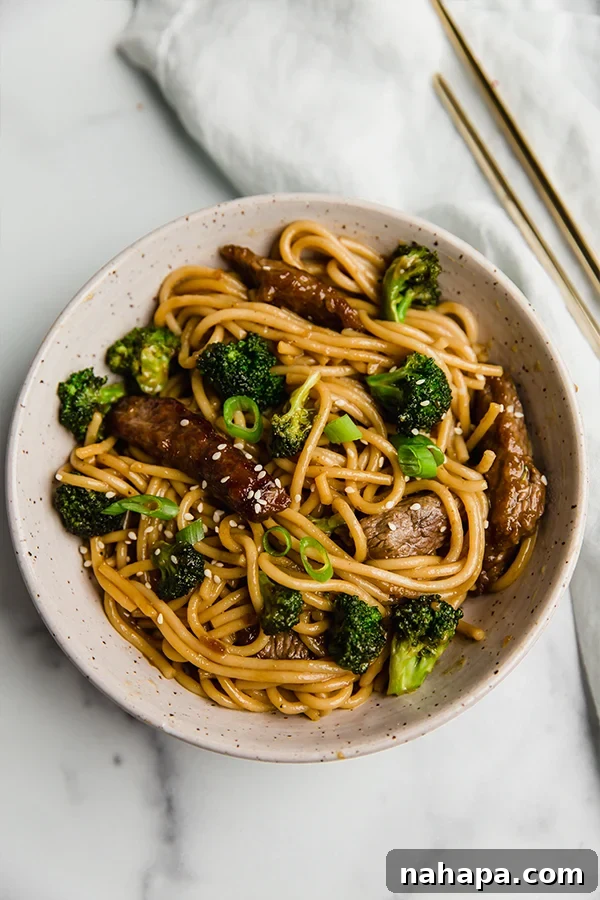
Craving the comforting flavors of your favorite takeout but seeking a healthier, allergen-friendly option? Look no further! This incredible **Gluten-Free Beef and Broccoli Lo Mein** recipe delivers all the savory satisfaction you desire, meticulously crafted for a modern, health-conscious kitchen. It’s a truly simple, yet profoundly delicious, one-pan meal that effortlessly fits into a variety of dietary needs, including being easily adaptable to be grain-free, paleo, and even AIP (Autoimmune Protocol) friendly.
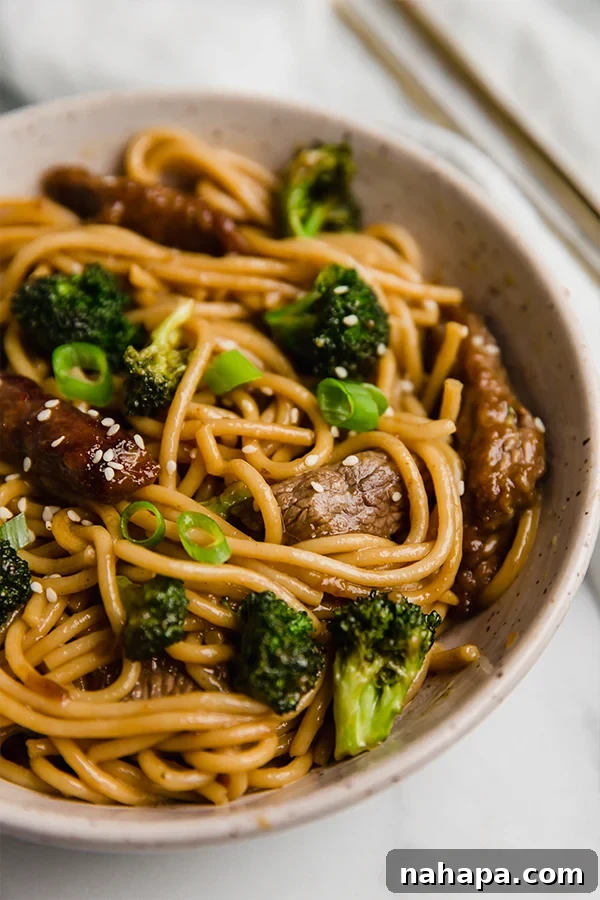
What Exactly is Lo Mein? Unpacking a Chinese Takeout Classic
Lo Mein is a beloved staple of Chinese-American cuisine, a delightful dish renowned for its characteristic egg noodles, vibrant vegetables, and a choice of protein, often chicken, beef, or shrimp. The term “lo mein” itself translates to “tossed noodles,” which perfectly describes the cooking method – fresh noodles are gently tossed with a rich, savory sauce, tender protein, and crisp-tender vegetables. It’s a culinary canvas, incredibly versatile, allowing for endless variations to suit any palate or dietary preference.
Traditionally, lo mein is made with wheat-based egg noodles and a soy sauce-heavy base. While undeniably delicious, this conventional preparation often contains gluten and soy, which can be problematic for individuals with sensitivities or specific dietary guidelines. This recipe, however, reimagines the classic, offering a completely gluten-free and soy-free rendition, opening up this comforting dish to a wider audience. Moreover, with simple adjustments, it can seamlessly align with paleo and AIP principles, proving that healthy eating doesn’t mean sacrificing flavor or tradition.
Does Traditional Lo Mein Contain Gluten? Understanding the Allergen Factor
Yes, traditional lo mein, as commonly found in restaurants and packaged varieties, absolutely contains gluten. The two primary sources of gluten in this dish are the noodles themselves and the sauce. Most lo mein noodles are made from wheat flour, a major source of gluten. Additionally, the ubiquitous soy sauce, which forms the foundation of most lo mein sauces, is also wheat-based (unless specifically labeled “tamari” or “gluten-free soy sauce”). For those managing celiac disease, gluten sensitivity, or adhering to a grain-free diet, these components make traditional lo mein off-limits. Our innovative recipe meticulously addresses these concerns, substituting conventional ingredients with gluten-free alternatives to ensure a safe and equally flavorful dining experience.
Why This Gluten-Free Beef and Broccoli Lo Mein Will Become Your New Favorite
This isn’t just another recipe; it’s a culinary revelation designed to bring joy and ease to your kitchen. Here are compelling reasons why this Gluten-Free Beef and Broccoli Lo Mein is bound to become a regular in your meal rotation:
- Unparalleled Comfort and Flavor: Imagine sinking your teeth into perfectly cooked noodles, succulent beef, and vibrant broccoli, all coated in a deeply savory, umami-rich sauce. This dish embodies the essence of comfort food, offering a harmonious blend of classic Asian-inspired flavors that are both incredibly satisfying and deliciously familiar. The slightly sweet, tangy, and garlicky sauce, combined with tender beef and crisp broccoli, creates a flavor profile that truly sings.
- Remarkably Filling and Balanced: Beyond its fantastic taste, this recipe is designed to be a complete and nutritious meal. It boasts a substantial portion of lean protein from the sirloin steak, essential complex carbohydrates from gluten-free pasta, and a generous dose of fiber and vitamins from the fresh broccoli. This balanced macronutrient profile ensures you feel satiated and energized, making it an ideal choice for a wholesome dinner that supports a healthy lifestyle.
- Dietary Inclusivity for All: One of the standout features of this lo mein is its incredible adaptability. While inherently gluten-free, it can also be made entirely grain-free, paleo, and AIP-friendly with simple substitutions, making it a fantastic option for households with diverse dietary needs or for those navigating specific health protocols. It removes the stress of finding compliant takeout options and empowers you to create delicious meals at home that everyone can enjoy.
- The Magic of a One-Pan Meal: Who doesn’t love minimal cleanup? This recipe lives up to its “one-pan” promise, significantly reducing the amount of washing up after dinner. From searing the beef to tossing the noodles in the sauce, everything comes together in a single skillet, streamlining your cooking process and freeing up precious time.
- Quick and Easy Weeknight Solution: Designed with efficiency in mind, this lo mein is perfect for busy weeknights when you need a delicious and nutritious meal on the table fast. With a prep time of just 10 minutes and a cook time of 25 minutes, you can whip up a gourmet-quality meal in under 40 minutes, easily rivaling the speed of ordering takeout.
Essential Ingredients for Your Gluten-Free Lo Mein Masterpiece
Crafting this exceptional lo mein starts with selecting the right ingredients. Each component plays a vital role in achieving that authentic flavor and texture while adhering to gluten-free and other dietary needs:
- Gluten-Free Spaghetti: This is your foundation! To achieve the classic lo mein noodle texture without gluten, we opt for gluten-free spaghetti. Brands like Jovial Foods offer excellent brown rice spaghetti, which provides a satisfying chewiness. For those following a paleo or AIP diet, Jovial’s cassava pasta is a fantastic grain-free and autoimmune-friendly alternative that holds up beautifully in this dish. Always check labels to ensure your chosen pasta is certified gluten-free.
- Sliced Sirloin Steak: Sirloin is an excellent choice for its balance of tenderness and flavor. Slice it thinly against the grain to ensure each piece is melt-in-your-mouth tender. Other great beef cuts include flank steak or NY strip steak. If you’re looking for an even quicker or more budget-friendly option, ground beef can also be used, though it will alter the texture of the dish slightly, creating a more “ramen bowl” style experience.
- Broccoli Florets: Fresh broccoli adds a wonderful crisp-tender texture, vibrant color, and a boost of nutrients to the dish. We recommend using fresh florets for the best results, ensuring they are cut into bite-sized pieces for even cooking.
- The Allergen-Friendly Sauce Base (Coconut Aminos, Apple Cider Vinegar, etc.):
- Coconut Aminos: This is the superstar soy-free alternative to traditional soy sauce. It provides a rich, umami depth with a subtle sweetness, crucial for recreating that authentic lo mein flavor without any soy.
- Apple Cider Vinegar: A touch of ACV adds a bright, tangy note that balances the sweetness of the coconut aminos and cuts through the richness of the beef, enhancing the overall flavor complexity.
- Coconut Sugar: Used sparingly, coconut sugar provides a natural sweetness that rounds out the sauce without refined sugars. It contributes to the characteristic savory-sweet profile of lo mein.
- Garlic Powder, Ginger Powder, Onion Powder: These aromatic spices are non-negotiable for an authentic lo mein flavor. They provide a foundational depth and warmth, infusing the sauce with their pungent and fragrant notes.
- Arrowroot Starch: This is our secret weapon for thickening the sauce to a perfect, glossy consistency. It’s a fantastic gluten-free and grain-free alternative to cornstarch.
- Avocado Oil: A high smoke point oil perfect for sautéing and searing, ensuring your ingredients cook beautifully without burning.
- Sea Salt & Black Pepper: Basic seasonings to enhance the natural flavors of the beef and broccoli. (Remember to omit black pepper for strict AIP).
- Green Onion & Sesame Seeds: These are the perfect garnishes! Freshly chopped green onion adds a burst of freshness and a mild oniony bite. Sesame seeds offer a delightful nutty crunch (omit for AIP to remain compliant).
Crafting Your Gluten-Free Beef and Broccoli Lo Mein: A Step-by-Step Guide
Making this dish is surprisingly straightforward, and the “one-pan” approach simplifies cleanup. Follow these steps to create a culinary masterpiece:
- Prepare the Pasta: Begin by cooking your chosen gluten-free spaghetti according to the package directions. It’s crucial not to overcook gluten-free pasta, as it can become mushy. Aim for al dente. Once cooked, drain thoroughly and immediately toss with a small amount of avocado oil. This simple step prevents the noodles from sticking together while you prepare the other components. Set aside.
- Sauté the Broccoli to Perfection: Using a large, deep skillet (your one-pan hero!), heat 1-2 tablespoons of avocado oil over medium heat. Add the broccoli florets and season them with a pinch of sea salt and black pepper (omit pepper for AIP). Sauté for 6-7 minutes, stirring occasionally, until the broccoli is crisp-tender and brightly colored. It should retain a slight bite. Once cooked, remove the broccoli from the skillet and set it aside. Quickly wipe out the pan with a paper towel if necessary to prepare for the steak.
- Sear the Steak for Maximum Flavor: In a shallow bowl, combine the arrowroot starch with the remaining sea salt and black pepper (again, omit pepper for AIP). Add the thinly sliced sirloin steak to this mixture, tossing gently to ensure each piece is thoroughly coated. This starch coating helps to create a beautiful sear and locks in juices. Return your large skillet to medium-high heat and add 2-3 tablespoons of avocado oil. Once the oil is hot and shimmering, add half of the coated steak slices in a single layer. Avoid overcrowding the pan, as this can steam the meat instead of searing it. Cook for 2-3 minutes per side until beautifully browned and cooked to your desired doneness. Remove the first batch of steak and repeat with the remaining slices. Once all steak is cooked, remove it from the pan and set aside.
- Whip Up the Irresistible Sauce: In a separate small bowl, whisk together the coconut aminos, apple cider vinegar, coconut sugar, garlic powder, ginger powder, and onion powder until all ingredients are well combined and the sugar has dissolved. This creates the flavorful heart of your lo mein.
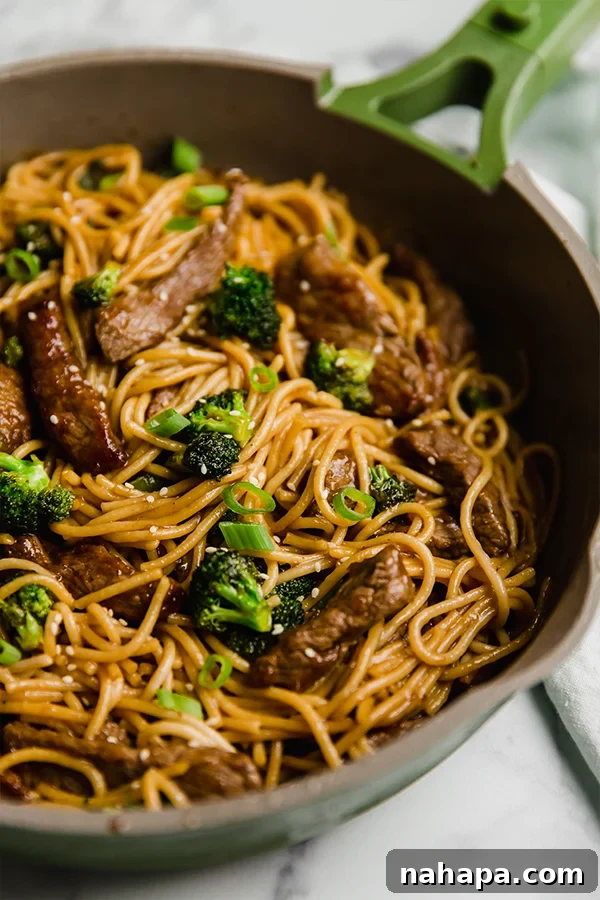
- Combine and Serve: Now for the grand finale! Add the cooked spaghetti, the sautéed broccoli, the seared steak, and the whisked coconut aminos mixture back into the clean skillet. Place the pan over low heat and gently toss all the ingredients together. Continue to stir and heat for a few minutes, allowing the sauce to coat every strand of noodle and piece of beef and broccoli, and for everything to warm through. The arrowroot starch in the sauce will thicken slightly, creating a glossy, inviting coating. Remove the pan from the heat. Serve immediately, garnished generously with freshly chopped green onion and a sprinkle of sesame seeds (remember to omit sesame seeds for AIP).
Expert Tips & Tricks for the Best Lo Mein
Elevate your gluten-free lo mein from delicious to absolutely unforgettable with these handy tips:
- Room Temperature Steak for Tenderness: For the most tender and juicy steak, always allow your sliced sirloin to come to room temperature for about 15-20 minutes before cooking. This helps it cook more evenly and prevents it from seizing up when it hits the hot pan.
- Double the Recipe for Effortless Leftovers: This lo mein is so good, it disappears fast! Consider doubling the recipe, especially if you love having healthy, homemade meals ready to go. It makes fantastic leftovers and is perfect for batch cooking.
- Get Creative with Extra Vegetables: Lo mein is incredibly versatile when it comes to vegetables. If you have extra veggies on hand, don’t hesitate to toss them in! Sliced carrots, bell peppers, snow peas, bok choy, mushrooms, or even shredded cabbage would make excellent additions. Add firmer vegetables like carrots or bell peppers with the broccoli, and softer ones like bok choy or spinach towards the end of the cooking process to avoid overcooking.
- Customize Your Spice Level: If you enjoy a little heat, feel free to add a pinch of red pepper flakes to the sauce mixture (if not following AIP), or a dash of your favorite gluten-free and soy-free hot sauce (like sriracha, if compliant) when serving.
Is This Gluten-Free Lo Mein a Healthy Choice?
The term “healthy” can be subjective, but when evaluating this gluten-free beef and broccoli lo mein, it certainly ticks many boxes for a nutritious and balanced meal. While “gluten-free” doesn’t automatically equate to “healthy” (many GF products are still high in sugar or unhealthy fats), this particular recipe focuses on whole, unprocessed ingredients. With lean protein from the beef, complex carbohydrates from the gluten-free pasta, and a rich array of vitamins and fiber from the broccoli and other seasonings, it offers a well-rounded nutritional profile. Compared to traditional takeout lo mein, which often contains high sodium, MSG, and unhealthy oils, this homemade version provides a much cleaner, wholesome alternative. It’s a meal you can feel good about incorporating into a regular, healthy routine, providing sustained energy and satiety.
What Are the Best Noodles for Gluten-Free Lo Mein?
The beauty of modern gluten-free cooking is the array of excellent pasta options available. For this recipe, gluten-free spaghetti is your best bet for achieving that classic lo mein noodle texture. Brands like Jovial Foods offer fantastic options. Their **gluten-free brown rice spaghetti** is a popular choice, providing a great texture and flavor that stands up well to the sauce. If you’re adhering to a paleo or AIP diet, Jovial’s **cassava pasta** is an exceptional grain-free alternative that performs wonderfully. Other gluten-free pasta options made from corn, quinoa, or blends can also work, but always choose a spaghetti or linguine shape for the most authentic lo mein experience.
Can I Prepare This Recipe Ahead of Time? How Do I Reheat It?
Absolutely! This gluten-free beef and broccoli lo mein is a fantastic candidate for meal prep. It reheats wonderfully, making it ideal for packed lunches or quick dinners throughout the week. To store, allow the lo mein to cool completely, then transfer it to airtight containers and refrigerate for up to 3-4 days. When you’re ready to enjoy your leftovers, the best way to reheat is in a pan on the stovetop over medium-low heat. Add a splash of water or a little extra coconut aminos if it seems a bit dry, and stir occasionally until heated through. This method helps maintain the texture of both the noodles and the vegetables. You can also microwave it, though the stovetop method yields better results for texture.
You’ll also love these other delightful, healthy Asian-inspired dishes:
- Mongolian Ground Beef
- Teriyaki Chicken Stir Fry
- Ground Beef Ramen Stir Fry
Gluten-free Beef and Broccoli Lo Mein
4
servings
10 minutes
25 minutes
Michelle
Leave a Review
Pin Recipe
Want to save this for later?
Just drop your name and email below. Then we’ll email it right to your inbox. ✉️
Ingredients
-
12 oz
gluten-free spaghetti, sub Jovial cassava spaghetti for AIP -
3 tbsp
avocado oil, divided -
3 cups
broccoli florets -
¾ tsp
sea salt -
¼ tsp
black pepper, omit for AIP -
1 tbsp
arrowroot starch -
1 lb
sirloin, sliced thin against the grain -
⅓ cup
coconut aminos -
2 tsp
coconut sugar -
1 tsp
apple cider vinegar -
2 tsp
garlic powder -
1 tsp
ginger powder -
2 tsp
onion powder -
1 tbsp
green onion, chopped -
1 tsp
sesame seeds, omit for AIP
Instructions
-
Prepare the pasta as directed. Drain and set aside, adding a bit of avocado oil to keep the noodles from sticking.
-
Using a large deep skillet, heat 1-2 tbsp of avocado oil on medium heat. Add the broccoli and add a pinch of salt and pepper. Cook for 6-7 minutes or until fork-tender. Remove the broccoli from the pan, set aside, and clean out the pan.
-
Add the arrowroot starch to a bowl along with the remainder of the salt and pepper. Add the steak slices, coating thoroughly.
-
Using the same pan, heat 2-3 tbsp of avocado oil. Once the oil is hot and shimmering, add half of the steak slices. Cook for 2-3 minutes on each side, and repeat until all of the steak is cooked. Remove from the heat.
-
Whisk the coconut aminos, apple cider vinegar, coconut sugar, garlic, ginger, and onion powder together.
-
Add the cooked spaghetti, cooked broccoli, steak, and coconut aminos mixture to the pan. Add the pan to low heat and stir to combine and reheat, coating the lo mein in the sauce.
-
Remove from the heat and serve with green onion and sesame seeds.
Video Placeholder: Imagine a delightful video demonstrating the steps to make this recipe here!
Notes
Serving:
1
serving
,
Calories:
630
kcal
,
Carbohydrates:
81
g
,
Protein:
38.9
g
,
Fat:
16.7
g
,
Fiber:
5
g
Did you Make this Recipe?
Tag @unboundwellness on Instagram and hashtag #unboundwellness!