
Recently, I had the wonderful opportunity to spend a rejuvenating long weekend with my husband in the breathtaking landscapes of Estes Park, Colorado. As avid lovers of the outdoors, hiking enthusiasts, and admirers of Colorado’s natural beauty, we often find ourselves yearning for these escapes, especially when living in a state like Texas where such experiences are a rarer commodity. With convenient and affordable flights from Dallas to Denver, and a supportive family member willing to care for our beloved cat, the decision to embark on this adventure was an easy one. Vacations, for many, represent a cherished break from daily routines, a chance for quality time with loved ones, and, inevitably, an indulgence in food. It often feels like a non-stop cycle of dining out, enjoying treats, and simply eating in abundance.
However, for those committed to a restrictive healing diet, the dynamics of travel and social gatherings present unique challenges. Beyond the external pressures and social situations, individuals often grapple with their own expectations regarding food, making it one of the hardest aspects to navigate. How does one maintain adherence to a specific dietary protocol without feeling constantly deprived or left out? This sentiment of being excluded, or experiencing the intense FOMO (fear of missing out), is incredibly real. I vividly recall numerous occasions sitting in restaurants with nothing more than a glass of water, observing others enjoy meals I couldn’t partake in. While every individual’s journey is distinct, I can attest that reaching a point of genuine indifference towards conventional indulgences, such as a slice of wedding cake, is a process that demands significant time, dedication, and a profound shift in perspective.
First, how do restrictive healing diets actually help if they just stress us out?
Restrictive healing diets, such as comprehensive gut healing protocols, the Paleo diet, and the Autoimmune Protocol (AIP), are specifically designed with a singular, crucial purpose: to heal. These dietary frameworks, which I personally utilized to manage and improve my Hashimoto’s condition, aim to support the body’s innate healing mechanisms. Our overall health, vitality, and even our very existence are intricately linked to a complex series of biological reactions within our bodies, all of which are profoundly supported by the essential nutrients we consume through our food. When our bodies are deficient in these vital nutrients, our susceptibility to various diseases and chronic conditions significantly increases. Conversely, by actively nourishing our systems with a nutrient-dense diet, we empower our bodies to repair, regenerate, and ultimately, heal.
Yet, it’s imperative to acknowledge the reality: this journey isn’t always a smooth path paved with flowers and immediate healing. It demands considerable effort, patience, and can undoubtedly be a source of stress. The feelings of being left out, saddened by the perceived loss of old eating habits, and the constant vigilance required can weigh heavily on one’s emotional well-being. However, concealed beneath the immediate challenge and the fear of missing out lies a profound truth: you are making choices that are fundamentally beneficial for your long-term health and wellness. Remembering this deeper purpose can serve as a powerful anchor. Here are several key insights to keep in mind, alongside practical strategies to address and overcome these feelings, fostering a more sustainable and positive experience on your wellness journey.
Remember: The modern way of eating in most restaurants is unnatural anyway
It’s a common and understandable reaction to feel a pang of jealousy, exclusion, or even hurt when dining out and observing others enthusiastically enjoy plates piled high with sweet potato fries, gourmet burgers, or decadent desserts. During my recent Colorado trip, watching countless tourists in Estes Park stroll with slices of pizza and cones of ice cream, a familiar thought surfaced: “Why can’t I just walk into any restaurant and eat whatever I desire, just like everyone else?” This sentiment highlights a pervasive misconception about what constitutes “normal” eating in contemporary society, particularly in public settings. The reality is that the modern culinary landscape, especially within chain restaurants and many eateries, has drifted significantly from what could be considered natural or ancestrally aligned eating.
To be clear, the act of gathering, celebrating, and sharing meals has been a fundamental and healthy aspect of human socialization for millennia. People have dined together and forged bonds over food for centuries, seeing it as an essential part of community and culture. However, the *nature* of this communal dining has undergone a radical transformation. The advent of the modern grocery store and the proliferation of chain restaurants are relatively recent phenomena, emerging only in the last century or so. We didn’t always congregate for half-price appetizers and sugar-laden frappuccinos at corporate chains, nor did we commonly consume sweet potato fries deep-fried in inflammatory seed oils like canola. These prevalent modern eating habits, characterized by processed ingredients, excessive sugar, unhealthy fats, and artificial additives, are fundamentally unnatural and, for many, profoundly unhealthy. Recognizing this distinction can be empowering. Instead of feeling deprived, you can cultivate a sense of pride in actively choosing a healthier, more aligned path, and perhaps even inspire those around you to reconsider their own food choices and embrace truly nourishing, real food.
Remedy: Offer to host home-cooked meals & bring along your own food when needed.
One of the most effective and enjoyable ways to counter the feelings of exclusion at social events and restaurants is to take control of the dining environment. My favorite strategy is to invite people into my own home and serve meals there. This approach immediately alleviates any pressure to order takeout like pizza, which would typically be incompatible with my healing diet. Instead, I prepare delicious, wholesome, and truly nourishing real food that is consistently Paleo-friendly and often compliant with the AIP protocol. The wonderful revelation is that, more often than not, guests don’t even notice the dietary restrictions, they don’t seem to care, and they invariably enjoy the food immensely. In fact, they often express how much better it is than typical restaurant fare or processed alternatives.
Hosting doesn’t have to be a financial burden. Here are some practical tips for making it feasible without breaking the bank:
- **Rely on Cheaper Real Foods:** Focus on naturally economical options. Large, vibrant salads packed with fresh vegetables, lean proteins, and healthy fats are satisfying and budget-friendly. Similarly, opting for larger, more economical cuts of meat like roasts or whole chickens can feed a crowd without excessive cost, providing ample leftovers.
- **Ask Guests to Bring a Side:** Don’t hesitate to involve your guests. Politely asking them to contribute a side dish can significantly lighten your load and cost. This way, you can focus your resources and energy on perfecting the main course, ensuring it aligns perfectly with your dietary needs.
- **Suggest a Contribution for the Meal:** If it feels appropriate for your group, don’t shy away from asking guests to pitch in a few dollars to cover the cost of ingredients. If people are comfortable pooling funds for pizza and beer, they should be equally willing to contribute to a delicious, health-conscious home-cooked meal. This fosters a sense of shared experience and value for good food.
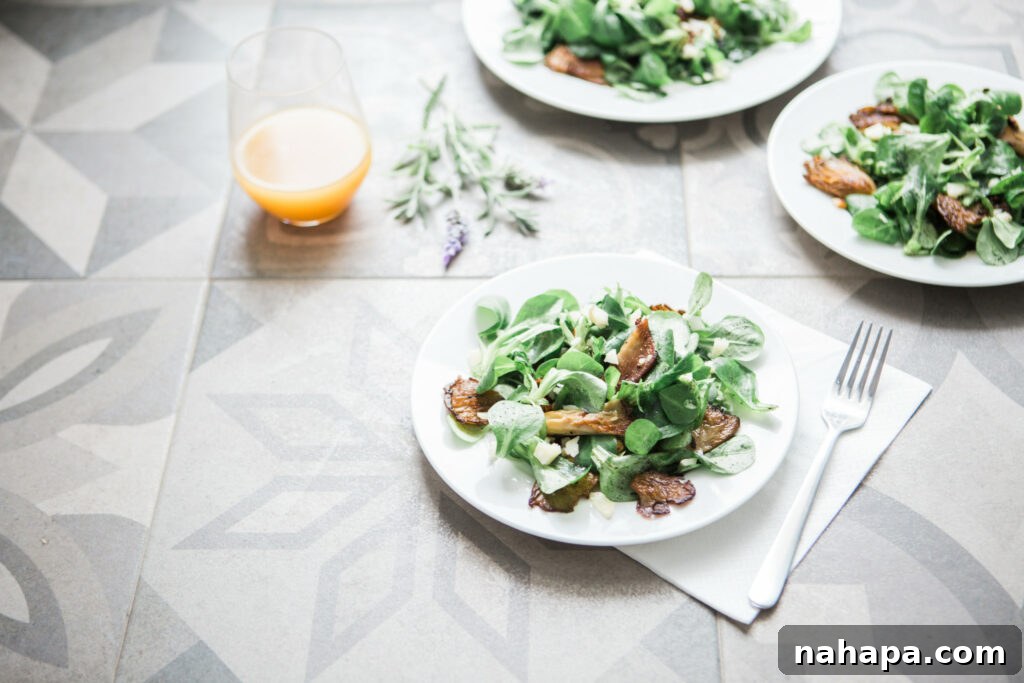
Image Source
When hosting isn’t an option, or when you’re navigating travel and events, your trusty lunchbox and ice packs become your ultimate allies. They are truly my heroes in maintaining consistency! I recall vividly being on an international flight during my honeymoon, observing the sad, almost jealous expressions of fellow passengers as they picked at their bland, mysterious airplane food. Meanwhile, I was enjoying a carefully packed meal of fresh, vibrant vegetables and homemade protein, feeling nourished and completely satisfied. Preparing and bringing your own nutrient-dense food isn’t just about avoiding “bad” options; it’s about actively choosing to fuel your body with what it truly needs, ensuring sustained energy and well-being, no matter where your journey takes you.
Remember that you don’t need the fake food
A pervasive and often damaging misconception is that if individuals don’t have a diagnosed chronic condition, they possess a sort of immunity that allows them to “get away with” eating junk food without adverse consequences. This belief is further cemented by the internal narrative many of us adopt, convincing ourselves that we *need* junk food—whether for sanity, as a deserved “treat,” or to achieve happiness. We associate these highly processed items with comfort, celebration, and moments of joy. However, it’s crucial to challenge this deeply ingrained notion. Here’s a powerful truth: you absolutely do not *need* junk food to be happy.
This truth applies across the board. Not the seasonal Christmas cookies, not the elaborate birthday cake, and certainly not the celebratory beer. Human beings, and our ancestors, thrived for thousands of years without the invention of highly processed, artificial, and nutritionally empty “fake food.” Our bodies are designed for whole, real, nourishing ingredients. The satisfaction and happiness we derive from these fleeting indulgences are often psychological and habit-driven, rather than a genuine physiological need. Regardless of the specific restrictive diet you are following—be it AIP, Paleo, or another protocol—your capacity for happiness, well-being, and genuine enjoyment of life is entirely independent of these so-called “treats.” Embracing this perspective can be incredibly liberating, shifting your focus from what you *can’t* have to the vast array of delicious and healthful foods that truly nourish your body and spirit.
Remedy: Prepare, prepare, prepare food that you love
Despite the understanding that we don’t *need* fake food for happiness, the reality is that it remains omnipresent in our modern world. Ice cream will still be a staple at parties, pizza will inevitably make an appearance at social gatherings, and holidays like Halloween will continue to present unique challenges. Simply knowing you don’t need these items isn’t always enough to navigate social situations gracefully or to avoid feeling tempted. This is where proactive preparation, focusing on foods you genuinely love and find satisfying, becomes an indispensable tool in your healing journey.
Just as I advocate for bringing your own food when dining out or traveling, I strongly recommend dedicating time to prepare and pack foods that truly feel like a treat to you. For a long time, I perceived AIP as overly restrictive and joyless, believing it was impossible to manage and enjoy simultaneously. This changed profoundly when I gave myself permission to actively love my food and to creatively develop amazing, delicious alternatives. For instance, I created nourishing options like my coconut collagen bites, which offer a sweet and satisfying snack, and discovered the delightful crunch of parsnip fries as a healthier substitute for traditional potato fries. Beyond these, I always ensure I have readily available, travel-friendly fruits such as apples and bananas. To avoid feeling empty-handed when others are enjoying beverages, I bring along delicious herbal teas or sparkling mineral water. And for a quick, substantial protein boost, especially when on the go, EPIC bars are an excellent choice.
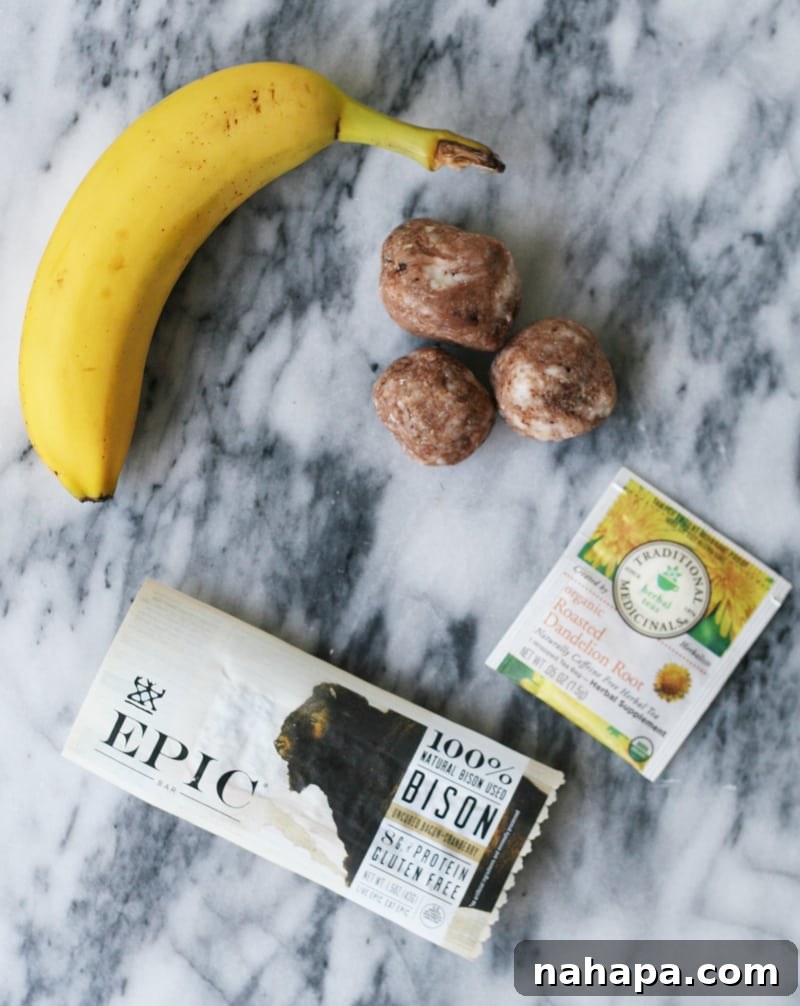
By proactively preparing a variety of delicious, nourishing, and diet-compliant options, you transform the experience from one of deprivation into one of abundance and delight. Instead of focusing on what you’re missing, you can genuinely enjoy what you have, which, as I’ve often observed, can even make others quite envious of your wholesome and appealing choices.
Remember: In social situations, stop trying to please everybody else and blend in.
Navigating social situations while adhering to a restrictive healing diet can be particularly challenging, largely due to the reactions of others. People, myself included at times, can be surprisingly intrusive or judgmental when faced with choices that deviate from the norm. There’s a common human tendency to desire conformity and to see others follow the crowd. When you consciously make healthy eating choices that stand apart, some individuals may react with judgment or curiosity. It’s important to recognize that these reactions are often less about you and your choices, and more a reflection of their own insecurities, habits, or even poor choices. Their judgment can sometimes be a defense mechanism, a way to rationalize their own dietary patterns when confronted with someone actively pursuing a healthier path.
Regardless of the underlying reason for others’ judgments or inquisitive remarks, it is absolutely crucial to internalize that this healing diet is fundamentally about *you*. It’s not about them, their opinions, or their comfort levels. This is your personal choice, your body, and your unique health journey. To put it bluntly: if their intention is simply to be judgmental or to make you feel uncomfortable about your well-considered choices, then it is quite frankly none of their business. Your priority is your well-being, and you owe no one an elaborate explanation or an apology for prioritizing your health. Cultivating this internal boundary and reinforcing the self-awareness that your health comes first is a powerful step towards confidently navigating any social scenario.
Remedy: Be confident and short in your explanations to others.
When it comes to explaining your dietary choices to others, the advice offered by Mickey Trescott and Angie Alt from Autoimmune-Paleo.com on the Paleo Women Podcast resonates deeply: “don’t be weird.” This simple yet profound counsel highlights a critical point – your demeanor and confidence in explaining your diet significantly influence how others perceive it. If you appear hesitant, sheepish, or apologetic about your choices, it can inadvertently make others feel awkward or justified in questioning you further. Such reactions can make the situation uncomfortable for everyone involved.
Instead, adopt a posture of confidence, firmness, and conciseness. A straightforward statement is often the most effective. For example, a simple, “I manage a chronic illness with a specific dietary approach,” or “I’m following a healing diet for my health,” is usually sufficient. There’s no need to delve into intricate details unless you genuinely wish to. If you prefer not to elaborate, you have every right to politely conclude the conversation at that point. You can add, “It’s what works best for me,” or “I’ve found this really supports my well-being,” to reinforce your conviction without inviting debate. Remember, your health choices are personal, and you are not obligated to educate or justify yourself to others, especially if their intent is not genuinely supportive. Projecting confidence in your explanations sets clear boundaries and often diffuses potential awkwardness before it can escalate, allowing you to enjoy social interactions on your terms.
Remember: You’re doing this to heal.
Even after internalizing all the advice and strategies, there might still be those challenging moments—a night at a party where the aroma of a cupcake feels overwhelmingly tempting, or an instant where you just crave something forbidden. These moments of weakness or longing are a natural part of any significant lifestyle change. However, in these instances, I urge you to pause and consciously reconnect with your core motivation: you are doing this to heal. You are embarking on this health journey not as an act of punishment or deprivation, but as a profound act of self-love and investment in your future.
This commitment is for you, for the intricate workings of your body, and for your overall health. It extends beyond just yourself; it’s also for your family and loved ones, enabling you to be the most vibrant, energetic, and present version of yourself for them. It’s an investment in your long-term vitality, ensuring you can experience the fullness of life for many years to come. When faced with the fleeting allure of a “lost cupcake” or the temporary awkwardness of feeling different at a party, remember that your efforts are serving a purpose far grander and more enduring. This is not merely about a diet; this is about reclaiming and enriching your life, fostering resilience, and building a foundation for sustainable health and happiness. Your determination today paves the way for a more vibrant tomorrow.
Remedy: Give yourself permission to love the process.
My own initial foray into a gluten-free lifestyle was met with significant internal resistance. I harbored a strong resentment towards it, almost actively deciding to dislike the entire experience. My mindset was focused on complaining as much as possible and seeking every opportunity to “cheat” on the diet. This adversarial approach prevented me from truly embracing the changes. I never granted myself the crucial permission to be okay with being different, to accept that my path to health might diverge from the norm, and critically, to find genuine contentment within that difference. This mindset of feeling victimized by my diet ultimately hindered my progress and prolonged my struggle.
The transformative shift occurred when I consciously decided to give myself permission—permission to love myself enough to release the strong attachment to old “creature comforts” and familiar habits. More importantly, it was permission to actively embrace and love the healing process itself, regardless of external social pressures or internal discomforts. This mindset shift is incredibly powerful. When you approach your diet not as a burden, but as an empowering choice and a journey of discovery, the entire experience transforms. You begin to appreciate the positive changes in your body, the newfound energy, and the clarity of mind. This embrace of the process, coupled with self-compassion and resilience, will not only make your healing diet far more sustainable and enjoyable, but it will undoubtedly lead you to a significantly healthier and more fulfilling life.