
The Ultimate Dairy-Free, Gluten-Free Paleo Charcuterie Board (AIP & Whole30 Friendly!)
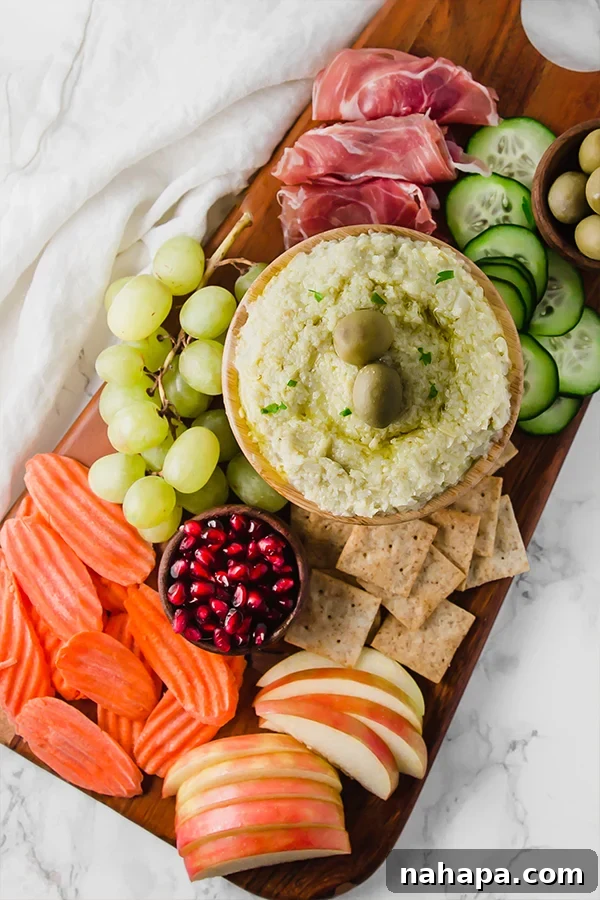
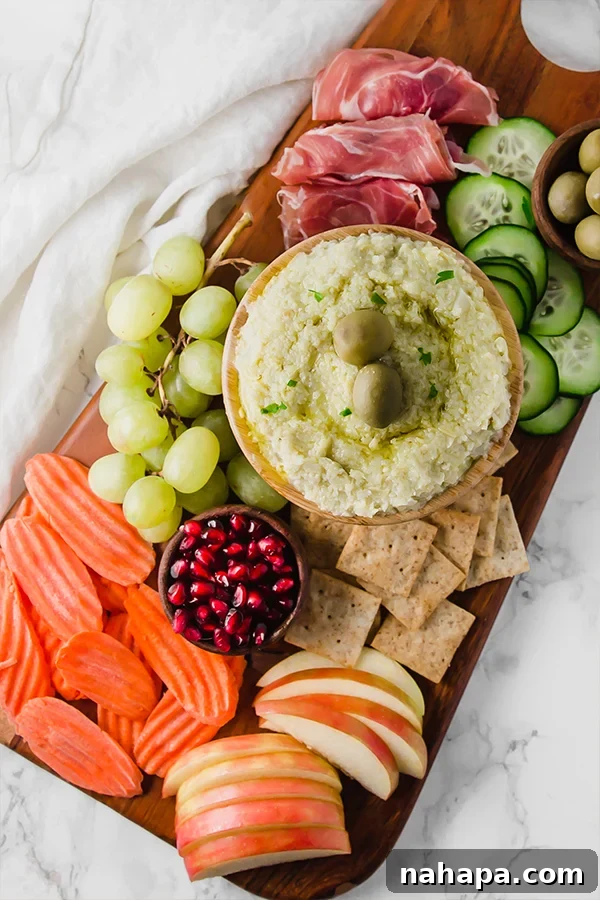
Discover how to create a show-stopping charcuterie board that caters to specific dietary needs without compromising on flavor or presentation. This comprehensive guide features a delicious paleo artichoke hummus, making your board entirely dairy-free, gluten-free, paleo, and adaptable for Whole30 and AIP diets. Perfect for holidays, parties, or a fancy appetizer night!
Why a Paleo Charcuterie Board is Your New Go-To for Entertaining
Charcuterie boards have become a beloved staple in homes and at gatherings, and for good reason! They offer a delightful array of “snacky” foods that are easy to graze on, making them ideal for casual get-togethers, festive holiday celebrations, or even a fun family dinner. My household, especially my husband, absolutely adores them. If he could, he’d probably choose a charcuterie board for every single meal!
While traditional charcuterie boards often feature an abundance of cheeses, various crackers, and breadsticks, these items are unfortunately off-limits for many individuals navigating food intolerances, allergies, or specific dietary protocols like Paleo, Whole30, or AIP (Autoimmune Protocol). The good news? You don’t have to miss out on the fun or sacrifice flavor. This guide is dedicated to crafting a magnificent charcuterie board that is not only completely compliant with these diets but also incredibly delicious and visually appealing.
The beauty of a charcuterie board lies in its versatility and ease of customization. This makes it an excellent choice when entertaining guests with diverse preferences or when you’re short on time but still want to impress. By focusing on real, whole foods, we can create a spread that everyone can enjoy, ensuring that dietary restrictions become an opportunity for creative and healthful indulgence rather than a limitation.
This holiday season, or any season for that matter, elevate your entertaining game with a paleo, Whole30, and AIP-friendly charcuterie board. It’s packed with nourishing ingredients, vibrant colors, and a special paleo artichoke hummus that will be the star of your spread. Get ready to delight your taste buds and those of your guests with this thoughtfully curated and utterly delicious platter!
Essential Ingredients for Your Paleo Charcuterie Masterpiece
Crafting a paleo-friendly charcuterie board means selecting ingredients that are naturally free from dairy, gluten, grains, and legumes, while still providing a diverse range of textures and flavors. Here’s a breakdown of the key components we’ll be using, along with some excellent substitution ideas to suit your specific dietary needs or preferences.
The Star Dip: Creamy Paleo Artichoke Hummus
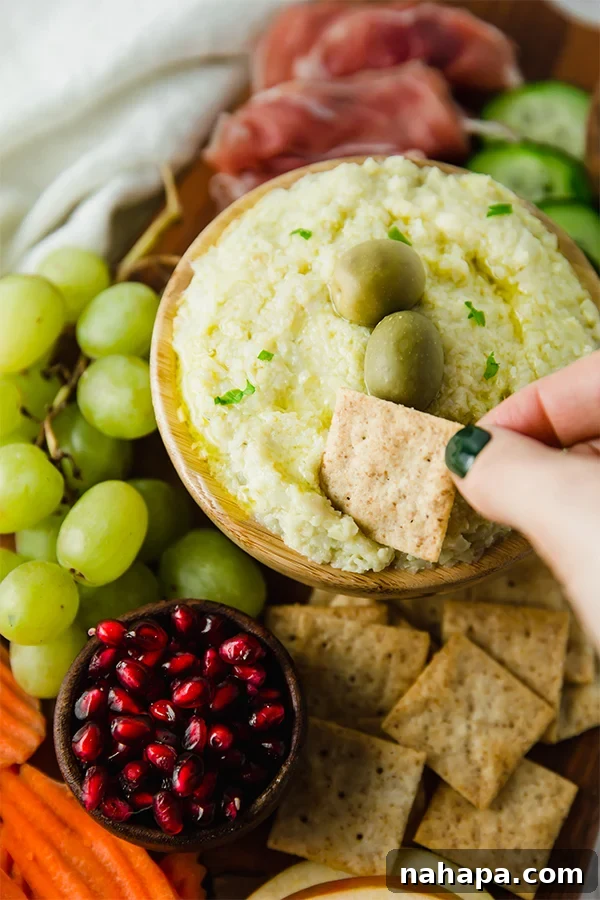
Our paleo “hummus” is a game-changer for anyone avoiding legumes. It’s a wonderfully creamy, savory, and veggie-packed dip that mirrors the taste and texture of traditional hummus but without the chickpeas. This makes it perfectly compliant for paleo, Whole30, and AIP diets. The combination of ingredients creates a surprisingly authentic flavor profile that will have your guests asking for the recipe.
- Cauliflower: Steamed cauliflower forms the creamy base, providing a mild flavor and smooth consistency.
- Artichoke Hearts: These add a distinctive tang and earthy depth that is essential to our “hummus.” Ensure they are canned in water or oil, not marinated with non-compliant ingredients.
- Olive Oil: A good quality extra virgin olive oil contributes to the luxurious texture and rich flavor.
- Garlic Powder & Sea Salt: These seasonings bring warmth and balance to the dip. Fresh garlic can also be used for a more pungent flavor.
- Fresh Parsley: Adds a touch of freshness and a beautiful green garnish.
- Olives: A few olives blended in, and a couple reserved for garnish, enhance the Mediterranean-inspired taste.
Pro-Tip: If you tolerate legumes, feel free to substitute with your favorite traditional hummus. However, I highly recommend trying this paleo version – it’s a delightful surprise!
Premium Cured Meats: Prosciutto and Beyond
Cured meats are a cornerstone of any charcuterie board, offering a savory contrast to the fresh produce. Prosciutto is an excellent choice for a paleo and AIP-friendly board due to its simple ingredient list.
- Prosciutto: Known for its delicate texture and rich, salty flavor, prosciutto is typically made with just pork and salt. Always double-check ingredient labels to ensure no hidden sugars, preservatives, or non-compliant spices have been added.
- Other Compliant Meats: Look for sugar-free jerky (ensure no nitrates/nitrites if following AIP), compliant deli meats (like roasted turkey or ham without additives), or even homemade roasted chicken or beef sliced thinly.
Key for AIP: Many cured meats contain black pepper or other nightshade spices, which are excluded from the AIP diet. Be extra vigilant with ingredient labels or opt for plainly seasoned, roasted meats.
Crunchy Compliments: Crackers and Creative Dippers
While traditional crackers are out, there are fantastic alternatives to provide that satisfying crunch and act as a vehicle for your dips and toppings.
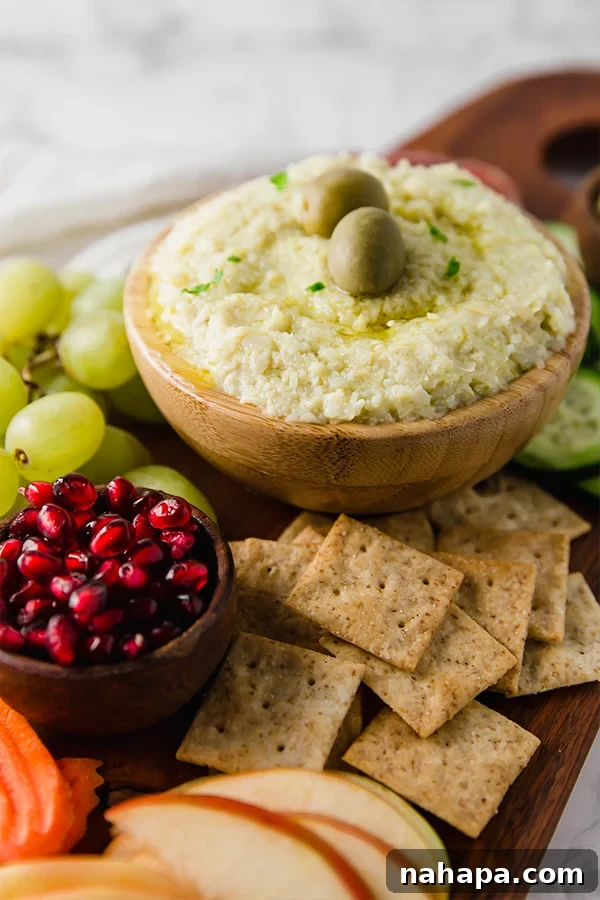
- Simple Mills Crackers: These are a go-to for many paleo eaters, made with almond flour and other real food ingredients. They are readily available in most grocery stores and online.
- Plantain Chips: A fantastic nut-free and AIP-compliant option, plantain chips offer a hearty crunch and a subtly sweet flavor. Look for brands made with just plantains, oil, and salt.
- Whole30 Compliance: For a strict Whole30 board, crackers (even paleo ones) should be omitted. Instead, rely on fresh vegetable sticks, sturdy lettuce leaves, or apple slices for dipping.
Vibrant Fruits and Vegetables: Nature’s Candy and Crunch
The fresh produce section is where your charcuterie board truly comes alive, adding color, sweetness, and crispness. For a winter-themed board, choose seasonal produce, but feel free to adapt to any time of year.
- Apples (sliced): Crisp and sweet, apples pair wonderfully with meats and dips.
- Cucumbers (sliced): Refreshing and crunchy, perfect for scooping dip.
- Carrots (sticks or chips): A classic crudité option, offering a sweet crunch.
- Pomegranate Seeds (arils): These jewel-toned seeds add a burst of sweet-tart flavor and vibrant color.
- Grapes: Sweet and juicy, grapes are a charcuterie board staple.
- Olives: Briny and savory, olives complement the meats and veggies beautifully.
Other Great Additions:
- Pears: Offer a softer, sweeter alternative to apples.
- Bell Peppers (various colors): Add crunch and visual appeal (omit for AIP).
- Celery Sticks: Classic and refreshing.
- Cherry Tomatoes: Bright and juicy (omit for AIP).
- Dried Fruits: Dried apricots or figs (ensure no added sugars or sulfites) can add a chewy sweetness.
- Nuts & Seeds: If tolerated and not on AIP, almonds, walnuts, or pumpkin seeds can add healthy fats and crunch.
- Berries: Strawberries, blueberries, or raspberries add a fresh, sweet, and colorful touch.
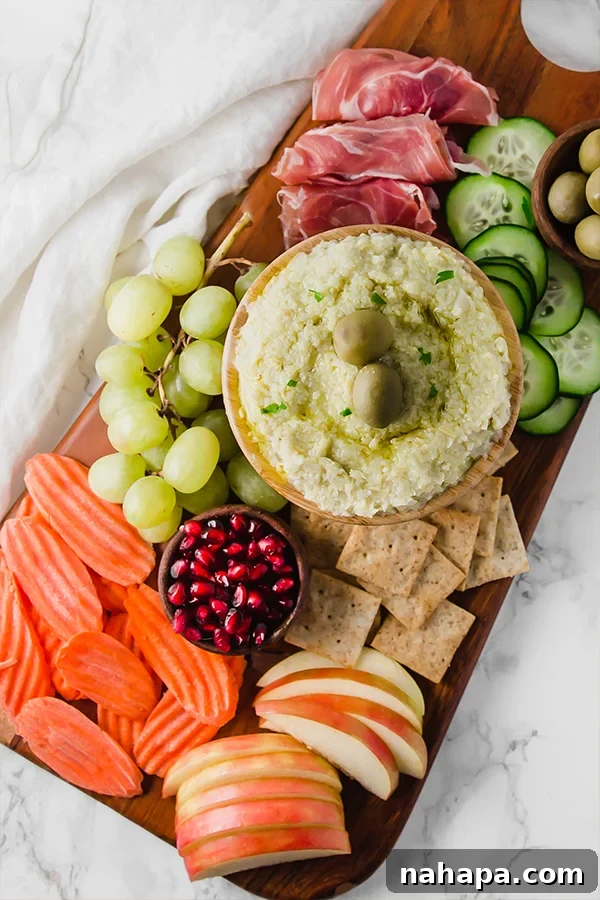
Paleo Charcuterie Board with Artichoke Hummus (AIP & Whole30)
10 minutes
Michelle
Ingredients
For the Hummus
- 2 cups artichoke hearts (canned in water, drained)
- 1 cup cauliflower, steamed until very tender
- 2 tsp garlic powder (or 2 cloves fresh garlic, minced)
- ¼ cup olive oil, plus extra for topping
- 1 tbsp fresh parsley, chopped
- ½ tsp sea salt, to taste
- 2-3 olives, for garnish (optional)
For the Charcuterie Board
- 3-4 slices of compliant prosciutto (or other paleo/AIP cured meat)
- 1 cucumber, thinly sliced
- 1 cup sliced carrot chips, or baby carrots
- 1 apple, sliced
- 1-2 cups grapes
- 3 tbsp pomegranate arils
- ¼ cup olives (a mix of green and black for variety)
- 15-20 paleo crackers (e.g., Simple Mills). Omit for Whole30, or sub plantain chips for AIP.
- Optional: Additional fresh fruit like berries or pear slices.
- Optional: Additional vegetables like bell pepper strips (omit for AIP) or celery sticks.
Instructions
-
Prepare the Paleo Artichoke Hummus: In a food processor, combine the drained artichoke hearts, steamed cauliflower, garlic powder, ¼ cup olive oil, chopped parsley, and sea salt. Blend until the mixture is completely smooth and creamy. Taste and adjust seasoning as needed. Spoon the finished hummus into a small serving bowl. Drizzle with a little extra olive oil and garnish with a few olives if desired.
-
Assemble Your Charcuterie Board: Begin by placing the bowl of paleo artichoke hummus prominently on a large wooden cutting board, a slate platter, or a large decorative plate.
-
Arrange the Meats: Artfully fold or roll the slices of prosciutto and place them around the hummus bowl or in clusters on the board.
-
Add Fruits and Vegetables: Arrange the sliced cucumbers, carrots, apple slices, grapes, and olives in various sections of the board. Create natural divisions and aim for a balance of colors and textures. Sprinkle pomegranate arils over gaps or on top of other ingredients for a pop of color and flavor.
-
Incorporate Crackers/Dippers: If using paleo crackers or plantain chips, arrange them in neat rows or small piles on the board, ensuring easy access for dipping. For Whole30, ensure only compliant fresh produce is used for dipping.
-
Final Touches: Fill any remaining empty spaces with small sprigs of fresh herbs like rosemary or additional olives to create a full and inviting look. Ensure all items are easily accessible for guests.
-
Serve your beautiful and healthy paleo charcuterie board fresh, and enjoy the delighted reactions of your guests!
All nutrition facts are estimated and will vary depending on exact ingredients and portion sizes.
Tips for Crafting the Perfect Paleo Charcuterie Board
Creating an impressive and delicious charcuterie board, especially one that adheres to specific dietary guidelines, is an art form. Here are some extra tips to ensure your paleo, Whole30, or AIP-friendly board is a smashing success:
Variety is Key
Aim for a diverse range of colors, textures, and flavors. Combine soft dips with crunchy crackers, sweet fruits with savory meats, and tangy olives with refreshing vegetables. This visual and culinary variety keeps the board interesting and encourages guests to try different combinations.
Think Seasonal
While the suggested ingredients are excellent year-round, consider incorporating seasonal fruits and vegetables. In autumn, think persimmon slices or figs. In summer, fresh berries and melon cubes are fantastic. Seasonal ingredients are often at their peak flavor and can add a special touch to your board.
Presentation Matters
A well-arranged board is half the appeal. Don’t just dump ingredients; arrange them thoughtfully. Use small bowls for dips and smaller items like olives or pomegranate seeds. Cluster similar items together or fan out slices for an elegant look. Don’t be afraid to let ingredients spill over slightly for an abundant feel.
Balance Flavors
Ensure you have a good balance of salty, sweet, savory, and tangy components. The prosciutto provides saltiness, fruits offer sweetness, the hummus is savory, and olives bring tang. This balance prevents the board from becoming monotonous.
Consider Dietary Needs (Beyond Paleo)
While this board is designed to be paleo, Whole30, and AIP compliant, always communicate with your guests about their specific needs. If someone has a severe nut allergy, ensure your crackers (like Simple Mills) are avoided, and use plantain chips instead. Clearly label items if necessary.
Make Ahead & Storage
Many components of your charcuterie board can be prepared in advance. The paleo artichoke hummus can be made 1-2 days ahead and stored in an airtight container in the refrigerator. Fruits and vegetables can be washed and chopped a few hours before assembly. Keep meats refrigerated until just before serving. Assemble the board about 30 minutes to an hour before guests arrive to ensure freshness.
Accompanying Drinks
Consider what beverages would complement your healthy charcuterie spread. Sparkling water with fruit slices, unsweetened iced tea, or even a glass of dry red wine (if alcohol is permitted on your specific diet) can enhance the experience.
Serving Size & Quantity
Adjust the quantities based on the number of guests and whether the board is a main appetizer or just one of several offerings. For a main appetizer, allow more per person. It’s better to have a little too much than to run out!
By following these tips, you’ll not only create a delicious and healthy charcuterie board but also one that is visually stunning and a joy for everyone to partake in, regardless of their dietary journey.