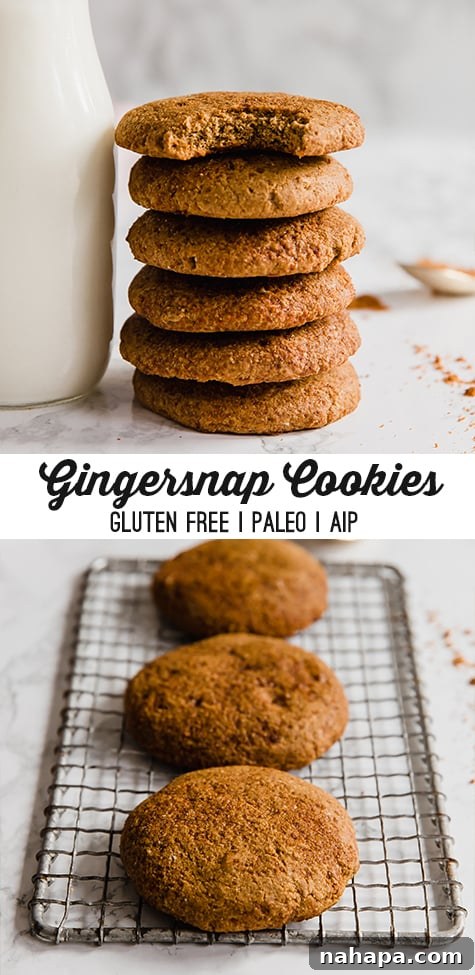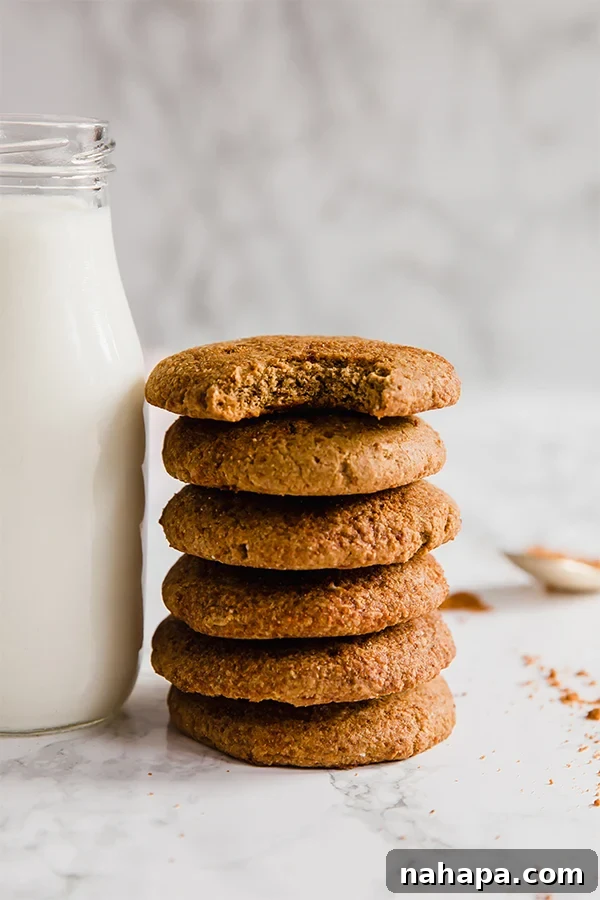
The holiday season often brings with it a delightful array of treats, and gingerbread cookies are a classic favorite. However, for those navigating dietary restrictions, finding festive and compliant options can sometimes be a challenge. Enter these incredible **Paleo Gingersnap Cookies**, a perfect solution that doesn’t compromise on flavor or festive spirit! These cookies are masterfully crafted to be **gluten-free, nut-free, egg-free, dairy-free, and fully compliant with the Autoimmune Protocol (AIP)**, making them an inclusive delight for everyone at your holiday table.
What Exactly are Gingersnap Cookies? A Dive into a Holiday Classic
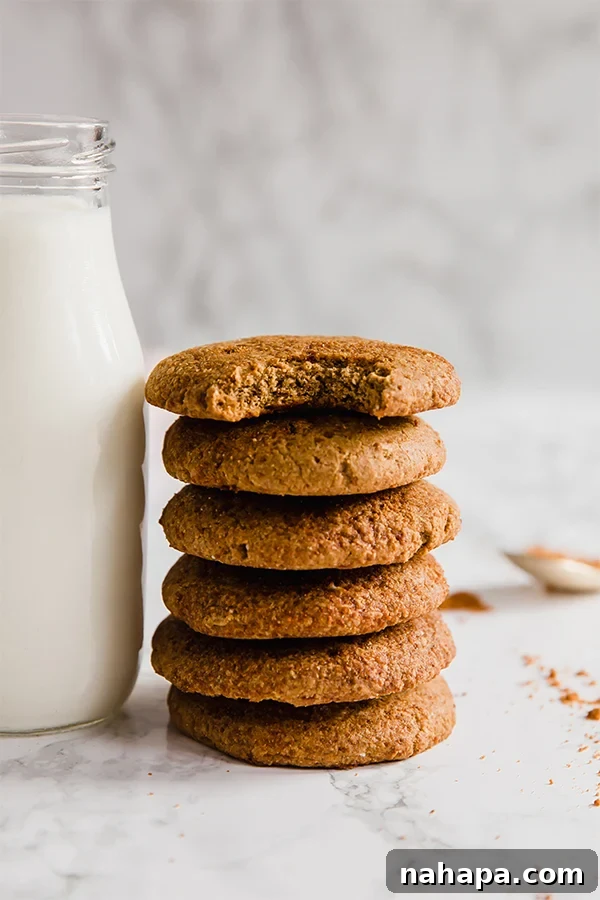
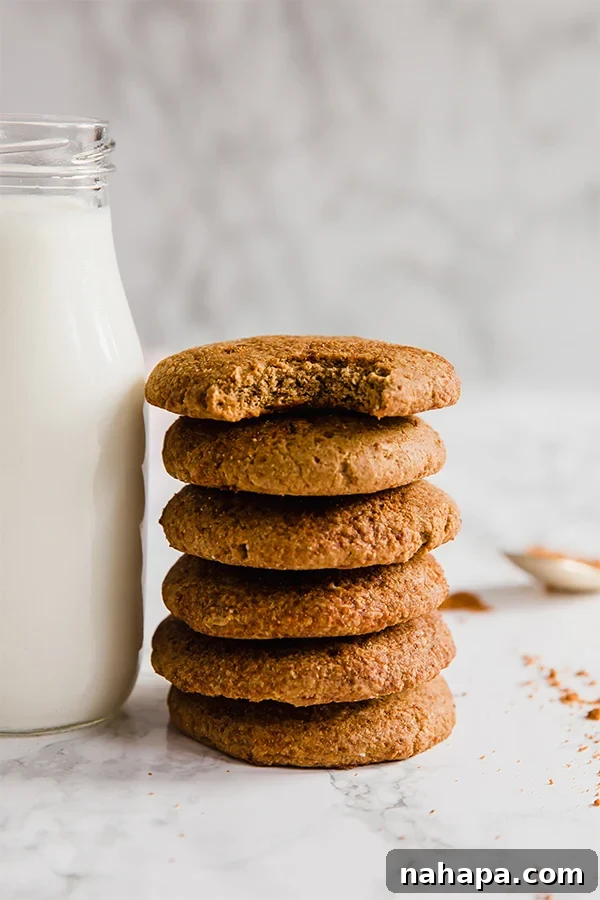
Gingersnap cookies are a beloved type of ginger-flavored cookie, celebrated for their distinct spicy kick and satisfying “snap” or crunch. Unlike the softer, often elaborately decorated gingerbread men, gingersnaps typically boast a firmer texture that breaks with a pleasing crispness. They are a staple of cold-weather baking, filling homes with the warm, inviting aroma of ginger, cinnamon, and molasses. These humble yet deeply flavorful cookies offer a burst of holiday cheer in every bite, making them a timeless favorite.
Our special recipe for gingersnap cookies reimagines this classic, ensuring it’s not only delicious but also incredibly accessible for various dietary needs. By using wholesome, grain-free, and dairy-free ingredients, we’ve created a version that is both **Paleo and AIP-friendly**. This means no grains, no dairy, no eggs, and no nuts – a truly allergy-conscious treat. They’re ideal for sharing with loved ones who have specific dietary considerations, allowing everyone to partake in the joy of holiday baking and indulge in a little seasonal magic without worry. Or, simply keep a batch for yourself and enjoy a guilt-free moment of holiday deliciousness!
Beyond their dietary benefits, these gingersnaps are incredibly easy to make, often simpler than intricately formed gingerbread cookies, yet they deliver an equally (if not more) satisfying flavor experience. The rich blend of spices and natural sweeteners creates a depth of flavor that is truly irresistible.
Crafting Your Own Paleo & AIP Gingersnap Cookies: A Step-by-Step Guide
Making these delightful Paleo and AIP gingersnap cookies is a straightforward process, perfect for bakers of all skill levels. Follow these detailed steps to achieve perfectly spiced, crunchy, and absolutely delicious holiday treats.
- Step 1: Prepare the Dough with Precision. In a generously sized bowl, begin by sifting together all your dry ingredients. This includes tigernut flour, arrowroot starch (or tapioca starch), gelatin, baking soda, ground ginger, and cinnamon. Sifting is crucial here as it ensures all the dry components are thoroughly combined and evenly distributed, preventing any pockets of unmixed ingredients. Once sifted, gradually stir in the liquid sweeteners: pure maple syrup and blackstrap molasses. These not only sweeten the dough but also contribute to its rich color and characteristic gingersnap flavor. Finally, fold in the palm shortening. Work it into the mixture gently but thoroughly until a cohesive dough forms. The dough should be soft but pliable enough to roll.
- Step 2: Roll in Sweetness for that Classic Sparkle. Set aside a shallow bowl or plate filled with coconut sugar. Take small portions of your prepared dough and roll them into uniform, bite-sized balls. This recipe typically yields about 7-8 cookies, depending on their size. Once formed, roll each dough ball generously in the coconut sugar until it’s completely coated. This step adds an extra layer of sweetness and provides that signature sparkly, slightly crunchy exterior characteristic of traditional gingersnaps.
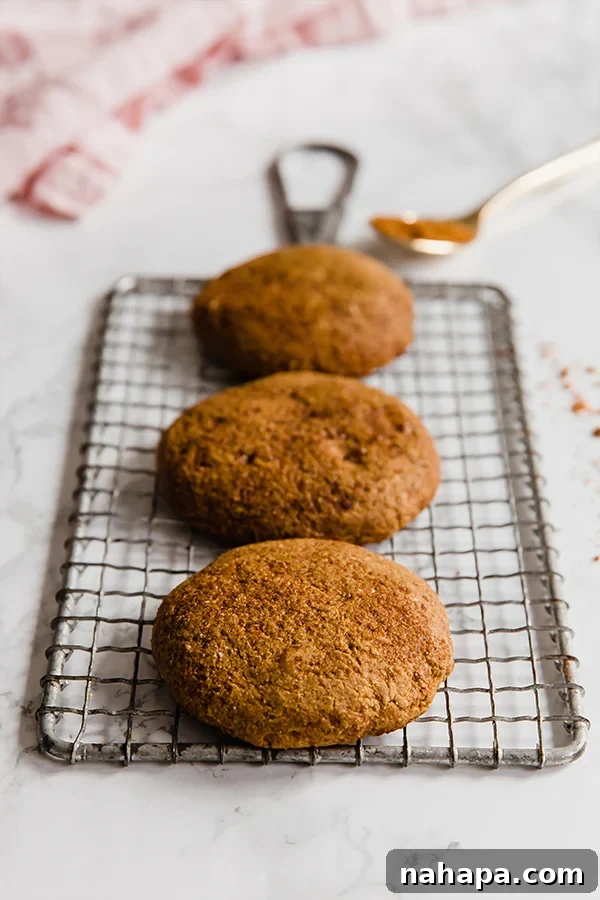
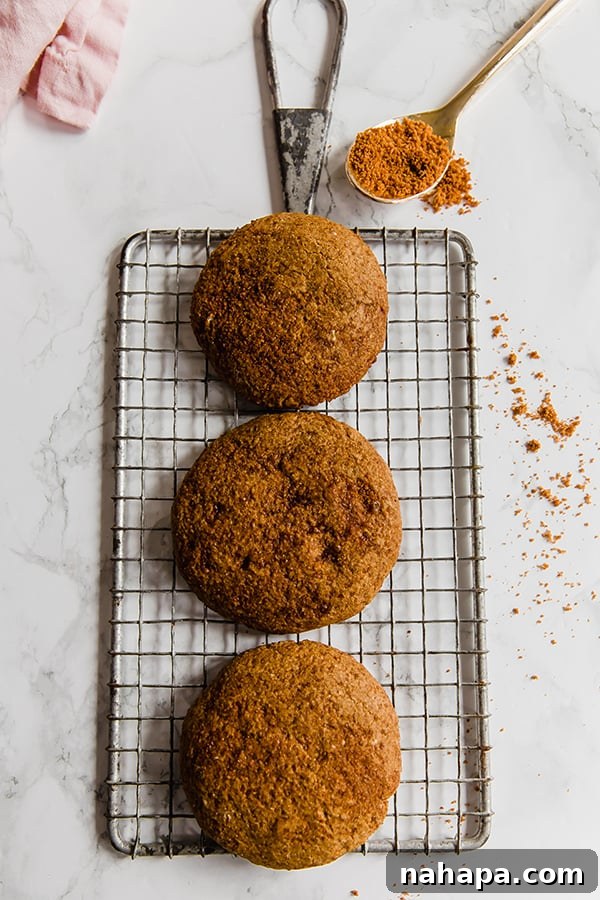
- Step 3: Bake to Golden Perfection. Arrange the sugar-coated cookie dough balls on a baking sheet that has been lined with lightly greased parchment paper. Before baking, gently flatten each cookie dough ball with the palm of your hand. This helps them bake evenly and achieve the desired cookie shape. Place the baking sheet into your preheated oven and bake for approximately 12-14 minutes, or until the edges are golden brown and the centers are set. Baking times can vary, so keep a close eye on them. Once baked, carefully transfer the cookies to a cooling rack. Allow them to cool completely before enjoying. This cooling period is essential for the cookies to firm up and develop their characteristic “snap.”
Flour Alternatives: Exploring Options Beyond Tigernut Flour
While this recipe specifically calls for tigernut flour to ensure it’s completely nut-free and AIP compliant, it’s understandable to wonder about substitutions. Tigernut flour, derived from a small root vegetable (not a nut!), offers a unique texture and subtly sweet, earthy flavor that works wonderfully in these cookies. It’s excellent for absorbing moisture and providing a soft yet firm crumb. If you’re not strictly following an AIP protocol or have no nut allergies, **almond flour** would be the next closest alternative in terms of texture and baking properties. However, keep in mind that almond flour has a different absorbency and fat content, so the final cookie texture may vary slightly, possibly resulting in a less “snappy” cookie. I haven’t personally tested other flours like coconut or cassava in this specific recipe, but they tend to behave quite differently and would likely require significant adjustments to liquid ratios and other ingredients. For best results and guaranteed AIP compliance, sticking with tigernut flour is highly recommended.
Starch Substitutions: Tapioca Starch vs. Arrowroot Starch
In many gluten-free and paleo baking recipes, tapioca starch and arrowroot starch are often used interchangeably as thickening and binding agents. This recipe specifies arrowroot, but if you only have tapioca starch on hand, it’s generally considered a safe bet for a swap. Both starches are grain-free and impart a light, crisp texture, contributing to the “snap” of the cookies. While I haven’t tested it personally for this exact recipe, my experience with paleo baking suggests that tapioca starch should yield very similar results. Both are excellent for achieving that desired crisp exterior and tender interior without using gluten.
Fat Choices: Palm Shortening Versus Coconut Oil
The choice of fat plays a significant role in the final texture of a cookie. This recipe calls for palm shortening, and there’s a good reason for it: palm shortening excels at creating cookies that are wonderfully **cakey and irresistibly yummy!** It provides a stable, tender crumb and helps maintain the cookie’s shape during baking, preventing excessive spreading. While coconut oil is a popular paleo fat, it behaves differently. Coconut oil melts at a lower temperature and can cause cookies to spread more, potentially leading to a flatter, crispier texture rather than the desired cakey tenderness. For these gingersnaps, palm shortening truly delivers on the rich, melt-in-your-mouth experience that makes them so special. When sourcing palm shortening, look for sustainably harvested and identity-preserved options to support ethical practices.
Key Ingredients: A Closer Look at What Makes These Cookies Shine
Each ingredient in these Paleo and AIP gingersnap cookies is carefully selected to contribute to their unique flavor, texture, and dietary compliance. Understanding their roles will enhance your appreciation for this thoughtful recipe.
Tigernut Flour & Tapioca Starch
These two ingredients form the gluten-free, grain-free, and nut-free base of our cookies. **Tigernut flour**, as mentioned, is not actually a nut but a small root vegetable. It offers a slightly sweet, mild flavor and a soft texture, making it an excellent alternative for traditional wheat flour. It’s particularly valued in AIP baking for its versatility. **Tapioca starch** (or arrowroot starch) acts as a crucial binder and provides a delicate crispness, contributing significantly to the “snap” that defines a gingersnap. Together, they create a balanced flour blend that mimics the best qualities of conventional flour while adhering to strict dietary guidelines.
Aromatic Spices: Ginger & Cinnamon
The heart and soul of any gingersnap cookie lie in its spices. This recipe heavily features **ground ginger** and **cinnamon**, creating that unmistakable warming, aromatic, and slightly spicy flavor profile. High-quality, fresh spices are essential here, as they provide the depth of flavor these cookies are known for. Ginger delivers its characteristic zing, while cinnamon adds a sweet, woody warmth that perfectly complements the molasses. For a non-AIP variation, a pinch of cloves or nutmeg could be added, but for AIP, ginger and cinnamon provide a robust and satisfying spice blend on their own.
Gelatin: The Secret Binder and Texture Enhancer
In the absence of eggs, **gelatin** becomes an indispensable ingredient in this AIP-friendly recipe. It acts as a powerful binder, holding the dough together and providing essential structure to the cookies. Beyond binding, gelatin also contributes to a slightly chewy, yet firm and tender texture that is often hard to achieve in egg-free baking. I personally use and recommend Vital Proteins gelatin for its quality and consistency, though other reputable brands of grass-fed gelatin should also work. Due to its unique properties as a protein and gelling agent, finding a direct swap for gelatin in AIP baking can be challenging, which is why specific recommendations are often limited. Its role in the overall cookie structure and mouthfeel is quite significant.
Natural Sweeteners: Maple Syrup and Blackstrap Molasses
These two natural sweeteners are vital for both the taste and texture of the cookies. **Maple syrup** provides a pure, unrefined sweetness and a hint of its characteristic flavor. **Blackstrap molasses**, however, is where much of the traditional gingersnap’s deep, rich, and slightly smoky flavor originates. It also imparts a beautiful dark color to the cookies. Beyond its flavor contributions, blackstrap molasses is a fantastic source of various minerals, including a nice little dose of extra iron, making these cookies not just delicious but also subtly nutritious. The combination of these two sweeteners creates a complex, perfectly balanced sweetness that is deeply satisfying without being overly sugary.
Tips for Success and Storage
To ensure your Paleo Gingersnap Cookies turn out perfectly every time, keep these tips in mind:
- Don’t Overmix: Once the dough comes together, avoid overmixing. Overworking the dough can lead to tougher cookies.
- Uniform Size: Try to roll your dough balls to a similar size to ensure even baking.
- Cool Completely: Resist the urge to eat them warm! Allowing the cookies to cool completely on a rack helps them set and achieve their desired “snap” and firm texture.
For **storage**, these gingersnap cookies keep well. Store them in an airtight container at room temperature for up to 5-7 days. For longer preservation, you can freeze the baked cookies for up to 2-3 months. Thaw them at room temperature before serving. You can also freeze the unbaked dough balls, then bake them from frozen (adding a few extra minutes to the bake time) for freshly baked cookies anytime!
You’ll Also Love These Allergy-Friendly Holiday Treats…
If you’re a fan of these delightful gingersnap cookies and are looking for more delicious, dietary-friendly options for the holidays, be sure to check out these other fantastic recipes:
- Paleo & AIP Christmas Cut-Out Sugar Cookies
- Grain-Free & Dairy-Free Gingerbread House
Paleo Gingersnap Cookies (AIP)
8
cookies
10
15
Michelle
Pin Recipe
Want to save this for later?
Bookmark this page or pin the recipe to your favorite board!
Ingredients
- ¾ cup tigernut flour
- ½ cup + 2 tbsp tapioca starch (or arrowroot starch)
- 1 tbsp gelatin
- 1 tsp ginger powder
- 1 tsp cinnamon
- ¼ tsp baking soda
- 3 tbsp maple syrup
- 2 tbsp blackstrap molasses
- ⅓ cup palm shortening
- ¼ cup coconut sugar, optional (for coating)
Instructions
- Preheat your oven to 350°F (175°C) and line a baking sheet with lightly greased parchment paper.
- In a large bowl, sift together the tigernut flour, tapioca starch (or arrowroot), gelatin, baking soda, ginger powder, and cinnamon until all dry ingredients are well combined.
- Stir in the maple syrup and blackstrap molasses until fully incorporated. Gently fold in the palm shortening and continue mixing until a consistent dough forms.
- Pour the coconut sugar (if using) into a separate shallow bowl or plate. Roll the cookie dough into small, uniform balls (this recipe typically yields 7-8 cookies). Roll each dough ball thoroughly in the coconut sugar to coat completely.
- Place the sugar-coated dough balls onto the prepared baking sheet. Using the palm of your hand, gently flatten each cookie dough ball.
- Bake in the preheated oven for 12-14 minutes, or until the cookies are baked through and the edges appear lightly golden.
- Carefully remove the baking sheet from the oven and transfer the cookies to a wire cooling rack. Allow them to cool completely before enjoying them to achieve the best texture.
Notes
Serving:
1
cookie
,
Calories:
209
kcal
,
Carbohydrates:
19.4
g
,
Protein:
2.3
g
,
Fat:
11
g
,
Fiber:
0.6
g
Did you Make this Recipe?
Tag @unboundwellness on Instagram and hashtag #unboundwellness!