This post contains affiliate links.
Irresistible Gluten-Free Jelly Donut Holes: Your Guide to a Delicious & Diet-Friendly Treat
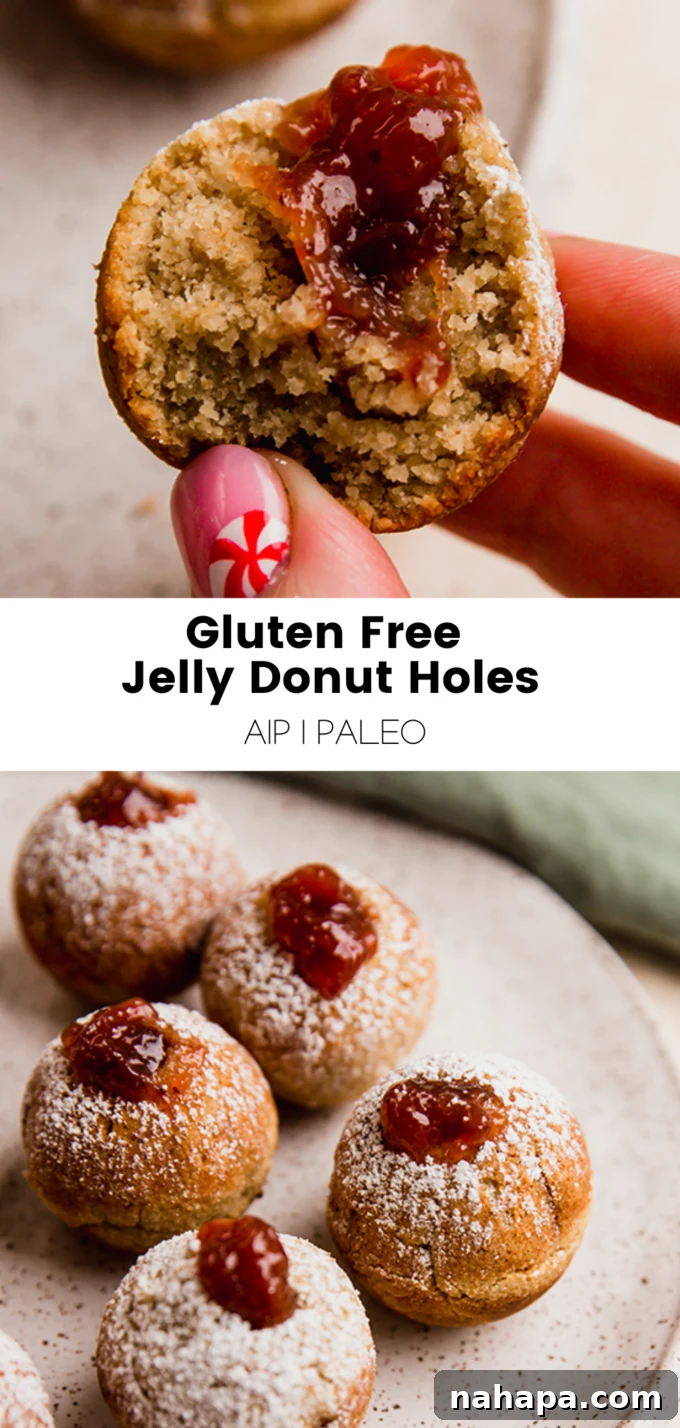
There’s something inherently delightful about a jelly donut – that fluffy, sweet dough bursting with fruity filling, often dusted with a cloud of powdered sugar. It’s a nostalgic treat that brings joy to any occasion, from holiday celebrations like Hanukkah to a simple weekend breakfast. However, for those navigating dietary restrictions, enjoying this classic can often feel out of reach. That’s where these incredible gluten-free jelly donut holes come in!
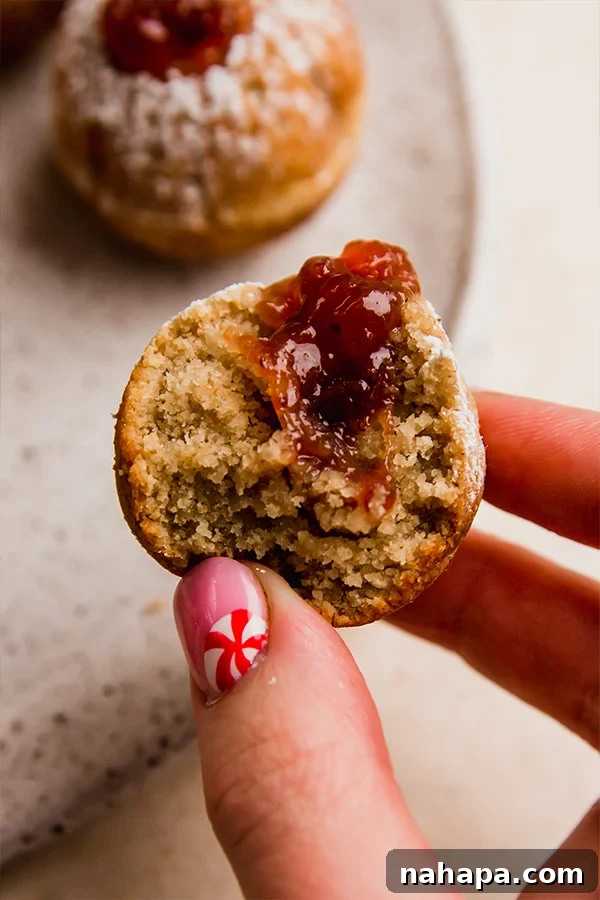
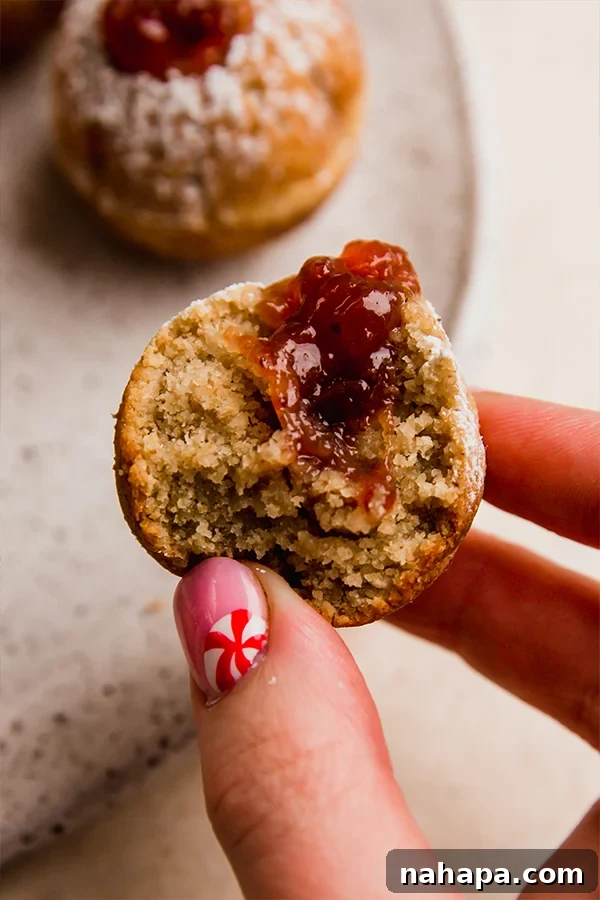
Imagine sinking your teeth into a perfectly cakey, sweet, and satisfying donut hole, only to discover it’s completely grain-free, dairy-free, and even egg-free. This recipe delivers all the classic flavor and texture you crave without any of the common allergens. It’s a game-changer for anyone following a gluten-free, dairy-free, or even an Autoimmune Protocol (AIP) diet, proving that delicious desserts don’t have to be off-limits. These donut holes are so remarkably close to the original, they disappear almost as quickly as they’re made in my household!
Why You’ll Fall in Love with These Gluten-Free Jelly Donut Holes
Crafting diet-friendly desserts that truly satisfy can be a challenge, but these jelly donut holes rise to the occasion, offering a multitude of reasons to make them your new go-to treat:
- Authentic Taste and Texture: Despite being free of grains, dairy, and eggs, these donut holes boast an incredibly authentic taste and a delightfully cakey texture that closely mimics traditional donuts. They strike the perfect balance of sweetness, ensuring they’re indulgent without being overly sugary.
- Dietary Inclusivity: This recipe is a fantastic solution for various dietary needs. It’s naturally gluten-free, dairy-free, and egg-free (thanks to gelatin as a binder). With a simple adjustment, it’s also suitable for the Autoimmune Protocol (AIP), making it accessible to a wide audience.
- Simplicity in Preparation: Don’t let the “specialty” ingredients intimidate you; the process for making these donut holes is straightforward and enjoyable. From mixing the dough to filling each delicate bite, you’ll find the steps easy to follow.
- Versatile Treat: Perfect for any occasion! Serve them at brunch, as a dessert for a special gathering, or simply enjoy them as a comforting snack with your morning coffee. They’re particularly wonderful for holiday celebrations where dietary restrictions might otherwise limit dessert options.
- Quick to Vanish: Fair warning – a batch of these delicious treats rarely lasts long! Their irresistible nature means they’re likely to be devoured by friends and family in record time.
Mastering the Ingredients for Perfect Gluten-Free Jelly Donut Holes
The secret to these amazing gluten-free, dairy-free, and egg-free donut holes lies in a thoughtfully selected blend of ingredients. Each component plays a crucial role in achieving the desired taste and texture, ensuring a result that rivals its traditional counterparts.
- The Flour Blend: Tigernut Flour, Tapioca Starch, and Coconut Flour.This specific combination is key to the donut holes’ structure and tenderness.
- Tigernut Flour: A fantastic grain-free and nut-free option, tigernut flour imparts a slightly sweet, earthy flavor and contributes to the soft, cakey crumb. It’s a foundational ingredient for many paleo and AIP baked goods.
- Tapioca Starch: Essential for lightness and chewiness, tapioca starch (also known as tapioca flour) acts as a binder and thickener, preventing the donut holes from becoming too dense. If you don’t have tapioca starch, arrowroot starch makes an excellent 1:1 substitute.
- Coconut Flour: Highly absorbent, coconut flour helps create a tender texture and adds a subtle sweetness. It’s important to measure coconut flour accurately, as too much can dry out your baked goods.
- Gelatin. In this egg-free recipe, gelatin serves as a powerful binder, mimicking the structural properties of eggs without the allergen. It’s added dry and activated by the moisture in the dough. For a vegan alternative, agar-agar powder can often be used, though results may vary slightly in texture.
- Baking Powder. This is your primary leavening agent, creating the airy pockets that give these donut holes their signature cake-like softness. Ensure your baking powder is fresh for optimal rise.
- Palm Shortening. Palm shortening is vital for achieving that rich, cakey texture and tender crumb. Its solid fat content contributes to a stable dough that bakes beautifully. While I haven’t personally tested it for this specific recipe, some readers have reported success using coconut oil as a substitute. Keep in mind that coconut oil has a lower melting point, which might result in a slightly different texture in the final product.
- Natural Sweeteners: Apple Sauce and Maple Syrup. These are the wholesome sweeteners integrated directly into the donut hole dough, providing both natural sweetness and essential moisture.
- Apple Sauce: Unsweetened apple sauce adds natural sweetness and helps keep the donut holes moist and tender, functioning as a fat replacer and a natural binder.
- Maple Syrup: A wonderful natural sweetener that contributes a depth of flavor and caramel notes, complementing the overall sweetness of the donut holes.
- Optional Topping: Powdered Sugar. A classic finish for jelly donuts, a light dusting of powdered sugar (also known as confectioners’ sugar) adds an extra touch of sweetness and a beautiful presentation. I recommend using organic powdered sugar to avoid cornstarch, which is often found in conventional varieties and may be an allergen for some.
- The Star of the Show: Strawberry Jam. While I particularly love the classic taste of strawberry jam for filling these donut holes, don’t hesitate to experiment with other flavors! Raspberry, apricot, or even a mixed berry jam would be delightful. For AIP compliance, ensure your chosen jam is sugar-free or consider making your own.

Essential Tools for Donut Perfection
Having the right kitchen tools can make all the difference in achieving perfectly shaped and filled donut holes. While some tools are optional, they significantly streamline the process and enhance the final result.
- Donut Hole Pan. While not strictly a necessity, a donut hole pan is highly recommended for creating uniformly round and perfectly baked donut holes. The specialized molds ensure even baking and a consistent shape that’s hard to achieve otherwise. It makes the process incredibly efficient and yields a professional-looking finish. If you don’t have a specific donut hole pan, don’t worry! You can still make these delicious treats by simply rolling the dough into small balls and baking them on a parchment-lined baking sheet. They might not be perfectly spherical, but they’ll taste just as amazing.
- Piping Bag and Narrow Tip. This tool is indispensable for cleanly and efficiently filling your donut holes with jam. A narrow tip allows you to inject the jam precisely into the center of each donut without making a mess or overfilling. If you don’t have a dedicated piping bag and tip, a practical alternative is a sturdy Ziploc bag. Simply snip off a tiny corner of the bag to create a small opening, and it will work similarly for piping.
- Paring Knife. A small, sharp paring knife is crucial for carefully piercing a hole in each baked donut hole before filling. This creates the perfect pocket for the jam, ensuring the filling is centered and prevents the donut from tearing.
How to Make Delicious Gluten-Free Jelly Donut Holes: A Step-by-Step Guide
Creating these delightful gluten-free, dairy-free, and egg-free jelly donut holes is a rewarding process. Follow these simple steps for a batch of treats that will impress everyone!
- Prepare Your Workspace and Oven: Begin by preheating your oven to 350°F (175°C). If you’re using a donut hole pan, lightly spray it with avocado oil spray to prevent sticking. If you don’t have a donut hole pan, line a baking sheet with parchment paper and lightly grease it. Proper preparation ensures your donut holes bake perfectly and release easily.
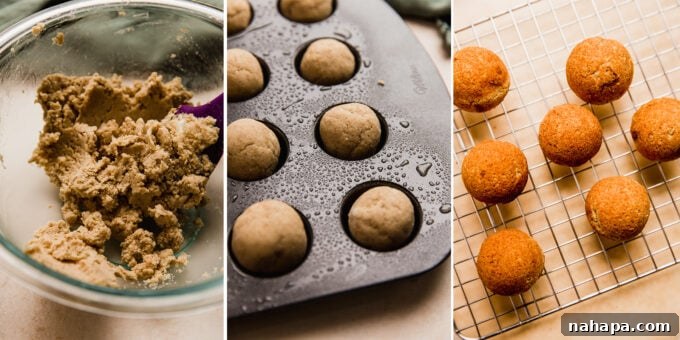
- Combine Dry Ingredients: In a medium-sized mixing bowl, whisk together the tigernut flour, tapioca starch, coconut flour, gelatin, and baking powder. Ensure all dry ingredients are thoroughly combined and there are no lumps. This step is crucial for even distribution and consistent texture.
- Prepare Wet Ingredients: In a separate, larger bowl, cream together the palm shortening, apple sauce, and maple syrup. Beat these ingredients until they are thoroughly combined and smooth. This creates the rich, moist foundation for your donut dough.
- Form the Dough: Gradually add the dry ingredient mixture to the wet ingredient mixture. Stir everything together until a cohesive dough forms. The dough should be soft, pliable, and easy to handle, not overly sticky or dry.
- Shape and Bake the Donut Holes: Using your hands or a small cookie scoop (about 1 tablespoon in size), scoop out portions of dough. Roll each portion into a smooth, even ball. You should get approximately 8-9 donut holes from this batch. Carefully place the dough balls into the prepared donut hole pan or onto your greased baking sheet, ensuring they are spaced evenly.
- First Bake (Donut Hole Pan Specific): If using a donut hole pan, bake for 10 minutes. Then, carefully remove the pan from the oven and, using tongs or a small spoon, gently rotate each donut hole to allow the other side to bake and brown evenly. Return to the oven and bake for another 5 minutes, or until fully baked and lightly golden.
- Baking on a Sheet Pan: If baking on a flat baking sheet, bake for 13-15 minutes, or until the donut holes are lightly golden brown on the bottom and cooked through. Baking times can vary depending on your oven, so keep an eye on them.
- Cool Completely: Once baked, transfer the donut holes from the pan or baking sheet to a wire cooling rack. Allow them to cool completely before attempting to fill them. Filling warm donut holes can cause the jam to melt and the donut to fall apart. Patience is key for this step!
- Prepare for Filling: While the donut holes are cooling, prepare your jam. Spoon the strawberry jam into a pastry bag fitted with a narrow tip. If you don’t have a pastry bag, use a sturdy Ziploc bag and snip off a small corner to create a piping opening.
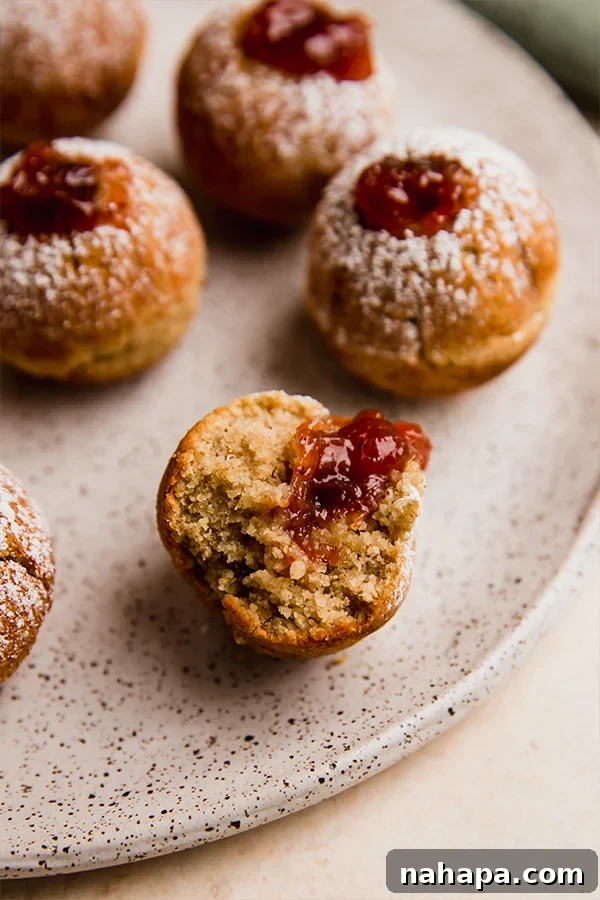
- Fill the Donut Holes: Using a small paring knife, carefully pierce a hole into the side of each cooled donut hole, creating a small cavity for the jam. Insert the tip of your pastry bag or Ziploc bag into the hole and gently squeeze the jam in. Continue filling until you feel a slight resistance, indicating the donut is full, and a small amount of jam begins to show at the opening. Repeat this process for all the donut holes.
- Serve and Enjoy: For a classic finish, lightly sift powdered sugar over the filled donut holes, if desired. Serve immediately and savor these incredibly delicious, homemade gluten-free jelly donut holes!
Storage Instructions for Your Gluten-Free Jelly Donut Holes
These delightful donut holes are best enjoyed fresh, but if you happen to have any leftovers (a rare occurrence!), proper storage will help maintain their deliciousness.
Store your gluten-free jelly donut holes in an airtight glass container in the refrigerator for 2-3 days. The refrigeration helps keep the jam fresh and preserves the texture of the donut holes. While they are still tasty cold, allowing them to come to room temperature for a few minutes before serving can enhance their softness. Alternatively, a quick 10-15 second warm-up in the microwave can bring back some of that freshly baked warmth, just be careful not to overheat the jam!
How to Make This Recipe AIP (Autoimmune Protocol) Compliant
Making these delicious jelly donut holes suitable for the Autoimmune Protocol is straightforward and requires just a couple of minor adjustments. These tweaks ensure the recipe remains free of common inflammatory ingredients while still delivering on flavor and texture.
- Omit the Powdered Sugar. The primary modification for AIP is to simply leave off the powdered sugar topping. Traditional powdered sugar often contains cornstarch, which is not AIP compliant. If you desire a touch of sweetness on top, a very light sprinkle of coconut sugar (ensure it’s AIP-friendly) can be used, or you can simply enjoy them without any dusting at all. The natural sweetness from the donut and the jam is usually plenty!
- Use a Sugar-Free, AIP-Compliant Jam. This is crucial. Many store-bought jams contain refined sugars or non-AIP thickeners. You’ll need to source a jam that is explicitly sugar-free and made with AIP-friendly ingredients (typically just fruit and a natural thickener like pectin). Alternatively, making your own homemade jam is an excellent and often preferred AIP option. You can find many recipes for homemade paleo strawberry jam that are naturally refined sugar-free and AIP compliant.
By following these two simple steps, you can confidently enjoy these scrumptious jelly donut holes as a compliant and satisfying AIP treat!
Beyond the Donut: Explore More Gluten-Free & AIP-Friendly Treats
If you loved these gluten-free jelly donut holes, you’re in for a treat! There’s a whole world of delicious, diet-friendly baked goods waiting to be discovered. Here are some other favorites from the collection that you might enjoy:
- Churro Dulce de Leche Filled Donut Holes: Indulge in the sweet, cinnamon-sugar coating of churros combined with a rich dulce de leche filling in these delightful donut holes. A truly decadent experience, reimagined for your dietary needs.
- Gingerbread Donut Holes: Perfect for the holidays or anytime you crave warm, spiced flavors, these gingerbread donut holes capture the essence of the classic cookie in a soft, cakey form.
- Apple Cider Donuts (AIP): Embrace the cozy flavors of autumn with these AIP-compliant apple cider donuts. They’re wonderfully moist and spiced, bringing the feel of an apple orchard right into your kitchen.
These recipes demonstrate that eating according to your dietary needs doesn’t mean sacrificing flavor or enjoyment. Happy baking!
Jelly Donut Holes (Gluten-Free)
8
donut holes
30
mins
15
mins
45
mins
Michelle
Leave a Review
Pin Recipe
Want to save this for later?
Sign up for our newsletter to get delicious recipes delivered straight to your inbox! ✉️
Ingredients
-
½
cup
tigernut flour -
¼
cup
tapioca starch -
¼
cup
coconut flour -
1
tbsp
gelatin -
1
tsp
baking powder -
¼
cup
palm shortening -
3
tbsp
apple sauce -
2
tbsp
maple syrup -
¼
cup
strawberry jam,
see notes for AIP -
3
tbsp
powdered sugar,
omit for AIP
Instructions
-
Preheat the oven to 350 F and spray the donut hole pan with avocado oil spray (or line a baking sheet with greased parchment paper).
-
Combine the tigernut flour, tapioca starch, coconut flour, gelatin, and baking powder together in a bowl. In a separate bowl, cream together the palm shortening, apple sauce, and maple syrup until thoroughly combined.
-
Combine the wet and dry ingredients and stir to combine until a dough forms.
-
Use your hands or a small cookie scoop to form about 8-9 donut holes. Roll into balls and add to the donut hole pan (or baking sheet) and transfer to the oven.
-
If using the donut hole pan, remove from the oven after 10 minutes of baking and very carefully rotate the donut holes to allow the other side to bake. Bake for another 5 minutes or until fully baked. If using a sheet pan, bake for 13-15 minutes or until lightly golden brown.
-
Transfer the donut holes to a cooling rack and allow them to cool completely.
-
Fill a pastry bag with a tip (or ziplock bag with a tip cut) with the jam. Using a paring knife, carefully pierce a hole in the donut holes. Fill with jam until you can feel the jam pushing back, and there’s a small amount of jam on top of the donut holes. Repeat for all of the donut holes.
-
Top with sifted powdered sugar if desired and serve!
Notes
All nutritional information are estimations and will vary. Estimations do not include optional ingredients.
Serving:
1
donut hole
,
Calories:
145
kcal
,
Carbohydrates:
17.6
g
,
Protein:
1.7
g
,
Fat:
8.8
g
,
Fiber:
3.3
g
Did you Make this Recipe?
Tag @unboundwellness on Instagram and hashtag #unboundwellness!