
This post contains affiliate links. Learn what that means, here.
Mastering AIP Travel: Your Ultimate Guide to Stress-Free Journeys
Traveling with an autoimmune condition, especially while strictly adhering to the Autoimmune Protocol (AIP) diet, can often feel like a monumental challenge. The thought of navigating airports, long flights, and extended stays while maintaining dietary integrity might seem daunting, if not impossible. However, after extensive personal experience—including international trips to Italy for my honeymoon and family vacations to Disney World, all while loaded with carefully prepared AIP travel food—I’ve truly cracked the code. It is absolutely possible to explore the world without compromising your health or peace of mind.
Managing a chronic health condition like Hashimoto’s requires unwavering commitment and effort. While simply taking a pill might seem like the “easier” route, my journey has consistently shown that dietary management is far more effective in achieving sustainable well-being. It’s a commitment, yes, but one that is profoundly rewarding. I vividly recall a trip to Disney World about five years ago, when I was only “gluten-free” and believed that was sufficient. While Disney’s accommodations were excellent, the limited approach simply wasn’t enough. I distinctly remember consuming a gluten-free pasta dish with tomato sauce and cheese, only to feel utterly dreadful for the remainder of the day. No one deserves to feel that way, especially when you’re on vacation, seeking relaxation and enjoyment. These feelings of discomfort can quickly overshadow the joy of travel.
This comprehensive guide, packed with actionable tips on food preparation, smart packing, and cultivating the right mindset, is designed to empower you. My goal is to provide you with the clarity and confidence needed to embark on your AIP travel adventures, transforming what once seemed impossible into a seamless, enjoyable experience. Let’s dive into how you can travel freely, happily, and healthily with AIP!
Essential AIP Airplane Travel Tips for a Smooth Journey
1. Strategic Meal Prep: Your Safest Bet for AIP Travel
When you’re traveling with AIP, bringing your own food isn’t just a recommendation; it’s a fundamental strategy for success. Relying on restaurant food, particularly during transit or in unfamiliar locations, carries significant risks. Common culprits like seed oils, inflammatory ingredients, and the pervasive threat of cross-contamination can quickly derail your progress and leave you feeling unwell. While eating out occasionally might seem tempting, the peace of mind and consistent well-being that comes from home-prepared meals are invaluable. Yes, it requires more time and planning upfront, but the investment in your health is undeniably worth it.
The key to successful AIP travel food preparation lies in thoughtful planning. Consider the duration of your travel, access to refrigeration, and the types of meals you typically enjoy. Focus on nutrient-dense, easily transportable options that will keep you satiated and energized. Think about meals that hold up well over time and can be eaten hot or cold.
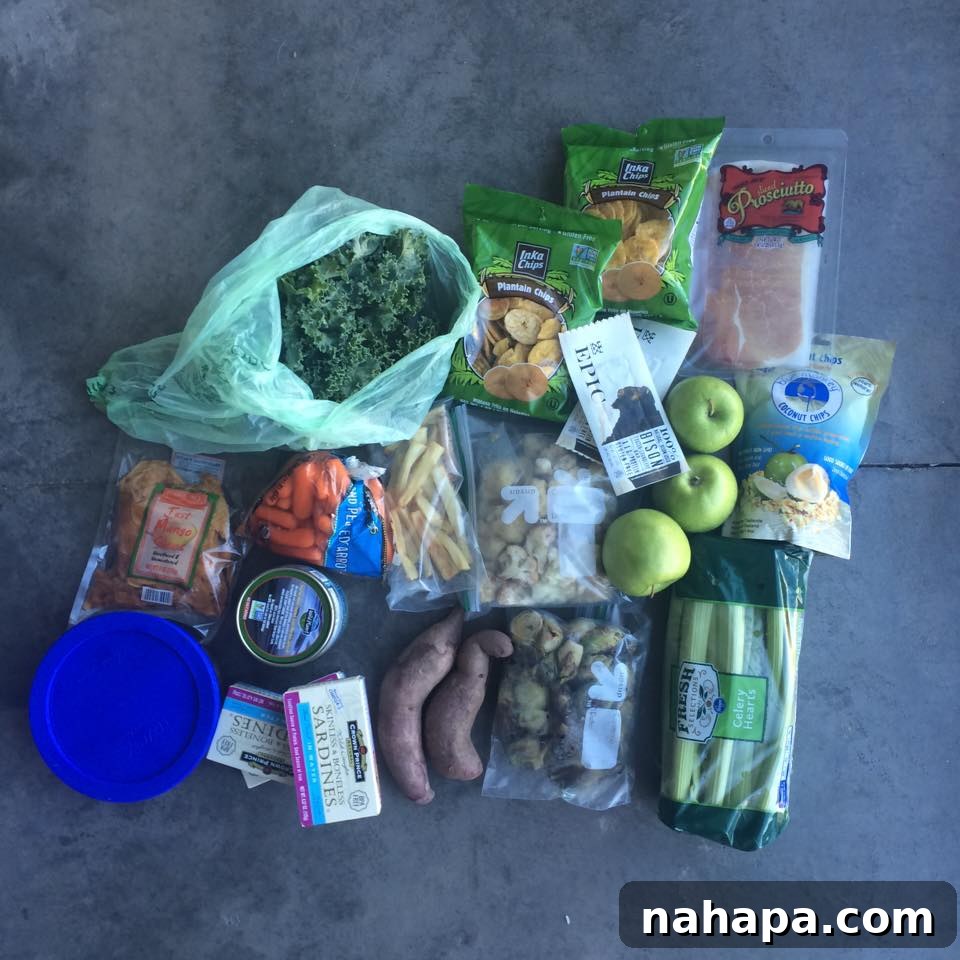
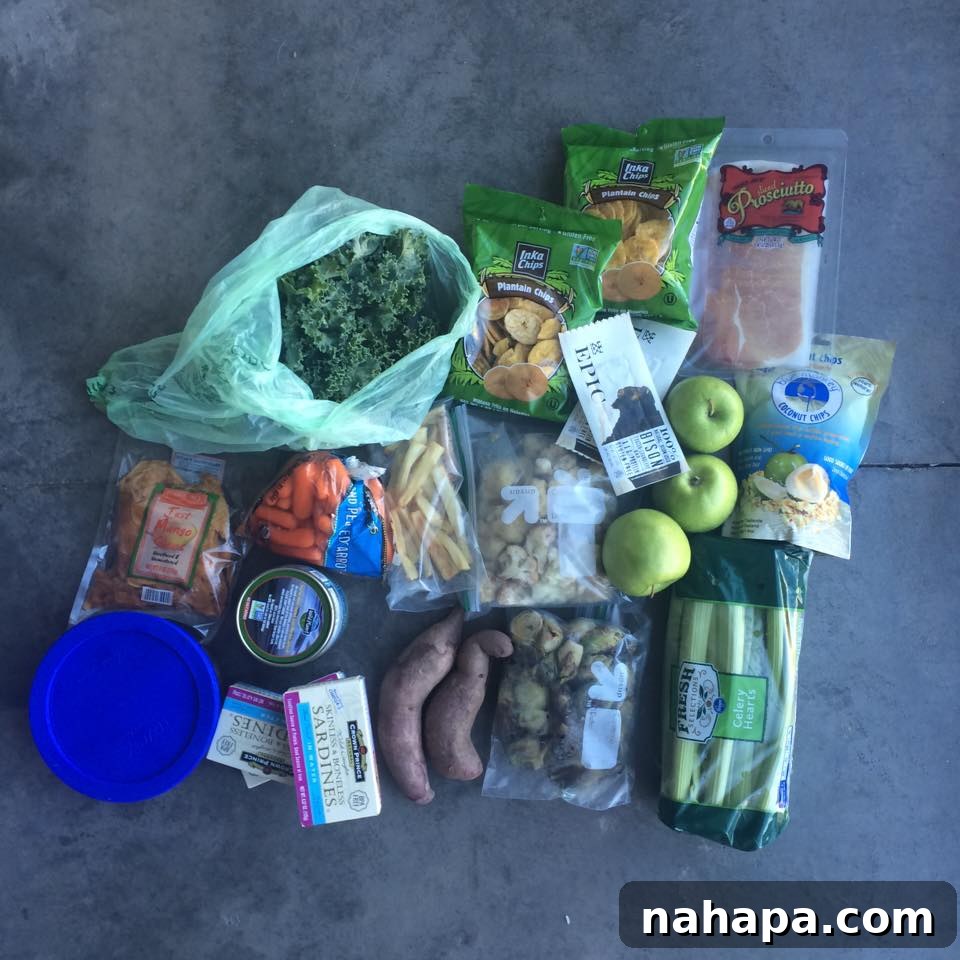
So, what exactly should you pack in your AIP travel food arsenal? Here’s a detailed breakdown:
Opt for Nutrient-Rich Vegetables Over Dried Fruit
While dried fruit can be a quick energy source, prioritize fresh or roasted vegetables for their fiber and nutrient content. They offer sustained energy and fewer sugar spikes. Make sure to choose vegetables that are sturdy and travel well without bruising easily.
- Carrots: Excellent for snacking, packed with beta-carotene.
- Celery Sticks: Hydrating and crunchy, a great vessel for dips (if bringing AIP-compliant ones).
- Cucumber Slices: Refreshing and light.
- Kale Chips: Homemade and baked until crispy, a satisfying alternative to conventional chips.
- Roasted Cauliflower Florets: Flavorful and substantial, perfect for a mini-meal.
- Roasted Brussels Sprouts: Rich in vitamins and minerals, they hold their texture well.
- Steamed or Roasted Cabbage Wedges: Versatile and often overlooked, cabbage travels surprisingly well.
- Parsnip Fries: A delicious and compliant alternative to potato fries.
- Sweet Potato Cubes: Roasted or steamed, they provide complex carbohydrates and are quite filling.
Power-Packed Proteins for Sustained Energy
Protein is crucial for satiety and maintaining stable blood sugar levels, especially during long travel days. Prioritize lean, portable protein sources.
- Bison Epic Bars: A convenient, shelf-stable option (check ingredients for AIP compliance).
- Sardines (in olive oil or water): Nutrient-dense, portable, and a fantastic source of omega-3s.
- Wild Planet Tuna (in water or olive oil): Another excellent canned fish option.
- Homemade Jerky: Ensure it’s made without non-AIP ingredients like soy or sugar.
- Frozen Cooked Meatballs: A great way to carry a substantial meal component; they double as a cold pack initially.
- Frozen Bone Broth: Can be packed in a sturdy container; it will slowly thaw and provide a nourishing drink.
- AIP Beef Stew, Frozen: A hearty and complete meal that thaws to a delicious consistency.
- Cooked Chicken Breast or Thighs: Shredded or diced, perfect for adding to salads or eating plain.
- Breakfast Sausage Patties (AIP compliant): Cooked and frozen, they can be a satisfying start to the day.
Mindful Convenience Snacks (Minimal Processing)
While the focus should be on whole foods, a few carefully chosen, minimally processed snacks can be lifesavers for cravings or unexpected delays. Always read labels meticulously.
- Plantain Chips: A crunchy, satisfying alternative to potato chips.
- Jackson’s Honest Sweet Potato Chips: (Ensure ingredients are AIP compliant – often cooked in coconut oil).
- Coconut Chips: Plain, unsweetened varieties are excellent for a quick fat and fiber boost.
- Sauerkraut or Kimchi (Small, sealed packets if possible): Great for gut health, but be mindful of smell and leakage in confined spaces.
- Dried Figs or Dates (in moderation): For a natural sugar boost when energy dips.
- Tigernuts: A nut-free, crunchy snack rich in fiber.
- Olives: Marinated in olive oil, they offer healthy fats and flavor.
2. The Power of Insulation: Ice Packs and Cooler Bags
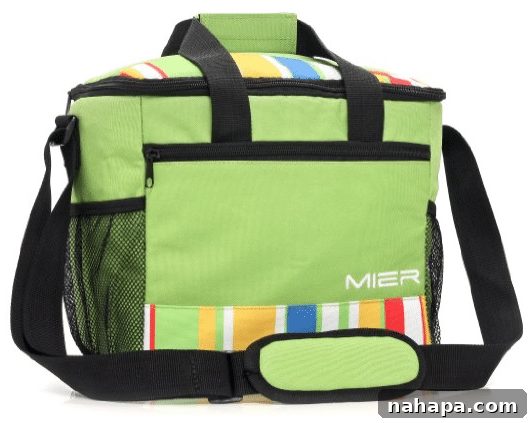
Don’t underestimate the importance of a good quality cooler bag and reliable ice packs. These are your best friends for keeping perishable AIP foods fresh and safe during transit. I have traveled extensively, domestically and internationally, and have never encountered an issue getting through TSA with ice packs, as long as they are completely frozen. I repeat, you absolutely can bring food and ice packs on an airplane, provided the ice packs are solid frozen. This critical rule means you can freeze things like your nourishing bone broth, hearty stews, or even pre-cooked meatballs and breakfast sausage, allowing them to serve dual purposes as both food and cooling agents. While you should be prepared for TSA agents to take a closer look at your bag – it’s a routine check for frozen items – you will more than likely be cleared to proceed without any trouble.
Investing in a high-quality, well-insulated cooler bag or mini freezer bag is paramount. Look for one that is designed for durability and effective temperature retention. My personal recommendation is to choose a durable and well-insulated option that is also easy to carry, especially through busy airports. The right bag can keep your food safely chilled for many hours, which is essential for longer flights or layovers. Consider soft-sided coolers for flexibility and ease of packing, ensuring they fit comfortably under your seat or in the overhead compartment.
3. Smart Storage: Choosing the Right Tupperware for Travel
While I absolutely adore my glass tupperware for everyday use, travel calls for a more pragmatic approach. Glass, though ideal for food safety and heating, is significantly heavier and, more importantly, prone to breakage. I’ve had my share of “this is why we can’t have nice things!” moments after shattering glass water bottles on trips, and I prefer to avoid that particular heartbreak while navigating busy travel. For this reason, I tend to reserve glass containers for items that will remain frozen or are less likely to shift dramatically, and sparingly for other items. While plastics aren’t my first choice for daily food storage, for the convenience and durability needed during travel, I will utilize plastic baggies or lighter plastic containers for some foods.
A fantastic alternative that balances durability, lightness, and sustainability is a high-quality stainless steel container. I particularly love the Ecolunch box, which was actually on my wedding registry! I had been eyeing one for so long and was thrilled to finally get it. While you can’t pop it into the oven like glass, its robust construction, lightweight design, and multiple compartments make it an absolute godsend for travel. It’s perfect for separating different food items and keeping them secure.
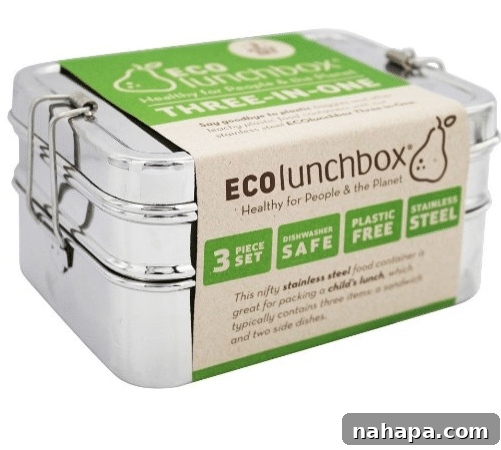
I put my EcoLunch box to excellent use during a recent conference in California, where it served as both a convenient storage solution and a makeshift plate. It was also my faithful companion on my international flight to Italy for my honeymoon, elegantly holding my carefully prepared dinners. I simply packed it ahead of time, and I was good to go! I couldn’t help but notice the somewhat envious glances from fellow passengers who were making do with standard airline meals, as I enjoyed a full, delicious, home-cooked AIP meal. It’s moments like these that truly highlight the benefits of meticulous preparation.
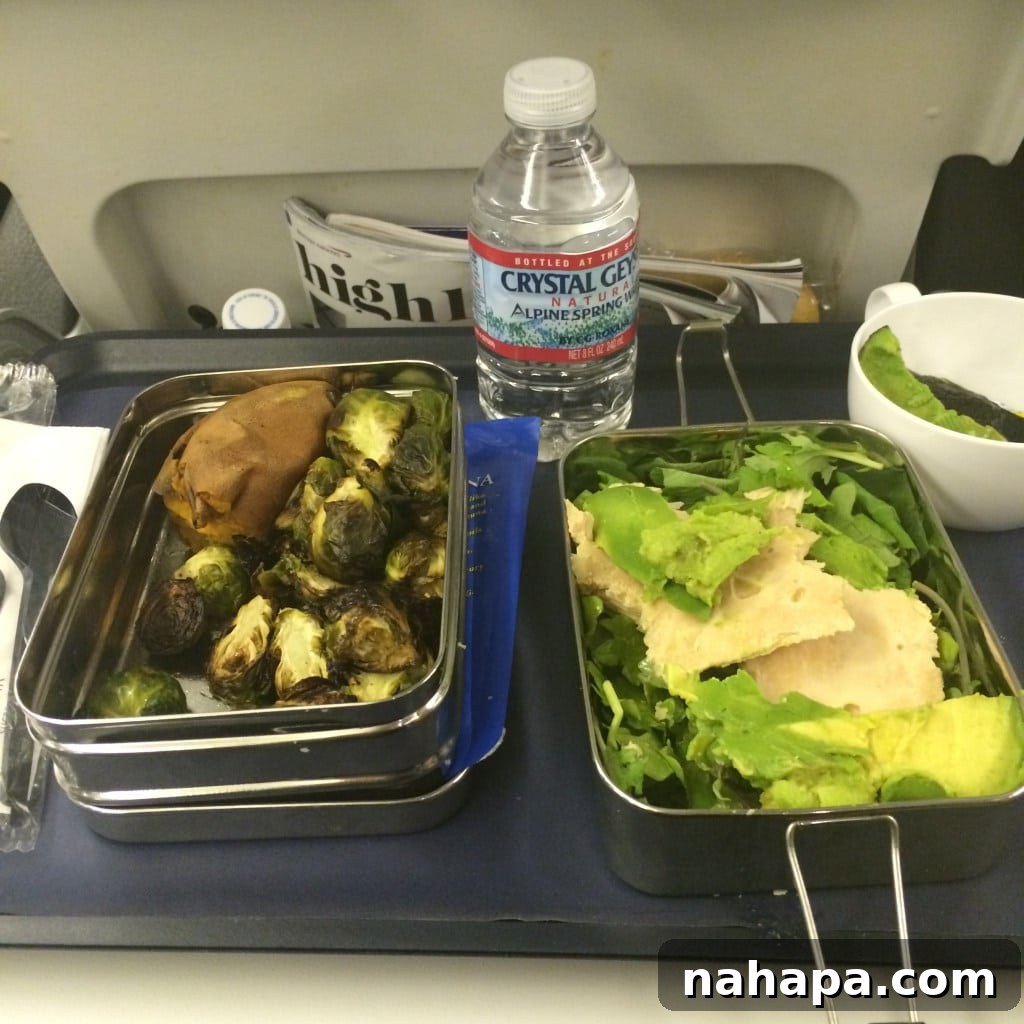
For this particular in-flight meal, I packed a delightful combination of roasted brussels sprouts, canned tuna, steamed sweet potato, and fresh kale. This nutrient-dense meal kept me feeling satisfied and energized throughout the journey, a stark contrast to how I used to feel when relying on less suitable options.
4. Embrace Local Living: The Airbnb Advantage for AIP
For extended stays, whether it’s a weekend getaway or a longer vacation, booking an Airbnb or similar short-term rental with kitchen access is an absolute game-changer for AIP travelers. This strategic choice provides you with the invaluable ability to prepare your own meals, giving you complete control over ingredients and cooking methods. No more worrying about hidden oils, cross-contamination, or a lack of suitable dining options. You’ll typically find a much larger fridge than what a standard hotel room offers, allowing you to stock up on fresh ingredients for the duration of your stay.
Upon arrival, I typically make a bee-line for a local grocery store, like Whole Foods or an equivalent natural food market, to stock up on fresh veggies, quality proteins, and other AIP staples. Many destinations also offer farmers’ markets, which are fantastic for finding fresh, local produce. Don’t assume that Airbnb’s are always more expensive than hotels; with a bit of research and flexibility, you can often find charming and well-equipped rentals that are significantly cheaper, especially when considering the money you’ll save by cooking rather than eating out for every meal. Take the time to scour listings, check reviews, and verify kitchen amenities to ensure a comfortable and AIP-friendly stay. This approach not only supports your dietary needs but also often provides a more authentic and immersive travel experience, allowing you to live like a local.
5. Cultivating a Grateful Mindset: Your Most Powerful Travel Tool
Adhering to an AIP template—avoiding nightshades, grains, legumes, soy, refined sugars, and other inflammatory foods—has profoundly transformed my health and, consequently, the way I travel. It would be incredibly easy to fall into a trap of complaint, to feel sorry for myself that I can’t indulge in sugary treats on a flight or explore every new restaurant at my destination. However, I choose gratitude. I am immensely thankful that I have the knowledge and ability to navigate my travels without feeling ill, without succumbing to the debilitating symptoms that used to plague me.
The quality of life, especially when managing an autoimmune condition, is inextricably linked to the food we consume. When I choose to eat AIP-compliant meals, I am actively choosing to feel good, to have energy, and to truly enjoy my experiences. I genuinely love the food I eat because it supports my body and mind. This fundamental thankfulness is, in my opinion, one of the most critical, yet often overlooked, ingredients in any healing protocol. It’s a powerful antidote to the stress, anger, and frustration that can so easily creep in when faced with dietary restrictions in a world that often caters to the mainstream.
By actively denying the urge to complain and consciously choosing gratitude, we offer an immense favor to our bodies, our minds, and our entire day-to-day existence. A positive mindset reduces stress, which is a known trigger for autoimmune flare-ups. Instead of dwelling on what you “can’t” have, focus on the incredible freedom and joy that comes from feeling vibrant and well. Celebrate the delicious, nourishing food you *do* get to eat, and relish the energy it provides you to fully immerse yourself in your travel experiences. This shift in perspective transforms the journey from a restrictive ordeal into an empowering act of self-care and enjoyment.
Happy and healthy travels, friends! May your adventures be filled with wellness, joy, and delicious AIP-friendly discoveries. <3