
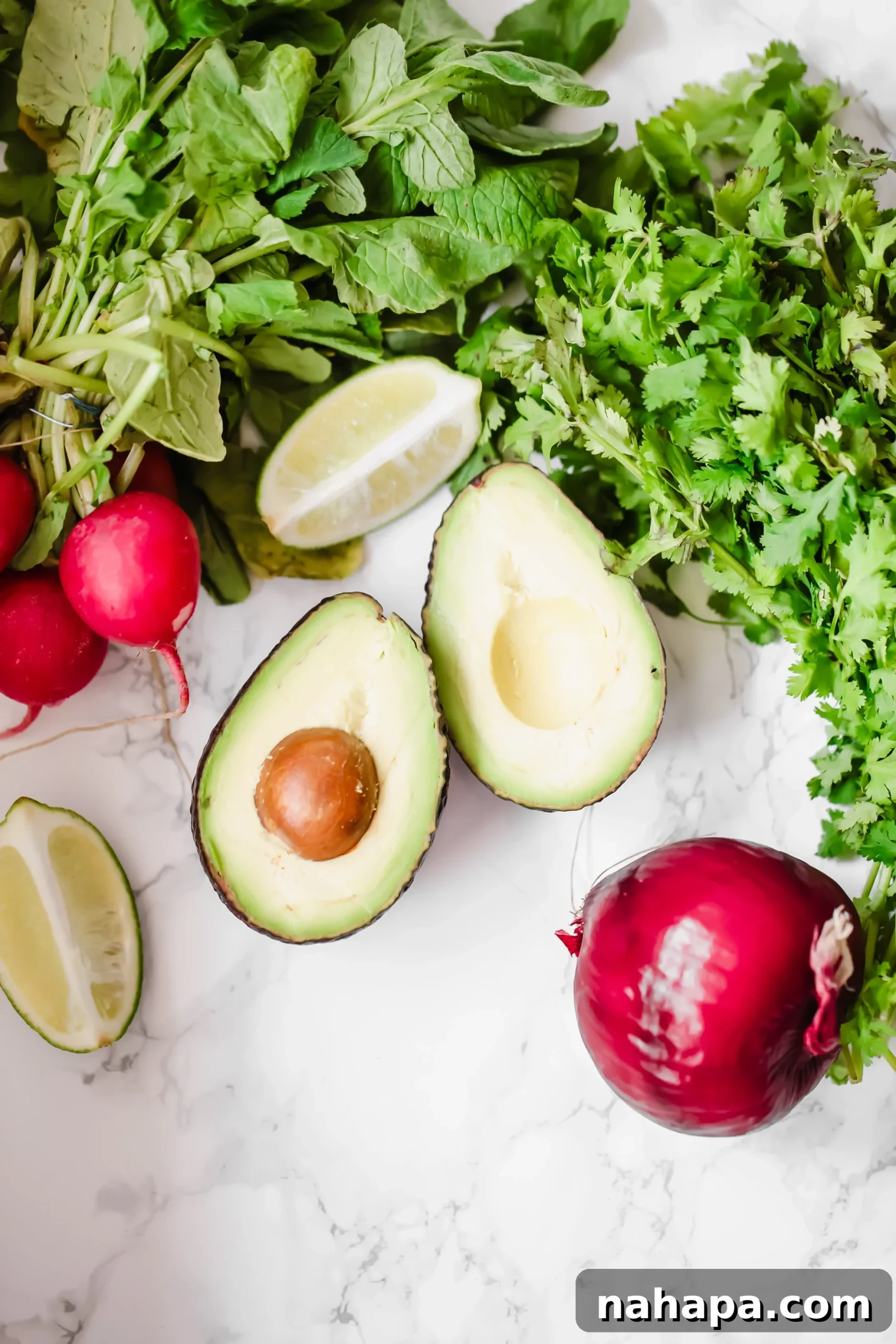
Living with an autoimmune condition can often feel like a constant battle against your own body. Many individuals seek effective ways to manage symptoms, reduce inflammation, and foster a healing environment internally. This comprehensive guide introduces you to the Autoimmune Protocol (AIP) diet, a powerful, evidence-based approach designed to support those navigating autoimmune challenges.
Understanding the Autoimmune Protocol (AIP) Diet: Your Comprehensive Guide to Healing
The Autoimmune Protocol (AIP) diet is a specialized elimination and reintroduction diet, meticulously crafted for individuals with autoimmune diseases. Its primary goal is to significantly reduce inflammation, heal the gut lining, and calm an overactive immune system, thereby giving the body the optimal conditions to recover and rebalance. Unlike a typical diet focused solely on weight loss, AIP is a profound nutritional intervention aimed at restoring health from within. It strategically removes inflammatory foods, common gut irritants, and immune-stimulating agents, while simultaneously emphasizing nutrient-dense foods crucial for repair and regeneration.
What is the Autoimmune Protocol (AIP) Diet?
At its core, the AIP diet is more than just a list of foods to eat and avoid; it’s a systematic approach to identifying dietary triggers that exacerbate autoimmune symptoms. It operates in two distinct phases: the elimination phase and the reintroduction phase.
During the **elimination phase**, specific food groups known to contribute to inflammation, gut irritation, or immune dysregulation are strictly removed for a minimum of 30 days, or until a noticeable improvement in symptoms is achieved. This critical period allows the body to “reset,” reducing the overall inflammatory burden and promoting gut healing, which is often compromised in autoimmune conditions.
Following this initial phase, the **reintroduction phase** begins, where eliminated foods are systematically reintroduced one by one. This careful process helps individuals pinpoint exactly which foods trigger adverse reactions and which can be safely incorporated back into their diet. The ultimate goal is to establish a personalized, sustainable diet that supports long-term health and symptom remission, rather than adhering to a strict, permanent elimination diet. Many individuals find that while they may not follow strict AIP forever, they adopt an “AIP template” or modified AIP lifestyle that feels best for their unique body.
The Core Principles of the AIP Diet for Autoimmune Healing
The effectiveness of the AIP diet stems from its foundational principles, which target the root causes of autoimmune dysfunction:
- Reducing Inflammation: Many foods common in the Western diet can promote chronic inflammation. AIP eliminates these offenders, allowing the body’s inflammatory pathways to calm down.
- Healing the Gut Barrier: A “leaky gut” (increased intestinal permeability) is widely implicated in autoimmune disease. AIP focuses on removing gut irritants and providing nutrients essential for repairing the gut lining.
- Regulating the Immune Response: By removing foods that can trigger immune reactions, AIP helps to modulate an overactive immune system, reducing autoimmune attacks.
- Maximizing Nutrient Density: The diet prioritizes foods rich in vitamins, minerals, and antioxidants, ensuring the body has all the building blocks it needs for healing and optimal function.
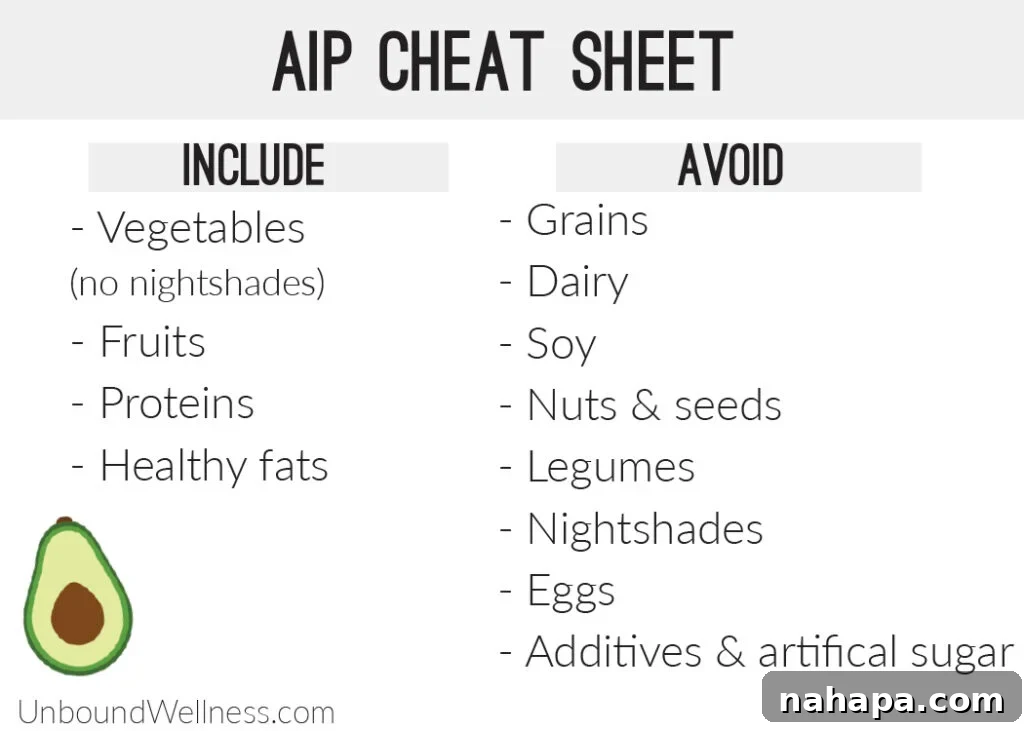
Foods to Embrace: What You Can Eat on the AIP Diet
While the elimination list may seem extensive, the AIP diet is surprisingly rich and satisfying, focusing on wholesome, nutrient-dense foods. The emphasis is on quality and variety to ensure robust nutrient intake during the healing phase:
- High-Quality Animal Proteins: This includes grass-fed and pastured meats (beef, lamb, pork), wild-caught fish and seafood (rich in omega-3s), and pasture-raised poultry. Organ meats like liver and heart are highly encouraged for their exceptional nutrient density, providing crucial vitamins and minerals.
- Abundant Vegetables: All non-nightshade vegetables are allowed and encouraged in generous quantities. This includes leafy greens (spinach, kale, collards), cruciferous vegetables (broccoli, cauliflower, cabbage), root vegetables (sweet potatoes, carrots, parsnips, yams), squash, and sea vegetables. Diversity in vegetable intake supports a healthy gut microbiome.
- Fruits in Moderation: While fruits offer valuable antioxidants and vitamins, they are typically consumed in moderation (1-2 servings per day) due to their sugar content. Berries, apples, and bananas are common choices.
- Healthy Fats: Essential for hormone production, brain health, and nutrient absorption, healthy fats are a cornerstone of AIP. Examples include avocados and avocado oil, olive oil (extra virgin), coconut oil, and animal fats (tallow, lard) from healthy, pastured animals.
- Fermented Foods: These probiotic-rich foods are vital for restoring gut health. Options include sauerkraut, kimchi, kombucha, and kefir (ensure they are dairy-free and sugar-free, checking ingredients carefully).
- Bone Broth: A true superfood on AIP, bone broth is lauded for its collagen, gelatin, and amino acid content, which are critical for repairing the gut lining and reducing inflammation.
- Grain-Free Baking Flours: For occasional baking or thickening, flours derived from cassava, tigernut, tapioca, and coconut are permissible, offering versatile alternatives to grain-based flours.
- Herbs and Spices: Many non-seed based herbs and spices are allowed, providing flavor and additional anti-inflammatory properties to meals.
For an even more comprehensive list and downloadable PDF of AIP-friendly foods, click here!
Foods to Avoid: Navigating the Elimination Phase of AIP
The elimination phase is where the core work of AIP takes place. These foods are temporarily removed because they are common allergens, gut irritants, or can trigger an inflammatory or immune response in sensitive individuals. Understanding the rationale behind each category can help maintain adherence:
- All Grains: This includes wheat, corn, rice, oats, barley, rye, and pseudo-grains like quinoa and buckwheat. Grains contain compounds like gluten, lectins, and phytates that can irritate the gut lining and contribute to inflammation.
- All Dairy: All forms of dairy products, including milk, cheese, yogurt, and butter, are removed. Dairy proteins (casein, whey) and sugars (lactose) are common allergens and inflammatory triggers for many.
- All Legumes: This category includes beans (black beans, kidney beans, cannellini beans), lentils, chickpeas, peanuts, and green beans. Legumes contain lectins and saponins that can negatively impact gut health and immune function.
- Nightshade Vegetables and Spices: Tomatoes, potatoes (excluding sweet potatoes), eggplant, all peppers (bell, chili, cayenne), goji berries, and spices derived from peppers (paprika, chili powder) are avoided. They contain compounds like solanine that can be inflammatory for some individuals.
- All Nuts and Seeds: Nuts (almonds, walnuts, cashews) and seeds (chia, flax, sesame) are eliminated, along with seed-based spices (mustard, cumin). These contain phytic acid and saponins, which can irritate the gut, and are also common allergens.
- Eggs: Both egg whites and yolks are removed. Eggs are a common food allergen and can be particularly problematic for some with autoimmune conditions.
- Soy: All soy products (tofu, tempeh, soy milk, soy sauce) are eliminated due to their phytoestrogens, anti-nutrients, and common allergen status.
- Processed Sugars and Artificial Sweeteners: Refined sugars (cane sugar, high-fructose corn syrup) and artificial sweeteners (aspartame, sucralose) promote inflammation, dysregulate blood sugar, and negatively impact gut microbiota. Natural sweeteners like maple syrup or honey are limited and used sparingly.
- Poor Quality Seed Oils: Highly processed vegetable oils such as canola oil, sunflower oil, safflower oil, and soybean oil are high in inflammatory omega-6 fatty acids and should be strictly avoided.
- Food Additives, Gums, and Thickeners: Carrageenan, guar gum, xanthan gum, and other artificial additives found in processed foods can disrupt gut flora and trigger immune responses.
- Alcohol: Generally avoided due to its inflammatory and gut-irritating effects.
- Coffee: While some may reintroduce coffee later, it is typically eliminated initially due to its stimulating effect and potential for gut irritation in sensitive individuals.
Download your handy AIP Diet Wallet-Sized Cheat Sheet for easy reference!
Meal Planning on AIP: Delicious & Nourishing Ideas
Successfully adhering to the AIP diet involves creative meal planning. The key is to focus on a balance of protein, healthy fats, and abundant vegetables at each meal to ensure satiety and comprehensive nutrient intake.
AIP-Friendly Breakfasts
Forget the traditional eggs and toast! AIP breakfasts are savory, rich in protein and vegetables, and incredibly satisfying. Think of them as mini-dinners to start your day strong.
- Savory Turkey Breakfast Sausage: A delicious, easy-to-prepare option packed with flavor.
- Nutrient-Rich Breakfast Sausage Chicken Poppers: Portable and protein-packed for busy mornings.
- Flavorful Mexican Breakfast Skillet (AIP adapted): A vibrant dish combining various vegetables and ground meat.
- **Additional Ideas:** Leftover dinner from the night before, a simple bowl of sautéed greens with ground beef or chicken, or a fruit and avocado smoothie blended with leafy greens and collagen peptides for added protein and gut support.
Lunch and Dinner Inspiration
The possibilities for combining AIP-compliant proteins, vegetables, and healthy fats are endless, making lunch and dinner exciting and varied:
- AIP-Compliant Chicken Marsala: A rich and flavorful dish with mushrooms and a savory sauce.
- Sweet Potato Chicken Poppers: A crowd-pleaser that’s both nutritious and fun to eat.
- Wholesome Beef Stroganoff (AIP version): A comforting classic reimagined for AIP compliance.
- **Additional Ideas:** Large, colorful salads topped with grilled salmon or chicken, hearty stews and soups brimming with root vegetables and pasture-raised meats, or quick stir-fries using AIP-friendly vegetables and protein with a coconut aminos-based sauce.
The Importance of the Elimination Phase: Addressing Hidden Sensitivities
A common misconception when embarking on the AIP diet is believing that if you don’t experience an immediate, noticeable reaction to a specific food, then you don’t need to avoid it. However, this perspective often overlooks the insidious nature of chronic inflammation and hidden sensitivities.
Our bodies can become so accustomed to a state of low-grade, persistent inflammation that acute reactions to particular foods are masked. You might be consuming a food that contributes to your overall “immune load” daily, yet because your body is constantly in a reactive state, you don’t register a distinct negative response. Only by completely eliminating that food, allowing your system to calm down and heal, can you truly discern its impact. For instance, someone might eat tomatoes for years without visible issues. But after a period of strict AIP elimination, reintroducing tomatoes might reveal symptoms like joint pain, fatigue, or digestive upset that were previously attributed to their autoimmune condition or simply ignored. The elimination phase provides a crucial reset, creating a baseline of reduced inflammation from which you can accurately test individual food responses.
How Long Should You Follow the AIP Elimination Phase?
It’s vital to reiterate: the Autoimmune Protocol is not designed to be a permanent, lifelong diet. It is a therapeutic intervention meant to be followed for a specific period to achieve healing and identify triggers. Most individuals follow the strict elimination phase for a minimum of 30 days, though some may extend it to several months (60-90 days) until they experience a significant and consistent reduction in their autoimmune symptoms. The duration is highly individual and depends on your body’s unique healing timeline and the severity of your condition.
While you may observe bloggers or influencers who appear to “permanently” follow AIP, it’s more accurate to say they typically follow an “AIP template” or modified AIP lifestyle. This means they have successfully reintroduced many foods and continue to avoid only those specific triggers they identified, while still prioritizing the nutrient-dense, anti-inflammatory principles of AIP. For example, many, like myself, successfully reintroduce foods such as rice, almonds, coffee, and even dark chocolate, finding a sustainable balance that supports their well-being.
Mastering AIP Food Reintroductions: A Step-by-Step Guide
The reintroduction phase is perhaps the most crucial and empowering part of the AIP journey. It’s a systematic process that allows you to expand your diet while identifying your personal food triggers. Hasty reintroductions can undo weeks or months of healing, so patience and mindfulness are key.
Here is a detailed step-by-step process for successfully reintroducing foods:
- Ensure Significant Healing First: Do not rush into reintroductions. You should feel a significant, stable reduction in your autoimmune symptoms and a general sense of improved well-being before beginning this phase. This often means staying on the elimination phase for at least 30 days, or potentially longer, until symptoms have consistently improved.
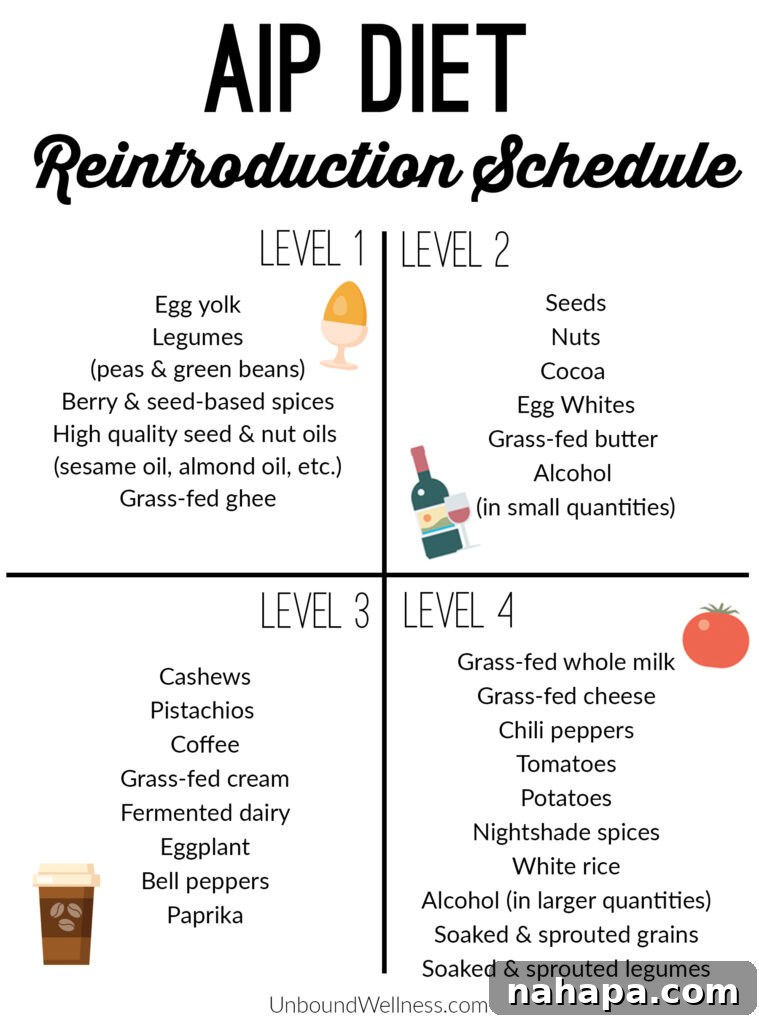
- Start with Less Reactive Foods: Begin with foods that are generally considered less likely to cause a reaction. These are often categorized into “levels” (e.g., egg yolks, seed-based spices, fruit/herb-based coffees, ghee/butter, etc.).
- Introduce One Food at a Time, in Isolation: This is critical for accurate identification. Choose one food you wish to test. For example, if you’re reintroducing egg yolks, ensure you haven’t introduced any other new foods recently.
- The Gradual Exposure & Observation Protocol (The 3-Day Rule):
- Day 1 (Test Day): Eat a small amount of the new food (e.g., a teaspoon of egg yolk). Wait 15 minutes. If no immediate reaction, eat a slightly larger amount (e.g., half an egg yolk). Wait a few hours. If no reaction, eat a normal serving size (e.g., one whole egg yolk).
- Day 2-3 (Observation Days): Avoid the reintroduced food completely. During these days, pay close attention to any physical or emotional changes.
- Diligent Symptom Tracking with a Food Journal: Maintain a detailed food and symptom journal. You are looking for a wide range of reactions, which can be immediate or delayed. These include:
- Digestive Issues: Bloating, gas, stomach pain, diarrhea, constipation, heartburn.
- Skin Changes: Rashes, eczema flare-ups, acne, itching.
- Energy Levels: Sudden fatigue, energy crashes, feeling sluggish.
- Mood & Mental Clarity: Brain fog, irritability, anxiety, mood swings.
- Pain: Joint pain, muscle aches, headaches, migraines.
- Sleep Disturbances: Difficulty falling or staying asleep.
- Other Symptoms: Swelling, congestion, dizziness, changes in heart rate.
- Decision and Rotation:
- If no reaction: The food is likely safe for you. You can then add this food back into your regular rotation, but it’s often wise to keep it out of your diet for a few more days before trying the next new food, just to be sure.
- If a reaction occurs: The food is not tolerated at this time. Re-eliminate it immediately and wait until all symptoms subside (usually 3-7 days) before attempting to reintroduce a different food. Failed reintroductions can often be attempted again months later, as your gut continues to heal.
- Repeat the Process: Continue this methodical approach for each new food you wish to reintroduce, working through the suggested reintroduction schedule.
Here is a brief outline of how the AIP reintroduction levels are typically phased, moving from generally less reactive to more potentially reactive foods:
Click to Download the AIP Reintroduction Schedule PDF for a visual guide
For more in-depth resources and practical strategies on navigating successful reintroductions and understanding your body’s unique responses, explore this valuable e-book and this detailed blog post.
Signs You’re Ready for Reintroductions: Recognizing Healing
Determining when your body is sufficiently healed and ready for the reintroduction phase is a highly personal assessment. There’s no one-size-fits-all answer, but generally, you should observe a period of sustained improvement. Here are the two primary indicators:
- A Noticeable and Consistent Reduction in Your Autoimmune Symptoms: This is the most direct and personal indicator. You should experience a significant decrease in the severity, frequency, or duration of your typical autoimmune symptoms. This could manifest as less joint pain, improved energy levels, clearer skin, better digestive regularity, reduced brain fog, and enhanced sleep quality. These improvements should be stable, not fluctuating wildly.
- Positive Changes in Your Labs/Blood Work: While not strictly necessary for everyone, improvements in specific inflammatory markers (e.g., CRP, ESR) or autoimmune antibodies, as confirmed by your doctor, can provide objective evidence of healing. Your practitioner can guide you on which labs are most relevant to your specific condition.
Beyond these, a general feeling of increased vitality, resilience, and emotional well-being also signals that your body is moving towards a healthier state. The specifics of what “healing” looks like will differ greatly from person to person. It is crucial to engage in open dialogue with your functional medicine doctor or healthcare practitioner. They can help interpret your individual progress, review your labs, and provide personalized guidance on when and how to begin the reintroduction phase safely and effectively.
Does the AIP Diet Really Work? Scientific Evidence & Success Stories
The question of efficacy is paramount for anyone considering a significant dietary change. While individual responses to the AIP diet can vary due to the complex nature of autoimmune conditions, a growing body of anecdotal evidence, supported by emerging scientific research, strongly suggests its potential as a powerful tool for managing symptoms and promoting healing.
Countless individuals living with conditions like Hashimoto’s thyroiditis, rheumatoid arthritis, psoriasis, and inflammatory bowel disease have shared inspiring stories of significant symptom reduction, improved quality of life, and even remission after diligently following the AIP protocol:
- Angie Alt’s Inspiring Healing Story
- Sophie’s Journey to Healing
Beyond personal testimonials, which, while powerful, are often considered anecdotal, the scientific community is increasingly exploring the therapeutic potential of the AIP diet. A groundbreaking medical study on the Autoimmune Protocol diet yielded astounding and encouraging results, providing valuable scientific validation. You can delve into the details of this pivotal research here. This research, alongside other ongoing studies, helps to solidify the potential efficacy of AIP as a legitimate and effective therapeutic intervention for many autoimmune conditions.
Beyond Diet: A Holistic Approach to Autoimmune Wellness
While the AIP diet is a cornerstone of managing autoimmune conditions, true healing encompasses much more than just food. A holistic approach recognizes that various lifestyle factors profoundly impact our immune system and overall health. To truly thrive with autoimmunity, consider these vital components:
- Stress Reduction: Chronic stress is a potent trigger for inflammation and immune dysregulation. Implementing practices like meditation, yoga, deep breathing exercises, spending time in nature, or engaging in hobbies can significantly reduce stress load.
- Adequate Sleep: Quality sleep is non-negotiable for healing. It allows the body to repair, detoxify, and regulate hormones and immune function. Aim for 7-9 hours of uninterrupted sleep per night.
- Non-Toxic Home and Body Care Products: Reducing exposure to environmental toxins found in cleaning supplies, cosmetics, and personal care products lessens the burden on your immune system and detoxification pathways.
- Appropriate Movement: Regular, gentle exercise improves circulation, reduces stress, supports lymphatic drainage, and can decrease inflammation without over-stressing the body. Think walking, swimming, gentle yoga, or tai chi, rather than high-intensity workouts during the healing phase.
- Community Support: Connecting with others who understand your journey provides invaluable emotional and practical support. It helps combat feelings of isolation and offers a space to share experiences and learn from others.
- Addressing Underlying Infections: Chronic or “stealth” infections (such as SIBO, Candida overgrowth, Epstein-Barr virus, or Lyme disease) can be significant drivers of autoimmune activity. Working with a knowledgeable practitioner to identify and treat these infections is crucial for deeper healing.
- Working with a Qualified Doctor/Practitioner: A skilled healthcare provider, especially one with expertise in functional or integrative medicine, can offer personalized guidance. They can help with proper diagnosis, interpret lab results, recommend targeted supplements, and help you navigate the complexities of your autoimmune journey. (For guidance on finding the right practitioner, read this post).
Essential AIP Diet & Lifestyle Resources
The Autoimmune Protocol community is a vibrant and ever-growing source of support, information, and delicious recipes. Harnessing these resources can make your AIP journey smoother, more sustainable, and truly enjoyable. Here are some of my top recommendations to help you navigate your path to healing:
Recommended Books for In-Depth Understanding:
- The Paleo Approach: Reverse Autoimmune Disease and Heal Your Body (by Sarah Ballantyne, PhD) – A scientific deep dive into AIP.
- A Simple Guide to the AIP: Autoimmune Protocol Diet Made Easy – A practical, accessible guide for beginners.
- The Autoimmune Paleo Cookbook: An Elimination Diet for Healing and Restoration (by Mickey Trescott) – Full of delicious, compliant recipes.
- The Healing Kitchen: 125+ Paleo-Inspired Recipes to Nourish Your Body and Calm Your Immune System – More inventive and comforting AIP recipes.
Trusted Blogs for Ongoing Guidance and Recipes:
- UnboundWellness.com (You’re already here – welcome to my corner of the internet!)
- ThePaleoMom.com (Dr. Sarah Ballantyne’s comprehensive resource for all things Paleo and AIP)
- PhoenixHelix.com (Eileen Laird’s valuable insights, support, and recipes for living well with autoimmune disease)
- AutoimmuneWellness.com (Mickey Trescott & Angie Alt’s collaborative wisdom, resources, and coaching)
- GrazedandEnthused.com (Jaime Hartman’s creative, mouth-watering AIP recipes)
- ASquirrelinthekitchen.com (Sophie Van Tiggelen’s delicious AIP recipes and meal plans)
- …and many more inspiring voices contributing to this vibrant healing movement!
Embarking on Your AIP Journey: A Starting Point
Taking the first step towards an AIP diet is a significant and empowering decision. It requires thorough research, careful planning, and a deep understanding of your own body and readiness. While the prospect might seem daunting initially, view it as a profound investment in your long-term health and well-being. It’s crucial to assess if this is truly the right path for you, right here, and right now. Even if a full, strict protocol isn’t feasible immediately, remember that you can still begin incorporating elements that support your well-being, paving the way for further steps down the line.
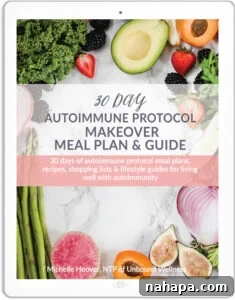
The comprehensive resources mentioned above are excellent next steps for further learning and practical application. Additionally, my e-book, the 30 Day Autoimmune Protocol Makeover, offers a structured 30-day guide to the AIP diet. It includes comprehensive lifestyle plans, detailed meal plans, convenient shopping lists, delicious recipes, and much more to help you confidently navigate your initial elimination phase and beyond. You can explore it further here!
No matter which direction you choose to take after reading this detailed guide, I sincerely hope it has provided clarity, answered your pressing questions, and empowered you to take positive and informed steps on your path to autoimmune wellness. Your healing journey is unique, and with knowledge and support, you can reclaim your health.