
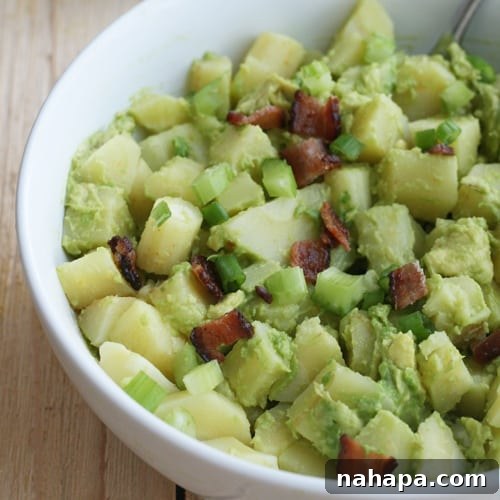
AIP Avocado “Potato” Salad: The Ultimate Nightshade-Free Summer BBQ Essential
Few culinary delights evoke the spirit of summer quite like a backyard barbecue. The sizzle of the grill, the laughter of friends, and the mandatory cool, creamy potato salad gracing the picnic table – these are the hallmarks of cherished memories. For years, however, this quintessential summer side dish remained off-limits for me. My journey through autoimmune challenges, specifically Hashimoto’s thyroiditis, led me to uncover a significant nightshade intolerance. Realizing the profound impact eliminating nightshades had on my health, I bid farewell to traditional potato salads.
But the desire for that classic summer staple never truly faded. This year, I decided it was time to reclaim the joy of a creamy “potato” salad without compromising my well-being. The result? A revolutionary AIP Avocado “Potato” Salad that not only satisfies every craving but also aligns perfectly with the Autoimmune Protocol (AIP). Get ready to indulge in a dish that’s rich, flavorful, and incredibly healthy, proving that dietary restrictions don’t mean sacrificing deliciousness.
Why Traditional Potatoes Can Be Problematic: Understanding Nightshade Sensitivity
At first glance, potatoes appear to be a harmless, wholesome food. They are a root vegetable, a staple in many diets globally, and certainly not on the list of common allergens like peanuts or dairy. So, why the caution for some individuals, especially those managing autoimmune conditions? The answer lies in their botanical classification: potatoes are members of the nightshade family (Solanaceae).
This family of plants contains naturally occurring compounds called glycoalkaloids, with solanine being the most notable in potatoes. While present in small amounts, solanine can act as a natural pesticide, protecting the plant from predators. For many sensitive individuals, however, these compounds can be highly inflammatory. When consumed, solanine can potentially disrupt the gut lining, contributing to increased intestinal permeability – often referred to as “leaky gut.” A compromised gut barrier can allow undigested food particles and toxins to enter the bloodstream, triggering an immune response and exacerbating autoimmune symptoms.
Common Symptoms and Conditions Associated with Nightshade Intolerance:
- Joint Pain and Inflammation: Many report increased stiffness, aches, and swelling in joints after consuming nightshades, mirroring symptoms of conditions like Rheumatoid Arthritis.
- Autoimmune Diseases: For individuals with conditions such as Hashimoto’s disease, Crohn’s disease, Lupus, or Psoriasis, nightshade consumption can often trigger flare-ups or worsen existing symptoms.
- Prolonged Food Allergies and Sensitivities: A compromised gut from nightshade sensitivity can make one more susceptible to developing other food intolerances.
- Migraines and Headaches: Some individuals experience severe headaches or migraines as a direct response to nightshade consumption.
- Digestive Issues: Symptoms like bloating, gas, stomach pain, and irritable bowel syndrome (IBS)-like discomfort are also common.
- Skin Issues: Certain skin conditions may worsen with nightshade intake for sensitive individuals.
What Are Nightshade Vegetables?
Beyond potatoes, it’s crucial to be aware of other common nightshade culprits. The list includes:
- Potatoes: White, red, yellow, russet, and blue potatoes (sweet potatoes are NOT nightshades).
- Tomatoes: All varieties, including tomato paste, sauce, ketchup, and sun-dried tomatoes.
- Eggplant: A popular vegetable in many cuisines.
- Bell Peppers: Green, red, yellow, and orange bell peppers.
- All Peppers and Red Spices: This includes cayenne pepper, chili powder, paprika, red pepper flakes, and any spice derived from peppers.
- Goji Berries: Often touted as a superfood, but a nightshade nonetheless.
- Ashwagandha: An adaptogenic herb, but also a nightshade.
For those following the Autoimmune Protocol (AIP), a dietary approach designed to reduce inflammation and heal the gut, nightshades are among the foods strictly eliminated during the initial healing phase. My personal experience strongly reinforces this protocol; removing nightshades has been one of the most impactful changes I’ve made for my overall health. While breaking my lifelong “french fry addiction” was undoubtedly challenging, discovering truly satisfying and healthy alternatives has been incredibly rewarding.
The Underrated Hero: Why Parsnips Are the Perfect “Potato” Substitute for AIP
When embarking on the quest for a suitable potato alternative for a creamy salad, many naturally gravitate towards sweet potatoes. While sweet potatoes are undoubtedly nutritious and delicious, offering a vibrant color and natural sweetness, I found myself leaning towards an often-overlooked root vegetable: the parsnip. And for good reason!
Parsnips possess a unique combination of flavor and consistency that makes them an exceptional stand-in for traditional white potatoes. When cooked, parsnips offer a starchy yet slightly sweet and earthy profile that more closely mimics the beloved texture of a potato compared to the denser, sweeter sweet potato. This textural similarity is paramount in achieving the authentic mouthfeel of a classic potato salad, allowing the parsnips to absorb the rich dressing beautifully.
Beyond their perfect textural resemblance, parsnips bring a wealth of nutritional benefits to the table. They are an excellent source of dietary fiber, promoting digestive health and satiety. Additionally, parsnips are rich in essential vitamins, including Vitamin C and K, and minerals like folate, potassium, and manganese. Their mild sweetness, which mellows beautifully upon cooking, adds another layer of complexity to the salad without overpowering other flavors.
My love affair with parsnips extends far beyond just this salad. I’ve successfully transformed them into incredibly delicious fries, complete with recipes for both avocado oil parsnip fries and indulgent duck fat parsnip fries. These recipes are testament to the versatility of this humble root vegetable, proving it can stand up to various cooking methods and deliver fantastic results.
Despite their culinary brilliance, parsnips remain somewhat off the mainstream radar. I often find myself explaining to perplexed cashiers that these “white carrots” are indeed a distinct and delicious vegetable, not some exotic hybrid. My dedication to #TeamParsnips is so profound that I’ve even memorized the produce code at my local Sprouts to streamline the checkout process! So, while we might secretly call this a “parsnip salad,” rest assured, your guests will likely be too busy enjoying its delightful flavor and familiar texture to question its true identity.
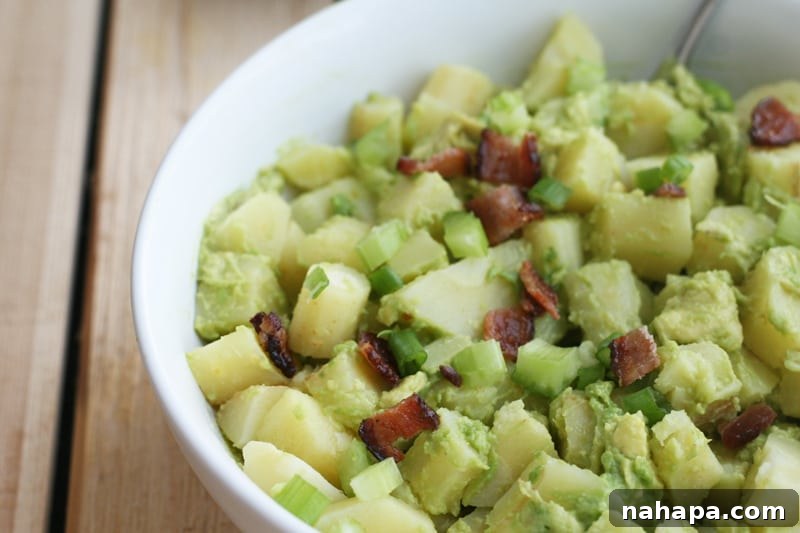
Crafting the Perfect AIP Avocado “Potato” Salad: Key Ingredients and Flavor Profile
The magic of this AIP Avocado “Potato” Salad lies in the harmonious blend of its simple yet powerful ingredients. Each component plays a crucial role in delivering that authentic, comforting potato salad experience, all while adhering to the strict guidelines of the Autoimmune Protocol.
Creamy Indulgence from Avocado
At the heart of our AIP-friendly dressing is the mighty avocado. Not only does it provide a luxuriously creamy texture that perfectly mimics traditional mayonnaise-based dressings, but it also infuses the salad with healthy monounsaturated fats. These fats are vital for satiety, nutrient absorption, and overall cellular health. When mashed with a touch of apple cider vinegar, the avocado transforms into a tangy, rich base that coats every piece of parsnip beautifully.
Savory Crunch from Bacon
What’s a good “potato” salad without a savory kick? The addition of crispy bacon bits elevates this salad from delicious to absolutely irresistible. Bacon introduces a deep, smoky flavor and a delightful textural contrast that complements the creamy parsnips and avocado. For those following AIP, it’s essential to source high-quality, sugar-free, uncured bacon to ensure compliance and avoid unwanted additives. Trust me, the smoky, salty crunch of bacon is a game-changer here, making it a staple addition to many of my AIP-friendly creations.
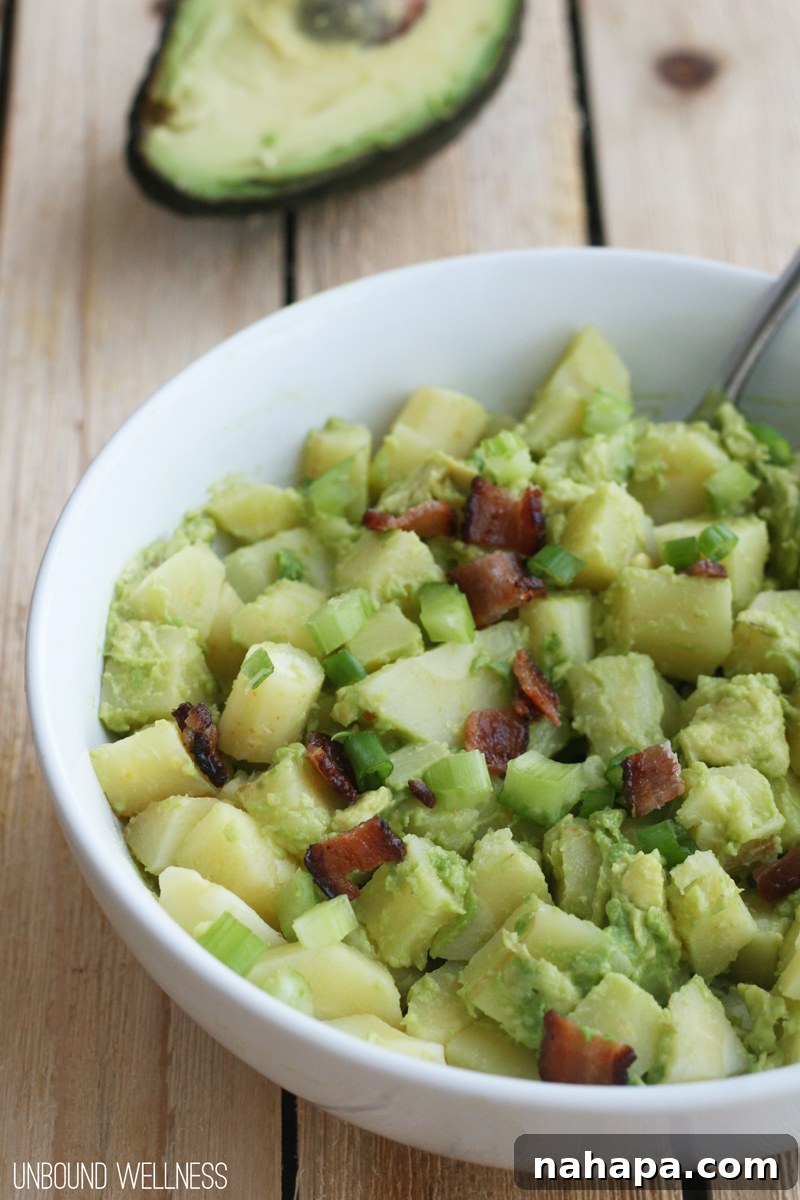
Balancing Flavors and Textures
Beyond the parsnips, avocado, and bacon, other ingredients contribute to the salad’s exquisite balance:
- Celery: Provides a refreshing crunch and a subtle, earthy flavor that complements the richness of the avocado and parsnips.
- Green Onion: Adds a mild, zesty bite and a touch of fresh vibrancy, enhancing the overall flavor profile.
- Apple Cider Vinegar (ACV): Essential for cutting through the richness and providing a crucial tangy note, mimicking the zest often found in traditional potato salads.
- Sea Salt: Crucial for seasoning and bringing out the best in all the ingredients.
Together, these ingredients create a symphony of flavors and textures – creamy, crunchy, savory, and tangy – ensuring that every spoonful of this AIP Avocado “Potato” Salad is a delightful experience. It’s a dish that stands proudly on its own, delivering all the comfort and satisfaction of its traditional counterpart without any of the inflammatory concerns.
AIP Avocado “Potato” Salad: The Recipe
Ready to make this delicious and healthy summer side? Here’s how to prepare your very own AIP-compliant “potato” salad.
INGREDIENTS
- 1 and a half lbs of parsnips, peeled
- 3-4 strips of crispy bacon, chopped (ensure sugar-free and uncured for AIP)
- 1 large stalk of celery, finely chopped
- 1/2 large avocado (or 1 small avocado), ripe
- 1 tbsp green onion, finely chopped
- 1 tsp apple cider vinegar
- 1/2 tsp sea salt (or to taste)
INSTRUCTIONS
- Prepare the Parsnips: Set a medium pot of water on medium-high heat and bring to a low, rolling boil. Add the peeled parsnips and boil for approximately 10 minutes, or until they are fork-tender. Once cooked, carefully strain the parsnips and set them aside in a bowl to cool completely. This step is crucial for the salad’s texture.
- Make the Avocado Dressing: In a separate medium-sized mixing bowl, add the ripe avocado and apple cider vinegar. Mash thoroughly with a fork until the mixture is smooth and well combined, forming a creamy base.
- Combine All Ingredients: Once the parsnips have cooled, add them to the avocado mixture. Incorporate the chopped crispy bacon, finely chopped celery, and chopped green onion. Sprinkle in the sea salt.
- Mix and Chill: Stir all the ingredients together gently until everything is evenly combined and the parsnips are thoroughly coated in the creamy avocado dressing.
- Allow to Chill: Cover the bowl with plastic wrap or transfer the salad to an airtight glass container (like Tupperware). Place it in the refrigerator and chill for a minimum of 2-3 hours. Chilling allows the flavors to meld beautifully and the salad to set.
- Serve and Enjoy: Serve the AIP Avocado “Potato” Salad cold as a refreshing and satisfying side dish. Enjoy your nightshade-free, autoimmune-friendly summer staple!
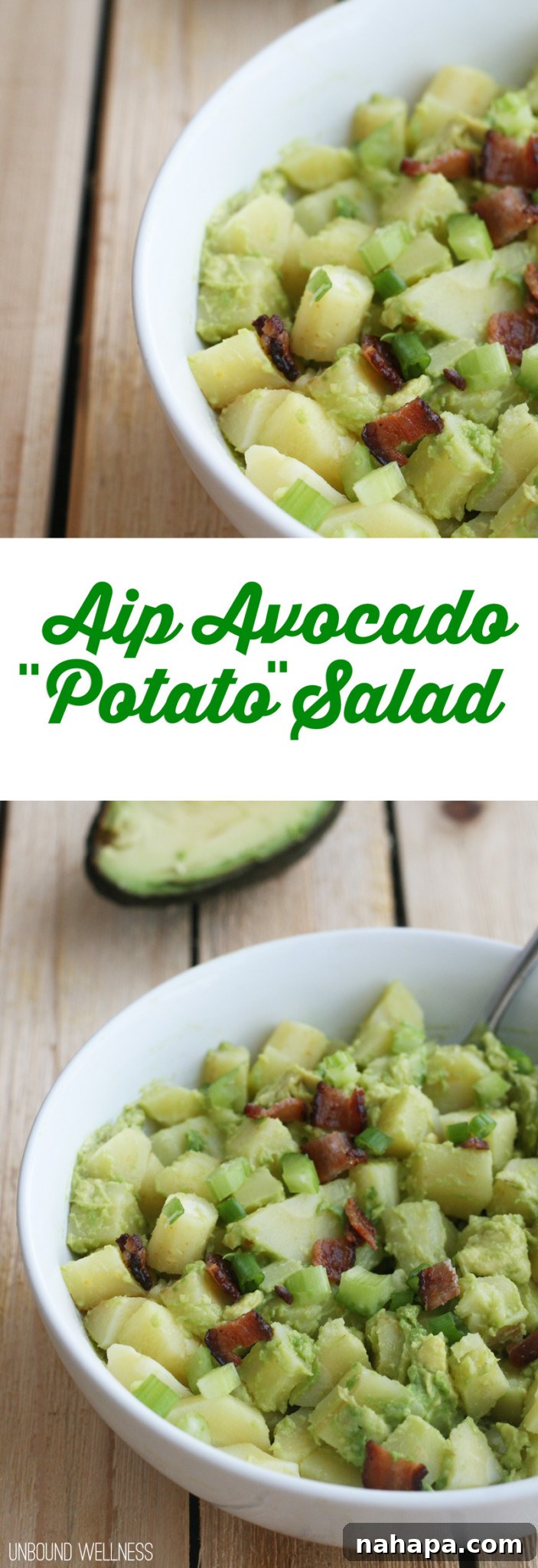
Embrace a Delicious, Healing Summer
This AIP Avocado “Potato” Salad is more than just a recipe; it’s a testament to the fact that managing autoimmune conditions and dietary sensitivities doesn’t mean sacrificing the flavors and traditions we love. By thoughtfully selecting ingredients and embracing creative substitutions, we can continue to enjoy delicious, comforting foods that actively support our health journey.
Whether you’re hosting a backyard barbecue, preparing a light lunch, or simply craving that classic creamy side, this nightshade-free, AIP-compliant “potato” salad is a perfect choice. It’s packed with wholesome ingredients, bursting with flavor, and guaranteed to be a crowd-pleaser – even for those who don’t have dietary restrictions. So, go ahead, whip up a batch, and savor the taste of a truly healing summer!