

Unlock Your Well-being: 10 Transformative Strategies for Optimal Gut Health
Do you often find yourself battling uncomfortable digestive issues? Perhaps you experience that heavy, “food-baby” sensation after a meal, an inexplicable midday fatigue, or persistent stomach aches that defy simple explanations. You are certainly not alone in these struggles. These common discomforts are often tell-tale signs that your gut health deserves closer attention.
But the impact of an unhealthy gut extends far beyond digestive woes. It’s increasingly recognized as a foundational pillar for your entire well-being. From chronic migraines and persistent acne to difficulties with weight management, mood fluctuations, and even autoimmune conditions, mounting evidence suggests that the root of many systemic health challenges lies within the complex ecosystem of your gut.
The Profound Connection: Why Gut Health is Non-Negotiable, Especially with Autoimmunity
The ancient wisdom of Hippocrates, who famously declared, “All disease begins in the gut,” resonates profoundly with modern scientific understanding. Our digestive system is not merely responsible for breaking down food; it’s a bustling hub where 80-90% of our immune system resides. It’s here that vital nutrients are absorbed, fueling every cell and process in our bodies. When this intricate system is compromised, the ripple effects can be extensive.
For individuals managing autoimmune conditions like Hashimoto’s thyroiditis or other chronic illnesses, optimizing gut health is often the missing piece of the puzzle. Personal journeys, including my own experience with Hashimoto’s, have revealed that true healing and symptom resolution often begin with profound improvements in gut integrity. Restoring gut health can lead to remarkable transformations, from normalizing thyroid antibody levels and TSH to revitalizing energy and alleviating debilitating stomach cramps, allowing clients to reclaim their vitality and feel truly alive again.
Whether you’re a proponent of New Year’s resolutions or simply seeking a meaningful change, committing to improve your gut health is a powerful goal that can catalyze a profound turnaround in your overall well-being. It’s an investment in your future health, starting today.
10 Actionable Ways to Drastically Improve Your Gut Health, Starting Now!

Before diving into these transformative tips, a crucial disclaimer: the information presented here is for educational purposes only and should not be considered medical advice. Addressing health concerns, especially those related to gut health, requires personalized guidance. Always consult with a qualified healthcare professional or functional medicine doctor to tailor these strategies to your unique needs and underlying conditions. Your journey to optimal gut health is best navigated with expert medical supervision.
1. Prioritize Mindful Eating: Chew Thoroughly and Dine in a Relaxed State
In our fast-paced society, mealtime often becomes another item on a never-ending to-do list. We rush through breakfast, grab lunch at our desks, and often eat dinner on the go between commitments. This hurried approach, while seemingly efficient, actively sabotages our digestive health. To truly support your gut, you must consciously shift into a relaxed state during meals and dedicate sufficient time to thoroughly chew each bite.
Digestion is a complex process orchestrated by hormones, enzymes, and nerve signals. For these digestive hormones to be properly activated and to prevent uncomfortable symptoms like bloating, gas, indigestion, or post-meal fatigue, your body needs to be in a parasympathetic (rest and digest) state. When we’re stressed or eating too quickly, our bodies remain in a sympathetic (fight or flight) state, suppressing the release of essential digestive juices and enzymes. Incomplete chewing further burdens your digestive system, forcing it to work harder and less efficiently.
Next time you sit down to eat, accept the “Mindful Eating Challenge” to cultivate better digestive habits:
- Choose a dedicated eating space: Sit at a proper table, away from your work desk, car, or even the couch.
- Eliminate distractions: Turn off the television and place all electronic devices out of sight and reach.
- Engage your senses: Take a moment to truly look at and smell your food. Practice a moment of gratitude, a prayer, or simply acknowledge the nourishment before you.
- Chew each bite diligently: Aim for at least 20-30 chews per mouthful, transforming solid food into a near-liquid consistency before swallowing.
- Separate liquids from solids: Reserve most of your fluid intake for before or after your meal to avoid diluting digestive enzymes.
This challenge might seem simple, but its impact on your digestion can be profound. By consistently practicing these habits, you’ll likely notice significant improvements in how you feel after eating.
2. Embrace Healthy Fats at Every Meal for Optimal Digestion
Not all fats are created equal, and the type of fat you consume plays a critical role in your gut health. Modern diets are often laden with highly processed vegetable oils such as canola oil, soybean oil, sunflower oil, and corn oil, as well as margarines. These industrial seed oils are far from natural; they are highly inflammatory and can disrupt fundamental digestive processes.
Our liver and gallbladder work in harmony to digest fats by producing and releasing bile. Bile acts as a natural emulsifier, breaking down dietary fats into smaller particles that can be absorbed. When we consume poor-quality fats, or even too few fats, our bile can become thick, stagnant, and less effective. This compromised bile flow impairs fat digestion, leading to systemic issues and harming overall gut health. Undigested fats are a major culprit behind intestinal lining damage, a significant factor in the development of “leaky gut,” and can directly contribute to uncomfortable post-meal bloating and nausea. Many individuals, including myself during my teenage years, experienced daily nausea that was directly linked to a diet high in poor-quality fats.
To safeguard your digestive system, it’s imperative to ditch inflammatory vegetable oils and consciously incorporate healthy, beneficial fats into every single meal. This practice encourages the production of healthy, free-flowing bile, significantly supporting your gallbladder and liver function, and preventing digestive discomforts like nausea and bloating.
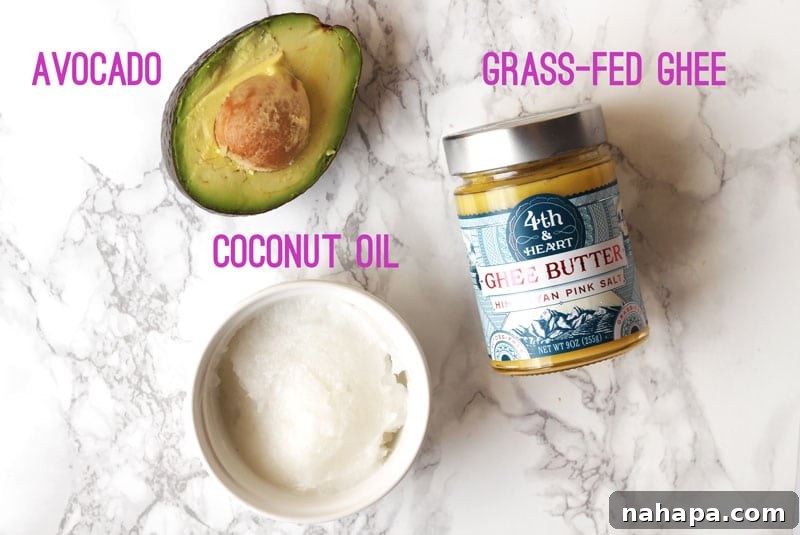
Make an intentional effort to include a variety of these gut-loving fats: organic extra virgin coconut oil, grass-fed butter or ghee, high-quality animal fats (from pastured animals), nutrient-dense avocados, properly soaked nuts and seeds (if tolerated), wild-caught fatty fish (like salmon and mackerel), and cold-pressed extra virgin olive oil. These healthy fats are not just building blocks for good bile; they are crucial for nutrient absorption and overall cellular health. Incorporating them regularly is a delicious and effective step toward robust gut health.
3. Cultivate a Thriving Gut Microbiome with Probiotics and Fermented Foods
The scientific community is only beginning to uncover the incredible complexity and profound impact of our gut flora – the trillions of microorganisms residing within our digestive tracts. This intricate community of bacteria, viruses, fungi, and other microbes plays an indispensable role in maintaining intestinal balance, protecting against pathogens, preventing leaky gut, and even influencing mood and immunity. Unfortunately, modern lifestyle factors, including diets heavy in processed foods, frequent antibiotic use, and certain medications like birth control, can severely disrupt and permanently damage this delicate ecosystem, throwing our gut health into disarray.
As a nutritional therapy practitioner, I consistently emphasize the importance of probiotic support. Traditional wisdom, highlighted in works like Weston A. Price’s “Nutrition and Physical Degeneration,” reveals that indigenous cultures globally integrated some form of fermented food into their daily diets. This ancient practice is not merely cultural; it’s a vital strategy for nourishing our gut and maintaining health.
I encourage all my clients to incorporate fermented foods into their routine. Options like sauerkraut, kimchi, or homemade beet kvass are excellent sources of beneficial bacteria, helping to replenish and diversify your gut flora.  While dietary ferments are powerful, targeted probiotic supplements can provide an additional boost, especially for those with significant gut dysbiosis. One high-quality option that many, including myself, have found beneficial is Prescript-Assist, a natural, soil-based probiotic. It’s important to remember that individual needs vary greatly, and what works for one person may not work for another, especially with potent formulas. Always consider what best suits your body and discuss options with a healthcare provider.
4. Fuel Your Gut Microbes: Don’t Forget Prebiotics
Once you’ve established a healthy population of beneficial gut bacteria through probiotics and fermented foods, the next crucial step is to provide them with the fuel they need to thrive. This is where prebiotics come in. Prebiotic fibers are non-digestible components of food that selectively stimulate the growth and activity of advantageous bacteria in the colon.
Think of it this way: you can introduce all the good “gut bugs” you want, but without the right diet to sustain them, they won’t be able to colonize effectively or perform their health-promoting functions. Prebiotic fibers essentially serve as food for your gut bacteria, helping them multiply, produce beneficial short-chain fatty acids (like butyrate), and strengthen your gut lining. Integrating a variety of prebiotic-rich foods into your daily diet is just as important as consuming probiotics.
Excellent sources of prebiotic fiber include:
- Bananas (especially slightly green ones) and plantains
- Jicama
- Asparagus
- Artichokes (both Jerusalem artichokes and globe artichokes)
- Garlic
- Onions and leeks
- Dandelion greens
- Chicory root
- Sweet potatoes and yams
Gradually incorporating these foods can significantly enhance the environment for your gut microbiome, leading to improved digestion, enhanced nutrient absorption, and stronger immune function. Start with small amounts and increase slowly to allow your digestive system to adapt, minimizing potential gas or bloating.
5. Thoughtful Supplementation: Wise Use of Digestive Support
Even with the best dietary and lifestyle practices, our digestive system sometimes needs a helping hand. Digestive support supplements can be incredibly beneficial, especially during the initial phases of healing or for ongoing maintenance. To this day, many health practitioners, including myself, regularly utilize and recommend certain digestive aids to clients.
However, the key word here is “wisely.” Supplementation should always be personalized and ideally guided by a healthcare professional. Consulting with your doctor or a qualified practitioner is paramount to determine which supplements are best suited for your specific situation and to avoid any contraindications.
Generally, two categories of digestive support often prove highly effective:
- Digestive Enzymes: These enzymes help break down macronutrients into smaller, absorbable units. There are different types, such as fat-digesting enzymes (e.g., lipase), carbohydrate-digesting enzymes (e.g., amylase), and protein-digesting enzymes (e.g., protease). Often, comprehensive enzyme formulas are available, but targeted enzymes can be very useful if you struggle with specific food groups. Enzymes can alleviate symptoms like bloating, gas, and a feeling of fullness after meals.
- Stomach Acid Support: Contrary to popular belief, insufficient stomach acid (hydrochloric acid, or HCL) is a common issue, often leading to symptoms mistakenly attributed to excess acid, such as reflux and heartburn. Adequate stomach acid is crucial for sterilizing food, activating protein-digesting enzymes, and initiating proper digestion. Options to explore with your provider include HCL tablets with pepsin (taken before meals) or digestive bitters (herbal concoctions that stimulate digestive secretions). These can significantly improve digestion, reduce reflux, and enhance nutrient absorption.
Remember, the goal is to support your body’s natural digestive processes, not to replace them permanently. Work with an expert to find the right balance for your unique gut.
6. Master Meal Preparation: Batch Cook Healthy Meals at Home
Dining out, while convenient, can be a major disruptor to gut health. Restaurant meals are frequently prepared with cheap, inflammatory vegetable oils, excessive sugars, artificial flavorings, colorings, and a host of other low-quality ingredients that can significantly harm your digestive system. Even seemingly “healthy” options can harbor hidden culprits that undermine your efforts to heal and maintain a healthy gut.
A common pitfall for many on a healthy lifestyle journey is the lack of planning. People often stick to their healthy habits for 90% of the time, only to derail their progress with an unplanned, unhealthy meal at a restaurant due to time constraints or convenience. We all lead busy lives and have valid reasons for not always having time to cook from scratch. However, smart meal planning and efficient home cooking are absolutely critical for fostering a robust and resilient gut.
Implementing a weekly batch cooking strategy is an excellent way to stay on track and minimize the temptation of unhealthy takeout. Start small: dedicate a couple of hours over the weekend to prepare one large dish, such as a hearty soup, a roasted chicken, or a pot roast, alongside some versatile vegetable sides. As you become more comfortable, expand your repertoire. Before you know it, spending a designated block of time on Sunday to prep meals for the week will become a natural and indispensable part of your routine. This proactive approach ensures you always have nourishing, gut-friendly options readily available, making healthy choices effortless.
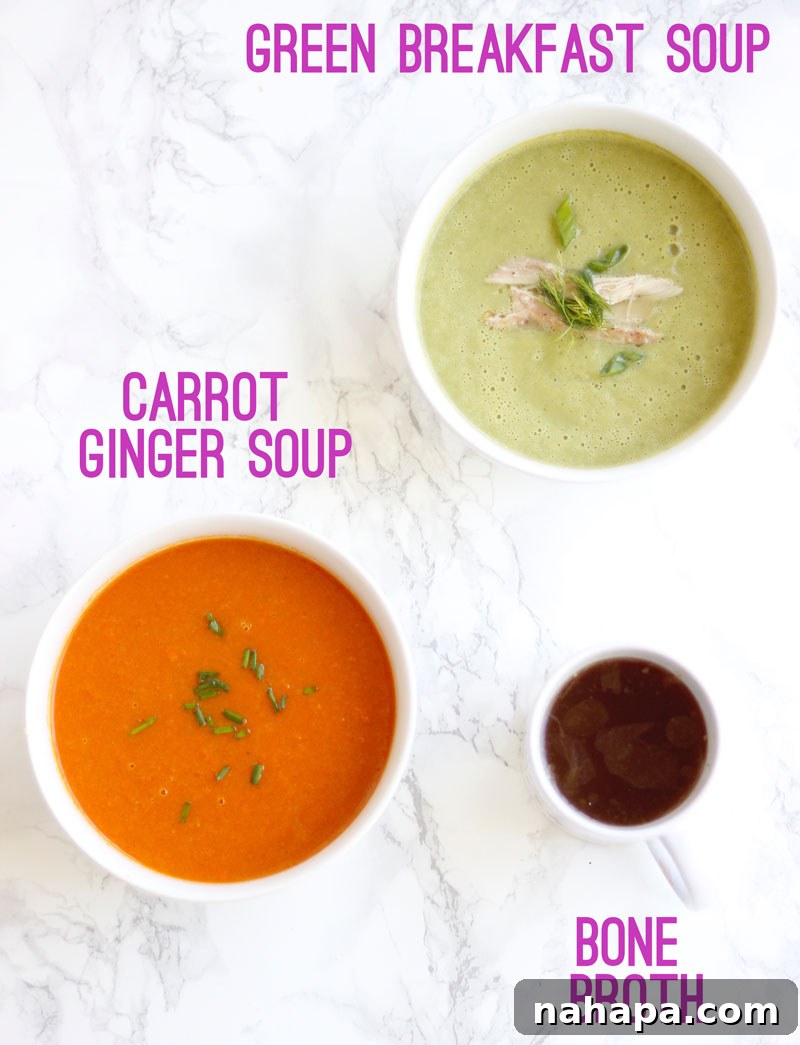
photo by MyDallasObsession.
For additional guidance, many resources offer free guides on batch cooking when you sign up for newsletters, and there are countless blog posts, such as “How to Prep Meals AIP for the Week!” (example here), dedicated to streamlining your meal preparation process and keeping your gut happy.
7. Rescue Remedies: Bone Broth, Collagen, and Apple Cider Vinegar for Gut Support
When your gut is feeling particularly sensitive, or you’re experiencing a flare-up, certain foundational foods and remedies can provide immediate soothing and healing support. There’s a profound reason why chicken soup is universally recognized as the ultimate comfort food for sickness: traditional versions are made with deeply healing, nutrient-dense bone broth. Bone broth is a true superfood for the gut, brimming with collagen, gelatin, and a spectrum of amino acids (like glycine and glutamine) that actively work to soothe and repair a compromised gut lining. Beyond its structural benefits, it’s also a rich source of easily absorbable minerals like calcium, magnesium, and phosphorus, essential for overall healing and bodily function.
Incorporating bone broth a few times a week, or even daily if you’re actively targeting gut healing, can yield remarkable results. It’s wise to always keep a few cups frozen for quick access. Explore recipes for perfect gut-healing bone broth or nourishing meals like beef stew that utilize this powerful ingredient.

If bone broth isn’t readily available or doesn’t appeal to you, grass-fed collagen hydrolysate is an excellent alternative. It shares many of the same gut-healing properties as bone broth, being rich in amino acids vital for tissue repair. Collagen powder is incredibly versatile: it’s tasteless, dissolves perfectly in hot or cold liquids, and can be added to soups, smoothies, teas, or simply stirred into your water. For a refreshing, gut-supportive treat, consider a gut-healing acai bowl packed with antioxidants and collagen.
For acute stomach upset or to stimulate digestive acids before a meal, raw, unfiltered apple cider vinegar (ACV) is a powerful remedy. Dilute about 1 tablespoon of ACV in a glass of water and sip it slowly. This simple solution can help balance stomach pH, aid in breaking down food, and alleviate indigestion. It’s a fantastic natural tool to prime your digestive system.
8. Harness Ancient Wisdom: Try a Healing Castor Oil Pack for Targeted Support
While seemingly old-fashioned and a bit messy, castor oil packs offer a uniquely powerful and targeted approach to digestive and liver support. Revered since ancient Egyptian times for its healing properties, castor oil, when applied topically, is believed to enhance blood flow, stimulate lymphatic drainage, and promote detoxification.
The application is straightforward: soak a piece of flannel cloth (preferably organic) in high-quality, cold-pressed castor oil until saturated. Place the oil-soaked cloth directly onto your skin over the desired area, cover it with plastic wrap (to prevent staining), and then apply a heating pad or hot water bottle for approximately one hour. During this time, simply lie back, relax, and allow the pack to work its magic. Many users report feeling gentle movements and internal activity, and castor oil packs have even been anecdotally associated with assisting in the reduction of ovarian cysts and promoting significant gallbladder support.
- If you’re experiencing stomach cramping or general digestive discomfort, apply the pack directly over your stomach area.
- For nausea, post-indulgence recovery (e.g., after too much alcohol or a particularly greasy meal), or targeted liver/gallbladder support, place the pack over your right ribcage, where your liver and gallbladder are located.
I have personally utilized castor oil packs numerous times over my liver and gallbladder to alleviate nausea, consistently finding it to be an effective tool for targeted relief and detoxification support. It’s a wonderful, non-invasive method to encourage your body’s natural healing processes.
9. Prioritize Peace: Stress Less for a Healthier Gut
You’ve mastered meal prep, so now stress is a breeze, right? Not quite! While smart planning can alleviate some daily pressures, managing stress is an ongoing, vital component of true gut healing and overall well-being. The connection between our brain and gut, known as the gut-brain axis, is incredibly powerful. The phrase “butterflies in your stomach” isn’t just an idiom; it’s a literal reflection of how stress directly impacts our digestive system.
Chronic stress is catabolic, meaning it breaks down our body tissues and processes. It severely disrupts digestion by diverting blood flow away from the gut, reducing the production of digestive enzymes and stomach acid, and shifting the body out of its parasympathetic “rest and digest” state. This sustained state of alarm directly harms our gut lining, alters our gut microbiome, and depletes vital nutrients needed for hormonal balance and healthy digestion. Consequently, stress can exacerbate existing gut issues like IBS, reflux, and bloating, and even contribute to the development of new problems.
Limiting stress isn’t about eliminating it entirely, which is often unrealistic. Instead, it’s about developing effective coping mechanisms and proactively reducing chronic stressors where possible. I encourage clients to identify one “low-hanging fruit” – a small, manageable stressor they can address immediately. This could be anything from organizing a carpool to get a break from daily driving, hiring a maid once a month for deep cleaning, or simply committing to 10 minutes each morning for a cherished personal activity like reading or meditation. Whatever it is, dedicating effort to reduce stress is never wasted; it’s a direct investment in your gut and your overall health.
10. Nourish Your Gut Daily: Embrace Healing, Nutrient-Dense Foods
In the realm of gut health, discussions often heavily focus on what to eliminate – gluten, grains, dairy, and other common culprits. While dietary exclusions can be incredibly valid and necessary in many situations to reduce inflammation and identify sensitivities, it’s equally, if not more, important to emphasize what you *include* in your diet. A truly healing diet is abundant in foods that actively nourish and support your gut.
Every single day, make a conscious effort to consume foods that are inherently healthy, deeply nourishing, and specifically beneficial for your gut. This proactive approach ensures you’re consistently providing your digestive system with the building blocks it needs to repair, regenerate, and thrive.
Your gut absolutely loves a diverse array of nutrient-dense foods. These include:
- Fermented Foods: Sauerkraut, kimchi, kombucha, and kefir introduce beneficial bacteria and enzymes.
- Healing Bone Broth: Rich in collagen, gelatin, and amino acids that repair the gut lining (learn more here).
- Wild-Caught Fish: Excellent sources of omega-3 fatty acids, which reduce inflammation and support gut integrity (recipe idea here).
- Organ Meats: Such as liver and heart, which are packed with highly bioavailable vitamins and minerals crucial for cellular health and detoxification (pate recipe example).
- A Wide Variety of Vegetables: Especially colorful, non-starchy vegetables that provide essential fiber, antioxidants, and phytonutrients to feed your beneficial gut bacteria.
Remember that gut health is highly individualized. While these foods are generally beneficial, pay close attention to how your body responds to different items. Identify the specific foods that make your gut feel its best, and then make sure they become a regular, cherished part of your daily intake. By focusing on consistent nourishment, you create an optimal environment for long-term gut health and overall vitality.