
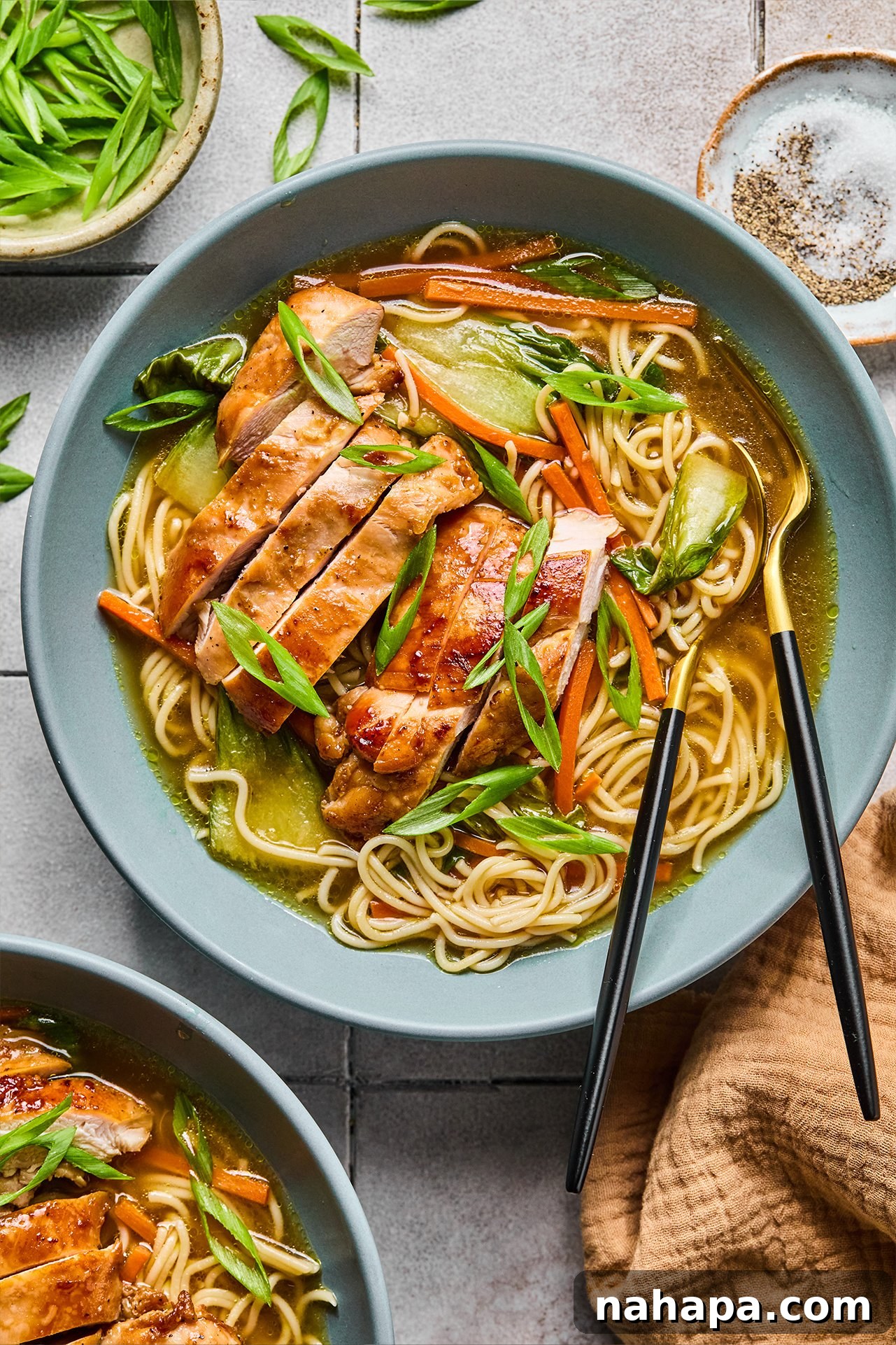
Welcome to your new favorite comfort food obsession: this incredibly flavorful and nourishing Chicken Teriyaki Ramen! Forget bland, instant noodles – this recipe elevates a classic with perfectly marinated, tender chicken, wholesome gluten-free ramen noodles, and a medley of fresh, vibrant vegetables, all bathed in a rich, savory broth. It’s the ideal dish to warm you from the inside out, offering a delightful blend of sweet, savory, and umami notes that will tantalize your taste buds.
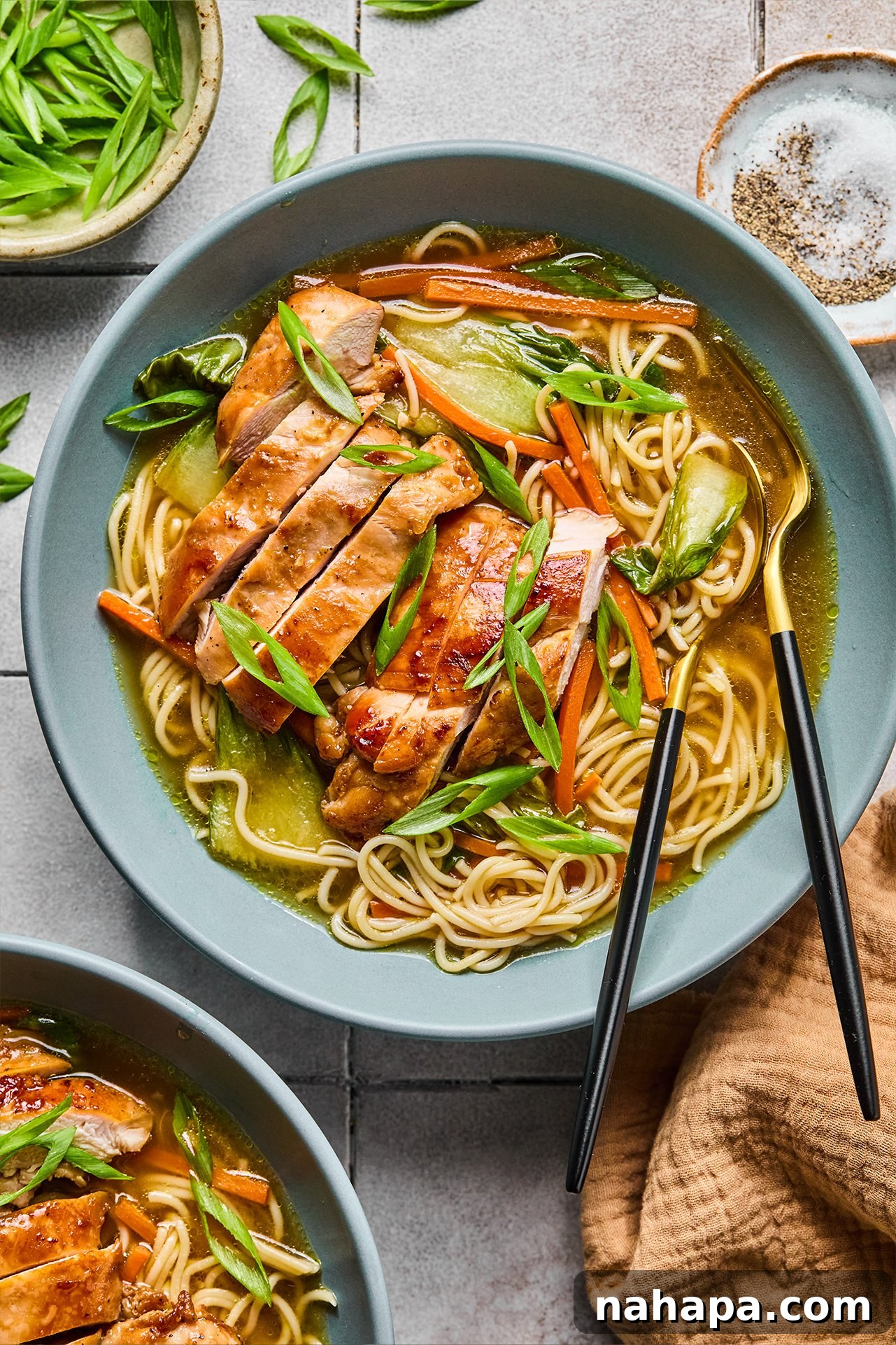
As many of us strive for more wholesome and nutrient-dense meals, especially those incorporating beneficial bone broth, this Chicken Teriyaki Ramen stands out. It offers a wonderful alternative to traditional chicken and rice dishes, providing a unique twist on familiar flavors. It’s warm, deeply comforting, packed with essential protein and vital nutrients, making it a perfect addition to your healthy eating goals. While it might not adhere to every strict traditional ramen definition, its irresistible taste and nutritional value make it a dish you’ll undoubtedly want to revisit again and again.
Quick Overview: Your Guide to This Delicious Ramen
- Total Time: Approximately 55 minutes, including marination time.
- Servings: Yields 4 satisfying portions.
- Estimated Calories: Around 415 calories per serving.
- Protein per Serving: A robust 32g, keeping you feeling full and energized.
- Difficulty: Easy – perfect for home cooks of all skill levels.
- Dietary Notes: Naturally Gluten-free, Dairy-free, and Soy-free (when using coconut aminos).
- Flavor Profile: Richly flavorful, wonderfully comforting, with a harmonious balance of sweet and savory.
Table of Contents
- Quick Overview
- Why You’ll Love This Chicken Teriyaki Ramen
- The Essence of Teriyaki: A Brief Background
- Health Benefits in Every Bowl
- Recipe Ingredients
- How to Make Chicken Teriyaki Ramen
- Expert Tips & Tricks for the Best Ramen
- Customizing Your Chicken Teriyaki Ramen
- Meal Prep and Storage Made Easy
- Other Gluten-Free Ramen Recipes to Try…
- Frequently Asked Questions
Why You’ll Love This Chicken Teriyaki Ramen
This isn’t just another ramen recipe; it’s a culinary experience designed to nourish your body and delight your palate. Here’s why this Chicken Teriyaki Ramen will quickly become a household favorite:
- Warming, Wholesome, and Utterly Delicious: There’s nothing quite like a steaming bowl of flavorful soup to bring comfort. This ramen delivers with a rich broth, tender chicken, and fresh vegetables, making every spoonful a pure delight. It’s truly a hug in a bowl!
- Packed with Anti-Inflammatory Goodness: Featuring fresh ginger, this dish naturally incorporates ingredients known for their health benefits. Ginger, in particular, is celebrated for its powerful anti-inflammatory properties and its ability to aid digestion (source). Its zesty warmth perfectly complements the teriyaki flavor.
- High in Protein for Sustained Energy: With a substantial 32g of protein per serving, this ramen is an excellent choice for a meal that will keep you feeling full and satisfied. This makes it perfect for active individuals or anyone looking to boost their protein intake without sacrificing flavor.
- Effortlessly Easy to Make: Despite its gourmet taste, this recipe is surprisingly simple and straightforward. With clear, step-by-step instructions, even beginner cooks can achieve impressive results. The quick prep and cook times mean you can have a delicious, homemade meal on the table in under an hour.
- Dietary Friendly & Adaptable: Designed to be gluten-free, dairy-free, and soy-free (thanks to coconut aminos), this ramen caters to various dietary needs without compromising on flavor. It’s a fantastic option for those with sensitivities or anyone looking for cleaner, healthier meal alternatives.
The Essence of Teriyaki: A Brief Background
The term “Teriyaki” literally translates to “glaze-broil,” a Japanese cooking method where food is grilled or broiled with a glaze of soy sauce, mirin, and sugar. This method imparts a distinctive glossy sheen and a perfectly balanced sweet and savory flavor. Traditionally, teriyaki sauce is a cornerstone of Japanese cuisine, used on everything from fish to poultry. Our recipe creatively adapts this classic flavor profile, utilizing coconut aminos as a soy-free alternative, to infuse our chicken with that beloved teriyaki taste, making it accessible to more dietary preferences while maintaining its delicious essence. This sweet-savory marinade perfectly complements the rich broth and fresh vegetables of our ramen, creating a harmonious and deeply satisfying meal.
Health Benefits in Every Bowl
Beyond its incredible taste, this Chicken Teriyaki Ramen is packed with ingredients that offer significant health advantages, making it a truly wholesome meal:
- Bone Broth: The foundation of our ramen, bone broth is a nutritional powerhouse. Rich in collagen, gelatin, amino acids, and minerals, it supports gut health, joint function, and skin elasticity. It’s deeply nourishing and incredibly soothing, especially during colder months.
- Chicken Thighs: A fantastic source of lean protein, chicken thighs provide essential amino acids necessary for muscle repair, growth, and overall body function. They are also rich in B vitamins and iron, contributing to energy production and healthy blood.
- Ginger: As highlighted, ginger is a potent anti-inflammatory and antioxidant. It’s also well-known for its digestive benefits, helping to alleviate nausea and indigestion. Its warm, spicy notes add depth to the broth while boosting your health.
- Garlic: A staple in many cuisines, garlic is renowned for its immune-boosting properties and potential cardiovascular benefits. It adds a pungent, aromatic flavor that enhances the overall taste profile of the ramen.
- Carrots: These vibrant root vegetables are an excellent source of beta-carotene, which the body converts to Vitamin A – crucial for vision, immune function, and skin health. They also provide dietary fiber and antioxidants.
- Bok Choy: This leafy green vegetable is loaded with vitamins A, C, and K, as well as folate and calcium. It’s a low-calorie, nutrient-dense addition that adds a lovely texture and mild flavor to the ramen.
By combining these wholesome ingredients, you’re not just enjoying a delicious meal; you’re fueling your body with vital nutrients that support overall well-being.
Recipe Ingredients: What You’ll Need
Gathering your ingredients is the first step to creating this delectable ramen. Each component plays a crucial role in building the layered flavors and textures of the dish. Find all the precise measurements and details in the comprehensive recipe card below.
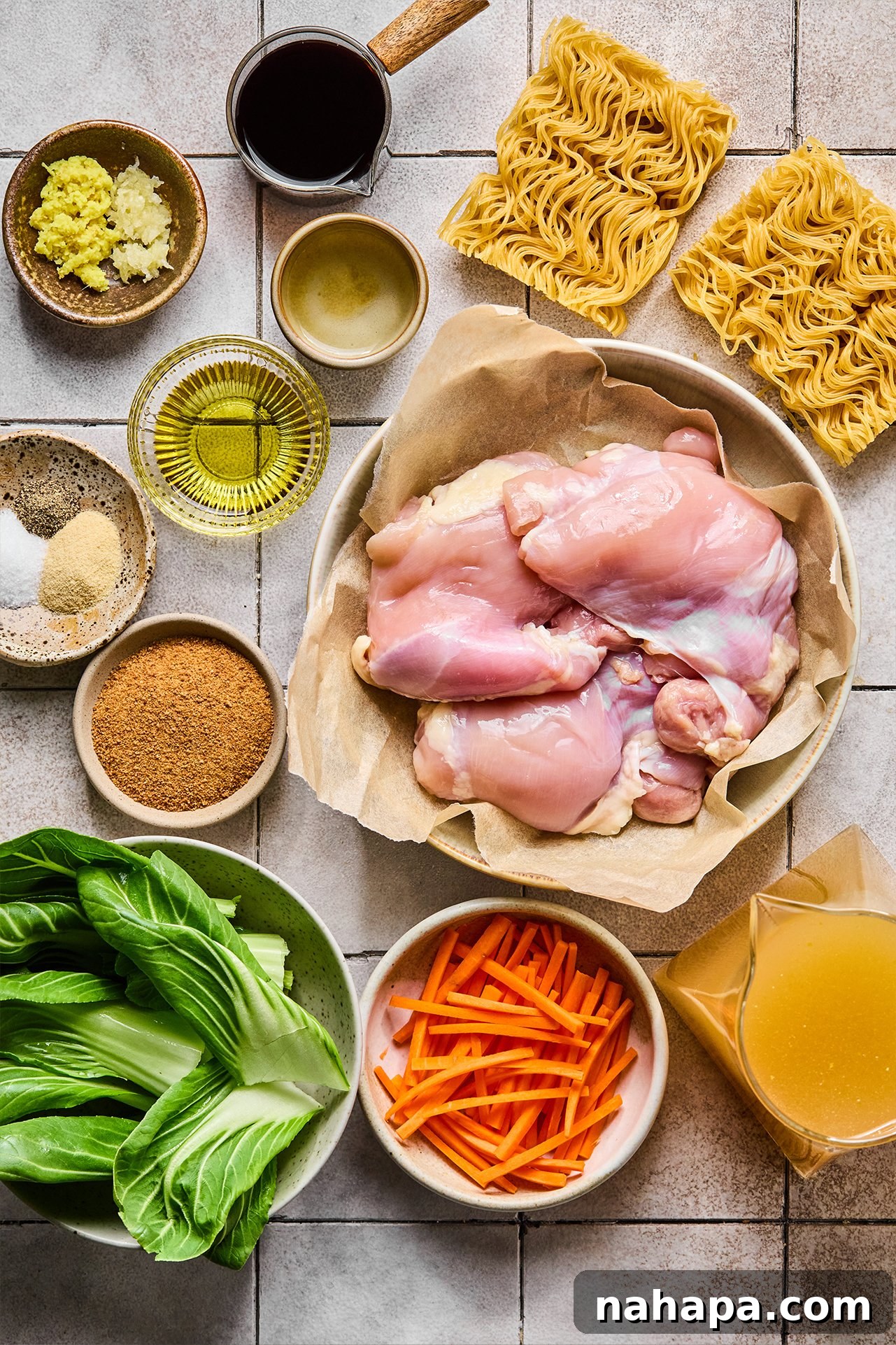
- Gluten-Free Ramen Noodles: The star of any ramen! I highly recommend Lotus Foods ramen noodles for their excellent texture and reliable gluten-free quality. They hold up beautifully in broth and provide that satisfying ramen chew.
- Chicken Thighs: Boneless and skinless chicken thighs are preferred for their rich flavor and tendency to stay moist and tender when cooked. If you prefer, chicken breast can also be used; simply pound it to an even thickness to ensure uniform cooking. This helps prevent it from drying out.
- Fresh Vegetables: We use a combination of thinly sliced carrots for a hint of sweetness and beautiful color, and tender baby bok choy for its mild, crisp texture and nutrient boost. Freshly grated ginger and garlic are essential aromatics that provide the characteristic depth of flavor.
- Bone Broth and Coconut Aminos: High-quality chicken bone broth forms the nourishing base of our soup. For an extra layer of flavor and health benefits, consider making your own with my slow cooker whole chicken bone broth recipe. Coconut aminos are a fantastic soy-free alternative to soy sauce, offering a similar umami depth with a touch of sweetness.
- For the Teriyaki Marinade: In addition to coconut aminos, you’ll need rice vinegar for a touch of tang, coconut sugar for sweetness, avocado oil, and grated garlic and ginger, along with a dash of onion powder, salt, and pepper for a perfectly balanced marinade that tenderizes and flavors the chicken.
How to Make Chicken Teriyaki Ramen: Step-by-Step
Creating this delicious Chicken Teriyaki Ramen is a straightforward process. Follow these simple steps, with accompanying photos for clarity, to achieve a perfectly balanced and flavorful bowl. Full detailed instructions are provided in the recipe card below.
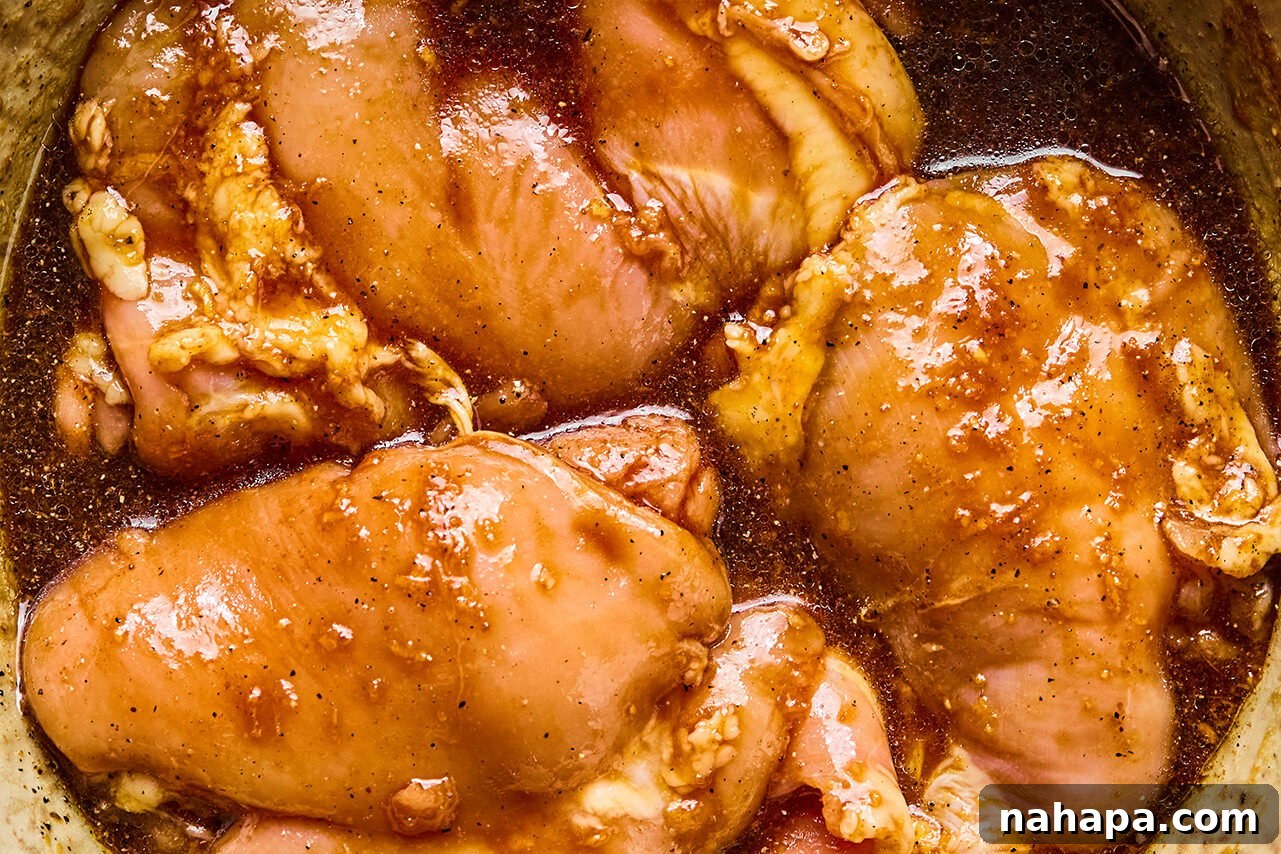
Step One: Marinate the Chicken. In a medium-sized bowl, combine the boneless, skinless chicken thighs with the coconut aminos, avocado oil, coconut sugar, rice vinegar, grated ginger, grated garlic, onion powder, salt, and pepper. Mix thoroughly to ensure the chicken is evenly coated. Transfer the bowl to the refrigerator and allow the chicken to marinate for at least 30 minutes, or up to an hour, to absorb maximum flavor and become wonderfully tender.
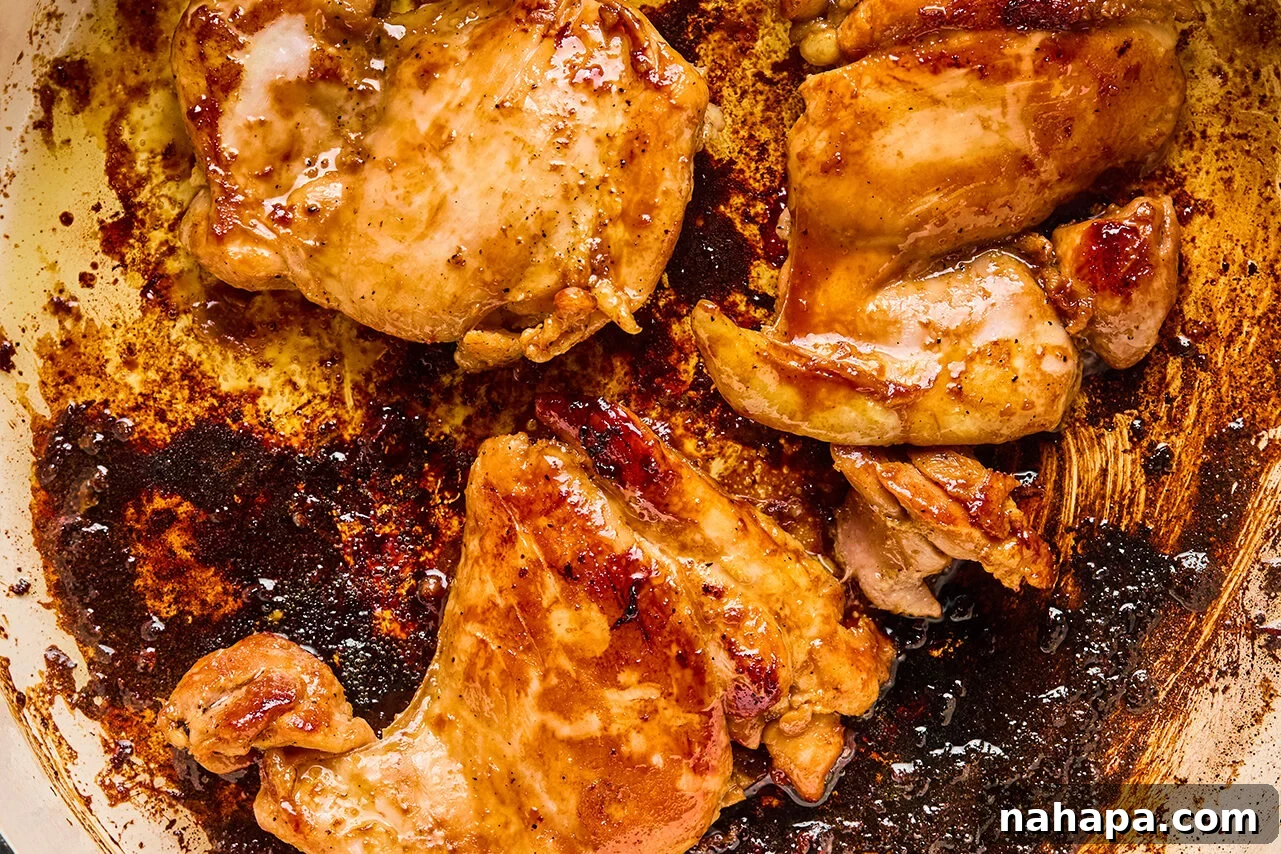
Step Two: Cook the Marinated Chicken. Heat about 1 tablespoon of avocado oil in a large, deep pan over medium heat. Once the oil is shimmering, carefully add the marinated chicken thighs. Cook for 3-4 minutes on each side, or until the chicken is thoroughly cooked through and reaches an internal temperature of 175°F (80°C). The chicken should have a beautiful golden-brown sear. Once cooked, remove the chicken from the pan and set it aside on a covered plate to keep warm while you prepare the ramen.
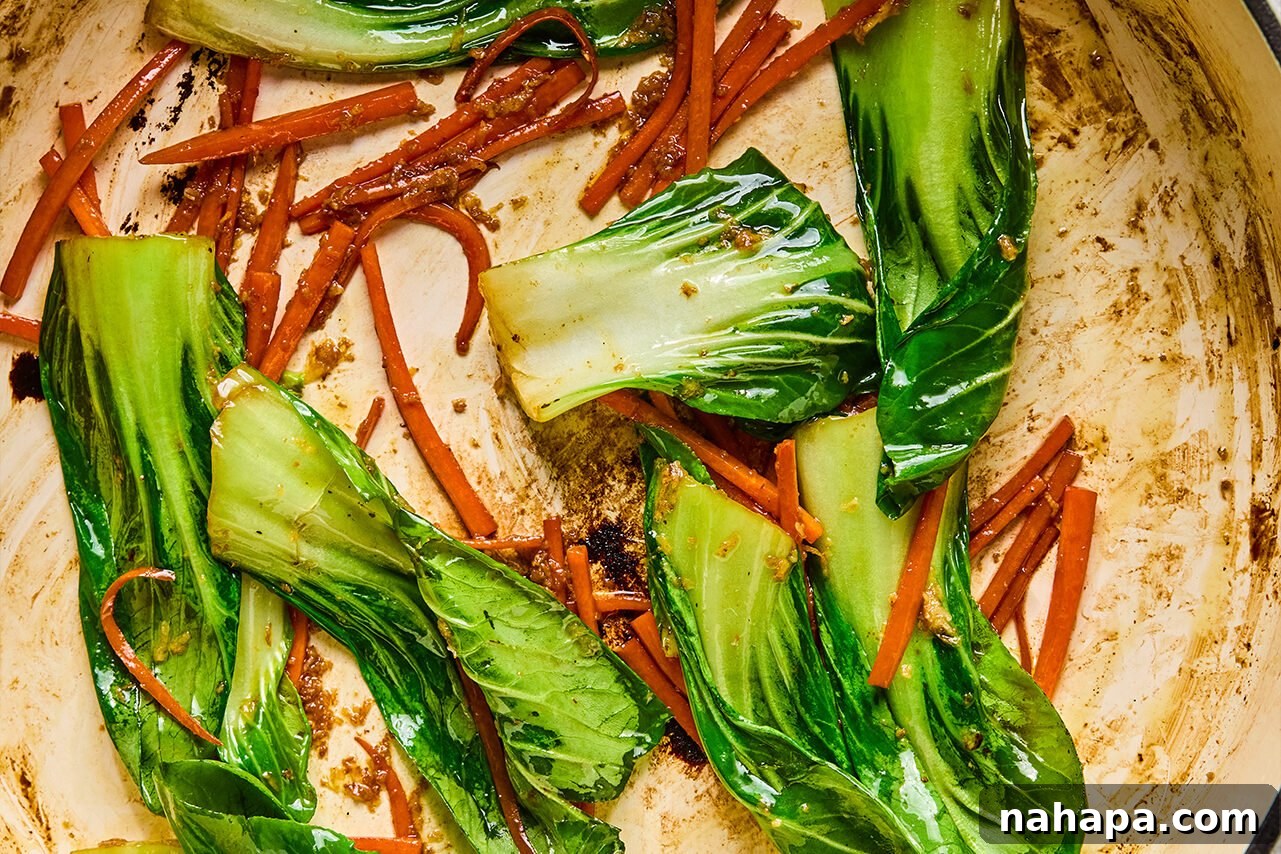
Step Three: Sauté the Aromatics and Vegetables. In the same pan (or a separate large pot for the broth), heat 1 tablespoon of avocado oil over medium-low heat. Add the matchstick carrots and the prepared baby bok choy. Sauté for 2-3 minutes until they begin to soften. Then, add the grated garlic and grated ginger, continuing to sauté for another minute until fragrant. This step builds the aromatic foundation for your delicious ramen broth.
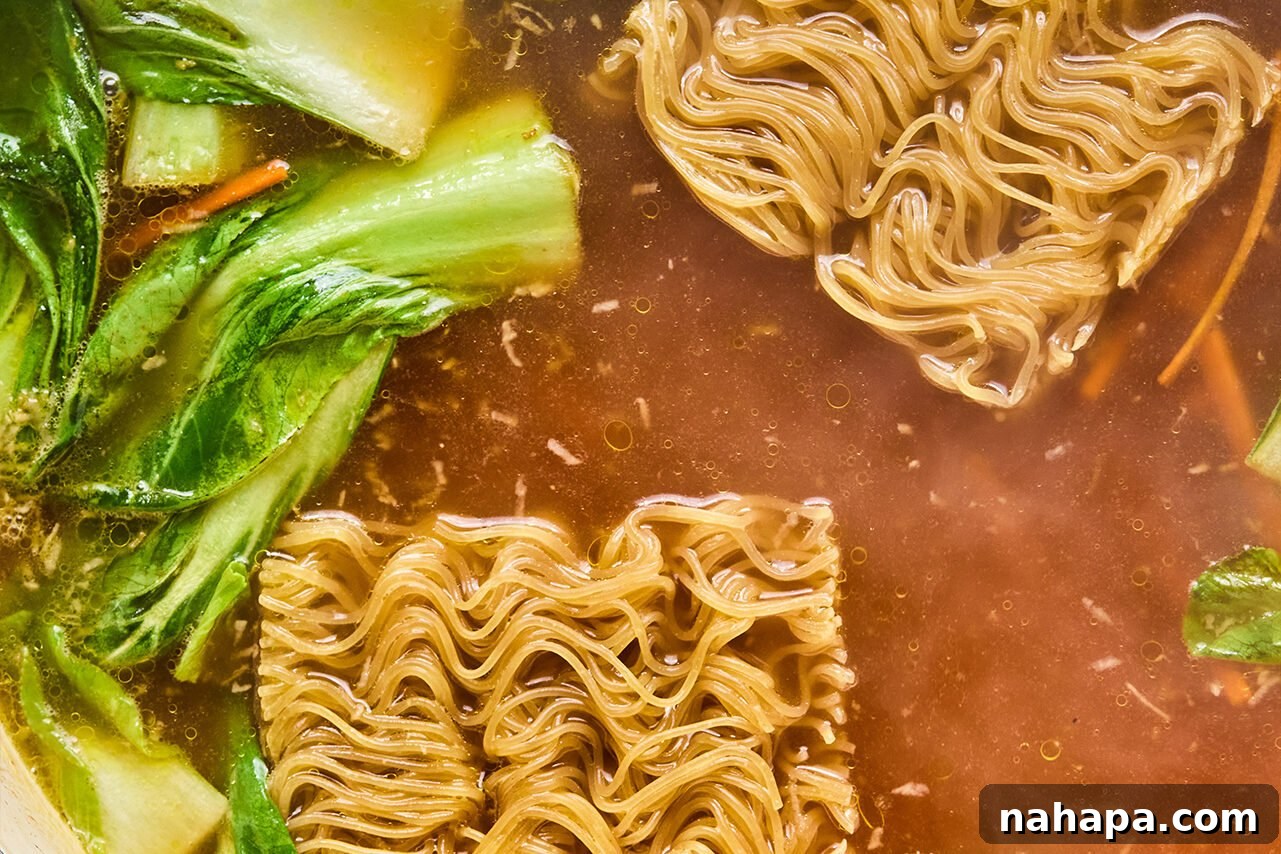
Step Four: Build the Flavorful Broth. Pour in the chicken bone broth and the additional coconut aminos into the pot with the sautéed vegetables. Stir well to combine all the flavors. Bring the mixture to a gentle boil over medium-high heat. Taste and adjust seasoning with salt and pepper as needed, ensuring the broth has a rich and savory depth.
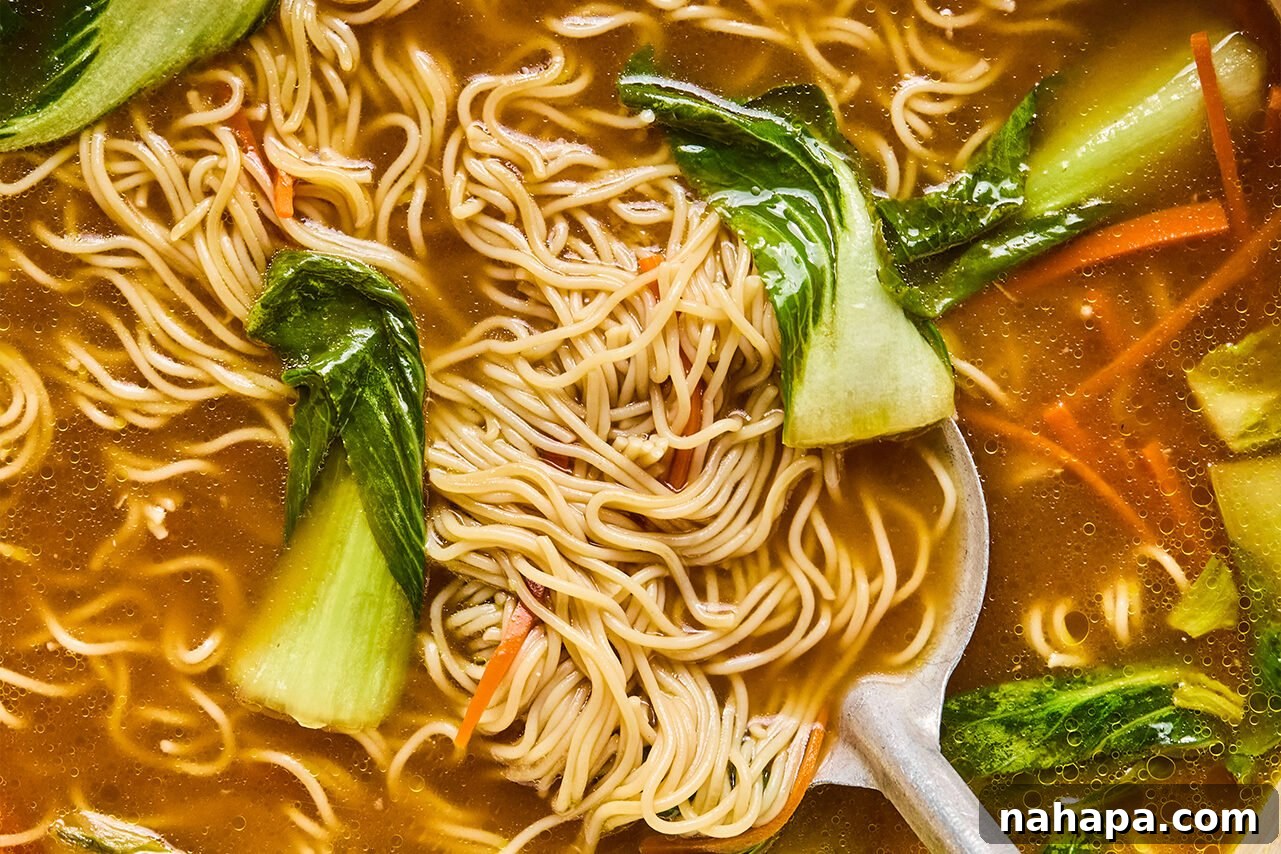
Step Five: Cook the Gluten-Free Ramen Noodles. Once the broth comes to a rolling boil, add the gluten-free ramen bricks directly into the pot. Cook the noodles according to the package directions, typically for 3-5 minutes, or until they are tender but still have a slight bite (al dente). Be careful not to overcook them, as they can become mushy. Once the ramen is cooked, remove the pot from the heat.
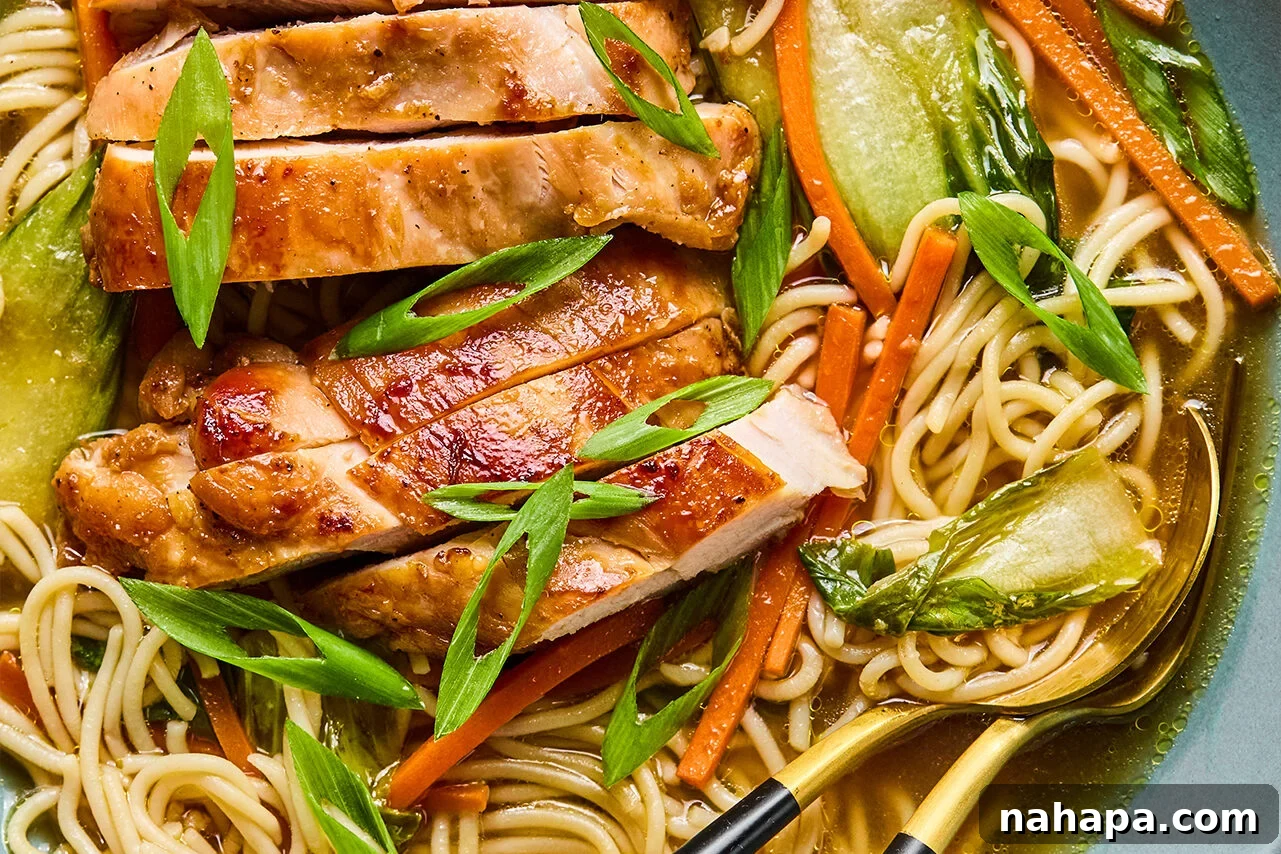
Step Six: Assemble and Serve Your Ramen. Prepare four individual serving bowls. Ladle the hot broth, tender vegetables, and cooked ramen noodles evenly into each bowl. Slice the reserved cooked chicken into thin strips and arrange them artfully over the ramen. For a fresh finish and a pop of color, generously garnish with freshly chopped green onions. Serve immediately and enjoy this comforting and flavorful homemade chicken teriyaki ramen!
Expert Tips & Tricks for the Best Ramen
Elevate your Chicken Teriyaki Ramen with these helpful tips and tricks, ensuring every bowl is a masterpiece:
- Meal Prep Perfection: Cook Noodles Separately: This is a golden rule for any noodle-based dish you plan to save for later. To maintain the ideal texture and prevent soggy noodles, always cook your ramen noodles in a separate pot just before serving. If you’re preparing this dish for meal prep, store the cooked noodles in an airtight container separately from the broth and chicken. Combine them only when you’re ready to reheat and enjoy.
- Flavor Boosters: Don’t Be Afraid to Experiment: While this recipe is incredibly flavorful on its own, feel free to personalize it! If you tolerate a little heat, a drizzle of chili oil or a sprinkle of red pepper flakes on top can add a wonderful kick. A squeeze of fresh lime juice can brighten the flavors, and a touch of toasted sesame oil just before serving can add a nutty aroma.
- High-Quality Bone Broth Makes a Difference: The broth is the heart of your ramen. Using a high-quality chicken bone broth, or better yet, homemade bone broth, will significantly enhance the depth of flavor and nutritional value of your dish. It provides a richer, more complex base than regular chicken broth.
- Perfectly Cooked Chicken: Overcooked chicken can be dry and tough. Always monitor the internal temperature with a meat thermometer to ensure it reaches 175°F (80°C). Allowing the chicken to rest on a covered plate after cooking helps redistribute juices, keeping it tender.
- Freshness is Key for Aromatics: For the most vibrant flavors, use freshly grated ginger and garlic. Pre-minced varieties simply can’t compare to the pungent, aromatic punch of fresh ingredients.
- Vegetable Versatility: While carrots and bok choy are excellent choices, feel free to add other quick-cooking vegetables like thinly sliced mushrooms, spinach, snap peas, or even thinly sliced bell peppers. Add them to the broth at the appropriate time to ensure they are tender-crisp.
- Garnish Galore: Don’t underestimate the power of garnishes! Besides green onions, consider adding a sprinkle of toasted sesame seeds, a few cilantro leaves, or even a soft-boiled egg (if not strictly dairy-free) for an authentic ramen touch.
Customizing Your Chicken Teriyaki Ramen
One of the joys of cooking at home is the freedom to customize dishes to suit your preferences and what you have on hand. This Chicken Teriyaki Ramen is wonderfully versatile:
- Protein Swaps: Not a fan of chicken? You could substitute with thinly sliced beef (marinate similarly), firm tofu or tempeh (for a vegetarian option, ensure it’s pan-fried until crispy), or even shrimp (add towards the end of the broth cooking, as it cooks quickly).
- Add More Veggies: Boost the nutrient content and texture by adding extra vegetables. Sliced shiitake mushrooms, baby spinach, sliced bell peppers, snow peas, or corn kernels are all excellent additions. Add them to the broth at varying times depending on their cooking speed.
- Spice It Up: If you love heat, don’t hesitate to add a pinch of red pepper flakes to the broth, a dash of sriracha, or a few drops of your favorite chili oil when serving.
- Herbs for Freshness: Fresh cilantro, Thai basil, or mint can add bright, aromatic notes to your finished bowl.
- Citrus Brightness: A squeeze of fresh lime or lemon juice over your bowl just before eating can cut through the richness and add a refreshing zest.
Meal Prep and Storage Made Easy
This Chicken Teriyaki Ramen is an excellent candidate for meal prepping, allowing you to enjoy flavorful, wholesome meals throughout the week with minimal effort. Here’s how to store and reheat it effectively:
- Separate Storage for Noodles: The most crucial tip for meal prep is to store the cooked ramen noodles separately from the broth and other ingredients. Cook the noodles al dente, drain them, and then rinse them lightly with cold water to prevent sticking. Toss them with a tiny bit of sesame oil or avocado oil to keep them from clumping, then store them in an airtight container.
- Broth and Chicken Storage: Allow the broth with vegetables and the cooked chicken to cool completely. Store the broth and vegetables together in an airtight container. Slice the chicken and store it in a separate airtight container.
- Reheating: When ready to enjoy, gently reheat the broth and vegetables on the stovetop until simmering hot. Add the pre-cooked chicken slices to warm through. In a separate pot, quickly blanch the pre-cooked noodles in hot water for about 30-60 seconds to warm them up without overcooking. Drain the noodles, add them to a bowl, then ladle the hot broth, veggies, and chicken over them. Garnish as desired.
- Shelf Life: Stored properly in the refrigerator, the components of your ramen will stay fresh for 3-4 days, making it perfect for a few lunches or dinners throughout the week.
Other Gluten-Free Ramen Recipes to Try…
If you’re loving the world of gluten-free ramen, here are some other fantastic recipes to expand your culinary repertoire:
- Chicken & Broccoli Ramen Noodle Stir Fry: A quick and easy weeknight meal, packed with fresh veggies and savory chicken.
- Sheet Pan Beef and Broccoli Ramen: For a hands-off approach, this sheet pan recipe delivers maximum flavor with minimal cleanup.
- Gluten Free Ramen Noodle Bake: A unique and comforting baked dish that transforms ramen into a hearty casserole.
Frequently Asked Questions
What makes this ramen gluten-free and soy-free?
This recipe uses gluten-free ramen noodles, typically made from rice or millet, instead of traditional wheat-based ramen. For the savory flavor usually provided by soy sauce, we opt for coconut aminos, which offer a similar umami profile without soy, making the entire dish soy-free.
Can I use chicken breast instead of chicken thighs?
Absolutely! Chicken breast works well in this recipe. To ensure it stays tender and cooks evenly, we recommend pounding the chicken breast to an even thickness (about ½ inch) before marinating and cooking. This helps prevent it from drying out.
Is homemade bone broth essential, or can I use store-bought?
While homemade bone broth offers superior flavor and nutritional benefits, a good quality store-bought chicken bone broth will work perfectly fine. Look for brands with minimal added ingredients and low sodium content for the best results.
How can I make this ramen spicier?
To add more heat, you can include a pinch of red pepper flakes when sautéing the aromatics, or drizzle some chili oil or sriracha directly into your bowl before serving. You can also add a few thin slices of fresh jalapeño or serrano pepper.
What other vegetables can I add to this ramen?
This ramen is very versatile! Feel free to add thinly sliced mushrooms (shiitake or cremini), spinach (add at the very end to wilt), snap peas, bell peppers, or even corn kernels. Adjust cooking times based on the vegetable to ensure they are tender-crisp.
We hope you thoroughly enjoy this flavorful Chicken Teriyaki Ramen! If you tried this recipe or any other on our blog, please consider leaving a star rating and sharing your experience in the comments section below. Your feedback helps us grow and inspires other home cooks. Thanks for visiting!
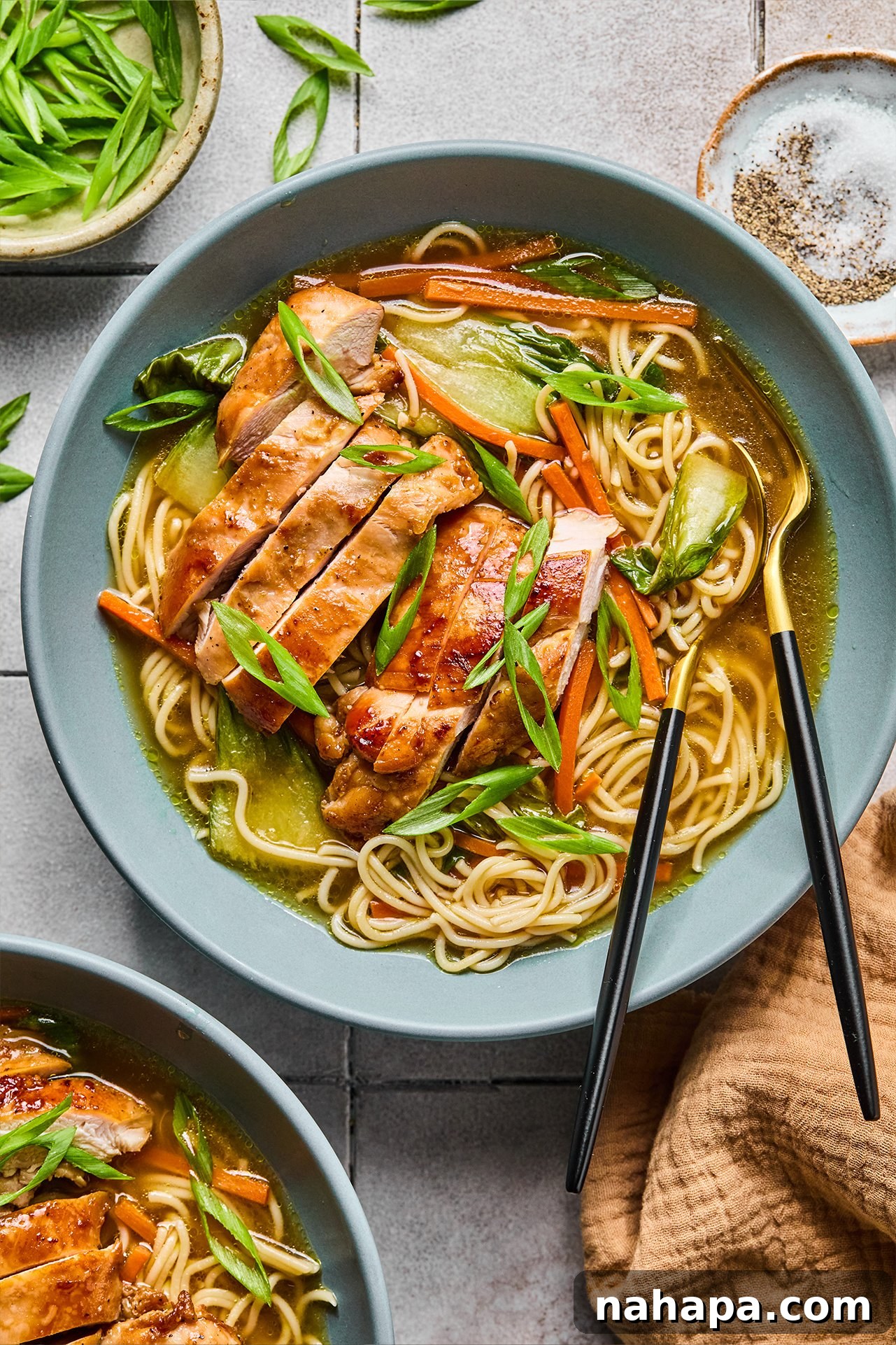
Chicken Teriyaki Ramen
Leave a Review
Pin Recipe
Ingredients
For the chicken
- 1 lb chicken thighs, boneless and skinless
- ⅓ cup coconut aminos
- 1 tbsp rice vinegar
- 2 tbsp coconut sugar
- 2 tsp avocado oil, plus extra for cooking the chicken
- 1 clove garlic, grated
- 1 tsp ginger, grated
- 1 tsp onion powder
- Salt and pepper
For the ramen
- 1 tbsp avocado oil
- 1 medium carrot, cut into match sticks
- 1 head baby bok choy, see notes on prep
- 2 tsp ginger, grated
- 2 cloves garlic, grated
- 2 tbsp coconut aminos
- 6 cups chicken broth
- Salt and pepper
- 2 bricks gluten-free ramen
Instructions
-
To marinate the chicken thighs, use a medium bowl, add the chicken thighs along with the coconut aminos, avocado oil, coconut sugar, rice vinegar, ginger, garlic, onion powder, and salt and pepper. Transfer to the fridge and marinate for at least 30 minutes, and up to an hour.
-
To cook the chicken, using a large, deep pan, heat about 1 tbsp of avocado oil over medium heat. Add the chicken and allow to cook for 3-4 minutes on each side, or until cooked through to 175 F. Set aside on a covered plate to keep warm.
-
To cook the broth, heat the avocado oil over medium-low heat in a pot. Once the oil is shimmering, add the carrots and bok choy. Saute for 2-3 minutes and add the garlic and ginger. Saute for another minute before adding the broth and coconut aminos.
-
To cook the ramen, Bring to a boil and add the ramen. Cook as directed on the package until the ramen is cooked through. Remove from the heat.
-
Prepare four bowls, and ladel the broth, veggies and ramen into the separate bowls. Slice the chicken into strips and serve over the ramen bowls. Top with green onion to serve!
Notes
- To prep the baby bok choy, slice off the base and hand wash the leaves. Discard the base and add the leaves to your prepped veggies.
Did you Make this Recipe?
Tag @unboundwellness on Instagram and hashtag #unboundwellness!