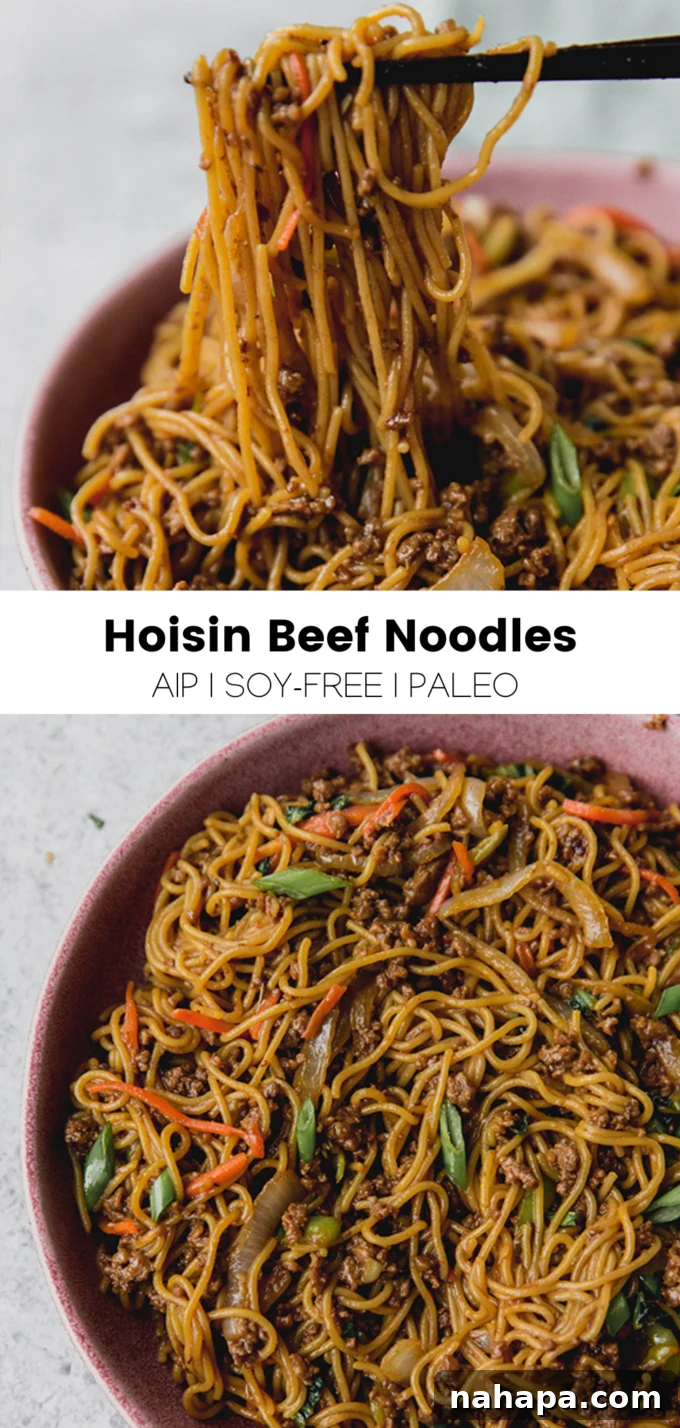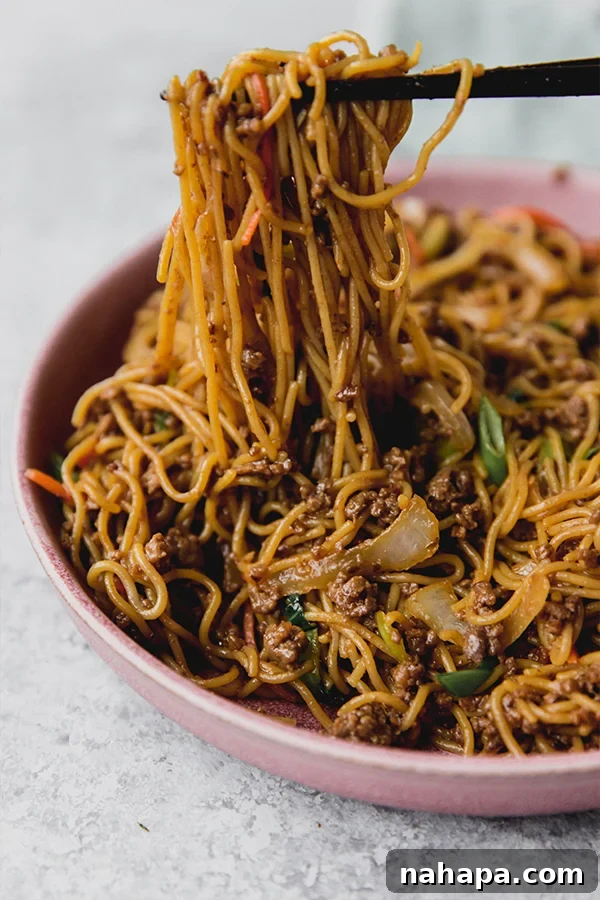
Welcome to a delightful culinary journey that brings together comfort and flavor in a single bowl: our Hoisin Beef Noodles. This exceptional dish transforms humble ground beef and everyday vegetables into an extraordinary meal, elevated by the rich, savory depth of a homemade, soy-free hoisin sauce. Coupled with tender gluten-free ramen, this recipe offers a simple yet incredibly satisfying experience, perfect for busy weeknights or a cozy weekend dinner. Forget complex techniques and hard-to-find ingredients; this recipe is designed for ease, speed, and maximum deliciousness, all while catering to specific dietary needs.
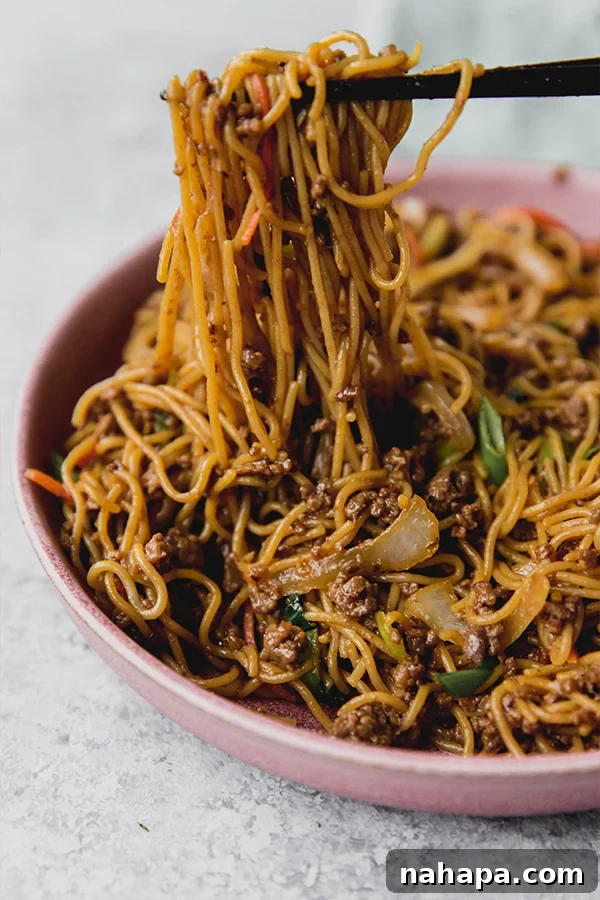
Why You’ll Adore This Hoisin Beef Noodle Recipe
This isn’t just another stir-fry; it’s a meticulously crafted dish that promises both culinary delight and practical convenience. Here’s why these Hoisin Beef Noodles are destined to become a staple in your kitchen:
Incredibly Easy & Fast
In today’s fast-paced world, finding recipes that deliver on flavor without demanding hours in the kitchen is a true gem. Our Hoisin Beef Noodles are exactly that. With straightforward steps like blending a sauce, boiling noodles, and a simple stir-fry, this entire meal can be on your table in under 30 minutes. There are no fancy culinary skills required – just wholesome ingredients and a desire for a delicious, home-cooked meal.
Highly Adaptable to Your Tastes
One of the best aspects of this recipe is its inherent flexibility. While ground beef provides a classic, hearty base, you’re absolutely welcome to customize your protein. Ground chicken or turkey make excellent lighter alternatives, absorbing the hoisin flavors beautifully. Similarly, feel free to experiment with different gluten-free noodle varieties beyond ramen, such as gluten-free spaghetti or even cassava spaghetti for an AIP-friendly option. The vegetable component is also highly customizable – add bell peppers, snap peas, mushrooms, or broccoli to suit your preference or what you have on hand. This adaptability ensures that the dish never gets boring and always fits your current cravings or dietary needs.
Flavorful & Wholesome
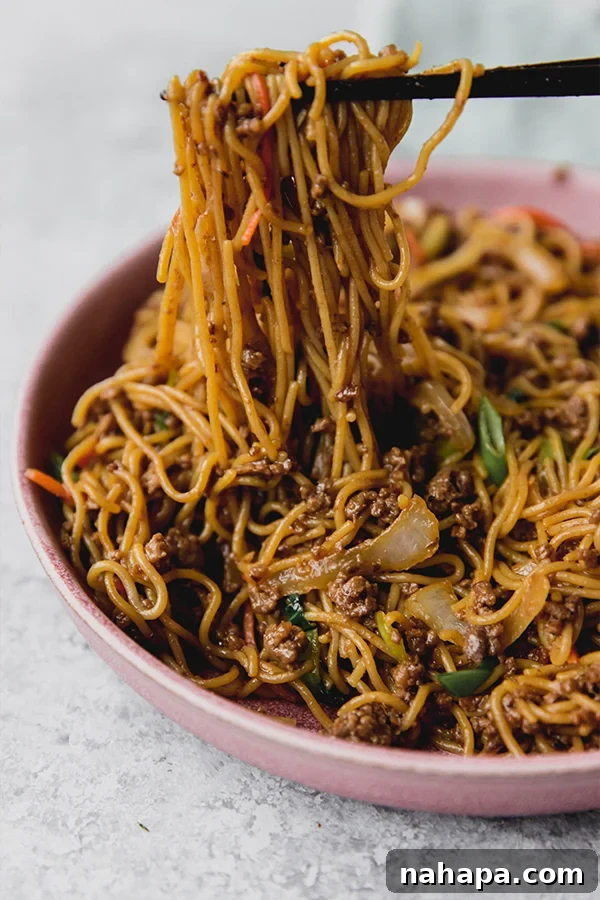
At the heart of this dish lies our signature homemade soy-free hoisin sauce. Unlike many store-bought versions that can be laden with sugars, soy, or artificial additives, our sauce is crafted from real, natural ingredients, offering a depth of flavor that is both authentic and incredibly fresh. This wholesome sauce coats the tender ground beef, vibrant vegetables, and bouncy gluten-free noodles, creating a harmonious blend of sweet, savory, and umami notes that will tantalize your taste buds. It’s a dish that tastes indulgent but is packed with nourishing components.
Dietary Friendly & Allergen-Conscious
For those navigating food sensitivities, finding delicious, compliant recipes can be a challenge. This Hoisin Beef Noodles recipe is naturally gluten-free thanks to the choice of ramen and is completely soy-free, making it suitable for many with common allergies. Furthermore, we provide clear modifications to make this recipe fully Autoimmune Protocol (AIP) compliant, ensuring that even more individuals can enjoy this flavorful dish without compromise. Eating healthy and deliciously should be accessible to everyone, and this recipe aims to deliver just that.
Unveiling the Magic of Homemade Soy-Free Hoisin Sauce
Hoisin sauce is a cornerstone of Cantonese cuisine, known for its thick, fragrant, and intensely flavorful profile—a perfect balance of sweet, salty, and umami. Traditionally, it’s made with fermented soybean paste, garlic, vinegar, sesame oil, chili, and sweeteners. However, for those with soy sensitivities or on specific dietary protocols like AIP, traditional hoisin is off-limits.
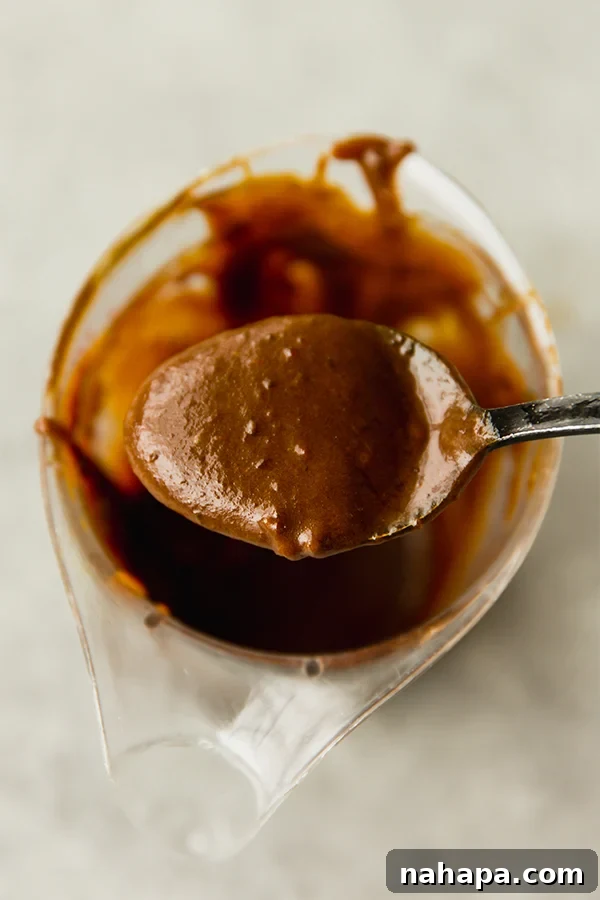
Our homemade soy-free hoisin sauce is a game-changer. By using coconut aminos as a soy sauce alternative and Medjool dates for natural sweetness, we create a sauce that rivals the complexity and richness of its traditional counterpart, without any of the common allergens. The blending of blackstrap molasses, rice vinegar, almond butter (or tigernut butter), and Chinese five-spice powder creates a symphony of flavors—earthy, tangy, sweet, and aromatic—that coats every strand of noodle and every piece of beef, transforming them into a truly gourmet experience. Making it at home gives you complete control over the ingredients, ensuring purity and freshness that store-bought versions often lack. This dedication to a homemade sauce is what truly sets this Hoisin Beef Noodles recipe apart, delivering a depth of flavor you won’t forget.
Key Ingredients for Your Hoisin Beef Noodle Bowl
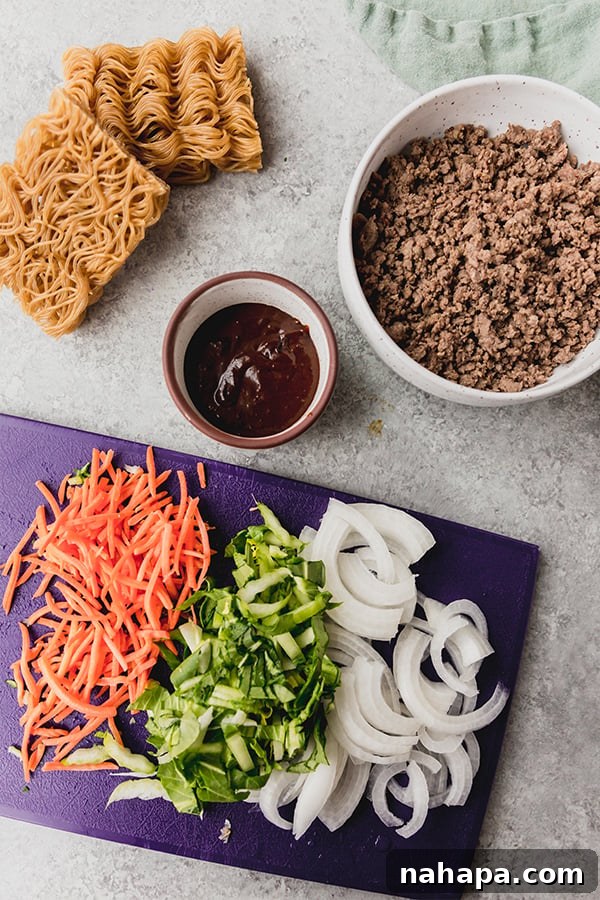
Crafting this flavorful dish requires a combination of pantry staples and fresh produce. Each ingredient plays a crucial role in building the robust flavor profile that makes these Hoisin Beef Noodles so irresistible.
For the Delectable Hoisin Sauce:
- Medjool Dates: These provide a natural, caramel-like sweetness and thickens the sauce. Pitted and finely chopped dates ensure they break down easily during simmering and blending, contributing to a smooth texture.
- Coconut Aminos: A fantastic soy-free alternative to soy sauce, coconut aminos lend a salty, umami depth to the hoisin sauce without any soy or gluten.
- Rice Vinegar: This adds a necessary tangy brightness, balancing the sweetness and richness of the other sauce ingredients.
- Blackstrap Molasses: For that signature dark color and a slightly smoky, deep sweetness, blackstrap molasses is key. It also offers a subtle mineral note.
- Almond Butter: This contributes to the creamy texture and nutty undertones of the sauce. For an AIP-friendly version, tigernut butter is an excellent substitute, offering similar richness.
- Arrowroot Starch: A natural thickener, arrowroot starch helps create the perfect consistency for the sauce, allowing it to cling beautifully to the noodles and beef.
- Chinese Five Spice: This aromatic blend (typically star anise, cloves, Chinese cinnamon, Szechuan peppercorns, and fennel seeds) infuses the sauce with a complex, warm, and authentic Asian flavor. Omit for AIP.
- Salt & Pepper: Essential for seasoning the sauce to perfection, enhancing all the other flavors.
For the Beef & Noodles Base:
- Gluten-Free Ramen: The star noodle of this dish, chosen for its quick cooking time and delightful texture. Brands like Lotus Foods offer excellent gluten-free rice ramen options. Feel free to use gluten-free spaghetti or cassava spaghetti as alternatives.
- Ground Beef: Lean ground beef is preferred for this recipe, providing a hearty and satisfying protein. Ground chicken or turkey are also fantastic lean alternatives if you prefer a different protein or want a lighter meal.
- Salt, Pepper, and Avocado Oil: Basic seasonings for the beef and a high-heat cooking oil that is mild in flavor.
- Fresh Vegetables:
- White Onion (sliced): Provides a foundational aromatic base and sweetens as it cooks.
- Garlic (minced): Adds pungent, aromatic depth crucial to Asian-inspired dishes.
- Baby Bok Choy (chopped): Offers a delicate crunch and a mild, slightly sweet flavor. It wilts beautifully in the stir-fry.
- Carrots (shredded): Adds natural sweetness, vibrant color, and a pleasant texture.
- Coconut Aminos (extra): A small additional amount added to the stir-fry helps to enhance the overall umami and bring the flavors together.
- Green Onions (chopped): Used as a fresh, crisp topping, providing a mild oniony bite and a pop of color for garnish.
Step-by-Step Guide: Crafting Your Hoisin Beef Noodles
Follow these simple instructions to bring your delicious Hoisin Beef Noodles to life. Each step is designed to be straightforward, ensuring a perfect outcome every time.
Preparing the Signature Hoisin Sauce
- Simmer for Flavor: In a small saucepan, combine all the ingredients for the hoisin sauce: Medjool dates, coconut aminos, rice vinegar, blackstrap molasses, almond butter (or tigernut butter), arrowroot starch, Chinese five spice, salt, and pepper. Bring the mixture to a low simmer over medium-low heat. Continue to simmer for 5-8 minutes, stirring frequently, until the sauce visibly thickens to a glossy consistency. This simmering process allows the flavors to meld and the dates to soften.
- Cool and Blend: Remove the saucepan from the heat and allow the sauce to cool significantly. This cooling step is important to prevent splashes and ensure a smooth blend. Once cooled, transfer the sauce to a blender or use an immersion blender directly in the pot. Blend until the sauce is completely smooth and creamy, with no date chunks remaining. Set this vibrant homemade hoisin sauce aside.
Cooking the Noodles and Beef
- Perfecting Your Gluten-Free Ramen: Bring a large pot of water to a rolling boil. Season the water generously with salt – this is crucial for flavoring the noodles from within. Add the gluten-free ramen bricks and cook according to the package instructions. Gluten-free ramen typically cooks quickly, so keep an eye on it to prevent overcooking. Once al dente, drain the ramen thoroughly and toss it with a small amount of avocado oil to prevent sticking. Set the cooked noodles aside.
- Searing the Ground Beef: Heat a large skillet or wok over medium-high heat. Add the ground beef and season generously with salt and pepper. Using a wooden spoon or spatula, break up the beef into small crumbles as it cooks. Continue to brown the beef until it’s fully cooked through and no pink remains. Once browned, remove the cooked beef from the skillet and set it aside, ideally on a plate lined with paper towels to drain any excess fat, ensuring your final dish isn’t greasy.
Sautéing the Fresh Vegetables
- Building Layers of Flavor: In the same large skillet (no need to clean it, the beef drippings add flavor!), add 1 tablespoon of avocado oil over medium-low heat. Add the sliced white onion and minced garlic. Sauté for 3-4 minutes, stirring occasionally, until the onions are soft and translucent, and the garlic is fragrant. Be careful not to burn the garlic.
- Adding Crisp Veggies: To the skillet, add the chopped baby bok choy and shredded carrots. Increase the heat slightly to medium. Sauté for another 4-5 minutes, or until the vegetables have softened to your liking but still retain a slight crispness.
Bringing it All Together
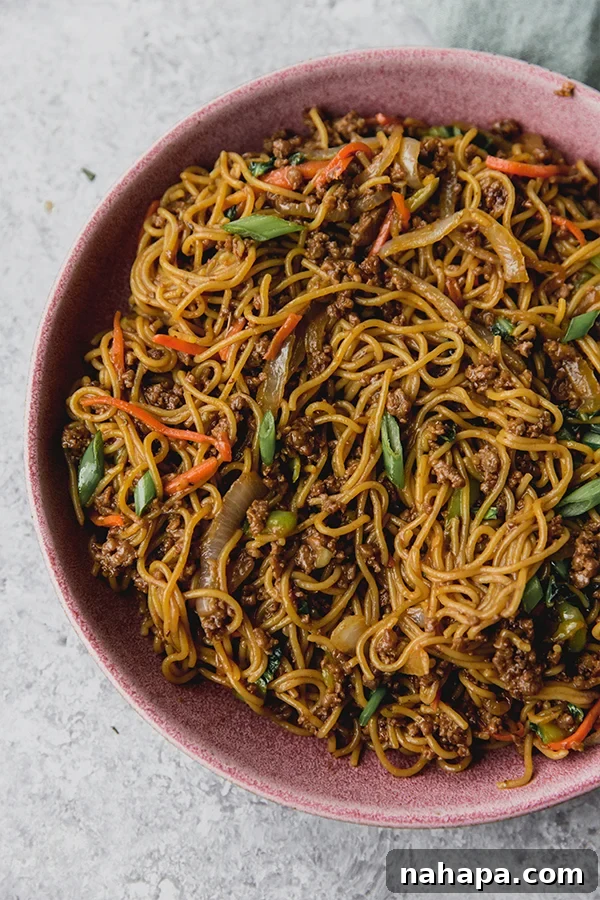
- Combining for Harmony: Return the browned ground beef to the skillet with the sautéed vegetables. Add the cooked gluten-free ramen, the prepared homemade hoisin sauce, and the additional 3 tablespoons of coconut aminos. Stir everything thoroughly to ensure that the beef, noodles, and vegetables are evenly coated in the rich, glossy sauce. Sauté for a few more minutes, allowing all the ingredients to heat through and the flavors to fully meld together.
- Final Touches and Serving: Taste the dish and adjust seasoning with additional salt and pepper if needed. Serve your Hoisin Beef Noodles immediately, garnished generously with freshly chopped green onions for a pop of color and a fresh, mild oniony flavor. Enjoy this incredibly flavorful and satisfying meal!
Expert Tips & Tricks for the Best Hoisin Beef Noodles
To ensure your Hoisin Beef Noodles turn out perfect every time, consider these expert tips and tricks:
- Explore Noodle Alternatives: While gluten-free ramen is fantastic, don’t limit yourself! Gluten-free spaghetti offers a different texture that’s equally delicious and robust enough to hold the sauce. For an AIP version, cassava spaghetti is an excellent, compliant choice. Brown rice vermicelli or even zoodles (zucchini noodles) can also work for a lighter, veggie-packed option.
- Switch Up the Protein: This recipe is incredibly versatile when it comes to protein. If you’re not a fan of beef, or simply want to try something different, ground chicken, turkey, or even pork would be delicious. For a vegetarian or vegan option, firm tofu or tempeh, crumbled and browned, would absorb the hoisin sauce beautifully.
- Vary Your Vegetables: The suggested vegetables are a great starting point, but feel free to customize based on what’s in season or what you prefer. Bell peppers (red, yellow, or orange), broccoli florets, snow peas, sliced mushrooms, or even chopped kale would make excellent additions. Just be mindful of cooking times – add harder vegetables earlier and softer ones later to achieve your desired tenderness.
- Adjust Sauce Consistency: If your hoisin sauce turns out a little too thick after blending, you can thin it with a tablespoon or two of water or extra coconut aminos until it reaches your desired consistency. If it’s too thin, a tiny pinch more arrowroot starch mixed with a tablespoon of cold water (a slurry) can be stirred in while simmering to thicken it further.
- Achieve Perfect Noodle Texture: Gluten-free noodles can sometimes be prone to stickiness or becoming mushy if overcooked. Always follow package directions precisely and taste test a noodle before draining. Rinsing them quickly with cold water after draining can also help prevent sticking, especially if they’ll be sitting for a few minutes before combining with the other ingredients.
Storage and Reheating Instructions
This Hoisin Beef Noodle dish is fantastic for meal prep, as it stores and reheats wonderfully, allowing you to enjoy delicious leftovers throughout the week.
- Storing in the Fridge: Once cooled to room temperature, transfer any leftover Hoisin Beef Noodles to an airtight container. Store it in the refrigerator for up to 3-4 days. Ensure the container is sealed well to maintain freshness and prevent other food odors from affecting the flavor.
- Reheating on the Stove: For the best texture, especially for the noodles, reheating on the stovetop is recommended. Place the leftovers in a skillet over medium-low heat. Add a splash of water or coconut aminos to help loosen the sauce and prevent sticking. Stir gently and heat for several minutes, or until the dish is thoroughly warmed through.
- Reheating in the Microwave: If you’re short on time, the microwave is a convenient option. Transfer a single serving to a microwave-safe dish. Heat on high for 1-2 minutes, stirring halfway through, until hot. Be aware that noodles might become slightly softer in the microwave.
Is This Hoisin Beef Noodle Dish Healthy?
The term “healthy” can be quite subjective, meaning different things to different people and depending on individual dietary needs and goals. However, from a general wellness perspective, we enthusiastically consider this Hoisin Beef Noodle bowl a healthy choice!
Here’s why:
- Whole Food Ingredients: This recipe prioritizes real, unprocessed ingredients. We’re talking lean ground beef, an abundance of fresh vegetables like bok choy and carrots, and naturally gluten-free noodles.
- Natural Sweeteners: The homemade hoisin sauce is sweetened primarily with Medjool dates and a touch of blackstrap molasses, offering natural sugars along with fiber and essential minerals, as opposed to refined sugars often found in store-bought sauces.
- Soy-Free & Gluten-Free: For individuals with sensitivities or allergies to soy and gluten, this dish offers a delicious and safe option, removing common inflammatory ingredients.
- Rich in Nutrients: Ground beef provides essential protein and iron, while the vegetables contribute a wealth of vitamins, minerals, and dietary fiber, promoting digestive health and overall well-being.
- Balanced Meal: This dish offers a good balance of macronutrients – protein from the beef, complex carbohydrates from the noodles, and healthy fats from the avocado oil and almond/tigernut butter, alongside micronutrients from the diverse vegetables.
By making your hoisin sauce from scratch, you also avoid potential additives, high-fructose corn syrup, and excessive sodium often found in pre-made sauces. This allows you to have full control over what goes into your body, making it a truly wholesome and satisfying meal.
How to Make This Recipe AIP Compliant (Autoimmune Protocol)
For those following the Autoimmune Protocol (AIP), a few simple substitutions will transform this delicious recipe into a compliant meal without sacrificing flavor. The goal of AIP is to reduce inflammation, and these changes help align the dish with the protocol’s guidelines:
- Noodle Swap: Instead of gluten-free ramen made from rice, use 5 ounces of cassava spaghetti. Cassava is a root vegetable and a compliant starch on the AIP diet, providing a similar satisfying noodle texture.
- Vinegar Alternative: Replace rice vinegar with apple cider vinegar. While both are acidic, apple cider vinegar is typically preferred on AIP. Ensure it’s organic and unfiltered for maximum benefits.
- Spice Adjustments: Omit the Chinese five spice powder and black pepper. Chinese five spice often contains star anise and Szechuan peppercorns, which are not AIP compliant. Black pepper is also a nightshade and should be avoided. You can add a pinch of ginger or garlic powder for extra flavor if desired.
- Nut-Free Butter: If using almond butter in the hoisin sauce, you must omit it for AIP, as almonds are a nut. Instead, use tigernut butter. Tigernuts are tubers, not nuts, and are a fantastic AIP-friendly alternative that provides a similar creamy texture and subtle sweetness to the sauce.
With these modifications, you can confidently enjoy a flavorful and comforting bowl of Hoisin Beef Noodles that fully supports your AIP journey.
Other Delicious Noodle & Beef Recipes You’ll Love
If you enjoyed the flavors and simplicity of our Hoisin Beef Noodles, you’re sure to love these other fantastic recipes that celebrate ground beef and noodles:
- Mongolian Ground Beef with Noodles
- Ground Beef Ramen Noodle Stir Fry
- The Best Homemade Hibachi Noodles
Hoisin Beef Noodles Recipe Card
Yield: 4 servings
Prep Time: 20 mins
Cook Time: 30 mins
Total Time: 50 mins
Author: Michelle
Ingredients
For the Hoisin Sauce
- 4 Medjool dates, pitted and finely chopped
- ¼ cup coconut aminos
- 1 tbsp rice vinegar
- 1 tbsp blackstrap molasses
- 1 tbsp almond butter
- 1 tsp arrowroot starch
- ½ tsp Chinese five spice
- Salt and pepper, to taste
For the Beef and Noodles
- 2 bricks of gluten-free ramen
- 1 lb ground beef
- Salt and pepper, to taste
- 1 tbsp avocado oil
- ½ white onion, sliced
- 3 cloves garlic, minced
- 1 head baby bok choy, chopped
- ½ cup carrots, shredded
- 3 tbsp coconut aminos
- 2 tbsp green onion, chopped (for topping)
Instructions
For the Sauce
- Add all of the hoisin sauce ingredients to a pot and bring to a low simmer. Simmer for 5-8 minutes, stirring often until the sauce thickens.
- Remove from the heat and allow to cool before pureeing with an immersion blender or in a standard blender. The sauce should be thick and creamy. Set aside.
For the Beef and Noodles
- Boil a pot of water and salt well. Add the ramen and cook according to package instructions. Once cooked, strain and toss with a bit of avocado oil to avoid sticking. Set aside.
- Using a large pan, heat over medium heat and add the beef. Season with salt and pepper and crumble until browned. Set aside and drain any excess fat.
- Add the oil to the pan over medium-low heat, and add the onion and garlic. Sauté for 3-4 minutes or until the onions are soft. Add the bok choy and carrots and sauté for another 4-5 minutes or until softened.
- Add the beef, cooked ramen, hoisin sauce, and coconut aminos to the skillet and stir to combine. Sauté for a few minutes to reheat the beef and totally coat the dish in the sauce.
- Salt further to taste and serve topped with green onion.
Notes
To make AIP compliant:
- Use 5 oz cassava spaghetti instead of gluten-free ramen.
- Use apple cider vinegar instead of rice vinegar.
- Omit the five spice and black pepper.
- Omit the almond butter from the hoisin sauce, or use tigernut butter instead.
All nutritional information is an estimation and will vary. Estimations do not include optional ingredients.
Nutrition Information
Serving: 1 serving, Calories: 511kcal, Carbohydrates: 61.3g, Protein: 31g, Fat: 16.4g, Fiber: 4.3g
All nutrition facts are estimated and will vary.
We hope you thoroughly enjoy preparing and savoring these Hoisin Beef Noodles. It’s a testament to how simple, wholesome ingredients can come together to create a truly memorable meal, perfect for any occasion. Don’t hesitate to experiment with the flavors and make it your own!