
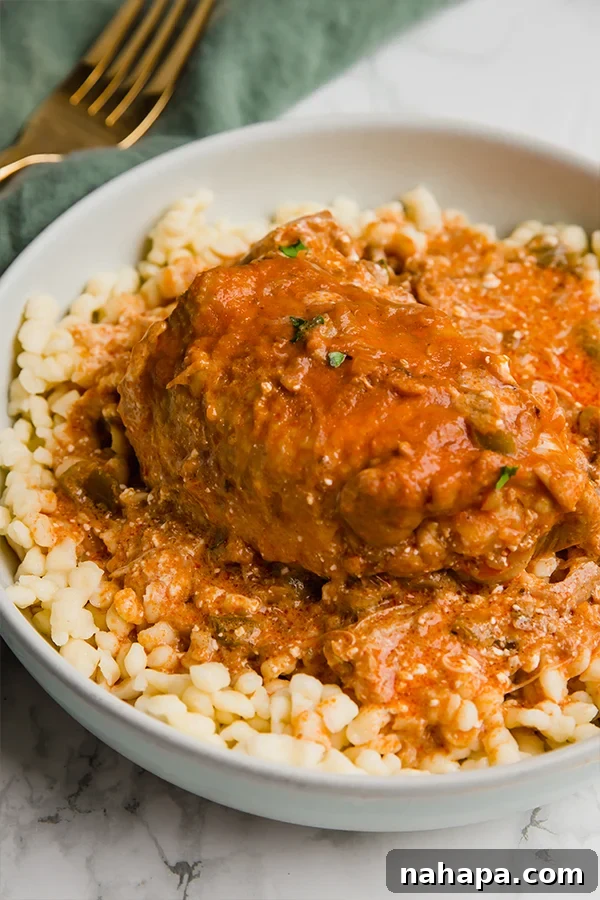
There are dishes that simply taste like home, and for me, that dish is Authentic Hungarian Chicken Paprikash. This treasured recipe isn’t just a meal; it’s a culinary journey passed down through generations, directly from my mom, who grew up amidst the vibrant culinary traditions of Budapest, Hungary. This signature Hungarian dish is the epitome of comfort food, bursting with rich flavors and a warmth that truly makes it the real deal.
What is Chicken Paprikash? Delving into Hungarian Culinary Heritage
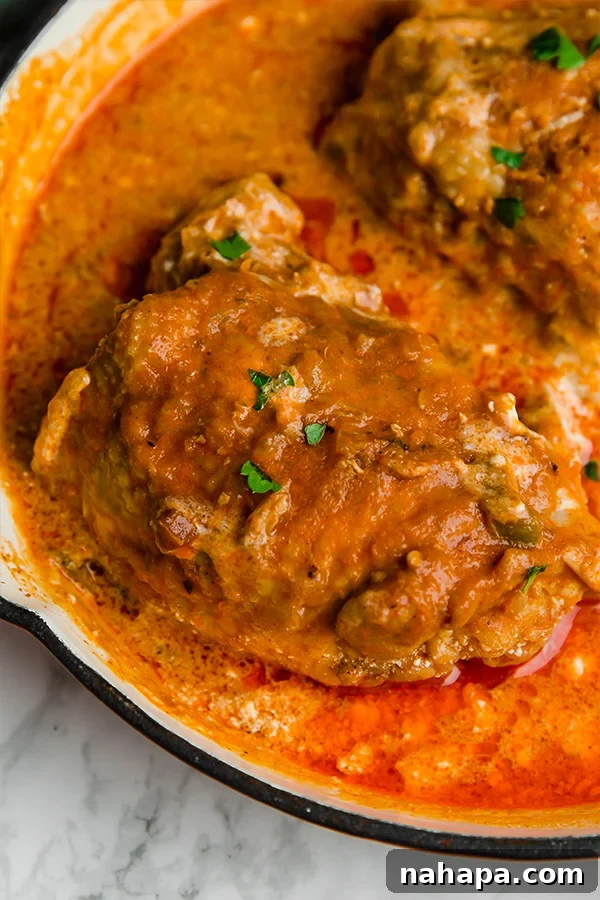
Chicken paprikash, known as “Paprikás Csirke” in Hungarian, is a beloved and iconic stew that holds a special place in the heart of Hungarian cuisine. At its core, it features tender pieces of chicken, traditionally stewed to perfection in a luscious, vibrant sauce primarily made with generous amounts of high-quality Hungarian paprika, onions, and often bell peppers and tomatoes. The dish is famously finished with a swirl of rich sour cream (tejföl), giving it a creamy texture and a distinctive tangy flavor that balances the spice and sweetness of the paprika.
This heartwarming dish is more than just a recipe; it’s a cultural emblem, embodying the soul of Hungarian cooking. Paprika, the cornerstone of this recipe, isn’t just a spice in Hungary; it’s a way of life, cherished for its vibrant color, nuanced flavors, and remarkable versatility. The history of paprika in Hungarian cuisine dates back centuries, influencing countless dishes and becoming synonymous with the country’s gastronomic identity. Chicken Paprikash beautifully showcases this national treasure, offering a symphony of flavors that is both robust and comforting.
My connection to this dish runs deep. My mom, Judy, spent her formative years in Budapest before moving to the United States as an adult. Hungarian is her native tongue, and I was incredibly fortunate to grow up immersed in the aromas and tastes of traditional Hungarian cooking. Dishes like Chicken Paprikash, hearty Goulash, and homemade Nokedli were staples in our household, forming the bedrock of my culinary upbringing. These weren’t just meals; they were lessons in heritage, love, and the joy of sharing food.
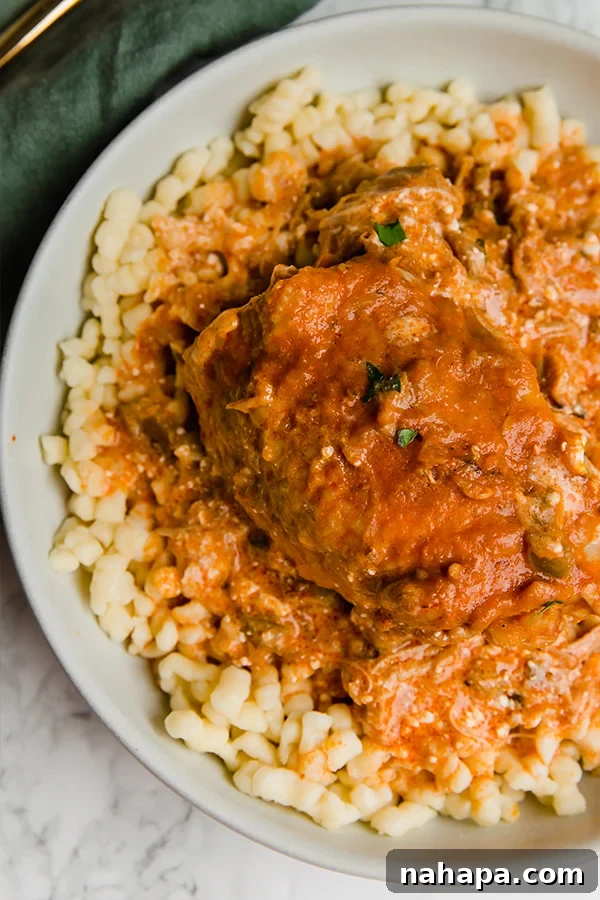
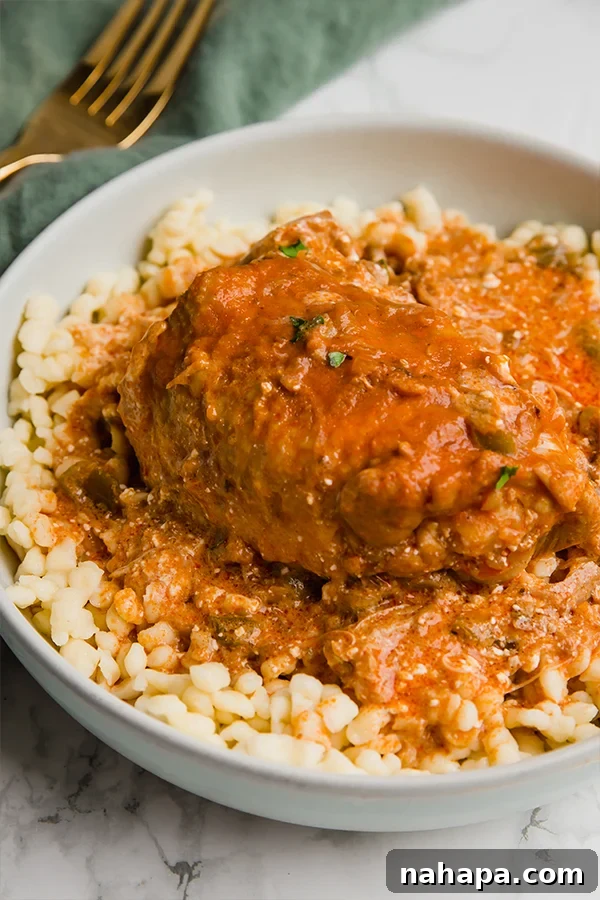
A true Paprikás Csirke is almost always served with nokedli, which are small, soft egg noodles often described as the Hungarian equivalent of German spaetzle. These tiny dumplings are perfect for soaking up every last drop of the rich, creamy sauce. Alternatively, thick egg noodles or even fluffy white rice can be excellent accompaniments. The combination of succulent chicken, the velvety paprika sauce, and these tender sides creates a harmonious and deeply satisfying meal that speaks volumes of Hungarian hospitality.
Over the years, many of you have asked me to share more recipes from my Hungarian heritage on the blog. While I adore traditional Hungarian food, I’ve faced a personal challenge: much of the cuisine is very nightshade-heavy. As someone with nightshade sensitivities, adapting these recipes to an AIP (Autoimmune Protocol) version can be tricky. I successfully crafted an AIP Goulash for my cookbook, demonstrating that some modifications are possible. However, for this Authentic Chicken Paprikash, I decided to honor its true form. The essence of paprikash lies in its namesake spice, paprika, which is a nightshade. To remove it would be to fundamentally alter the dish. So, I’m sharing this recipe precisely as my mom taught me – the traditional, real deal, unchanged and uncompromised, because some culinary classics are simply perfect as they are.
This recipe is naturally gluten-free if served with appropriate sides like gluten-free nokedli or cauliflower rice. Furthermore, it can be easily adapted to be paleo and dairy-free by swapping the traditional sour cream for a suitable alternative, ensuring that more people can enjoy this incredible dish.
The Essential Ingredients for a Perfect Paprikash
Creating an authentic Chicken Paprikash begins with sourcing high-quality ingredients. Each component plays a vital role in building the layered flavors that make this dish so extraordinary. Pay particular attention to the paprika; using genuine Hungarian paprika will make a world of difference in taste and color compared to generic varieties. Sweet Hungarian paprika is usually preferred, but a touch of hot paprika can be added for those who enjoy a little heat.
- Lard (or Bacon Grease): The traditional fat of choice, providing a rich, savory base for browning the chicken and sautéing the vegetables. It imparts a distinctive depth of flavor that butter or olive oil simply cannot replicate.
- Chicken Thighs: Bone-in, skin-on chicken thighs are often preferred for their flavor and ability to remain juicy during the slow stewing process. Boneless, skinless thighs or even a mix of chicken pieces can also be used, but adjust cooking times accordingly to ensure tenderness.
- Onions & Garlic: The aromatic foundation of the dish. Finely diced yellow onions are sautéed until deeply golden, creating a sweet and savory base. Minced garlic adds a pungent counterpoint, rounding out the flavor profile.
- Bell Pepper: A small green bell pepper, finely chopped, adds a subtle sweetness and a touch of fresh, earthy flavor that complements the paprika beautifully.
- Roma Tomatoes: Ripe Roma tomatoes, finely chopped, contribute acidity and umami, enriching the sauce. If fresh tomatoes are out of season, a small amount of quality tomato paste can be a fantastic substitute, adding concentrated tomato flavor.
- Caraway Seeds: Ground caraway seeds are a secret ingredient in many Hungarian stews, offering a warm, slightly peppery, and anise-like aroma that enhances the savory notes of the chicken and paprika.
- Hungarian Paprika: This is the star of the show! Use good quality, sweet Hungarian paprika for the authentic taste and deep red color. Adjust the quantity to your preference, but don’t be shy; paprika is meant to be the dominant flavor.
- Salt & Pepper: Essential seasonings to enhance all the other flavors. Season generously, tasting and adjusting as you go.
- Chicken Broth: Provides the liquid base for the stew, ensuring the chicken cooks gently and the flavors meld together beautifully. Use enough to just barely cover the chicken during simmering.
- Sour Cream (Tejföl): Added at the very end, off the heat, sour cream brings a creamy richness, a pleasant tang, and thickens the sauce to perfection. It’s what truly makes it “paprikash.”
- Fresh Parsley: A final garnish of freshly chopped parsley adds a touch of brightness, freshness, and color to the finished dish.
Crafting Authentic Chicken Paprikash: A Step-by-Step Guide
Making Chicken Paprikash is a rewarding experience that fills your kitchen with incredible aromas. The process is straightforward, focusing on building layers of flavor to achieve that rich, comforting taste. Follow these detailed steps to create a truly memorable meal:
- Prepare the Chicken: Begin by patting your chicken thighs dry with paper towels. This step is crucial for achieving a good sear. Season the chicken generously with salt and pepper on all sides.
- Brown the Chicken: In a deep, heavy-bottomed pan or Dutch oven with a lid, heat the lard (or bacon grease) over medium-high heat until shimmering. Carefully add the chicken thighs, skin-side down first if using skin-on, and brown them on all sides until golden. This step develops deep flavor and helps lock in juices. Once beautifully browned, transfer the chicken to a clean plate and set it aside. Don’t worry about cooking it through at this stage; it will finish cooking in the sauce.
- Sauté the Aromatics: Reduce the heat to medium. In the same pan, using the flavorful rendered fat, add the finely diced onions. Sauté them slowly, stirring occasionally, until they become translucent, soft, and deeply golden brown. This can take 8-10 minutes and is a critical step for flavor development.
- Build the Flavor Base: Add the minced garlic, finely chopped bell pepper, and Roma tomatoes (or tomato paste) to the pan. Stir in the ground caraway seeds. Cook for another 2-3 minutes, stirring constantly, until the vegetables soften slightly and become fragrant. The goal is to bloom these flavors without burning them.
- Incorporate the Paprika: This is a crucial moment! Remove the pan from the heat *immediately* before adding the Hungarian paprika, salt, and pepper. Stir the paprika into the sautéed vegetables until fully incorporated. It’s essential to remove the pan from the direct heat because paprika can turn bitter if scorched. Allowing it to bloom gently in the residual heat of the pan and the oil helps release its full flavor and vibrant color.
- Simmer the Stew: Return the browned chicken pieces to the pot, nestling them among the vegetables. Pour in enough chicken broth to mostly cover the chicken. Bring the liquid to a gentle boil, then immediately reduce the heat to medium-low. Cover the pot tightly with a lid and let it simmer for 40-60 minutes, or until the chicken is fork-tender and cooked through. The internal temperature of the chicken should reach 165°F (74°C). The longer it simmers, the more tender the chicken and the more developed the flavors will be.
- Finish with Sour Cream: Once the chicken is cooked, remove the pan from the heat. Allow it to cool slightly for a few minutes. This prevents the sour cream from curdling. Add the sour cream to the sauce and gently stir it in until it’s fully combined and the sauce is smooth and creamy. Taste and adjust seasonings if necessary.
- Serve: Ladle the magnificent Chicken Paprikash into bowls. Garnish generously with fresh chopped parsley for a burst of color and freshness. Serve immediately with your favorite traditional accompaniments like gluten-free nokedli, soft egg noodles, or a lighter option like cauliflower rice.
What to Serve with Your Hungarian Chicken Paprikash
Chicken Paprikash is a hearty and flavorful dish that pairs wonderfully with a variety of sides. The goal is often to find accompaniments that can soak up the rich, creamy paprika sauce. Here are some traditional and popular choices:
- Gluten-free nokedli (or spaetzle): These soft, chewy egg noodles are the quintessential Hungarian pairing, perfect for absorbing the sauce.
- Egg noodles: If nokedli isn’t available or you prefer a simpler option, regular egg noodles are a fantastic choice. For a gluten-free version, I highly recommend brands like Jovial for their gluten-free egg tagliatelle.
- Cauliflower rice: A lighter, low-carb option that still provides a great base for the sauce.
- Creamy mashed potatoes: Another comforting classic that pairs beautifully with the rich stew.
- A side of pickled vegetables: The tartness of pickled cucumbers or other vegetables cuts through the richness of the paprikash and adds a refreshing contrast.
- Simple green salad: A light, fresh salad with a vinaigrette dressing can offer a crisp counterpoint to the savory dish.
Frequently Asked Questions about Chicken Paprikash
Can I make Chicken Paprikash without sour cream?
Absolutely! If you’re looking for a dairy-free or paleo version, you can successfully swap the sour cream. A fantastic alternative is full-fat coconut cream (from a can, chilled, using only the thick cream at the top). To mimic the slight tang of sour cream, add a pinch of apple cider vinegar or a squeeze of fresh lemon juice to the coconut cream before stirring it into the sauce. This substitution maintains the creamy texture and balances the flavors beautifully, allowing you to enjoy this traditional dish regardless of dietary restrictions.
Is it possible to make this recipe AIP/nightshade free?
Unfortunately, making an authentic Chicken Paprikash entirely paprika-free is incredibly challenging, as paprika is truly the star ingredient and defines the dish. Since paprika is derived from nightshade peppers, this traditional recipe cannot be made fully nightshade-free without fundamentally altering its character and flavor profile. As someone who personally manages nightshade intolerance, I haven’t been able to enjoy this specific recipe in years. However, I grew up eating it and can wholeheartedly vouch for its deliciousness. While some modifications might allow for a “chicken stew with creamy sauce,” it wouldn’t be a true Paprikash. For a nightshade-free Hungarian-inspired stew, one would need to explore entirely different spice blends and flavorings, but for this specific family recipe, we celebrate it in its traditional glory.
How should I store and reheat leftovers?
Chicken Paprikash makes for excellent leftovers. Store any cooled portions in an airtight container in the refrigerator for up to 3-4 days. To reheat, gently warm on the stovetop over low heat, stirring occasionally, until heated through. You may need to add a splash of chicken broth or water if the sauce has thickened too much. Avoid high heat, especially if the sour cream was added, to prevent curdling.
What kind of paprika should I use for the best flavor?
For the most authentic and flavorful Chicken Paprikash, investing in high-quality Hungarian paprika is key. Look for “sweet Hungarian paprika” (édesnemes) which offers a vibrant color and rich, sweet pepper flavor without being spicy. If you enjoy a bit of heat, you can add a small amount of “hot Hungarian paprika” (csípős) to taste, but the sweet variety forms the base. Good paprika should be deep red and fragrant, a testament to its freshness and quality.
Other Comforting Recipes You’ll Love
- Slow Cooker Chicken Cacciatore
- Filipino Chicken Adobo
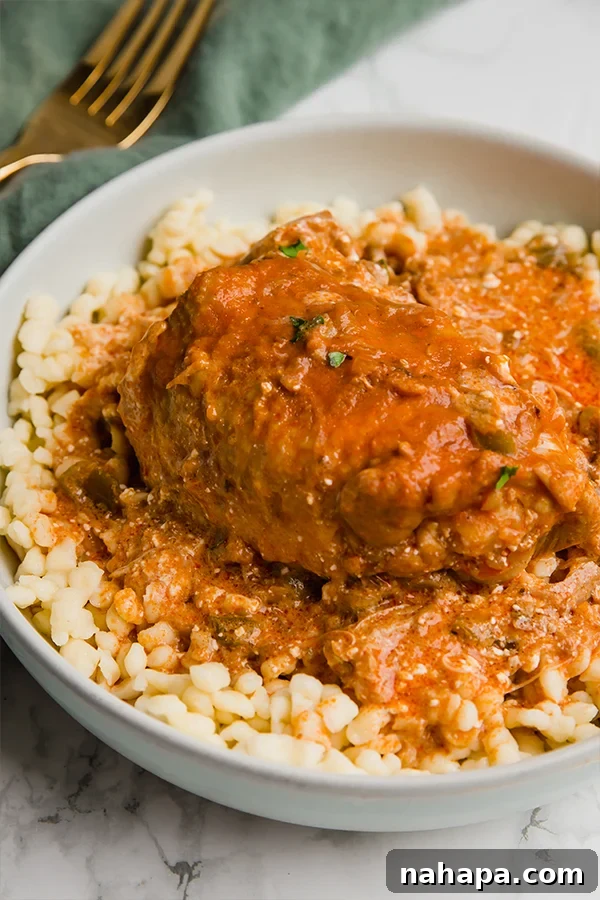
Authentic Hungarian Chicken Paprikash
Pin Recipe
Want to save this for later?
Just drop your name and email below, and we’ll send it right to your inbox! ✉️
Ingredients
- 2 tbsp lard, sub bacon fat
- 3 lbs chicken thighs, bone-in (or boneless)
- 2 medium yellow onions, finely diced
- 2 cloves of garlic, minced
- 1 small green bell pepper, finely chopped
- 1 ripe Roma tomato, finely chopped (if not in season, sub with 1.5 tbsp of tomato paste)
- 1 tsp ground caraway seeds
- 3-4 tbsp Hungarian paprika, adjust to taste
- 1.5-2 cups chicken broth, only use enough to barely cover the chicken
- Salt & pepper to taste
- ¼ cup sour cream, sub this for dairy-free/paleo alternative (like full-fat coconut cream with a pinch of ACV)
- 2 tbsp fresh parsley, chopped, for garnish
Instructions
- Using a deep, heavy pan (with a lid), heat the lard on medium heat and brown the chicken on all sides. Transfer the chicken to a plate and set aside.
- In the same pan, add the onions and fry until deeply golden brown. Add the garlic, tomatoes, bell pepper, and ground caraway seeds and fry for another 2-3 minutes, stirring continuously. Remove the pan from the heat and stir in the paprika, salt, and pepper (remember, paprika becomes bitter if scorched).
- Return the chicken to the pot and place it back over the heat. Pour in the chicken broth, ensuring the chicken is mostly covered.
- Bring the liquid to a boil. Cover, reduce the heat to medium-low, and simmer gently for 40-60 minutes, or until the chicken is tender and reaches an internal temperature of 165°F (74°C).
- Remove the pan from the heat and allow it to cool slightly for a few minutes before adding the sour cream. Gently stir the sour cream into the sauce until fully incorporated and smooth.
- Serve immediately, topped with fresh chopped parsley, and with a side of gluten-free nokedli, egg noodles, or cauliflower rice.
Notes
All nutritional information is an estimation and will vary based on ingredients used and cooking methods. Estimations do not include optional ingredients or variations in serving sizes.
Serving: 1 serving, Calories: 520 kcal, Carbohydrates: 27.4g, Protein: 59.8g, Fat: 19.1g, Fiber: 4.1g
Did you Make this Recipe?Tag @unboundwellness on Instagram and hashtag #unboundwellness!