
This post contains affiliate links. Learn what that means, here.
If you’re anything like me, you’ve likely encountered plantains and perhaps even wondered, “Are those just big, green bananas?” Or maybe you’ve seen them in the grocery store and hesitated, unsure how to transform them into a delicious meal. Well, wonder no more! Plantains have become an absolute staple in my kitchen, a versatile and nourishing starchy carbohydrate that I can’t get enough of. From savory sides to delightful desserts, these unassuming fruits hold a special place in healthy, real-food diets. In this comprehensive guide, I’m excited to share all the vital details: why plantains deserve a spot on your plate, how to select the perfect ones, and my go-to recipe for simple, oven-baked plantains.
Discovering the Power of Plantains: A Nutritional Deep Dive
My love affair with plantains began as I explored whole-food options to support my health, and it quickly became clear why they are so revered in cultures worldwide. Beyond their incredible taste and adaptability, plantains offer a spectrum of nutritional benefits that make them an excellent choice for anyone prioritizing their well-being, especially those navigating specific dietary protocols.
Why Plantains Are a Must-Have in Your Diet
- A Nutrient-Dense Starchy Carbohydrate for Optimal Health: Carbohydrates often get a bad rap, particularly in the wellness space, but the truth is, our bodies *need* them – in the right balance and from the right sources. Plantains are a prime example of a healthy, complex carbohydrate. They provide sustained energy, fiber, and crucial micronutrients. This is particularly vital for women, especially those dealing with hormone regulation issues, adrenal fatigue, or thyroid problems. Our bodies rely on glucose (derived from carbohydrates) to convert inactive thyroid hormone (T4) into its active form (T3), a process essential for a properly functioning metabolism and balanced hormones. Opting for whole-food, starchy carbs like plantains ensures you’re fueling these vital processes without the pitfalls of refined sugars or processed grains. They offer a satisfying way to meet your carbohydrate needs while supporting overall endocrine health. Furthermore, plantains are a good source of Vitamin C, a powerful antioxidant that supports immune function, and Vitamin B6, which plays a role in metabolism and neurotransmitter production.
- An Excellent Whole-Food Alternative for Grain-Free and Autoimmune Protocols: When embarking on a gluten-free, grain-free, or autoimmune protocol (AIP) diet, finding satisfying substitutes for beloved starches can be a challenge. My own journey started with swapping gluten-laden bread for gluten-free bread, only to realize that many “gluten-free” products are just as, if not more, processed and devoid of true nutrition. They often contain inflammatory ingredients, artificial additives, and cause significant blood sugar spikes, which can further tax our adrenal glands and perpetuate health issues. Plantains, however, are a true game-changer. They provide a nutrient-dense, real-food alternative to grains, bread, and even common starches like sweet potatoes if you’re looking for variety. They nourish the body, stabilize blood sugar more effectively than processed options, and offer a comforting familiarity without compromising dietary goals. Their versatility means they can be incorporated into countless recipes, making adherence to strict dietary guidelines much more enjoyable and sustainable.
- Budget-Friendly and Remarkably Easy to Prepare: Healthy eating doesn’t have to break the bank. Plantains are an incredibly economical choice, often available for less than a dollar per pound in many grocery stores. This makes them a far more sustainable and affordable option compared to expensive specialty gluten-free breads or highly processed convenience foods. Their simplicity in preparation is another major advantage. Whether you’re baking, frying, mashing, or turning them into chips, plantains require minimal fuss, making them perfect for busy weeknights or meal prepping for the week ahead. Learning a few basic preparation methods can quickly turn them into a go-to ingredient for a wide array of meals, saving both time and money.
- A Traditional, Real Food with Rich Cultural Roots: In a world increasingly dominated by ultra-processed, “man-made” foods, embracing traditional ingredients is a powerful step towards better health. Plantains hold a venerable and prominent place in Latin American, Caribbean, African, and Southeast Asian cuisines, where they have been a staple food for centuries. They are a naturally grown, wholesome fruit, free from the genetic modifications and extensive processing often found in modern food production. Incorporating plantains into your diet is not only a nutritional win but also a way to connect with diverse food traditions and enjoy the goodness of real, unprocessed ingredients. This connection to real, traditional foods helps foster a more mindful and nourishing approach to eating.
Sourcing Your Plantains: Accessibility and Sustainability
While I strive to source as many of my ingredients locally as possible – from fresh greens at the farmers market to grass-fed beef from a nearby farm – I make a delightful exception for plantains. Sometimes, variety is the spice of life, and in our modern world, the convenience and diversity offered by a well-stocked grocery store can be a wonderful thing. Plantains bring unique flavors and textures that are hard to replicate, enriching my diet and culinary adventures. Despite their tropical origins, their global availability makes them a fantastic addition to a balanced, diverse diet.
Fortunately, plantains are becoming increasingly accessible across the globe. You can typically find these tropical gems at:
- Local Farmers Markets: If you live in a region where plantains are cultivated, your local market is a fantastic place to find them fresh, supporting local agriculture.
- Whole Foods Market: Known for its wide array of international and specialty foods, Whole Foods is a reliable source for high-quality produce, including plantains.
- Sprouts Farmers Market: Another excellent health-focused grocery chain that often carries plantains, offering a good selection for health-conscious shoppers.
- Ethnic Grocery Stores (e.g., Fiesta, La Michoacana, Asian markets): These stores are often the best bet for fresh, affordable plantains, given their prominence in many global cuisines and usually have a steady supply.
- Major Supermarket Chains (e.g., Kroger, Safeway, Publix, Walmart): Many larger conventional grocery stores now stock plantains due to their growing popularity and increased consumer demand for diverse ingredients.
Checking the produce aisle of your favorite grocery store is always a good starting point, and don’t hesitate to ask the produce manager if you can’t spot them immediately!
Choosing the Perfect Plantain: Green vs. Yellow
The stage of ripeness is crucial when selecting plantains, as it dramatically affects their flavor, texture, and culinary applications. Plantains, unlike sweet bananas, are typically cooked before eating, and their characteristics change significantly as they ripen. Understanding these differences will help you choose the right plantain for your desired dish.
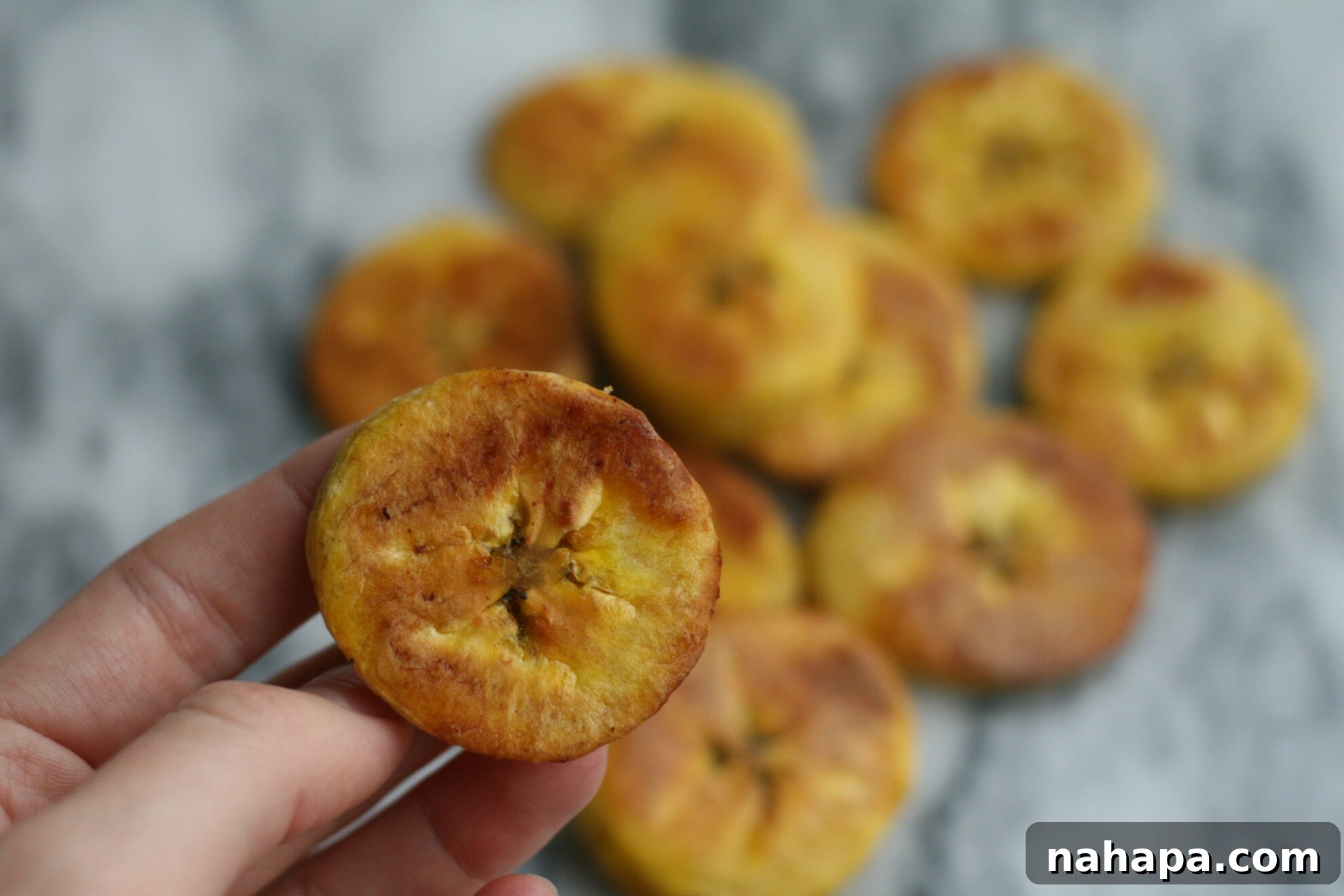
- Green Plantains: The Savory Starches. When plantains are firm, hard, and vibrant green, they are unripe. At this stage, they are starchy, less sweet, and have a firm, potato-like texture when cooked. These are my preferred choice for savory dishes, especially for the baked plantain recipe I’m about to share. Green plantains are excellent for making crispy plantain chips (tostones), savory fries, or as a hearty side dish to replace potatoes or rice in meals. Their higher resistant starch content also acts as a prebiotic, feeding beneficial gut bacteria and supporting digestive health, which is a significant plus for gut-focused diets.
- Yellow to Dark Plantains: The Sweet Delights. As plantains ripen, their skin gradually turns yellow, develops black spots, and eventually becomes entirely black and soft, much like a regular banana, but larger. At this stage, they become significantly sweeter as their starches convert to sugars, and their texture softens considerably. These are ideal for desserts, sweet fritters (maduros), or any dish where a natural sweetness is desired. While I don’t use them as frequently in my daily meals, there are countless delicious recipes available for ripe plantains that make for wonderful treats, offering a naturally sweet and comforting option. Experimenting with both stages of ripeness can open up a world of culinary possibilities, allowing you to enjoy plantains in a variety of contexts, from savory to sweet.
Preparing Your Plantains: The Best Cooking Fats
Once you’ve selected your perfect plantains, the next step is choosing the right cooking fat to enhance their flavor and ensure a healthy preparation. For my oven-baked plantains, I often reach for high-quality ghee, but I always keep an AIP-friendly alternative in mind to cater to different dietary needs.
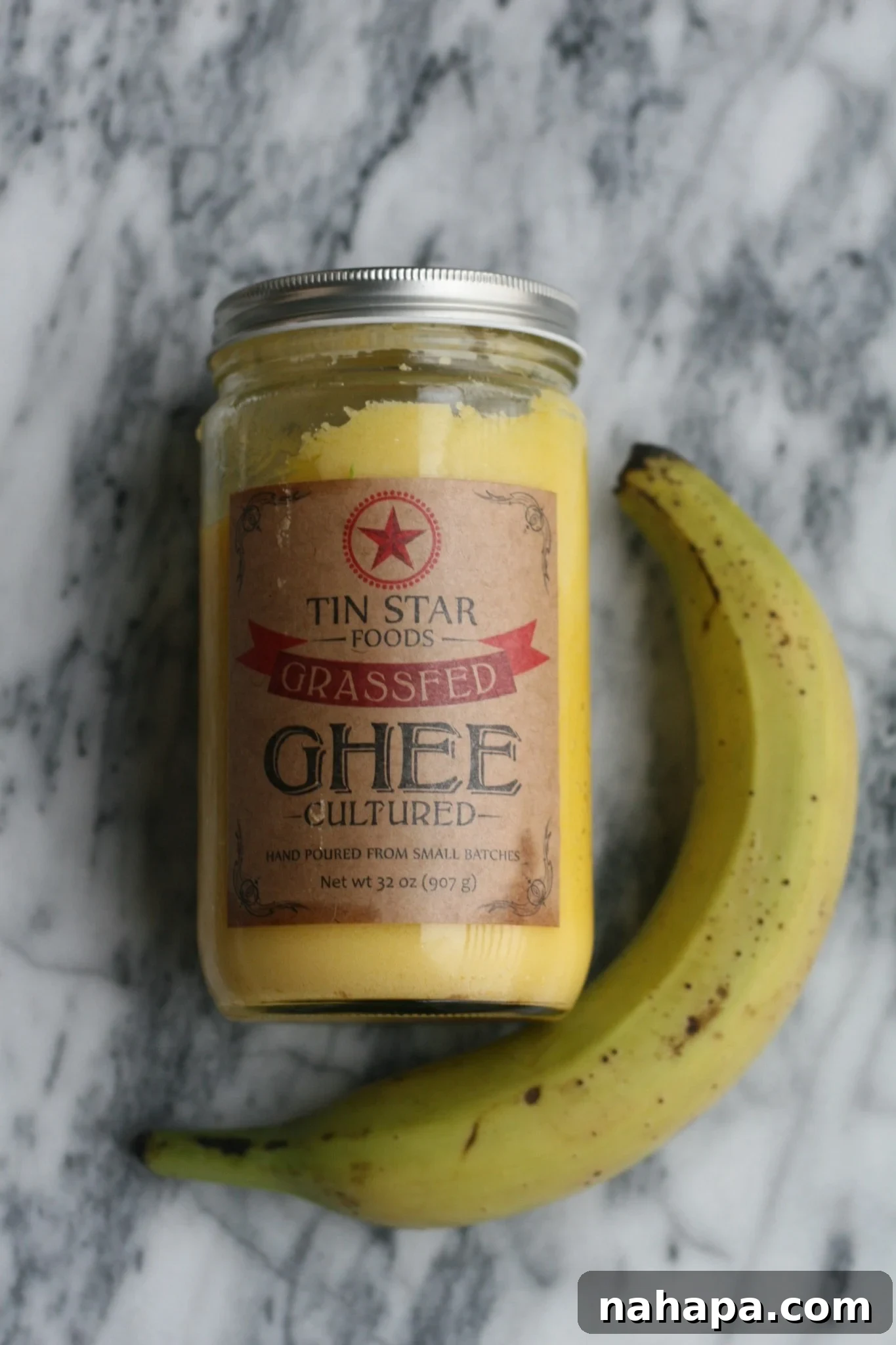
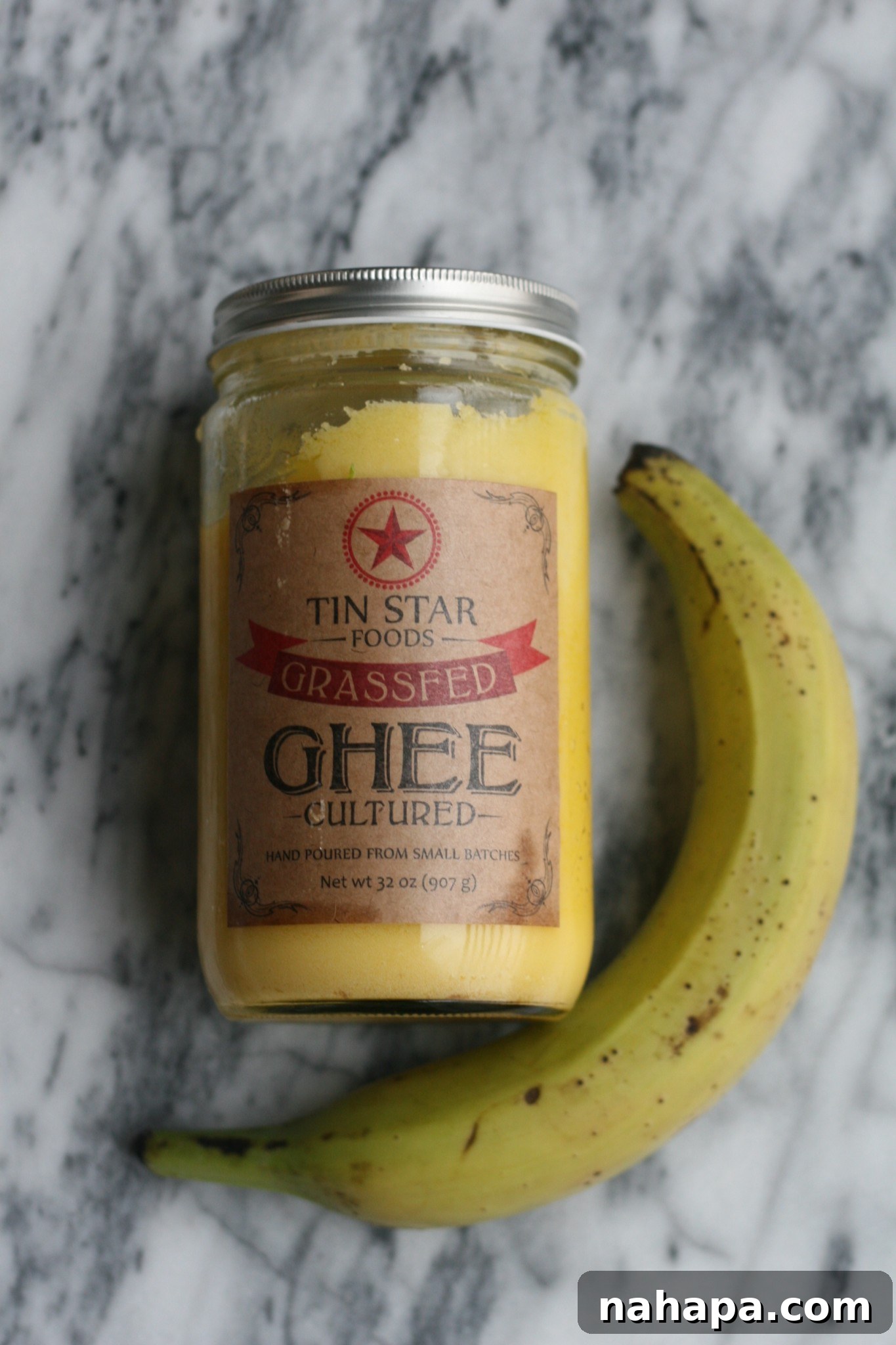
My top recommendation for ghee is Tin Star Foods Ghee. This brand goes above and beyond, offering lab-tested ghee that is certified casein and lactose-free. This is incredibly important for individuals with dairy sensitivities or those on strict healing diets like AIP, where even trace amounts of dairy proteins can cause issues. Ghee, or clarified butter, is a staple in Ayurvedic traditions and is celebrated for its rich, nutty flavor and high smoke point, making it suitable for various cooking methods, including baking and pan-frying. I’ve personally found that I feel fantastic when incorporating this ghee into my diet, enjoying its robust flavor and nutritional benefits without any adverse reactions.
However, if you are in the stricter elimination phases of the Autoimmune Protocol (AIP) or have a known sensitivity to even trace dairy, virgin coconut oil is an excellent and equally delicious alternative. Coconut oil imparts a subtle tropical flavor that complements plantains beautifully, and it’s widely accepted as an AIP-compliant cooking fat due to its clean profile and beneficial medium-chain triglycerides (MCTs). Both ghee and coconut oil are fantastic choices for healthy cooking, offering beneficial fats and superb flavor for your plantain dishes, ensuring that everyone can enjoy this recipe regardless of their specific dietary restrictions. For those who prefer other options, avocado oil or even a high-quality olive oil (used at lower temperatures) can also work well.
Simple and Delicious: Oven Baked Plantains Recipe
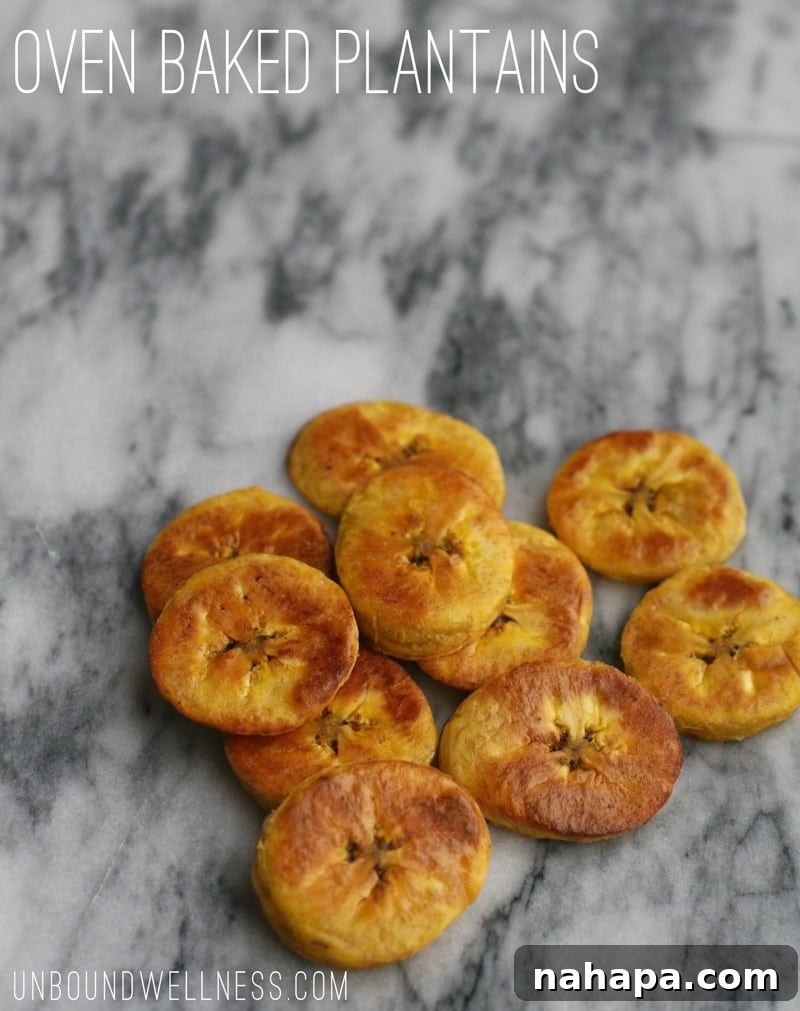
Transforming green plantains into a savory, satisfying side dish couldn’t be easier with this foolproof oven-baked recipe. It’s a healthy alternative to frying and brings out their natural sweetness and earthy flavor beautifully. This recipe is perfect for beginners and a staple for anyone looking for a wholesome, grain-free carbohydrate option that is both delicious and easy to prepare. Baking ensures a tender interior with slightly crispy edges, making them an incredibly satisfying addition to any meal.
Ingredients
- 2 large green (or slightly green/yellow) plantains – choose firm, unblemished plantains for the best results.
- 1 tbsp Tin Star Foods Ghee (OR virgin coconut oil for strict AIP) – ensuring a high-quality, flavorful fat.
- 1 tsp pink salt (Himalayan pink salt adds a touch of mineral goodness and enhances the flavor).
Instructions
- Preheat Your Oven: Start by preheating your oven to a consistent 400°F (200°C). This ensures even baking and a lovely golden-brown finish on your plantains. While the oven heats, you can prepare your plantains and baking sheet.
- Prepare the Plantains: Carefully peel your plantains. The skin of green plantains can be a bit tricky to remove compared to bananas. It’s often easiest to trim both ends, then score the skin lengthwise along one or two ridges without cutting into the flesh. Use your thumb or a knife to pry open the skin and peel it off. Once peeled, slice the plantains into uniform pieces, approximately 0.25 inches (about 0.6 cm) thick. Aim for slices thicker than chips but not too chunky, as this will ensure they cook evenly and achieve a perfect texture – tender on the inside, slightly crisp on the outside.
- Season and Arrange: Place the sliced plantains onto a baking sheet. You can line it with parchment paper for easier cleanup and to prevent sticking. Drizzle or dollop your chosen cooking fat (ghee or coconut oil) over the plantains. Use your hands or a brush to ensure each slice is lightly coated, guaranteeing even flavor and browning. Sprinkle generously with pink salt, ensuring every piece gets a touch of seasoning.
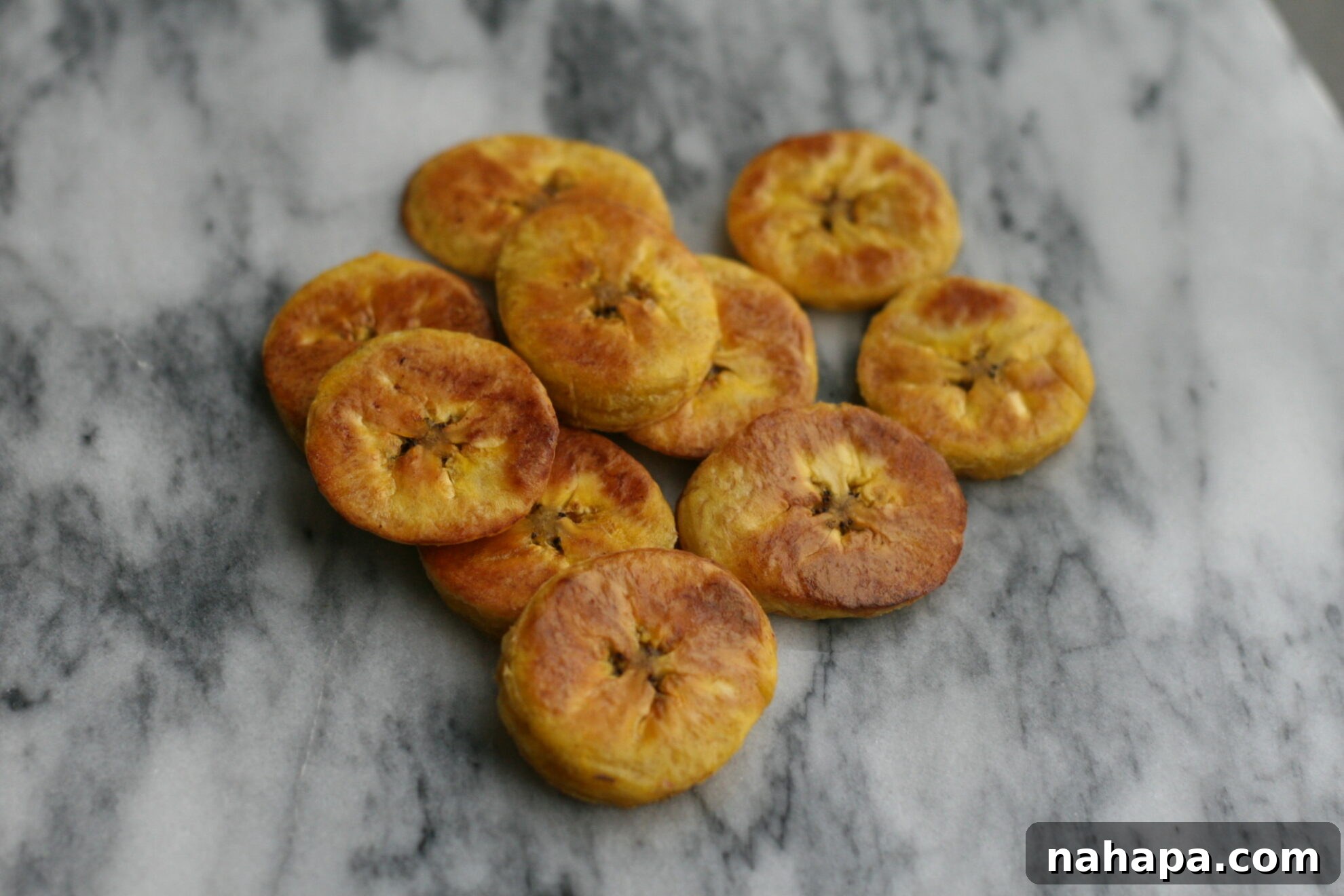
- Bake to Golden Perfection: Transfer the baking sheet to your preheated oven and bake for 25 minutes. To ensure even cooking and browning, flip the plantain slices halfway through the baking time (around the 12-13 minute mark). Continue baking until the plantains are beautifully golden brown and tender, with slightly crispy edges. The exact baking time may vary depending on your oven and the thickness of your slices, so bake longer if necessary, keeping a close eye on them to prevent burning. They should be soft when pierced with a fork.
- Serve and Savor: Once cooked to your liking, remove the plantains from the oven. Serve them immediately while they are warm and at their best. Their comforting warmth and savory flavor are simply irresistible straight out of the oven!
Creative Serving Suggestions for Your Baked Plantains
These oven-baked plantains are incredibly versatile and pair wonderfully with almost any meal. They seamlessly integrate wherever you’d typically serve a starch, offering a refreshing and nutrient-rich alternative. Their mild, earthy flavor makes them a perfect canvas for a variety of cuisines and meal types. I frequently enjoy them alongside:
- Hearty Protein-Packed Mains: Serve them with grilled chicken, baked salmon, pan-seared steak, or even a flavorful ground beef and veggie stir-fry. They provide a grounding carbohydrate that complements animal proteins beautifully.
- Light Lunches: They make an excellent and satisfying addition to a tuna and avocado salad, or as a hearty side with a big, vibrant green salad topped with your favorite protein source for a balanced and filling midday meal.
- Savory Breakfast Bowls: For a delicious and savory breakfast, pair them with scrambled eggs, sliced avocado, and a sprinkle of fresh herbs like cilantro or chives. It’s a fantastic way to start your day with sustained energy.
- As a Wholesome Snack: Enjoy them plain or with a simple dipping sauce (like a homemade aioli or a dollop of guacamole) for a satisfying and energizing snack that keeps you full between meals.
- In Meal Prep: Bake a larger batch at the beginning of the week and add them to your meal prep containers. They reheat well and provide a consistent source of healthy carbs.
Don’t hesitate to experiment with different seasonings as well! A pinch of garlic powder, onion powder, smoked paprika, or a dash of your favorite curry powder can elevate their flavor profile even further, allowing you to customize them to complement any cuisine you’re cooking. They are truly a blank canvas for culinary creativity.
Embrace the Plantain Revolution!
Hopefully, this deep dive has shed light on why plantains are such a remarkable food and inspired you to incorporate them into your diet. Their nutritional benefits, incredible versatility, affordability, and delicious taste make them a truly invaluable ingredient for anyone seeking a healthier, whole-food lifestyle, especially those on paleo, AIP, or gluten-free journeys. They offer a comforting, satisfying, and nutrient-dense alternative to many common starches, helping to diversify your palate and enhance your overall well-being. So go ahead, grab some green plantains on your next grocery run, follow this simple recipe, and discover the delightful flavors and profound health benefits they have to offer!
Have you ever had plantains before? What’s your favorite way to eat them? Share your experiences and tips in the comments below – I’d love to hear from you!
This post was proudly featured on the Phoenix Helix AIP Recipe Roundtable.