
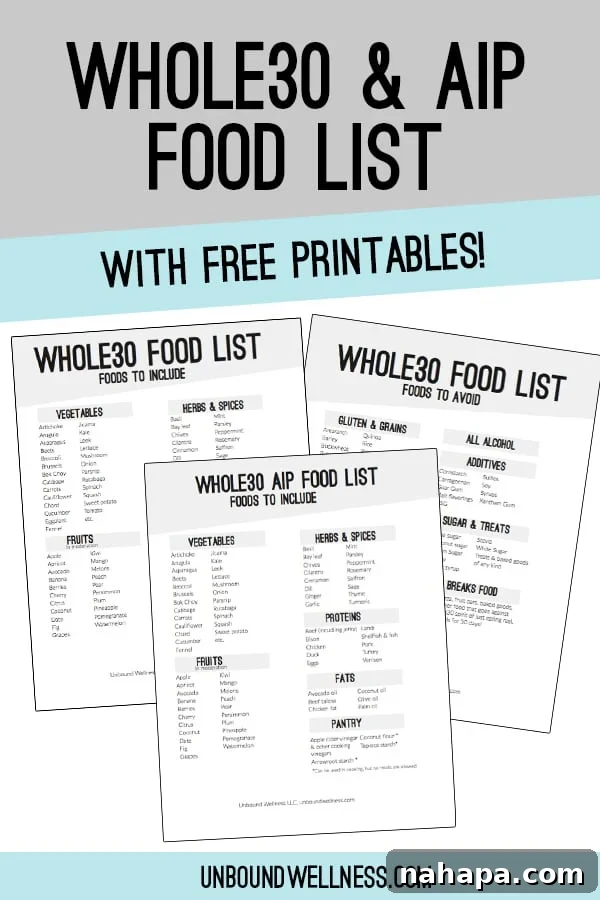
Embarking on a journey towards optimal health often requires a clear roadmap, especially when navigating dietary changes designed to heal and restore. This comprehensive guide serves as your essential Whole30 food list, providing an unequivocal reference of what to embrace and what to set aside during your 30-day reset. We encourage you to print this invaluable resource and keep it readily accessible, ensuring you remain steadfastly on track throughout your Whole30 protocol. Furthermore, for those managing autoimmune conditions, we’ve meticulously curated a specialized Whole30 and Autoimmune Protocol (AIP) crossover food list, offering tailored support for your healing journey.
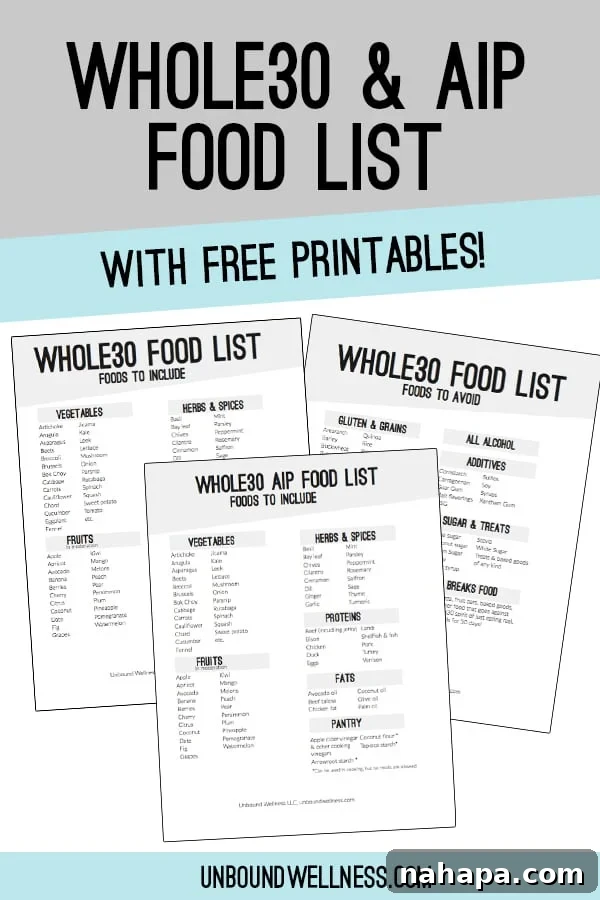
Download Your Essential Whole30 Food List Printable | Download the Comprehensive AIP Whole30 Food List Printable
Initially, the concept of the Whole30 diet might seem daunting, or even unnecessary, especially if you already consider yourself a healthy eater. Many, myself included, have thought, “Why do I need this? I already eat well!” However, the Whole30 is profoundly more than simply abstaining from processed foods or sugary snacks. It’s a transformative nutritional program designed to recalibrate your relationship with food, focusing intensely on embracing whole, nutrient-dense ingredients while systematically eliminating common inflammatory culprits. This includes grains, dairy, legumes, alcohol, and, for many, perhaps the most impactful withdrawal, all forms of added sugars. The beauty of Whole30 lies in its liberation from the typical diet mentality; it’s not about calorie counting, weighing portions, or strict measurements. Instead, it’s a commitment to health, offering 30 days to actively reduce systemic inflammation, dismantle long-standing sugar addictions, and rediscover the profound satisfaction of real, unprocessed foods. This reset is beneficial for anyone seeking improved well-being, but it holds particular significance and healing potential for individuals navigating autoimmune diseases.
You might be contemplating the rationale behind undertaking a Whole30 if you are already diligently following an Autoimmune Protocol (AIP) diet or a paleo lifestyle. Both AIP and paleo are tremendously healing frameworks, yet they often permit certain foods like chips, sweeteners, and “treats” that, while fine in strict moderation and instrumental in making these protocols sustainable long-term, aren’t necessarily the most powerful catalysts for deep healing. These items, even if made with compliant ingredients, can inadvertently stall progress, perpetuate cravings, or maintain a subtle inflammatory load. Taking a deliberate 30-day hiatus from these less-than-optimal foods can profoundly impact your healing trajectory, offering a clearer picture of food sensitivities and fundamentally reshaping your overall relationship with what you eat.
As an active participant in both the autoimmune and Whole30 communities, I frequently encounter questions regarding the synergy and distinctions between these two powerful dietary approaches. Why consider combining them? What are the key differences, and how can merging them amplify your health outcomes?
Why Embark on a Whole30 Journey?
The Whole30 program is meticulously crafted as a 30-day reset, a focused period dedicated to returning to the foundational principles of eating real, unprocessed food. It serves as a powerful catalyst to fundamentally shift your mindset around food, encouraging a complete immersion into nourishing, whole ingredients for a concentrated month. Crucially, the Whole30 is not a diet in the conventional sense; its primary objective is not weight loss, though many experience it as a welcome side effect. Its true purpose is to foster profound internal changes, empowering you to eat holistically and experience a significant improvement in how you feel, both physically and mentally. During these 30 days, participants often report enhanced energy levels, improved sleep quality, clearer skin, and a more stable mood, all stemming from the reduction of inflammatory foods and the stabilization of blood sugar.
A Whole30 might be the perfect catalyst for you if you find yourself somewhat adrift in the vast landscape of real food, needing a decisive reset. It’s an ideal opportunity to step away from the cycle of convenience foods, sugary indulgences, and habitual snacking, bringing you back to the simplicity and efficacy of whole, unadulterated food for a transformative 30-day period. It helps break the psychological and physiological chains of unhealthy eating patterns, allowing your body to heal and your palate to reset.
The Synergistic Power: Combining AIP with Whole30
The Autoimmune Protocol (AIP) is a specialized dietary framework designed explicitly for individuals living with autoimmune diseases. Its core mission is to meticulously identify and eliminate foods known to trigger inflammation, while simultaneously incorporating nutrient-dense, healing foods that support gut integrity and immune regulation. While AIP excels at removing many inflammatory culprits and promoting healing, it can still leave room for certain “treats,” natural sweeteners, or AIP-compliant snacks. These items, although technically compliant, can sometimes be overconsumed or, for some highly sensitive individuals, may still hinder optimal progress by subtly contributing to inflammation or sugar cravings.
This is precisely where the combined power of an AIP Whole30 emerges. If you’re diligently following AIP but sense a plateau in your healing, or if you feel the pull of frequent “treats” and excess sugars, integrating the stricter parameters of Whole30 for 30 days can be a game-changer. This powerful mashup helps to further reduce the inflammatory load by eliminating all forms of sugar and common AIP-compliant but potentially problematic ingredients (like some nuts and seeds, and even coffee for certain individuals). It offers a deeper reset, allowing your body to focus entirely on healing without any potential dietary distractions. This comprehensive approach can accelerate recovery, clarify food sensitivities, and reinforce healthy eating habits, making it an exceptional step forward in your autoimmune healing journey.
Nourishing Your Body: What You Can Eat on a Whole30
The Whole30 protocol champions a return to foundational, unprocessed foods that fuel your body efficiently and promote systemic well-being. Here’s a detailed look at what you can confidently incorporate into your daily meals:
- Vibrant Vegetables: Vegetables should unequivocally form the cornerstone of any healing diet. Revel in an abundance of leafy greens like spinach and kale, cruciferous, sulfur-rich veggies such as broccoli, cauliflower, and Brussels sprouts, and starchy vegetables including sweet potatoes, squash, carrots, and parsnips. These provide essential vitamins, minerals, and fiber critical for gut health and detoxification.
- Nutrient-Rich Fruits: While the primary aim of Whole30 is to break sugar dependency, enjoying fruits in moderation is perfectly acceptable. Opt for whole fruits like apples, berries, bananas, and oranges. They offer natural sweetness along with vital antioxidants and fiber.
- Quality Proteins: Prioritize healthy, high-quality protein sources to support muscle repair, satiety, and overall bodily functions. Excellent choices include humanely raised chicken, wild-caught fish (salmon, cod, mackerel), grass-fed beef, bison, turkey, and pasture-raised pork.
- Wholesome Healthy Fats: Healthy fats are crucial for hormone production, nutrient absorption, and sustained energy. Embrace options like coconut oil, extra virgin olive oil, avocado oil, ghee, and animal fats (such as lard or tallow from pasture-raised animals). Ghee, though dairy-derived, is permitted as it’s clarified butter, containing virtually no lactose or casein, making it generally well-tolerated.
- Beneficial Nuts and Seeds: A variety of nuts and seeds are allowed, offering healthy fats, protein, and fiber. Enjoy almonds, cashews, walnuts, pecans, sunflower seeds, pumpkin seeds, chia seeds, and flax seeds. Always check labels to ensure they are raw or dry-roasted and unsalted, without any added sugars or oils.
- Strategic Pantry Staples: Certain pantry items, including a wide array of spices, vinegars (apple cider, balsamic, red wine), and specific flours, are permitted when used appropriately. For instance, using coconut flour or almond flour as a binder for meatballs or a thickener for sauces is Whole30 compliant. However, using these same flours to recreate non-compliant items like pancakes or waffles defeats the spirit of the program’s “no-treats” rule.
- Plain Coffee: For coffee lovers, black coffee is permitted. You may also enjoy it with compliant non-dairy milk alternatives (like unsweetened almond milk or coconut milk), provided they have no added sugars or non-compliant ingredients.
Foods to Bid Farewell: What You Should Avoid on a Whole30
The cornerstone of the Whole30’s effectiveness lies in the strict elimination of foods known to trigger inflammation, disrupt gut health, or perpetuate unhealthy cravings. Here’s what you must avoid for 30 days:
- All Grains: This category includes common staples such as wheat, rice (white, brown, wild), corn, oats, quinoa, barley, rye, and all pseudo-grains. Grains, particularly those containing gluten, can be significant inflammatory agents and disrupt gut integrity.
- Most Dairy Products: Butter, cheese, milk, yogurt, kefir, sour cream, and ice cream are strictly prohibited. These contain lactose and casein, which are common irritants. The sole exception is ghee, as mentioned, due to the removal of problematic dairy proteins during clarification.
- All Legumes: Legumes are known to contain anti-nutrients like lectins and phytic acid, which can compromise gut health and nutrient absorption. This includes all beans (black beans, pinto beans, kidney beans, green beans), chickpeas, lentils, peanuts (and peanut butter), and all soy products (tofu, tempeh, soy sauce, edamame).
- Any Form of Alcohol: Absolutely no beer, wine, cider, spirits, or any other alcoholic beverages are allowed. Your body will profoundly benefit from this cleanse. This also extends to any products with added alcohols, such such as vanilla extract, unless the alcohol is completely cooked out during preparation.
- All Added Sugars (Natural & Artificial): This is perhaps one of the most challenging but rewarding eliminations. All forms of added sugar, whether natural (honey, maple syrup, agave nectar, date syrup, fruit juice concentrates, coconut sugar) or artificial (stevia, aspartame, sucralose, xylitol), are out. This helps break the cycle of sugar cravings and stabilize blood sugar.
- Treats, Junk Foods, or Imitation Foods: Even if a food is made with otherwise Whole30-compliant ingredients, it is not Whole30 if it resembles a “treat,” junk food, or is designed to replicate a non-compliant food. This includes compliant-ingredient chips, cookies, pancakes, muffins, or pizzas. The goal is to change your psychological relationship with food, not just swap ingredients.
- Most Additives: Avoid carrageenan, sulfites, nitrates, MSG, and gums (like guar gum or xanthan gum). If an ingredient label lists something you can’t pronounce, understand, or justify as a whole food, it’s best to avoid it. Remember, it’s only for 30 days, making clean eating simpler!
Download Your Essential Whole30 Food List Printable
Elevating Your Healing: What to Avoid on an AIP Whole30
An AIP Whole30 represents a profound synergy between the standard Whole30 protocol and the Autoimmune Protocol, offering an even more intensive and deeply healing dietary experience. This combined approach is particularly potent for those with autoimmune conditions, as it further minimizes potential inflammatory triggers and rigorously addresses the impact of excess sugars on chronic inflammation. While I no longer adhere to a full AIP diet, I continue to follow a modified version, having experienced its profound benefits. For a deeper dive into the Autoimmune Protocol, explore our comprehensive guide here.
If you’re embracing this powerful dietary mashup, here’s an extended list of what you should meticulously avoid:
- All of the above Whole30 exclusions, plus:
- All Nightshades: Nightshade vegetables contain compounds like solanine, which can exacerbate inflammation and sensitivity in some individuals with autoimmune conditions. This crucial elimination includes potatoes (white and sweet potatoes are Whole30 compliant but not AIP), tomatoes, eggplants, peppers (bell peppers, chili peppers, paprika, cayenne), and goji berries.
- Eggs: Despite being a great source of protein for many, eggs (particularly egg whites containing albumin) are a common trigger for inflammation and gut irritation in sensitive individuals during the AIP protocol. While challenging, their temporary elimination can offer significant insights into your body’s specific responses.
- All Nuts and Seeds: Though permitted on a standard Whole30, nuts and seeds are excluded from AIP due to compounds like phytic acid, lectins, and saponins, which can potentially irritate the gut lining and contribute to inflammation for those with autoimmune challenges. This includes all tree nuts, peanuts (already out), and seeds like sunflower, pumpkin, chia, and flax.
- Strict Avoidance of Additives and Seed Oils: While Whole30 is designed to guide the general public back to real food and may allow certain minor additives (like citric acid) or trace amounts of industrial seed oils (like canola oil) in extreme moderation when dining out, the AIP protocol demands a much stricter approach. For an AIP Whole30, you must rigorously avoid all food additives, emulsifiers, and industrial seed oils, as these are highly inflammatory and detrimental to gut health.
- Coffee: While standard Whole30 permits black coffee, the AIP Whole30 encourages cutting out coffee entirely. Eliminating caffeine can have remarkable positive effects on blood sugar stability, adrenal health, and overall systemic inflammation, providing a deeper level of healing for the gut and nervous system.
Download the Comprehensive AIP Whole30 Food List Printable
My Favorite Whole30 & AIP Compliant Recipes for Delicious Healing
Adhering to strict protocols doesn’t mean sacrificing flavor or enjoyment. These recipes are not only Whole30 compliant but also fit seamlessly into an AIP framework, proving that healing can be incredibly delicious:
- Sweet Potato Chicken Poppers: A delightful and easy-to-make protein-packed snack or meal component, perfect for meal prep.
- One Pan Chicken Pesto with Veggies: A simple yet incredibly flavorful dish that comes together quickly, minimizing cleanup and maximizing nutrients.
- Bang Bang Shrimp: A vibrant and zesty seafood option that brings restaurant-quality taste right to your home kitchen, completely compliant.
- Homemade Ground Beef Jerky: This ingenious recipe is my ultimate Whole30 and AIP staple! It’s incredibly satisfying, portable, and an absolute lifesaver for curbing cravings and staying compliant on the go.
- Mexican Breakfast Skillet: A hearty and flavorful way to start your day, packed with wholesome ingredients that will keep you full and energized without any inflammatory triggers.
Essential Tips, Tricks, and Reminders for Your Whole30 Journey
Success on Whole30, whether standard or AIP, extends beyond simply following a food list. It encompasses a holistic approach to your health and well-being. Keep these vital tips in mind as you navigate your 30-day reset:
- Cultivate a Positive Mindset: Your mindset is the bedrock of any successful lifestyle transformation. Approaching this protocol with a sense of dread or resentment will inevitably hinder your progress. Instead, view these 30 days as an extraordinary opportunity for profound healing, self-discovery, and physiological recalibration. Embrace the process with curiosity and optimism, focusing on the incredible benefits you’ll gain.
- Remember: This is Not Forever: It’s crucial to understand that strict elimination protocols like Whole30, AIP, or even full-on Paleo are often designed as short-term healing tools, not permanent dietary prisons. Their purpose is to help you reset, heal your gut, reduce inflammation, and crucially, learn about your body’s unique responses to different foods. While you may integrate some principles into your everyday life or choose to repeat the protocol periodically, the long-term goal is sustainable, flexible health, not perpetual restriction. The reintroduction phase after 30 days is just as important as the elimination!
- Strategic Planning is Your Ally: The adage “failing to plan is planning to fail” holds particular truth for Whole30. My initial Whole30 attempt nearly derailed precisely because I underestimated the importance of meticulous planning. Dedicate time each week to meal prepping, batch cooking, and creating a comprehensive grocery list. Having compliant meals and emergency snacks, such as my homemade ground beef jerky, readily available will drastically reduce the temptation to resort to non-compliant options when hunger strikes or time is short.
- Community Support is Indispensable: Navigating significant dietary changes in isolation can be incredibly challenging. Establishing a strong support system is paramount to your success. Consider inviting a friend or family member to embark on a Whole30 journey with you for shared accountability and encouragement. Alternatively, tap into the immense and thriving online Whole30 community. Engage with forums, social media groups, and use relevant hashtags (like #unboundwellnessw30 if you follow my journey!) to connect with others who understand and can offer encouragement. The official Whole30 website and their extensive library of books are also invaluable resources for guidance and inspiration.
Embarking on a Whole30 or AIP Whole30 is a powerful investment in your health, offering a pathway to reduced inflammation, improved gut health, and a revitalized relationship with food. By adhering to these guidelines and embracing a positive, prepared mindset, you are setting yourself up for profound success. Take this opportunity to nourish your body, calm your system, and rediscover the vibrant well-being you deserve. Download your printables today and begin your transformative 30-day journey!