
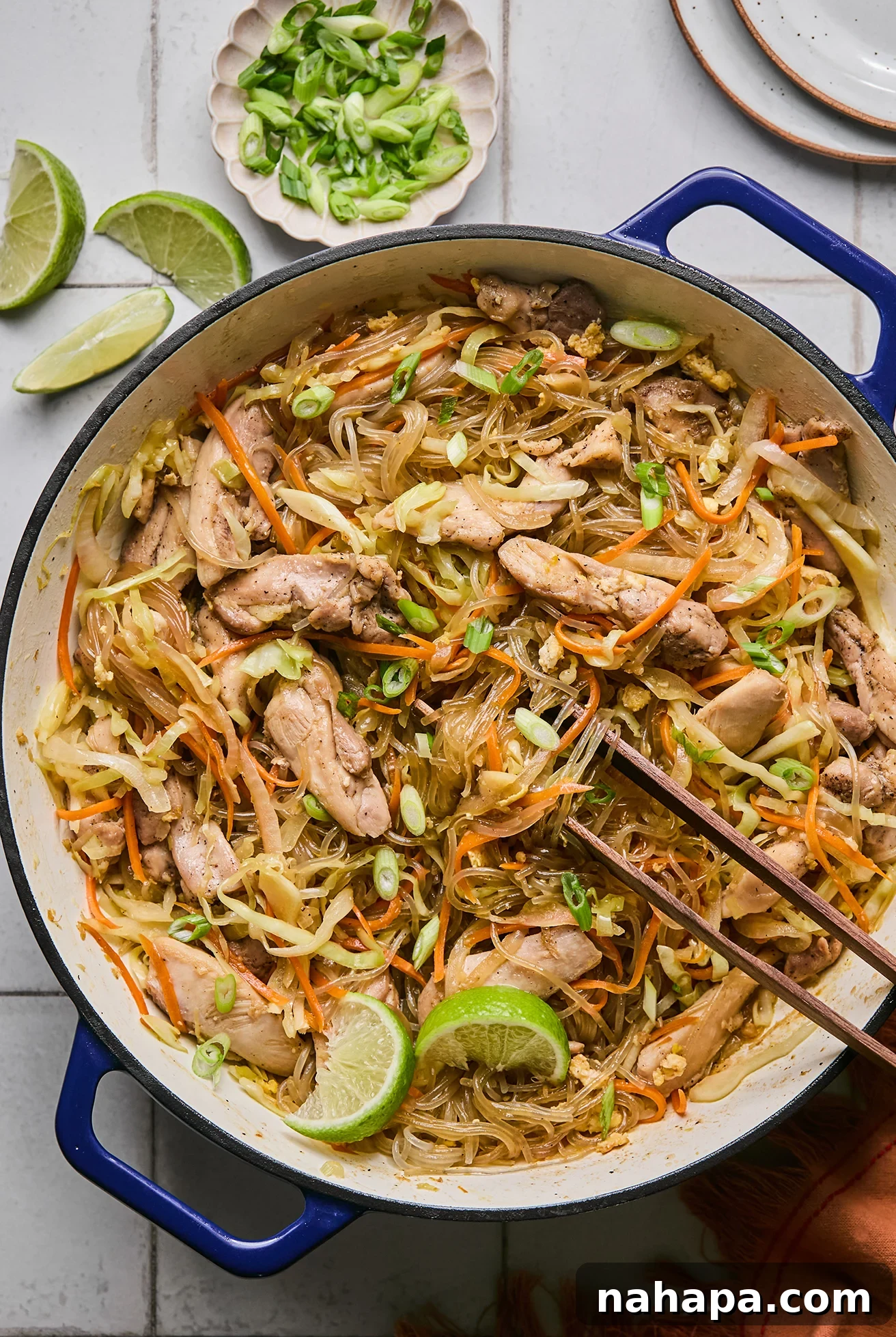
Embark on a culinary journey to Thailand with this delightful and healthy Pad Woon Sen recipe. This exquisite Thai glass noodle stir fry features tender sweet potato glass noodles, an abundance of fresh vegetables, and succulent chicken, all brought together by a vibrant, savory sauce. It’s not just a dish; it’s an experience – remarkably simple to prepare, naturally gluten-free, and bursting with authentic Thai flavors. Whether you’re a seasoned chef or a home cook looking for a quick yet impressive meal, this Pad Woon Sen promises a satisfying and wholesome dining adventure.
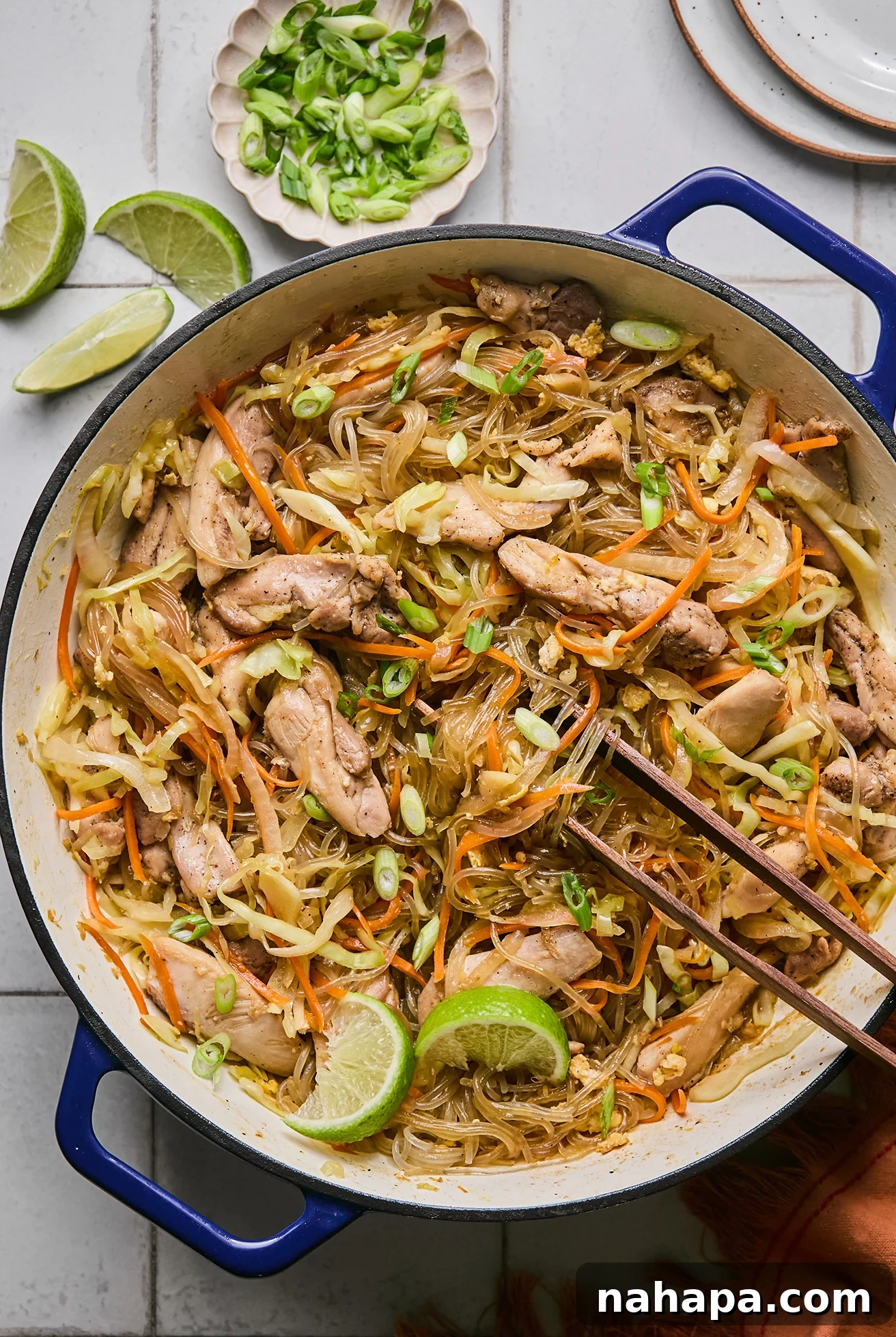
What is Pad Woon Sen? The Essence of Thai Glass Noodle Stir Fry
Pad Woon Sen, often translated as “stir-fried glass noodles,” is a beloved staple in Thai cuisine, cherished for its unique texture and harmonious blend of flavors. Unlike its more famous cousin, Pad Thai, this dish distinguishes itself by utilizing delicate, translucent glass noodles, typically made from mung bean or sweet potato starch. These noodles provide a wonderfully chewy yet tender base that readily absorbs the rich, savory, and subtly sweet sauce. Traditionally, Pad Woon Sen incorporates a protein like chicken, pork, or egg, alongside a colorful medley of vegetables such as crisp cabbage, juicy tomatoes, and aromatic onions. Our special rendition elevates this classic by making it entirely gluten-free and soy-free, ensuring everyone can enjoy its authentic taste without dietary compromises. The beauty of glass noodles lies not only in their unique texture but also in their ability to soak up the aromatic sauce, making every bite an explosion of flavor. This particular recipe focuses on creating an accessible and healthy version of the dish, perfect for a quick weeknight dinner or a special meal.
Pad Woon Sen is more than just a meal; it’s a celebration of fresh ingredients and vibrant flavors, making it the perfect grain-free and veggie-packed stir fry for any occasion!
Table of Contents
- What is Pad Woon Sen? The Essence of Thai Glass Noodle Stir Fry
- Why You’ll Fall in Love with This Gluten-Free Pad Woon Sen
- Key Ingredients for the Perfect Pad Woon Sen
- Customizing Your Pad Woon Sen: Substitutions and Modifications
- Mastering the Art of Pad Woon Sen: Step-by-Step Guide
- Expert Tips & Tricks for a Flawless Stir Fry
- The Taste Profile: What Does Pad Woon Sen Taste Like?
- Pad Woon Sen vs. Pad Thai: Understanding the Differences
- Are Thai Glass Noodles Healthy? A Nutritional Perspective
- Serving Suggestions and Perfect Pairings
- Storing and Reheating Your Pad Woon Sen
- More Gluten-Free Noodle Dishes to Explore
Why You’ll Fall in Love with This Gluten-Free Pad Woon Sen
This Pad Woon Sen recipe isn’t just another dish; it’s a testament to how healthy eating can be incredibly flavorful and convenient. Here’s why it’s destined to become a staple in your kitchen:
- Gluten-Free and Grain-Free Excellence: In a world where gluten-free options often mean compromising on taste or texture, this Pad Woon Sen shines. By utilizing sweet potato glass noodles and coconut aminos instead of traditional soy sauce, we’ve crafted a dish that is naturally gluten-free and grain-free. This makes it an ideal choice for those following specific dietary protocols like the AIP (Autoimmune Protocol) diet or anyone seeking to reduce their grain intake without sacrificing the comforting joy of a noodle stir-fry. The sweet potato starch noodles offer a unique chewiness and transparency that sets them apart from wheat-based pasta, providing a satisfying and wholesome foundation for the dish. They are surprisingly robust, holding up well to stir-frying without becoming soggy.
- A Powerhouse of Veggies: This recipe is a vibrant celebration of fresh produce. Packed with nutrient-rich cabbage, sweet carrots, and aromatic onions, it’s an effortless way to boost your daily vegetable intake. Each bite delivers a delightful crunch and a wealth of vitamins and fiber, contributing to a balanced and nourishing meal. The beauty of this dish also lies in its adaptability; feel free to add your favorite greens or seasonal vegetables to make it truly your own, enhancing both its flavor and nutritional profile. The colorful array of vegetables not only makes the dish visually appealing but also ensures a broad spectrum of health benefits.
- Effortlessly Simple and Delicious: Don’t let the authentic flavors intimidate you; this Pad Woon Sen is incredibly straightforward to prepare. Designed with the busy home cook in mind, it comes together quickly, making it a perfect solution for weeknight dinners or a hassle-free weekend lunch. Despite its simplicity, the depth of flavor is truly remarkable, proving that healthy, delicious meals don’t need to be complicated. You’ll be amazed at how easily you can create a restaurant-quality Thai dish right in your own kitchen, impressing family and friends with minimal effort. The quick cooking time also means less time in the kitchen and more time enjoying your meal.
Key Ingredients for the Perfect Pad Woon Sen
Crafting an exceptional Pad Woon Sen begins with selecting the right ingredients. Each component plays a vital role in building the dish’s signature taste and texture. Our carefully chosen ingredients not only deliver on flavor but also cater to gluten-free and soy-free preferences:
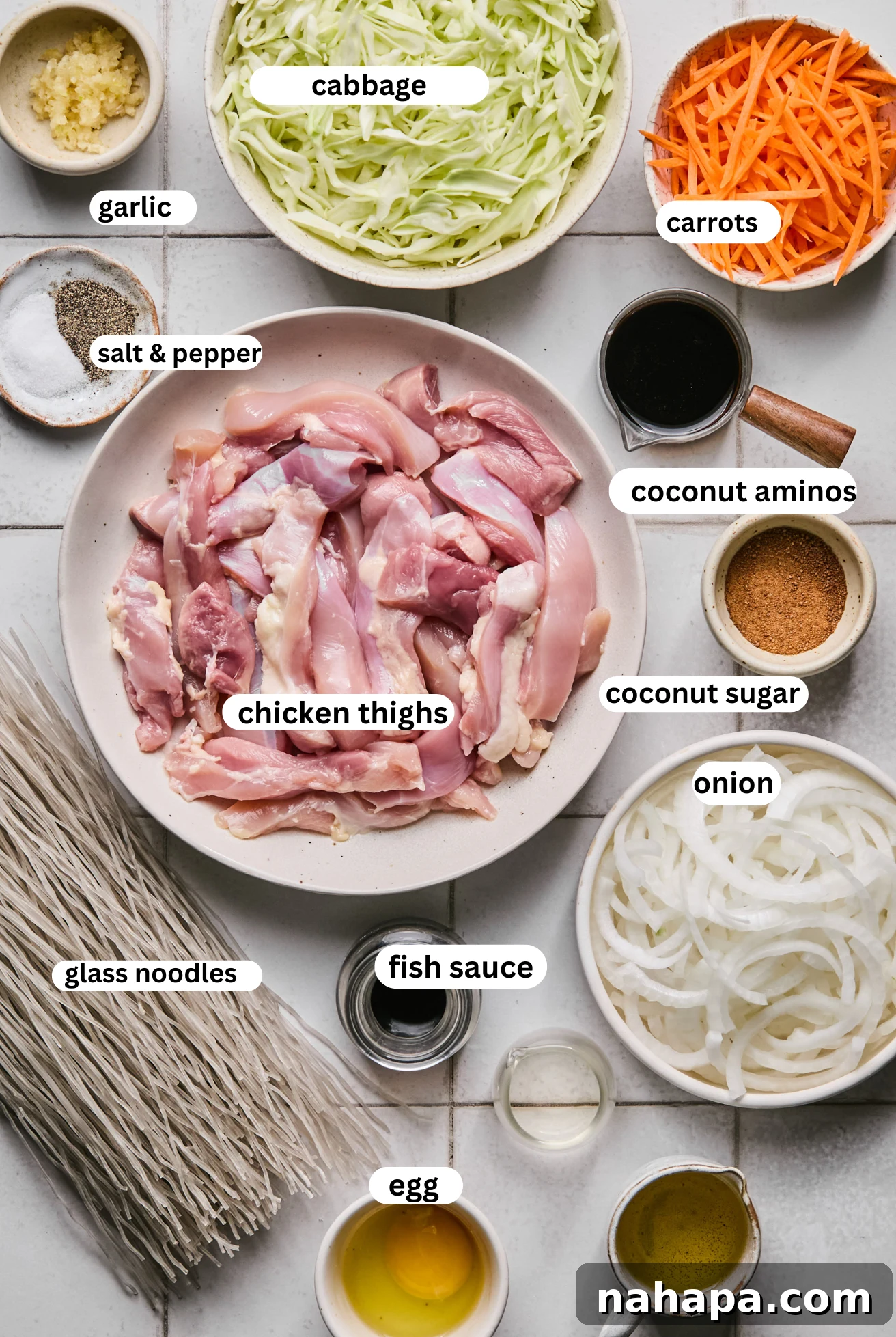
- Thai Glass Noodles (Sweet Potato Starch Noodles): These are the heart of our Pad Woon Sen. Made from sweet potato starch, they are naturally gluten-free, grain-free, and AIP-friendly. When cooked, they become beautifully translucent, soft yet delightfully chewy, providing a unique mouthfeel that distinguishes this dish from other noodle stir-fries. They readily soak up the savory sauce, becoming infused with flavor, offering a satisfying alternative to traditional wheat or rice noodles. Their versatility makes them a fantastic pantry staple for various Asian-inspired dishes.
- Boneless Skinless Chicken Thighs: We opt for chicken thighs because they retain moisture and flavor wonderfully during stir-frying, resulting in tender, juicy pieces. Their slightly higher fat content compared to breast meat also contributes to a richer overall taste and prevents the chicken from drying out. Slicing them into uniform strips ensures even cooking and easy incorporation into the noodles and vegetables, making them perfect for a quick stir-fry.
- White Onion, Minced Garlic, Shredded Cabbage, and Shredded Carrots: This vibrant combination forms the aromatic and textural backbone of the stir-fry. White onions offer a sweet and pungent base, softening and caramelizing slightly to add depth. Fresh garlic infuses every bite with its signature aroma, a quintessential element in Thai cooking. Cabbage provides a satisfying crunch and delicate sweetness, while carrots add a touch of color, natural sweetness, and essential nutrients like Vitamin A. Together, they create a balanced and hearty vegetable blend that is both flavorful and nutritious.
- The Flavorful Sauce: Coconut Aminos, Rice Vinegar, Fish Sauce, Coconut Sugar, Salt, and Pepper: This carefully balanced sauce is what truly brings the Pad Woon Sen to life, creating that quintessential Thai flavor profile.
- Coconut Aminos: A fantastic soy-free and gluten-free alternative to soy sauce, offering a similar umami depth with a slightly sweeter, milder flavor. It’s rich in amino acids and a great choice for those avoiding soy.
- Rice Vinegar: Adds a crucial tanginess and acidity that brightens the entire dish and balances the savory and sweet notes. It’s a staple in Asian cooking for its mild, clean acidity. For AIP, apple cider vinegar can be a suitable substitute, offering a slightly different but still pleasant tang.
- Fish Sauce: An essential ingredient in Thai cuisine, providing a distinct savory, salty, and umami punch that is irreplaceable for authentic flavor. Its depth is key to the dish’s character. Ensure you choose a high-quality brand, as the flavor can vary significantly.
- Coconut Sugar: Contributes a gentle sweetness, mirroring the cane sugar typically found in traditional recipes, but with a slightly more complex, caramel-like note. It’s a natural, unrefined sweetener that complements the other sauce ingredients beautifully.
- Salt and Pepper: Seasoning staples that enhance all the other flavors. Salt brings out the natural tastes, while pepper adds a subtle warmth. For AIP compliance, omit pepper, as it’s a nightshade.
Customizing Your Pad Woon Sen: Substitutions and Modifications
One of the joys of cooking is adapting recipes to fit your taste and dietary needs. This Pad Woon Sen is incredibly versatile, allowing for numerous delicious substitutions and modifications to make it uniquely yours:
- Add a Pop of Tomato: While I personally avoid nightshades, traditionally, Pad Woon Sen often includes tomatoes. If you tolerate nightshades and enjoy their juicy, slightly acidic burst, feel free to add chopped fresh tomatoes during the vegetable sautéing step. They add color and a pleasant tang that complements the savory sauce beautifully. You can find a comprehensive nightshade food list here if you’re exploring dietary restrictions and want to understand which foods to avoid.
- Boost Your Greens with Bok Choy: For an extra dose of healthy greens and a delightful texture, consider adding chopped bok choy. Its mild flavor and crisp stems blend seamlessly with the cabbage and carrots, enhancing the vegetable profile of the dish. Add it towards the end of the sautéing process to retain some of its crispness and vibrant green color. Spinach or kale could also be folded in at the last minute for added nutrition.
- Explore Different Proteins: While chicken thighs offer incredible flavor and moisture, you have plenty of other protein options to customize your stir-fry:
- Chicken Breast: For a leaner option, use boneless, skinless chicken breast cut into strips. Be mindful not to overcook it to keep it tender and juicy.
- Pork: Thinly sliced pork tenderloin or pork shoulder can be a fantastic alternative, offering a rich, savory depth that pairs wonderfully with the sauce.
- Shrimp: Quick-cooking shrimp adds a lovely seafood twist. Add it at the very end of the cooking process, just until it turns pink, to prevent it from becoming rubbery.
- Tofu or Tempeh: For a plant-based version, press extra-firm tofu or use tempeh, cut into cubes or slices. Pan-fry until golden and slightly crispy before adding to the stir-fry to give it a desirable texture.
- Egg-Free Option: If you have an egg intolerance or simply prefer to omit it, this dish is still incredibly flavorful without it. The egg typically adds a subtle richness and texture, but its absence won’t detract from the overall deliciousness of the stir-fry. Simply skip Step 5 in the instructions, and perhaps add a bit more vegetables or protein to fill the void.
- Spice It Up: For those who love a bit of heat, consider adding a pinch of red pepper flakes or thinly sliced fresh chilies (like bird’s eye chilies) to the stir-fry during the vegetable sauté, or as a garnish for individual customization. A dash of sriracha can also be a quick way to add a spicy kick. Adjust the amount to your desired spice level.
- Other Vegetable Ideas: Don’t limit yourself to just cabbage and carrots! Bell peppers (if you tolerate nightshades), sliced mushrooms, green beans, snow peas, or even broccoli florets can also make wonderful additions. Add them according to their cooking time – harder vegetables earlier, softer ones later – to ensure they are perfectly cooked without being mushy.
Mastering the Art of Pad Woon Sen: Step-by-Step Guide
Creating this delicious Pad Woon Sen is an enjoyable process, and with these detailed steps and accompanying photos, you’ll achieve perfect results every time. Remember to have all your ingredients chopped, measured, and ready to go before you even turn on the heat – this “mise en place” is key to a successful and stress-free stir-fry experience. Full instructions are also available in the recipe card below.
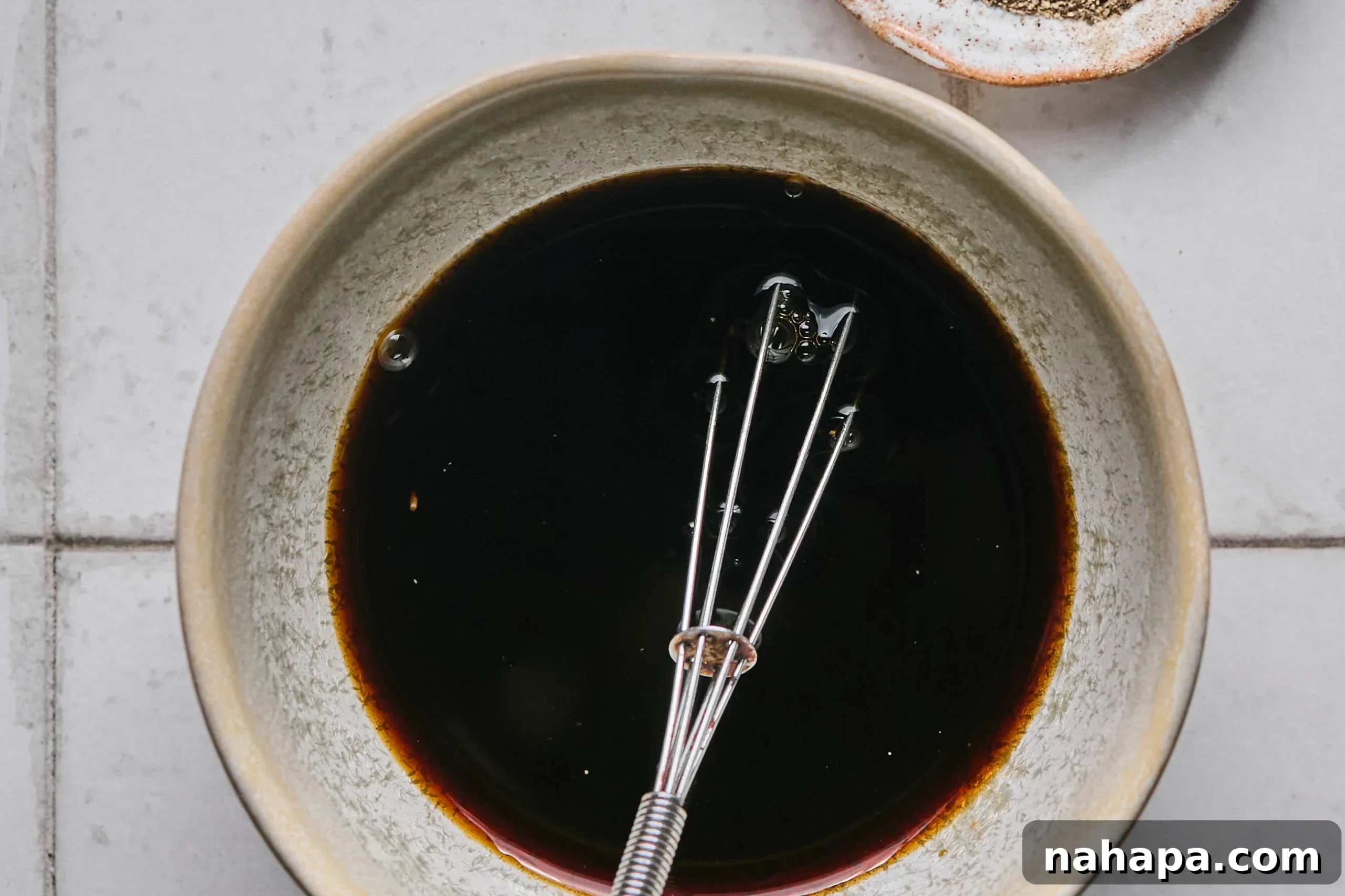
Step One: Prepare the Signature Sauce. In a small bowl, combine the coconut aminos, rice vinegar, fish sauce, coconut sugar, and a pinch of salt and pepper (remember to omit pepper for AIP). Whisk all the ingredients together thoroughly until the coconut sugar is completely dissolved and the sauce is well-combined. This ensures a consistent flavor profile throughout the dish. Taste the sauce and adjust seasoning if necessary, aiming for a perfect balance of sweet, savory, and tangy notes. Set this flavorful mixture aside; it will be the soul of your stir-fry.
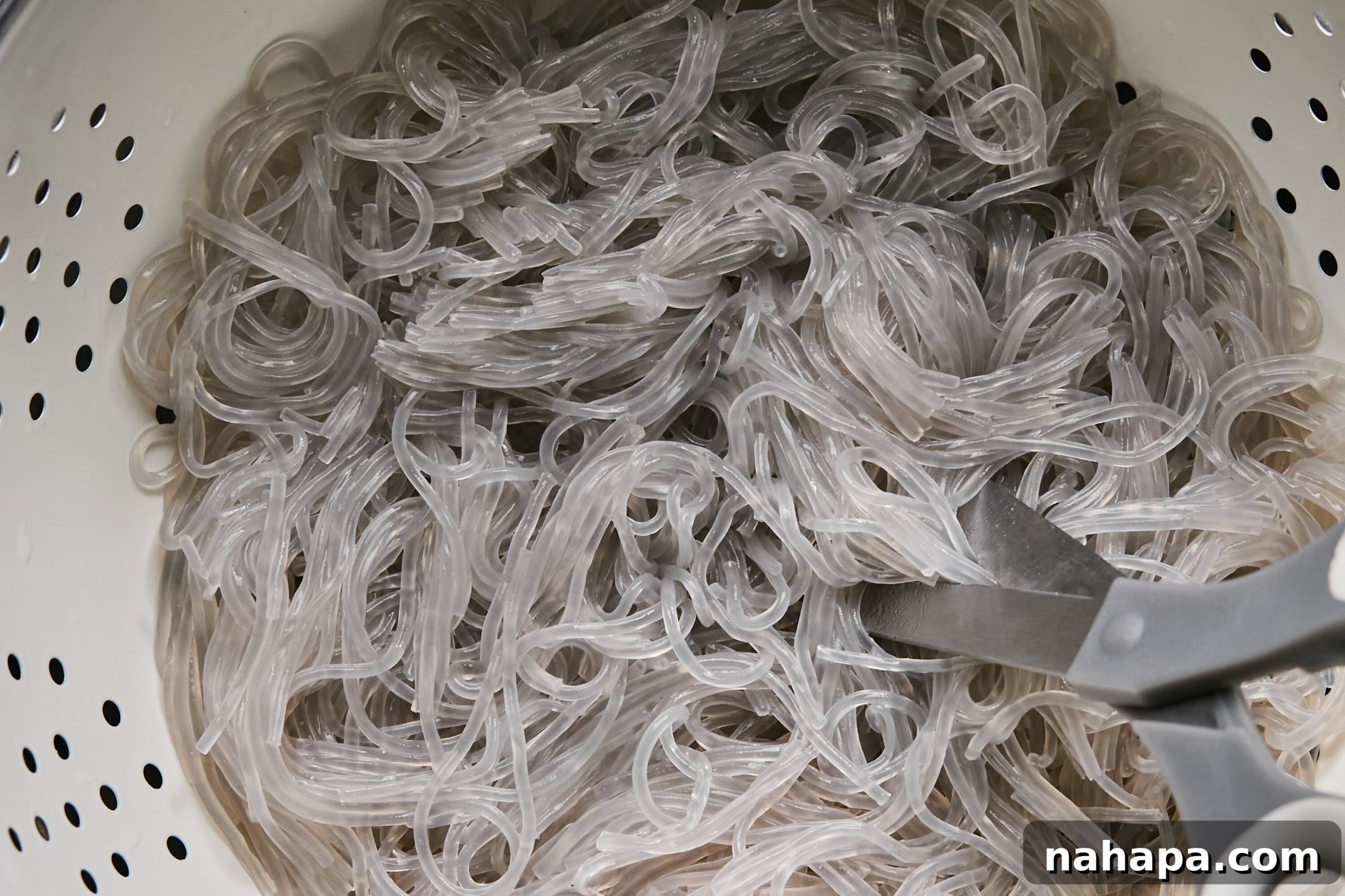
Step Two: Hydrate the Glass Noodles. Place the entire package of dry glass noodles in a large heatproof bowl. Pour hot (but not boiling) water over the noodles, ensuring they are fully submerged. Allow them to soak for approximately 10 minutes, or until they become soft, pliable, and beautifully translucent. It’s crucial not to over-soak them, as they can become mushy. Once softened to your desired al dente texture, use kitchen scissors to cut the long strands in half or into more manageable lengths for easier eating. Drain the noodles thoroughly in a colander and, to prevent them from sticking together, lightly toss them with a small amount of avocado oil. Set them aside.
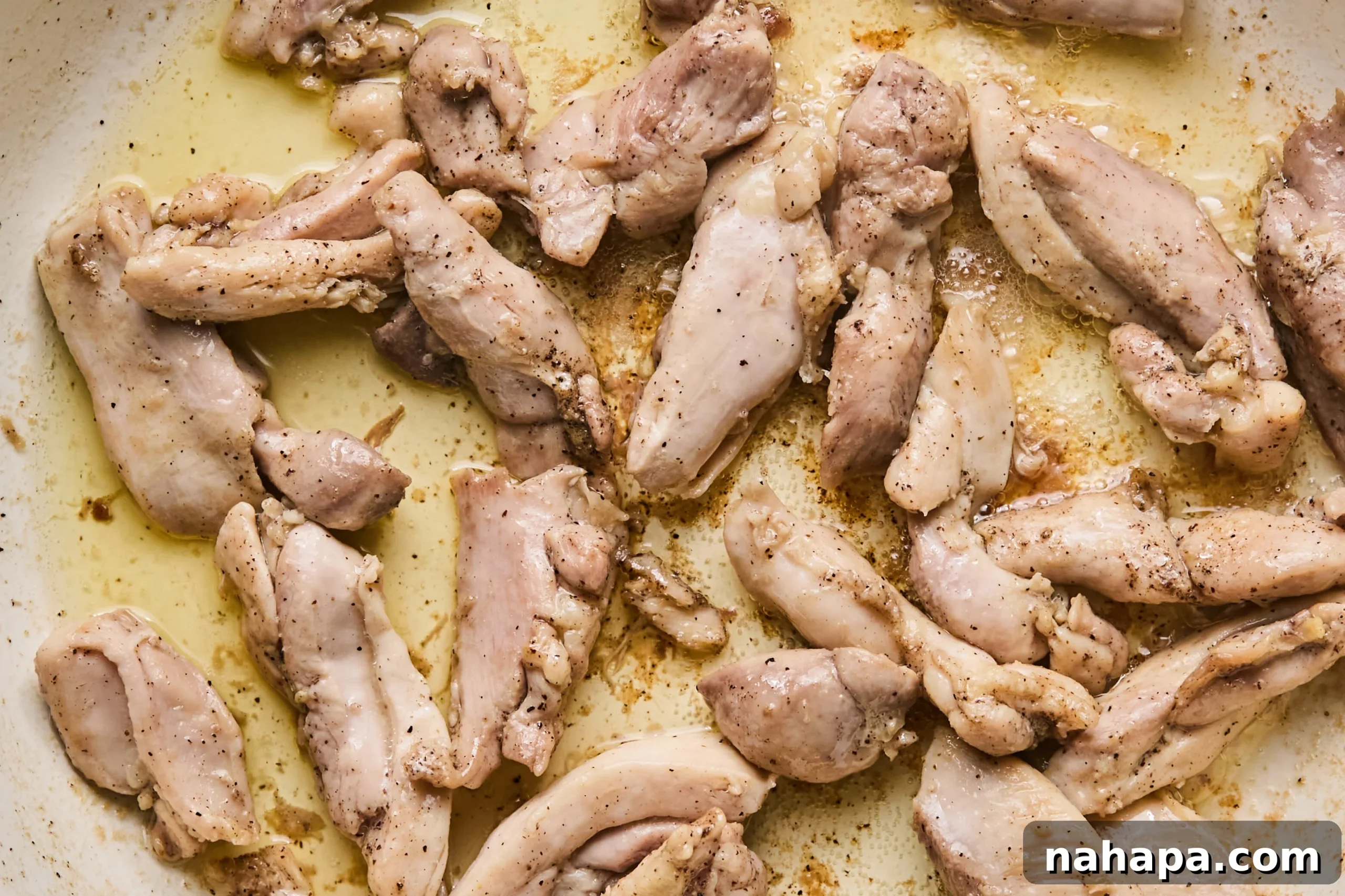
Step Three: Cook the Chicken. Heat 1 tablespoon of avocado oil in a large wok or a heavy-bottomed pan over medium-high heat. Once the oil is shimmering and hot, add the sliced chicken thighs in a single layer. Lightly season the chicken with salt and pepper (if using). Stir-fry for 3-4 minutes on each side, or until the chicken is golden brown, cooked through, and develops a slight char. Ensure the chicken is fully cooked before removing it from the pan. Transfer the cooked chicken to a clean plate and set it aside. This step helps to create a delicious fond (flavorful browned bits) in the pan, which will add depth to your vegetables.
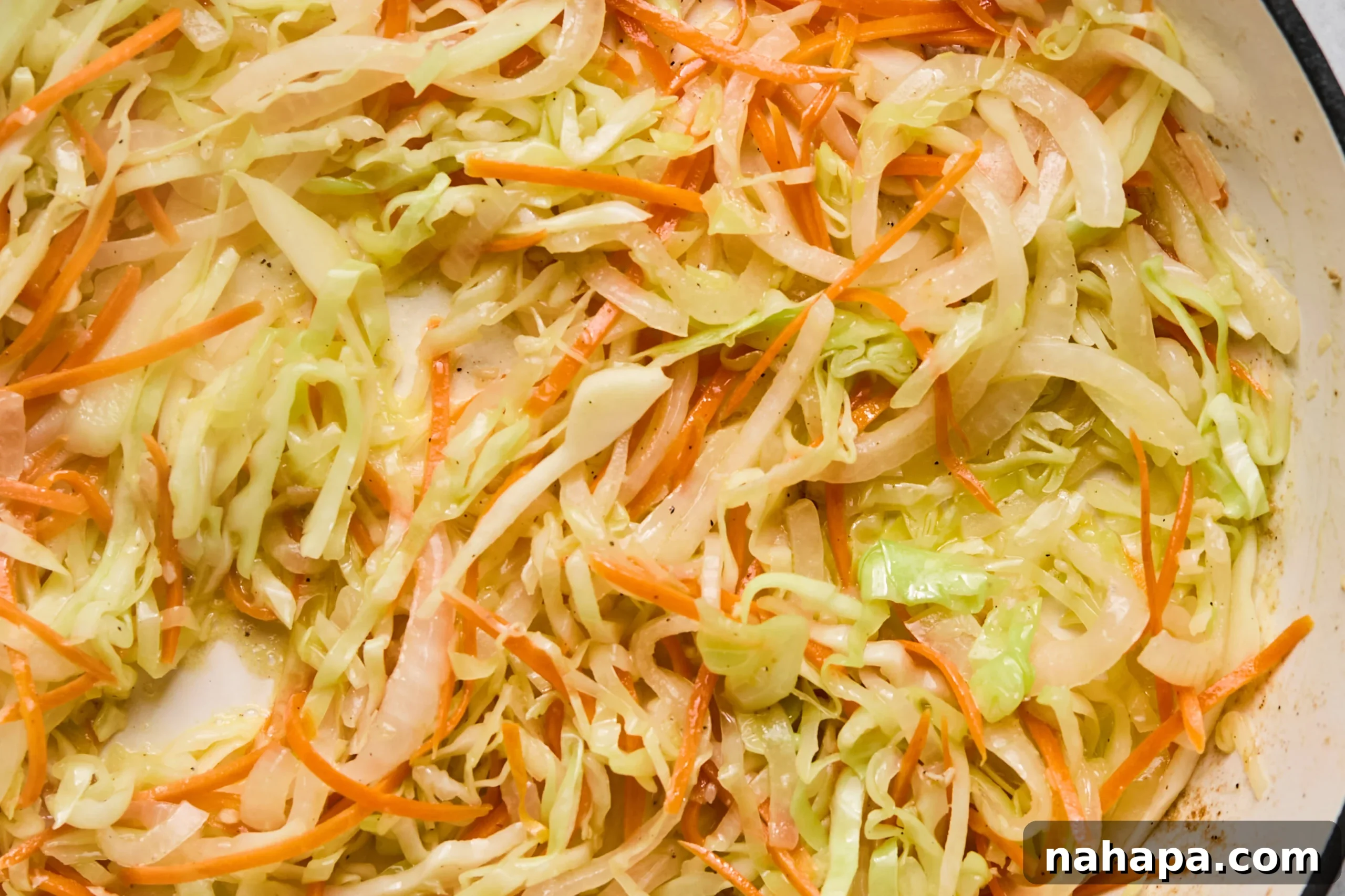
Step Four: Sauté the Aromatics and Vegetables. Reduce the heat to medium. Add another 1 tablespoon of avocado oil to the same pan (if needed) to prevent sticking. Add the thinly sliced white onion and minced garlic. Sauté for 3-4 minutes, stirring frequently, until the onion becomes soft and translucent, and the garlic is wonderfully fragrant. Be diligent not to burn the garlic, as it can turn bitter. Next, add the shredded cabbage and shredded carrots to the pan. Continue to sauté for another 5 minutes, allowing the vegetables to soften slightly while still retaining a pleasant crisp-tender texture. This ensures maximum flavor development and a varied texture in the final dish.
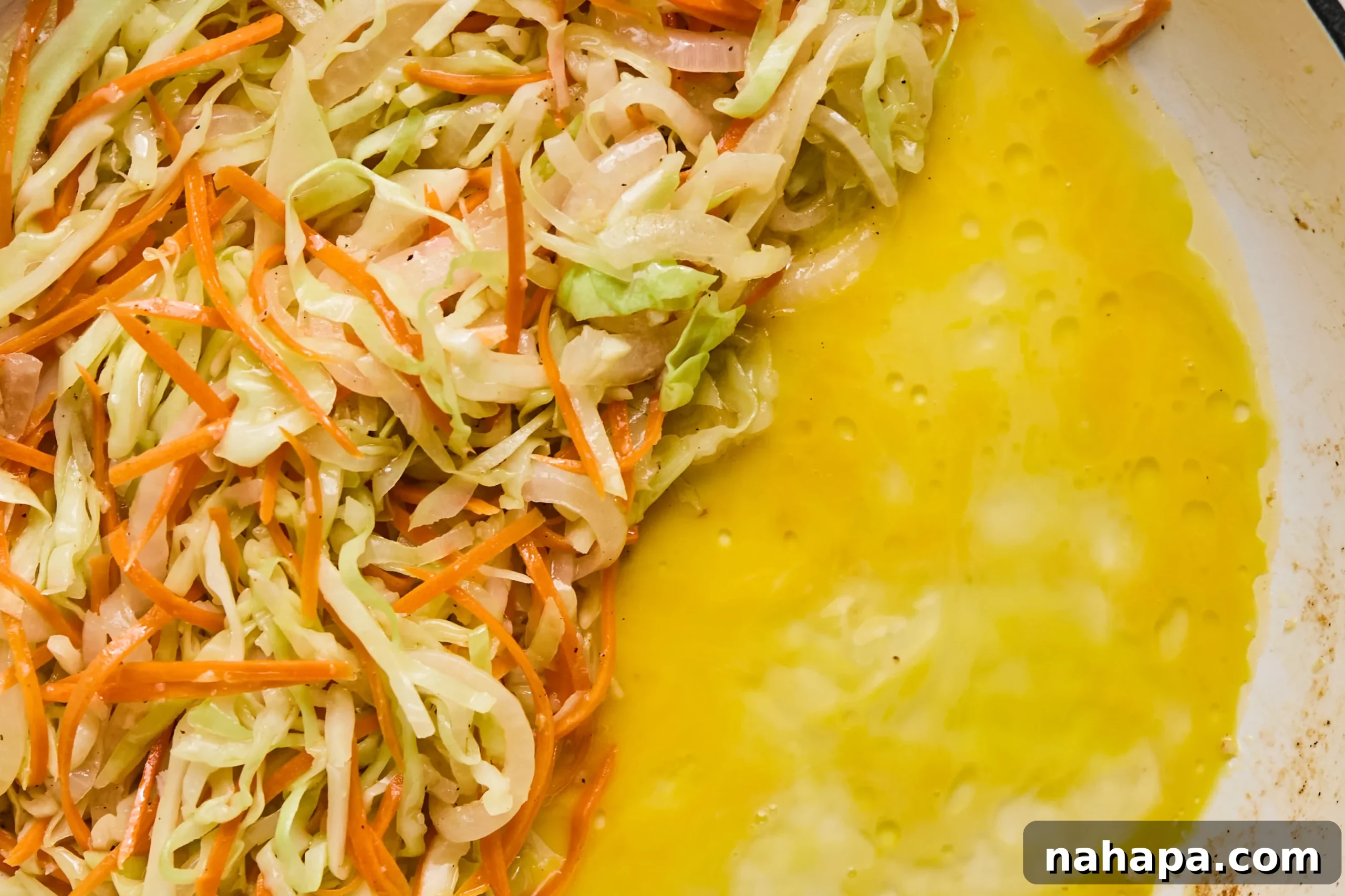
Step Five: Incorporate the Scrambled Egg. Push the cooked vegetables to one side of the pan, creating an empty space. Add a small amount of the remaining avocado oil (approximately ½ tablespoon) to the cleared side of the pan. Crack the egg into a small bowl and lightly whisk it until the yolk and white are just combined. Pour the whisked egg into the empty space in the pan. Allow it to set for a moment, then scramble it gently with your spatula until it is fully cooked and broken into small, fluffy pieces. Once cooked, you can gently mix the scrambled egg with the vegetables, or keep it largely separate until the final mix. If omitting egg, simply proceed to the next step.
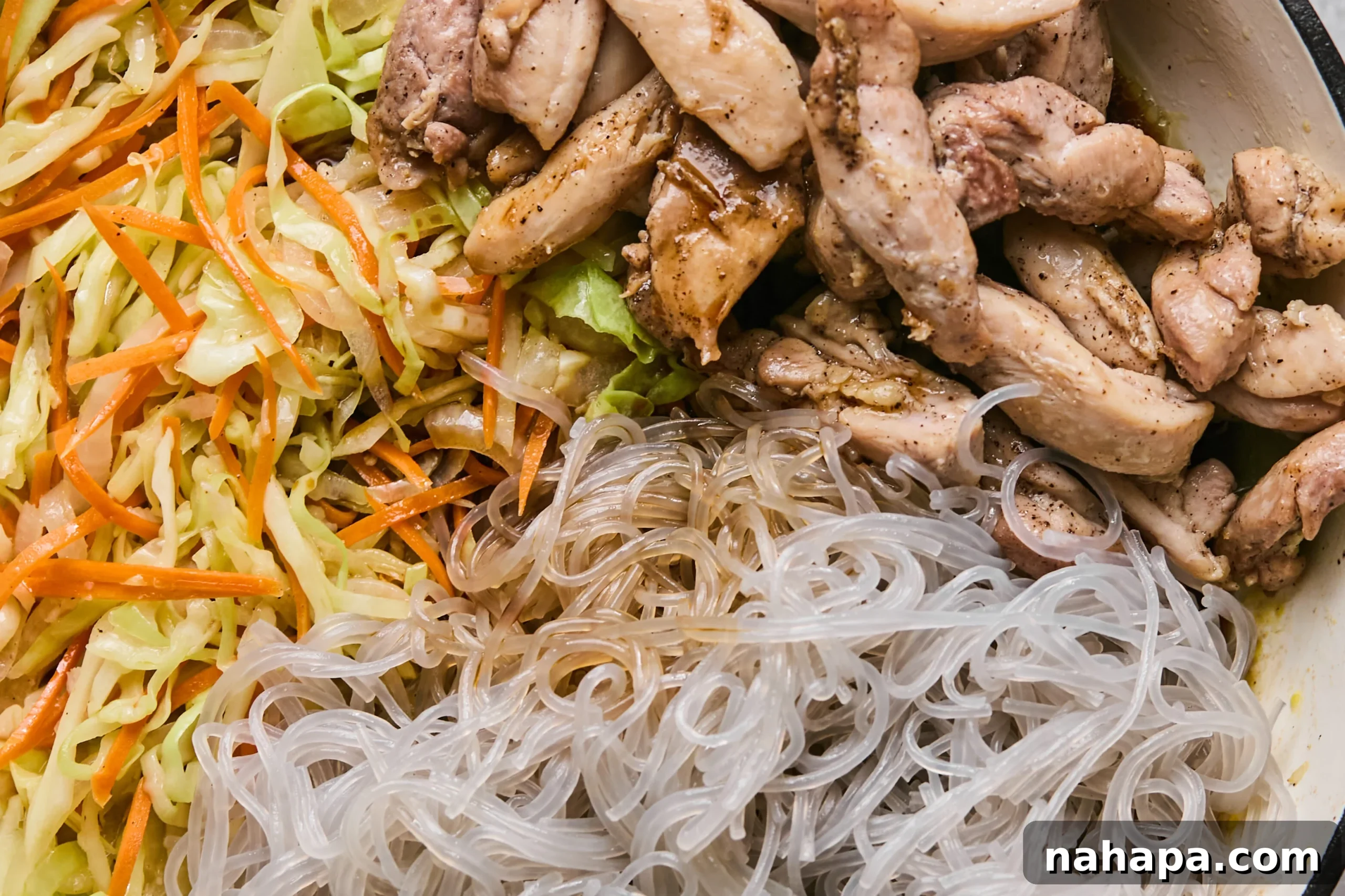
Step Six: Combine and Coat. Reduce the heat to low. Add the previously cooked chicken, the softened and cut glass noodles, and the entire prepared sauce to the pan with the vegetables and egg. Using tongs or a large spatula, toss and stir all the ingredients together thoroughly. Ensure every single strand of noodle and every piece of chicken and vegetable is evenly coated with the delicious sauce. Continue stirring gently for 1-2 minutes until the sauce is fully integrated, the noodles are glistening, and the entire stir-fry is heated through. This final step allows all the flavors to meld beautifully, creating a cohesive and mouthwatering dish.
Expert Tips & Tricks for a Flawless Stir Fry
Achieving a perfect Pad Woon Sen, or any stir fry, requires a few key techniques and considerations. Follow these expert tips to elevate your dish from good to extraordinary, ensuring a restaurant-quality meal every time:
- Prep Everything Ahead (Mise en Place): Stir-frying is a fast-paced cooking method, so having all your ingredients chopped, measured, and ready to go before you even turn on the heat is absolutely crucial. This is known as “mise en place” and prevents burning ingredients or frantic scrambling during the cooking process. Once you start cooking, things move quickly, so having everything within reach ensures a smooth and successful execution.
- Ensure Your Pan is Hot and Don’t Overcrowd: A screaming hot wok or large, heavy-bottomed skillet is essential for a proper stir-fry. High heat creates that desirable slightly charred flavor (often referred to as “wok hei”) and cooks ingredients quickly without steaming them, preserving their texture. Avoid overcrowding the pan; cook the chicken and larger quantities of vegetables in batches if necessary. Overcrowding lowers the pan’s temperature, leading to steamed, rather than stir-fried, ingredients.
- Don’t Overcook the Noodles: Glass noodles are delicate. Over-soaking them in hot water or overcooking them in the stir-fry can cause them to become mushy and lose their signature chewy texture. Keep a close eye on them during the soaking process (they should be al dente) and integrate them last, just long enough to warm through and absorb the sauce.
- Season in Layers: To build complex flavor, season the chicken and vegetables lightly as you cook them, and then adjust the final seasoning once the sauce is added and thoroughly mixed. Remember that fish sauce and coconut aminos already contribute significant salinity and umami, so taste as you go to avoid over-salting.
- Master Your Protein Choice: While chicken thighs are recommended for their tenderness and flavor, feel free to use other proteins like shrimp, pork, or tofu. Adjust cooking times accordingly; shrimp cooks very quickly (only a minute or two per side), for example. For tofu, press it thoroughly to remove excess water before frying for the best crispy texture.
- Embrace Vegetable Versatility: Don’t hesitate to experiment with other vegetables based on what’s in season or what you have on hand. Bok choy, snap peas, bell peppers, sliced mushrooms, or even thin broccoli florets can be wonderful additions. Consider adding harder vegetables (like carrots) earlier in the sautéing process and softer ones (like spinach or snap peas) later to ensure they are perfectly cooked without being mushy.
- Serving Suggestions: While delicious on its own, a squeeze of fresh lime juice just before serving brightens the flavors immensely, adding a crucial acidic counterpoint. Freshly chopped green onions (scallions) or cilantro also add a vibrant, aromatic garnish. For an extra layer of texture and visual appeal, a sprinkle of toasted sesame seeds can be delightful.
- Adjust Sweetness and Spice: Taste the sauce before adding it to the stir-fry. If you prefer it sweeter, add a touch more coconut sugar. For a spicier kick, a dash of sriracha or a few slices of fresh red chili can be stirred in at the end or served on the side, allowing each diner to customize their heat level.
The Taste Profile: What Does Pad Woon Sen Taste Like?
Pad Woon Sen offers a beautifully balanced symphony of tastes and textures that is both comforting and exhilarating. Imagine a delightful interplay of flavors: it’s primarily savory, with deep umami notes from the fish sauce and coconut aminos, harmoniously balanced by a light sweetness from the coconut sugar. There’s a subtle tang and brightness from the rice vinegar, which cuts through the richness and keeps the dish from being heavy or one-dimensional. Aromatic garlic and onion provide a fragrant foundation, creating an inviting smell that fills your kitchen. Texturally, it’s a captivating medley of chewy, slippery glass noodles that absorb the sauce like sponges, crisp-tender vegetables like cabbage and carrots that retain a satisfying bite, and succulent pieces of chicken. Each forkful delivers a satisfying blend of softness and crunch, infused with all these wonderful flavors. It’s a remarkably well-rounded flavor profile that is addictive and deeply satisfying, making it a favorite among those who appreciate nuanced Asian stir-fries with a lighter feel than some heavier noodle dishes.
Pad Woon Sen vs. Pad Thai: Understanding the Differences
While both are iconic Thai noodle dishes, Pad Woon Sen and Pad Thai have distinct characteristics that set them apart. Think of them as culinary cousins, sharing some family resemblances but with unique personalities and flavor profiles:
- Noodles: The most significant difference lies in the noodles themselves. Pad Woon Sen exclusively uses transparent glass noodles, typically made from mung bean or sweet potato starch, which are thin, delicate, and famously chewy/slippery. These noodles become translucent when cooked. Pad Thai, on the other hand, is made with flat, wider rice noodles, often called “sen lek,” which have a softer, chewier texture and remain opaque.
- Sauce Base: Their sauces are also quite different, contributing to distinct flavor experiences. Pad Woon Sen’s sauce is generally lighter in color and flavor, relying on soy sauce (or coconut aminos in our GF version) and fish sauce for its primary umami and savory notes, often with a touch of sweetness and acidity from coconut sugar and rice vinegar. Pad Thai sauce is distinctively richer and more complex, traditionally featuring tamarind paste (for a unique sweet-sour tang), fish sauce, palm sugar, and sometimes a hint of chili, creating a more intensely sweet-sour-savory balance.
- Key Ingredients & Garnishes: While both feature protein and vegetables, Pad Thai is famously garnished with crushed peanuts for a characteristic nutty crunch, fresh bean sprouts, and often a wedge of lime, giving it a characteristic nutty crunch and freshness. Other common additions to Pad Thai include dried shrimp and preserved radishes. Pad Woon Sen typically has fewer garnishes, often just fresh green onions and a squeeze of lime, focusing more on the inherent flavors and textures of the glass noodles and the stir-fried components within the dish itself.
- Flavor Profile: Pad Thai is often described as having a more pronounced sweet, sour, and savory profile with a distinct nutty undertone. Pad Woon Sen leans more towards a savory, slightly sweet, and aromatic flavor, highlighting the unique texture of the glass noodles and the crisp freshness of the vegetables, often feeling a bit “lighter” overall.
If you appreciate the complex, multi-layered flavors of Thai cuisine, you’ll likely enjoy both dishes, each offering its own unique charm and deliciousness depending on your craving for specific textures and flavor intensities.
Are Thai Glass Noodles Healthy? A Nutritional Perspective
The concept of “healthy” can be subjective and depends on individual dietary needs, but when it comes to Thai glass noodles, particularly those made from sweet potato starch, there are several nutritional benefits that make them a commendable choice, especially when incorporated into a well-balanced stir-fry like our Pad Woon Sen:
- Naturally Gluten-Free: For individuals with celiac disease, gluten sensitivity, or those simply choosing to avoid gluten, sweet potato glass noodles are an excellent, safe, and delicious alternative to wheat-based noodles. This removes potential digestive discomfort and broadens dietary options for many.
- Grain-Free Option: Beyond gluten, these noodles are also free from grains, making them suitable for grain-free diets, including the Autoimmune Protocol (AIP), which focuses on reducing inflammation by eliminating grains and other potential irritants.
- Source of Complex Carbohydrates: As a starch-based noodle, they provide energy-giving carbohydrates essential for bodily functions. Sweet potato starch, in particular, can offer a more sustained energy release compared to highly refined grains, thanks to its complex carbohydrate structure, which helps avoid blood sugar spikes.
- Potential Lower Glycemic Index: While varying by specific processing, sweet potato starch often has a relatively lower glycemic index compared to starches like corn or white potato, potentially contributing to more stable blood sugar levels.
- Aids Nutrient Absorption and Fiber Content: When paired with a generous amount of fresh, nutrient-dense vegetables, as in Pad Woon Sen, the overall meal becomes a powerhouse of vitamins, minerals, and dietary fiber. While the noodles themselves don’t provide a huge amount of fiber, they serve as a neutral, healthy base, allowing the nutrient density of the added vegetables and lean protein to truly shine.
- Allergen-Friendly: Being naturally free from common allergens like gluten, soy (when using coconut aminos as in this recipe), and dairy, these noodles are a fantastic option for those navigating various food sensitivities and allergies, making Thai cuisine accessible to more people.
Ultimately, the healthfulness of a dish like Pad Woon Sen comes from its holistic composition – lean protein, abundant colorful vegetables, and a flavorful yet mindful sauce, all centered around these naturally wholesome and versatile glass noodles. It’s a truly nourishing, satisfying, and conscience-friendly meal that doesn’t compromise on taste.
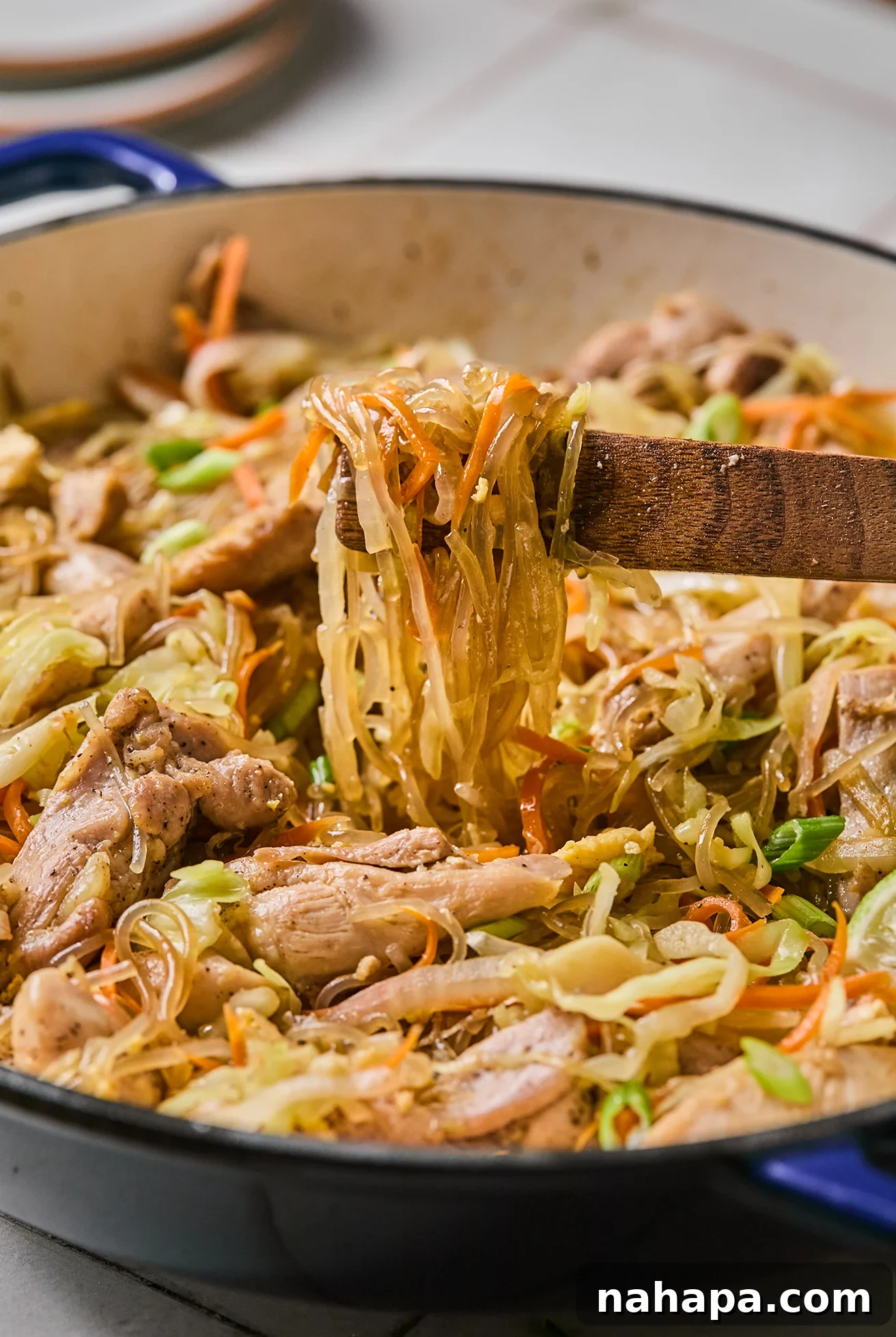
Serving Suggestions and Perfect Pairings
This Pad Woon Sen is a complete meal on its own, offering a perfect balance of protein, carbohydrates, and vegetables. However, you can enhance the dining experience with a few thoughtful additions and pairings:
- Fresh Lime Wedges: Always serve Pad Woon Sen with fresh lime wedges on the side. A generous squeeze of fresh lime juice just before eating adds a bright, zesty finish that truly elevates all the savory and sweet flavors, cutting through the richness beautifully. It’s a non-negotiable for an authentic Thai experience.
- Fresh Herbs: A sprinkle of freshly chopped green onions (scallions) or vibrant cilantro adds a burst of freshness and a pleasant aromatic touch, enhancing the visual appeal and adding another layer of flavor. These herbs provide a contrasting freshness that complements the stir-fried elements.
- Toasted Sesame Seeds: For an extra layer of delightful texture and a subtle nutty aroma, a light sprinkle of toasted white or black sesame seeds can be a wonderful garnish. They add a delicate crunch and a warm, earthy flavor that pairs well with the overall profile.
- Spicy Kick: If you love heat and want to customize your spice level, offer a small bowl of sriracha, a sprinkle of red pepper flakes, or even finely sliced bird’s eye chilies on the side. This allows each diner to add as much or as little spice as they desire, making the dish adaptable to various palates.
- Light Soup or Salad: For a larger, more elaborate meal, consider serving Pad Woon Sen alongside a light clear soup (like a simple chicken broth with bok choy or clear tom yum) or a refreshing, crisp cucumber salad. These lighter accompaniments complement the stir-fry without overwhelming the palate.
Storing and Reheating Your Pad Woon Sen
Pad Woon Sen makes for excellent leftovers, though it’s worth noting that the glass noodles will absorb more of the sauce over time, potentially becoming softer. Proper storage and reheating will ensure you enjoy its deliciousness for days:
- Storage: Allow the stir-fry to cool completely to room temperature before transferring it to an airtight container. This prevents condensation and keeps the food fresh. Store it in the refrigerator for up to 3-4 days. For best quality, consume within 2-3 days.
- Freezing: While possible, glass noodles can become a bit softer or break down more after freezing and thawing, slightly altering their texture. If you choose to freeze, ensure it’s in a freezer-safe, airtight container for up to 2-3 months. Thaw overnight in the refrigerator before reheating for the best results.
- Reheating:
- Stovetop (Recommended): The best method for reheating Pad Woon Sen to revive its texture and flavor. Place the stir-fry in a pan or wok over medium heat. Add a tablespoon or two of water or broth to help rehydrate the noodles and sauce. Cover and heat gently, stirring occasionally, until warmed through. This steam helps to prevent the noodles from drying out.
- Microwave: For a quick reheat, place a single portion in a microwave-safe dish. Add a splash of water or broth, cover loosely (to create steam), and microwave in 1-minute intervals, stirring in between, until hot. Be careful not to overheat, as this can make the noodles too soft.
- Revive the Flavor: When reheating, you might find the noodles have absorbed a lot of the sauce, and the flavors might be a bit muted. Feel free to add another splash of coconut aminos or fish sauce, and a fresh squeeze of lime juice to brighten the flavors before serving. A sprinkle of fresh green onions or cilantro also helps to bring it back to life.
More Gluten-Free Noodle Dishes to Explore
If you’ve fallen in love with the flavors and textures of this Pad Woon Sen, you’ll be thrilled to discover other gluten-free noodle creations that are just as satisfying and delicious, expanding your repertoire of healthy and flavorful meals:
- Gluten-Free Pad Thai: Experience the iconic sweet, sour, and savory flavors of Thailand’s most famous noodle dish, made completely gluten-free with careful ingredient selection. It’s a classic for a reason!
- Beef and Broccoli Lo Mein: A healthier, gluten-free take on a beloved Chinese takeout classic. This recipe is packed with tender beef, crisp broccoli, and perfectly seasoned gluten-free noodles, offering all the comfort without the compromise.
- Chicken and Ramen Stir Fry: A quick and easy stir-fry that transforms humble gluten-free ramen into a vibrant, veggie-packed meal with savory chicken. It’s an ideal recipe for those busy weeknights when you need something delicious on the table fast.
If you’ve had the pleasure of trying this authentic Pad Woon Sen recipe or any other delightful creation from my blog, please take a moment to leave a 🌟 star rating and share your thoughts in the 📝 comments section below. Your feedback means the world and helps others discover these wonderful recipes. Thank you for visiting and happy cooking!
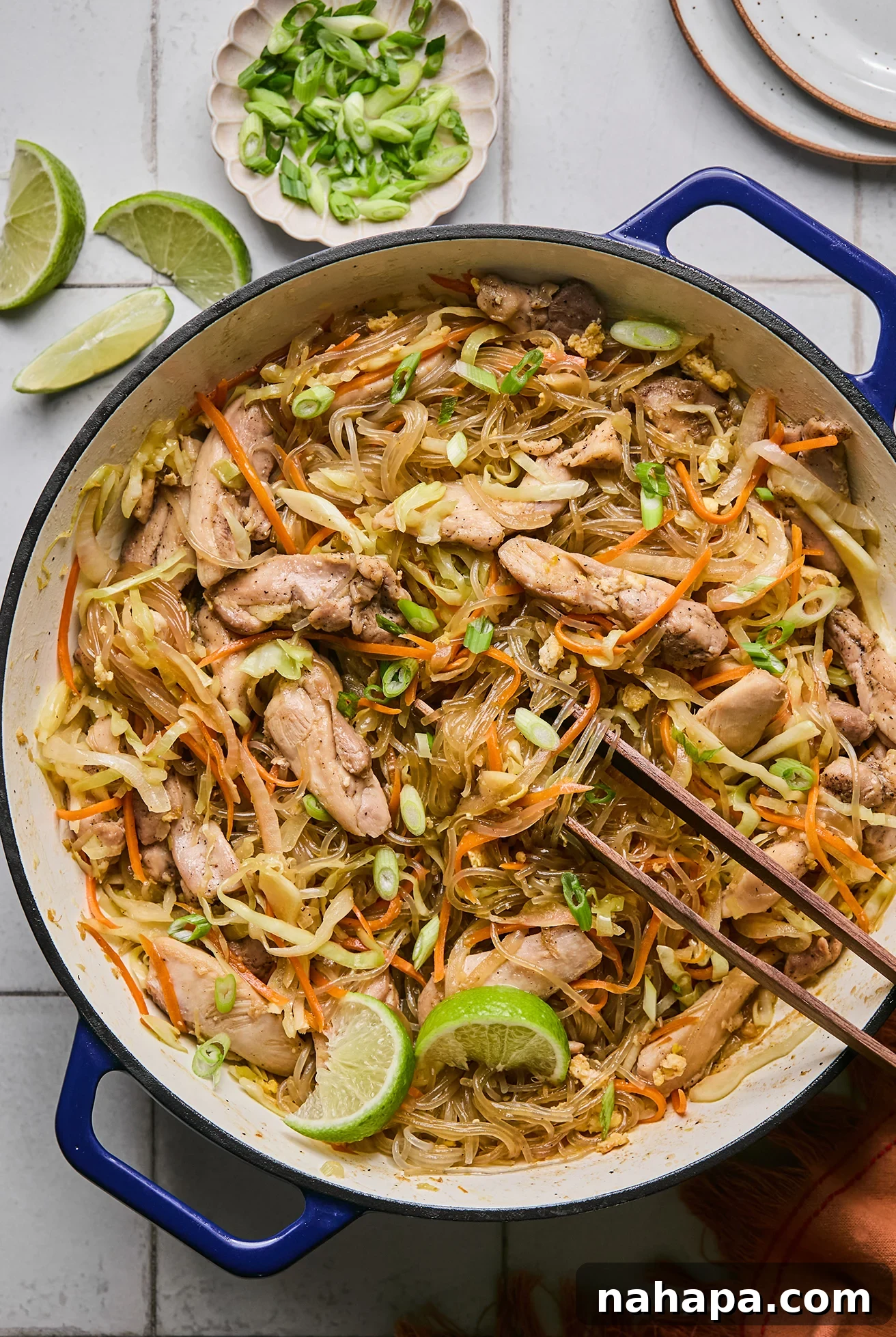
Pad Woon Sen {Thai Glass Noodle Stir Fry}
Leave a Review
Pin Recipe
Ingredients
- 3 tbsp coconut aminos
- 2 tsp rice vinegar, sub apple cider vinegar for AIP
- 2 tbsp fish sauce
- 2 tsp coconut sugar
- Salt and pepper, omit pepper for AIP
- 1 (7 oz) package glass noodles
- 2 ½ tbsp avocado oil, divided
- 1 lb boneless skinless chicken thighs, sliced into strips
- 1 white onion, sliced thin
- 2 cloves garlic, minced
- 1 ½ cups shredded green cabbage
- ½ cup shredded carrot
- 1 egg, omit for AIP
To serve
- 2 tbsp green onion, chopped
- Lime wedges
Instructions
- Combine the rice vinegar, coconut aminos, fish sauce, coconut sugar, and salt and pepper to taste in a small bowl. Whisk well and set aside.
- In a large bowl, soak the glass noodles in hot water for 10 minutes or until soft. Use kitchen scissors to cut the glass noodles in half. Strain and set aside. Lightly coat in avocado oil to prevent sticking.
- Using a large pan, heat 1 tbsp of avocado oil over medium-high heat. Add the chicken and lightly season with salt and pepper. Cook for 3-4 minutes on each side or until cooked through. Set aside.
- Reduce the heat to medium and add 1 tbsp of avocado oil (if needed). Add the onion and garlic. Sauté for 3-4 minutes or until soft and fragrant. Add the cabbage and carrots to the pan and sauté for another 5 minutes.
- Push the vegetables to one side and add a bit more oil (½ tbsp) to the cleared side of the pan. Pour one whisked egg into the pan and scramble until cooked.
- Reduce the heat to low. Add the cooked chicken, softened noodles, and the prepared sauce to the pan. Stir to coat until the sauce is fully coating the stir-fry and all ingredients are well combined and heated through.
- Serve immediately, topped with chopped green onion and fresh lime wedges.
Notes
If you don’t tolerate eggs, simply omit them from the recipe – the dish will still be delicious.
Feel free to add more vegetables to the dish, such as chopped tomato (if nightshade-tolerant), bok choy, mushrooms, or snap peas, according to your preference.
Calories: 304kcal,
Carbohydrates: 39.1g,
Protein: 10.7g,
Fat: 12.1g,
Fiber: 2.7g
Did you Make this Recipe?
Tag @unboundwellness on Instagram and hashtag #unboundwellness!