
When embarking on a journey towards better health, especially with an autoimmune condition, the prospect of dietary changes can feel incredibly daunting. Many, myself included, experience a wave of overwhelm when first introduced to the Autoimmune Protocol (AIP) diet. Questions flood the mind: “What can I actually eat?” “What’s completely off-limits?” This comprehensive guide aims to alleviate that confusion. Drawing from a wealth of AIP recipes and extensive experience, I’m thrilled to present a complete AIP diet food list, accompanied by detailed explanations for why certain foods are compliant – or not – and handy printable PDF guides to keep you on track.
Understanding the Autoimmune Protocol (AIP) Diet
At its core, the Autoimmune Protocol (AIP) diet is a therapeutic elimination and reintroduction diet meticulously designed to support the body’s natural healing processes by significantly reducing inflammation. It acts as a powerful tool to calm an overactive immune system, allowing the gut lining to repair, nutrient absorption to improve, and overall systemic inflammation to subside. It’s crucial to understand that AIP is typically a short-term protocol, a foundational phase intended to identify individual food sensitivities and establish a baseline of reduced symptoms, paving the way for gradual reintroduction and a more sustainable long-term diet.
While the AIP diet has shown remarkable potential for many, it’s important to acknowledge that it’s not a universal panacea for every individual with an autoimmune disease. Its efficacy varies, and while it proves profoundly helpful for a significant number, it’s one piece of a larger wellness puzzle. Autoimmune healing is a multi-faceted journey that extends far beyond dietary interventions alone. Other critical factors include addressing underlying infections and imbalances, prioritizing restorative sleep, implementing effective stress reduction techniques, engaging in appropriate movement, and making holistic lifestyle adjustments. Expecting diet alone to resolve all aspects of autoimmune disease can lead to frustration and overlooks the interconnectedness of our body systems.
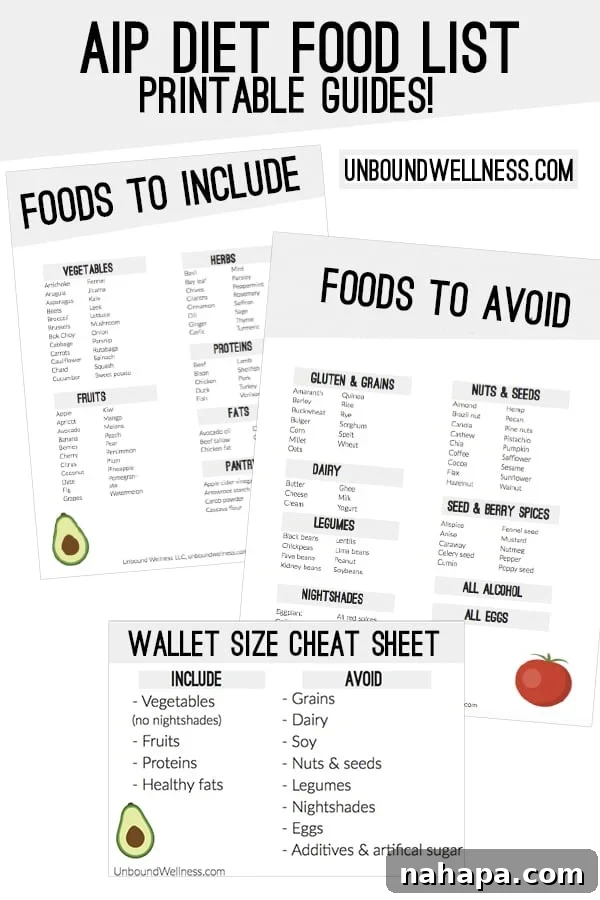
However, the profound impact of food on our health, particularly in managing autoimmune conditions, cannot be overstated. The foods we consume directly influence our gut microbiome, inflammatory pathways, and immune response. This article will focus specifically on empowering you with a clear understanding of the foods that are permitted and those that are excluded on the Autoimmune Protocol, alongside concise explanations detailing the rationale behind each category. To ensure you have these vital guidelines readily accessible, I’ve also prepared convenient PDF printable guides, perfect for taking to the grocery store or even fitting in your wallet!
Click to Download Your Printable AIP Food List Guide
Foods Allowed on the AIP Diet: Nourishing Your Body Back to Balance
The AIP diet focuses on nutrient-dense, anti-inflammatory foods that support gut health and calm immune reactions. Embracing these foods means providing your body with the building blocks it needs for repair and recovery.
Vegetables
Why they’re important for AIP: Vegetables are powerhouses of nutrition, absolutely foundational to the AIP diet. They are brimming with essential vitamins, minerals, antioxidants, and dietary fiber, all of which are critical for detoxifying the body, supporting a healthy gut microbiome, and fueling cellular repair. Phytonutrients, the natural compounds found in plants, offer robust anti-inflammatory protection, while fiber helps regulate digestion, supports healthy bowel movements, and feeds beneficial gut bacteria. Despite the inclusion of high-quality animal protein, the AIP diet is largely plant-centric, recommending a generous intake of up to nine servings of vegetables daily to maximize nutrient density and healing potential.
Here are the vibrant, healing vegetables that are allowed:
- Artichoke
- Arugula
- Asparagus
- Avocado
- Beets
- Broccoli
- Brussels Sprouts
- Bok Choy
- Cabbage
- Carrots
- Cauliflower
- Chard
- Cucumber
- Fennel
- Jicama
- Kale
- Leek
- Lettuce
- Mushroom (excluding most edible fungi, only specific types like shiitake are often discussed in advanced stages)
- Onion
- Parsnip
- Rutabaga
- Spinach
- Squash (all varieties, e.g., butternut, spaghetti, zucchini)
- Sweet Potato & Yams
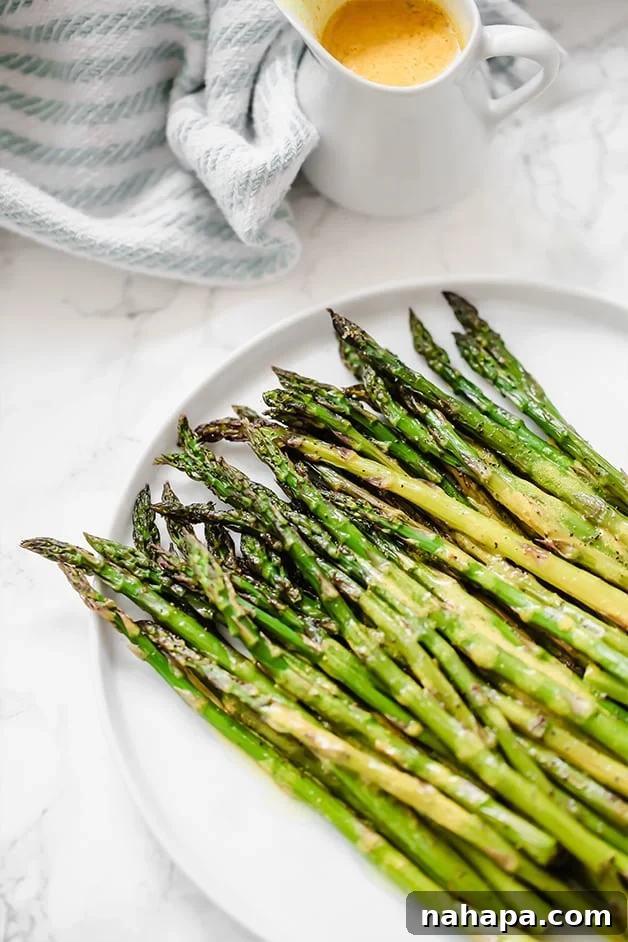
Get the delicious roasted asparagus recipe pictured below.
Herbs & Spices
Why they’re important for AIP: Beyond adding flavor, herbs and spices are medicinal powerhouses, packed with potent anti-inflammatory and antioxidant compounds. They can significantly enhance the healing properties of your meals, aiding in digestion and reducing oxidative stress throughout the body. Incorporating a wide variety of herbs and spices is an excellent way to boost nutrient intake and make your AIP meals exciting and flavorful without relying on irritating ingredients.
- Basil
- Bay Leaf
- Chives
- Cilantro
- Cinnamon
- Dill
- Ginger
- Garlic
- Mint
- Oregano
- Parsley
- Peppermint
- Rosemary
- Saffron
- Sage
- Thyme
- Turmeric
Fruits
Why they’re important for AIP: Fruits offer a bounty of fiber, vitamins, and antioxidants that actively protect cells from damage and support overall vitality. Their natural sweetness can also satisfy cravings, making the transition to AIP more enjoyable. However, due to their natural sugar content (fructose), moderation is key on AIP. The general recommendation is to limit fruit intake to approximately two servings per day to avoid potential blood sugar spikes and to ensure vegetables remain the primary source of plant-based nutrients.
- Apple
- Apricot
- Avocado
- Banana
- Berries (e.g., blueberries, raspberries, strawberries)
- Cherry
- Citrus (e.g., lemons, limes, oranges)
- Coconut (fresh, flakes, milk, cream – unsweetened)
- Date
- Fig
- Grape
- Kiwi
- Mango
- Melons (e.g., cantaloupe, honeydew)
- Peach
- Pear
- Persimmon
- Plum
- Pineapple
- Pomegranate
- Watermelon
Proteins
Why they’re important for AIP: High-quality animal protein is a cornerstone of the AIP diet, providing essential amino acids for tissue repair, crucial minerals like iron and zinc, and healthy fats that are vital for hormone production and energy. While animal protein often sparks debate in dietary circles, the AIP protocol advocates for its inclusion as a healing food, emphasizing the importance of ethical and sustainable sourcing. Whenever possible, prioritize grass-fed beef and bison, pasture-raised poultry and pork, and wild-caught fish and shellfish. These choices offer a superior nutrient profile and are less likely to contain inflammatory compounds compared to conventionally raised options. However, the guiding principle is to “do the best you can” with what is accessible and affordable to you.
- Beef (grass-fed, organic preferred)
- Bison (grass-fed, organic preferred)
- Bone broth & organ meats (e.g., liver, heart – highly nutrient-dense)
- Chicken (pasture-raised, organic preferred)
- Duck (pasture-raised, organic preferred)
- Fish (wild-caught, low mercury, e.g., salmon, cod, mackerel)
- Lamb (grass-fed, organic preferred)
- Pork (pasture-raised, organic preferred)
- Shellfish (wild-caught, e.g., shrimp, scallops, clams)
- Turkey (pasture-raised, organic preferred)
- Venison & other wild game
Healthy Fats
Why they’re important for AIP: Healthy fats are absolutely critical for regulating inflammation, supporting cellular function, and acting as carriers for fat-soluble vitamins (A, D, E, K). Far from being detrimental, the right kinds of fats are essential for satiety, hormone balance, and sustaining energy levels, especially when carbohydrate intake might be adjusted. Incorporating healthy fats into every meal is a simple yet powerful strategy to stay full, support brain health, and keep your body on a consistent healing trajectory.
- Avocado Oil
- Beef Tallow
- Chicken Fat (schmaltz)
- Coconut Oil
- Olive Oil (extra virgin, use cold or low heat)
- Palm Oil (sustainable sourcing is important)
- Lard (pasture-raised pork)
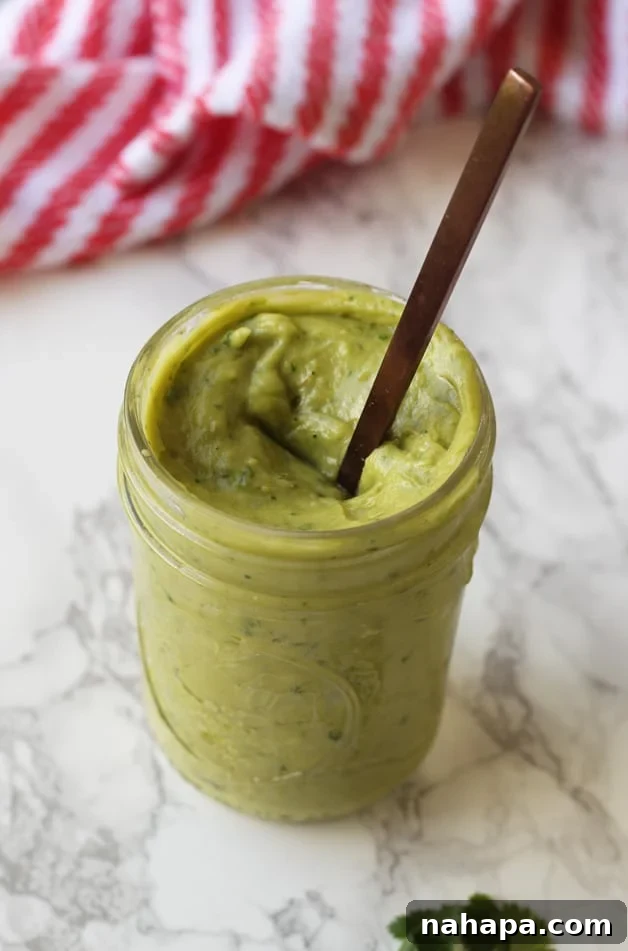
Click to get the vibrant cilantro avocado lime sauce recipe pictured below.
Pantry Staples & Sweeteners
Why they’re important for AIP: These items provide versatility in AIP cooking, allowing for creative meal preparation and the creation of comforting, compliant versions of favorite dishes. They act as essential binders, thickeners, and natural sweeteners, making the diet more sustainable and enjoyable. Remember to use natural sweeteners in moderation, as even compliant sugars can impact blood sugar balance if consumed excessively.
- Apple Cider Vinegar (raw, unfiltered)
- Arrowroot Starch
- Carob Powder
- Cassava Flour
- Coconut Flour
- Coconut Sugar (use sparingly)
- Dried Fruit (unsweetened, in moderation)
- Honey (raw, local preferred, use sparingly)
- Maple Syrup (pure, use sparingly)
- Tapioca Starch/Flour
- Tigernut Flour
Foods Not Allowed on the AIP Diet: Understanding the Exclusions
The elimination phase of the AIP diet strictly removes foods that are common allergens, inflammatory triggers, or gut irritants for individuals with autoimmune conditions. This temporary removal allows the body to rest and heal.
Gluten & Grains
Why they’re not compliant: For individuals battling autoimmunity, some degree of intestinal permeability, often referred to as “leaky gut,” is almost always present. Gluten, a protein found in wheat, barley, and rye, is particularly problematic as it can trigger the release of zonulin, a protein that signals the tight junctions in the gut lining to open up, exacerbating intestinal permeability. This allows undigested food particles, toxins, and microbes to leak into the bloodstream, triggering an immune response. Grains, even gluten-free ones, contain other compounds like lectins and phytates that can also irritate the gut lining, impair nutrient absorption, and contribute to inflammation. Avoiding all grains during the initial healing phase gives the gut the best chance to repair and seal.
- Amaranth
- Barley
- Buckwheat
- Bulgur
- Corn
- Millet
- Oats
- Quinoa
- Rice
- Rye
- Sorghum
- Spelt
- Wheat (and all wheat-containing products)
Dairy
Why it’s not compliant: Dairy products are frequently identified as triggers for inflammation and immune reactions, particularly in those with autoimmune conditions. Proteins like casein and whey, and sugars like lactose, can contribute to gut permeability, stimulate allergic responses, and fuel systemic inflammation. Many individuals also struggle with lactose intolerance or have sensitivities to dairy proteins, which can manifest as digestive issues, skin problems, or increased autoimmune symptoms. While high-quality, grass-fed dairy might be tolerable for some individuals in moderation after a significant healing period and successful reintroduction, it is strictly avoided during the initial AIP elimination phase to minimize potential irritants and allow for comprehensive gut healing.
- Butter
- Cheese (all types)
- Cream
- Ghee (contains dairy solids)
- Milk (cow’s, goat’s, sheep’s, etc.)
- Yogurt
Legumes
Why it’s not compliant: Legumes, which include beans, lentils, and peanuts, contain compounds known as antinutrients, such as lectins and saponins. These substances can be highly irritating to the gut lining, potentially increasing intestinal permeability and contributing to digestive distress and inflammation. Even with proper soaking and cooking, some individuals with autoimmune conditions find legumes problematic. Therefore, they are excluded during the AIP healing phase to give the gut optimal conditions for repair.
- Black Beans
- Chickpeas (garbanzo beans)
- Fava Beans
- Kidney Beans
- Lentils
- Lima Beans
- Peanuts (botanically a legume)
- Soybeans (and all soy products like tofu, tempeh, soy milk)
Nightshades
Why it’s not allowed: Nightshade vegetables contain compounds called glycoalkaloids (e.g., solanine in potatoes, tomatine in tomatoes) which can sometimes exacerbate inflammation, especially in individuals prone to joint pain, gut issues, or neurological sensitivities. While not everyone reacts to nightshades, they are common inflammatory triggers for those with autoimmune conditions, particularly inflammatory arthritis. Their removal provides an opportunity to see if these foods are contributing to symptoms.
- Eggplant
- Goji Berries
- Ground Cherries (note: regular cherries are allowed)
- All Peppers (bell peppers, chili peppers, cayenne, paprika, etc.)
- All Red Spices derived from peppers (e.g., paprika, chili powder)
- Potato (white and red potatoes, sweet potatoes are allowed)
- Tomato
- Tomatillo
Nuts & Seeds
Why it’s not compliant: Nuts and seeds, along with their derived products (like seed oils and some spices), contain compounds such as phytic acid, saponins, and enzyme inhibitors. These can be inflammatory to the gut lining, potentially contributing to gut permeability and hindering nutrient absorption. They are often common allergens as well. While many individuals can successfully reintroduce nuts and seeds after the elimination phase, especially when properly prepared through soaking, sprouting, or fermenting, they are initially removed to allow the gut a complete break from potential irritants. This also includes coffee and cocoa, which are derived from seeds and can act as stimulants and gut irritants for some.
- Almond
- Brazil Nut
- Canola (oil)
- Cashew
- Chia Seed
- Coffee
- Cocoa & Chocolate
- Flax Seed
- Hazelnut
- Hemp Seed
- Macadamia Nut
- Pecan
- Pine Nut
- Pistachio
- Pumpkin Seed
- Safflower (oil)
- Sesame Seed (including tahini)
- Sunflower Seed
- Walnut
Seed & Berry Spices
Why they’re not compliant: These spices are derived from seeds or berries that often contain similar problematic compounds (lectins, saponins) found in whole nuts and seeds. They can provoke an immune response or irritate the gut in sensitive individuals. Therefore, for the initial healing phase, these flavorful additions are temporarily removed.
- Allspice
- Anise
- Caraway
- Celery Seed
- Cumin
- Fennel Seed
- Juniper Berries
- Mustard Seed (and mustard)
- Nutmeg
- Black Pepper
- Poppy Seeds
All Alcohol
Why it’s not compliant: Alcohol, in any form, does not support the delicate process of gut healing and immune modulation. It can directly irritate the gut lining, impair liver function (which is crucial for detoxification), disrupt the gut microbiome balance, and increase systemic inflammation. During the AIP elimination phase, the goal is to create the most optimal environment for healing, and alcohol works against this goal. It may be enjoyed in strict moderation by some individuals after significant healing has taken place and symptoms have stabilized.
All Eggs
Why it’s not compliant: Eggs, particularly egg whites, are one of the most common food allergens and sensitivities. The proteins in eggs, especially albumin in the whites, can be highly inflammatory and irritating to the gut, potentially triggering immune reactions in susceptible individuals. While some find egg yolks to be less problematic than the whites due to their different protein composition and higher nutrient content, all parts of the egg are typically excluded during the initial AIP phase. Many people are able to reintroduce egg yolks more easily than whole eggs or egg whites after the elimination period.
All Additives and Refined Sugar
Why it’s not compliant: Processed food additives, such as gums (e.g., xanthan gum, guar gum), emulsifiers, artificial sweeteners, food dyes, and flavorings, have been shown to negatively impact gut health and contribute to inflammation. They can disrupt the delicate balance of the gut microbiome, compromise the integrity of the gut lining, and elicit immune responses. Similarly, refined sugars (white sugar, high-fructose corn syrup) fuel inflammation, promote unhealthy gut bacteria, and contribute to blood sugar dysregulation, all of which hinder the healing process. While natural sugars like honey, maple syrup, and coconut sugar are permitted in moderation on AIP, the emphasis is always on minimal intake to avoid blood sugar spikes and maintain a low-inflammatory state.
Feeling Overwhelmed? Grab My Wallet-Sized Cheat Sheet!
It’s completely normal to feel like this is an enormous amount of information to digest. Even individuals who have been navigating the AIP community for years occasionally question the specific compliance of certain foods. Please remember, you do not need to memorize every single item on this extensive list immediately!
If you’re just starting your AIP journey and need a quick, high-level reference to guide your initial steps, I’ve created an incredibly convenient, wallet-sized cheat sheet. This handy guide is perfect for stashing in your purse or pocket, providing instant clarity when you’re grocery shopping or planning meals on the go. It distills the essential “yes” and “no” foods into an easy-to-read format, helping you stay compliant without feeling overwhelmed.
Download your free wallet-sized AIP cheat sheet here!
Seeking More Support for Meal Planning and AIP Integration?
My blog is a treasure trove of delicious, compliant recipes specifically designed for the AIP diet, making the transition and adherence much easier and more enjoyable. However, I understand that having recipes alone isn’t always enough; integrating them into a practical, sustainable routine can still be a challenge. That’s precisely why I developed the 30-Day Autoimmune Makeover!
This comprehensive guide is an easy-to-follow, 30-day program focused on transforming your lifestyle to better support autoimmune healing. It goes beyond just food, incorporating essential lifestyle recommendations, offering complete 30-day meal plans, organized shopping lists, and a collection of easy-to-prepare, delicious AIP-compliant recipes. It’s designed to give you a structured path to implement AIP principles effectively and confidently. Get your copy of the 30-Day Autoimmune Makeover here and start your healing journey today!
Always Remember: Healing Extends Beyond Just Food
While the Autoimmune Protocol diet is an incredibly powerful tool and plays a vital role in managing autoimmune conditions, it is crucial to reiterate that true, holistic healing is multifaceted. Diet is a significant component, but it is not the sole determinant of your health journey. Factors such as chronic stress, inadequate sleep, lack of gentle movement, and other lifestyle choices all profoundly impact your immune system and overall well-being. Focusing on these interconnected elements creates a more robust and sustainable path to healing.
Be sure to stay connected for more insights and guidance on navigating autoimmune healing. For an even deeper dive into various aspects of health and autoimmunity, I encourage you to explore my podcast, where I share a wealth of helpful information, expert interviews, and practical tips to empower you on your path to unbound wellness. Your healing journey is unique, and I’m here to support you every step of the way.