

Embark on a culinary journey to create the ultimate kitchen staple: nourishing and nutrient-dense slow cooker beef bone broth. Far from a mere cooking liquid, this homemade elixir is packed with health benefits, an incredible depth of flavor, and unparalleled versatility. Our comprehensive guide simplifies the process, making it accessible for everyone to master this essential recipe and elevate their wellness routine.

What Exactly is Beef Bone Broth?
Forget the insipid, overly processed boxed broths you find in supermarkets. Authentic homemade beef bone broth is an entirely different creation. It’s a deeply flavorful and profoundly nutrient-dense liquid gold, crafted by simmering beef bones—often with bits of meat, marrow, and connective tissue—alongside aromatic vegetables and herbs. This “low and slow” cooking method, typically over a prolonged period, is crucial. It meticulously extracts a wealth of collagen, gelatin, amino acids, and vital minerals from the bones, resulting in a rich, gelatinous liquid with an incredibly profound umami flavor that store-bought versions simply cannot replicate.
As someone deeply committed to enhancing my family’s nutritional intake and supporting overall wellness, incorporating recipes like this slow cooker beef bone broth is a high-impact strategy. It’s an incredibly easy yet effective way to infuse dishes with essential nutrients, whether you’re using it as a foundational base for hearty soups and stews, enriching sauces, or simply savoring a warm mug on its own. Its versatility makes it an indispensable staple in any health-conscious kitchen.

Beef Bone Broth vs. Beef Stock: Understanding the Core Differences
While often used interchangeably, beef bone broth and beef stock have a critical distinction that significantly impacts their flavor, texture, and nutritional profile: **the cooking time**. Although they share similar core ingredients like bones, water, and vegetables, their preparation differs substantially.
Beef stock is typically simmered for a shorter duration, usually 6-8 hours or less. This process is sufficient to extract some flavor and nutrients, yielding a respectable cooking liquid. However, beef bone broth takes this process to the next level, simmering for a much longer period, often 24 hours or even more. This extended cooking time is the secret to its superior quality. It allows for maximum extraction of collagen from the bones, which then breaks down into gelatin. This gelatin is what gives bone broth its characteristic silky texture and often causes it to solidify into a jelly-like consistency when chilled. Beyond gelatin, the prolonged simmer draws out more amino acids and a broader spectrum of minerals, making bone broth a significantly more nutrient-dense product with a richer, deeper flavor profile compared to its stock counterpart. Both are suitable for culinary uses, but bone broth offers enhanced nutritional benefits and a more robust taste.
Unlocking the Health Benefits of Beef Bone Broth
Beyond its incredible flavor, beef bone broth is lauded for a multitude of potential health benefits, stemming from its rich composition of proteins, minerals, and amino acids. Incorporating this nourishing liquid into your diet can contribute positively to several aspects of your well-being.
- Protein Powerhouse: Beef bone broth is an excellent source of protein, providing approximately 8-10 grams per cup. This makes it a fantastic and easy way to boost your daily protein intake, essential for muscle repair, growth, and overall bodily function. Unlike typical protein shakes, bone broth offers a more holistic nutritional profile with complementary amino acids.
- Essential Minerals for Optimal Health: Far from being just water and protein, bone broth is a natural reservoir of crucial minerals. It contains calcium, magnesium, phosphorus, and other trace minerals sourced directly from the bones. These elements are fundamental for maintaining strong bones, healthy nerve function, proper muscle contraction, and countless other vital physiological processes throughout the body.
- Supporting Gut Health and Reducing Inflammation: The gelatin derived from collagen in bone broth is rich in amino acids like glutamine, proline, and glycine. These amino acids are thought to play a key role in supporting the integrity of the gut lining, potentially aiding in the healing of a “leaky gut” and promoting a healthier digestive system. By nurturing the gut, bone broth may also help alleviate systemic inflammation, which is often linked to various chronic health issues.
- The Secret to Glowing Skin and Joint Support: One of the most celebrated benefits of bone broth is its abundance of collagen. Collagen is the most plentiful protein in the human body, vital for the elasticity and hydration of skin, the strength of hair and nails, and the cushioning of joints. My own grandmother, at 87, boasts truly amazing skin, a testament to her lifelong habit of enjoying homemade soups, many of which are rich in bone broth. While this is anecdotal, it beautifully illustrates the traditional wisdom behind consuming collagen-rich foods. Choosing a nourishing bowl of bone broth is a delicious and natural approach to supporting youthful skin and healthy joints.

Essential Ingredients for Your Homemade Beef Bone Broth
Crafting a flavorful and nutrient-dense beef bone broth requires just a few key components. The quality of your ingredients directly impacts the richness and health benefits of your final product.
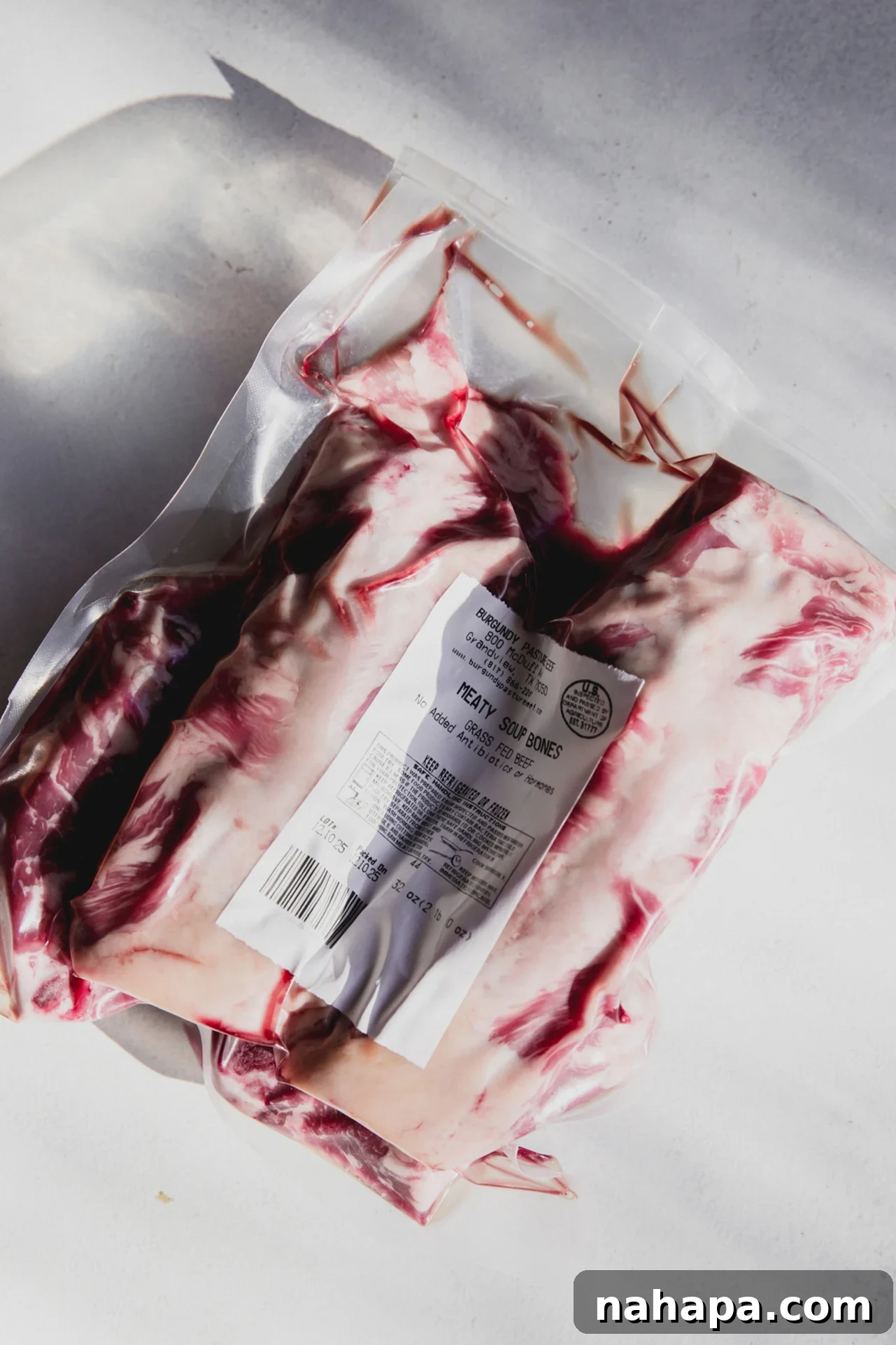
- Meaty Soup Bones: This is the foundation of your broth. Look for a variety of beef bones from a trusted butcher or farmer. Ideal choices include marrow bones, knuckle bones, oxtail, or short ribs. The goal is to get bones with some meat, marrow, and connective tissue still attached, as these contribute significantly to both flavor and gelatin content. Roasting these bones before simmering will deepen the flavor profile considerably.
- Mixed Vegetables and Herbs: While simple, these aromatics are crucial for enhancing the broth’s taste. You can use classic mirepoix components like carrots, celery, and onions. A fantastic eco-friendly tip is to collect vegetable scraps throughout the week – carrot tops, onion skins and ends, celery leaves, leek greens – and store them in a bag in your freezer until broth day. Fresh herbs such as rosemary, thyme, and parsley stems add bright, savory notes.
- Water: Filtered water is always preferred to ensure the purest flavor. You’ll need enough to fully cover all your ingredients in the slow cooker.
- Apple Cider Vinegar: A small amount of apple cider vinegar (ACV) might seem unusual, but it plays an important role. Its acidity helps to draw out the valuable minerals from the bones more effectively during the slow simmering process, enhancing the nutritional density of your broth. Don’t worry, the finished broth won’t taste like vinegar!
Step-by-Step Guide: How to Make Slow Cooker Beef Bone Broth
Making beef bone broth in a slow cooker is incredibly hands-off, allowing you to create a deeply flavorful and nutritious liquid with minimal effort. Follow these simple steps for a perfect batch every time.
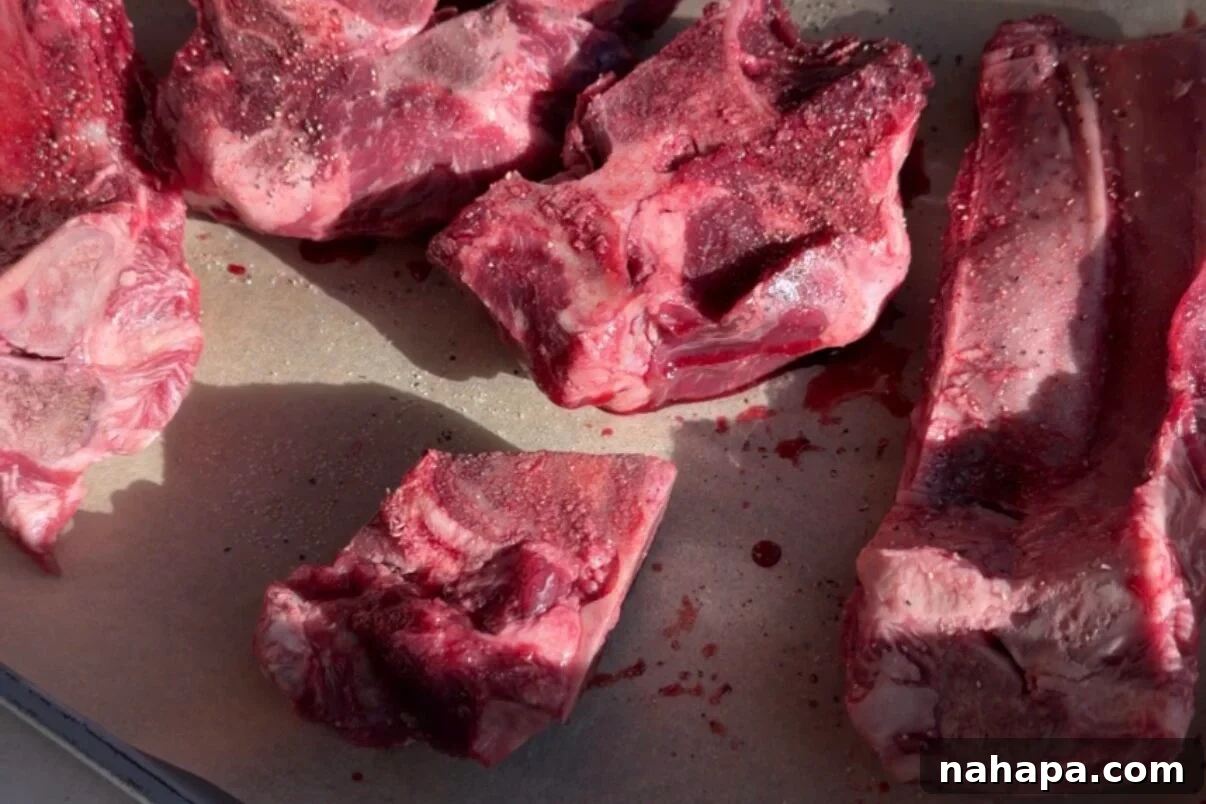
Step One: Roast the Bones. Preheat your oven to 400°F (200°C) and line a sturdy baking sheet with parchment paper for easy cleanup. Arrange your meaty soup bones evenly on the baking sheet. Lightly season them with salt and pepper. Roast the bones for 15-20 minutes, or until they are nicely browned. This crucial step caramelizes the bones and meat, adding immense depth and richness to your finished broth. Remove them from the oven.
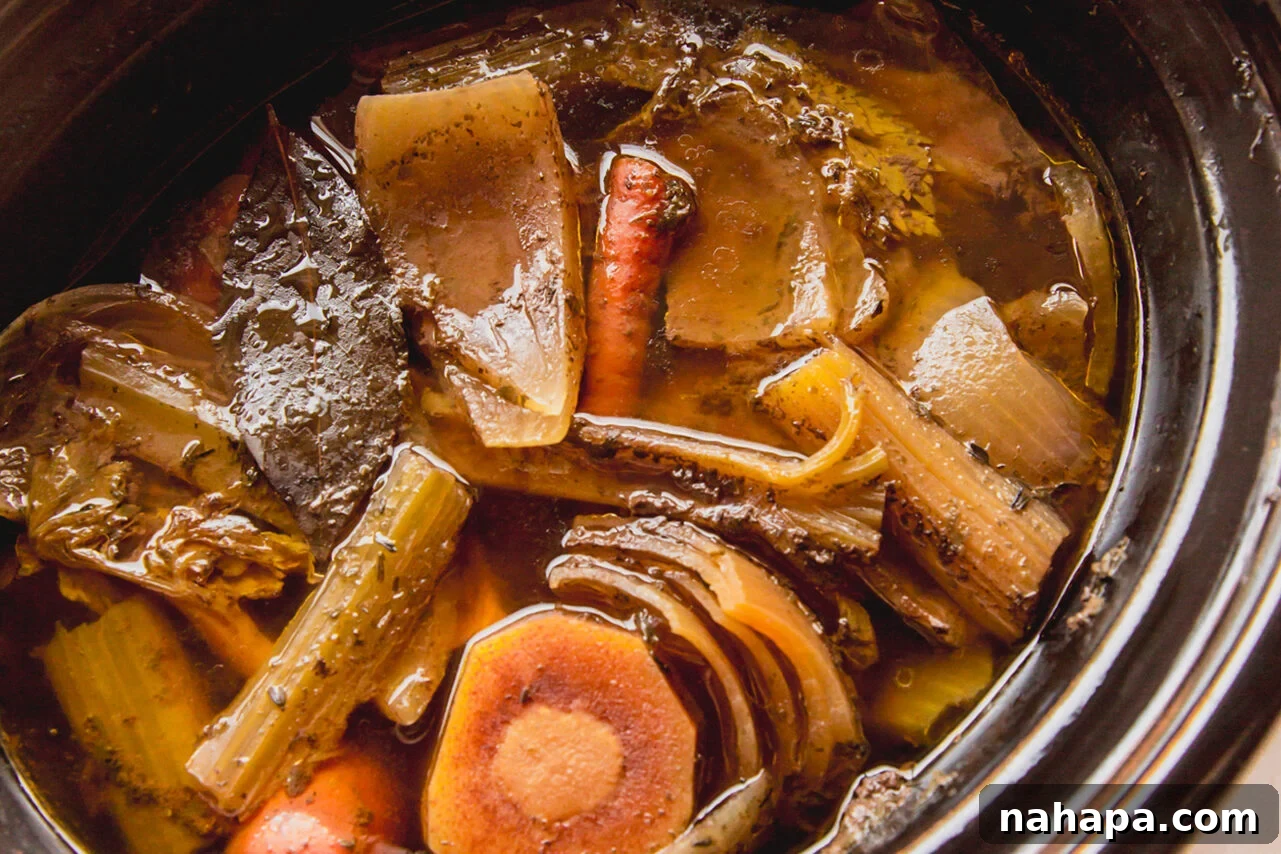
Step Two: Load the Slow Cooker. Carefully transfer the roasted bones to your slow cooker. Add your chosen vegetable scraps (onions, carrots, celery, parsnips, etc.) and fresh herbs (rosemary, parsley, thyme). Pour in the apple cider vinegar. Finally, cover all the ingredients completely with cold filtered water, ensuring everything is submerged.
Step Three: Slow Simmer. Place the lid securely on your slow cooker. Set it to the ‘low’ setting and allow it to cook for a minimum of 24 hours. The extended simmering time is key to extracting all the beneficial collagen, gelatin, and minerals from the bones. Resist the urge to lift the lid too often, as this releases heat and slows down the cooking process.
Step Four: Strain and Store. Once the cooking time is complete, carefully remove the lid. Using a fine-mesh strainer or a colander lined with cheesecloth, strain the broth into large heat-safe containers, discarding the bones and cooked vegetables. Allow the broth to cool completely at room temperature before transferring it to the fridge or freezer for storage. Once chilled, a layer of fat will solidify on top; you can skim this off or leave it for added flavor and nutrients.
Storing Your Homemade Beef Bone Broth
Proper storage is essential to maintain the freshness and quality of your homemade beef bone broth. With the right methods, you can enjoy your nutritious broth for weeks or even months to come.
- Refrigeration: Once fully cooled, transfer your bone broth to airtight glass jars or containers. It can be safely stored in the refrigerator for up to 5-7 days. Look for a gelatinous consistency when chilled; this is a sign of a high-quality, collagen-rich broth.
- Freezing for Long-Term Storage: For longer preservation, freezing is your best option. Allow the broth to cool completely before freezing. You can freeze it in individual portions using silicone molds, ice cube trays, or specialized freezer containers (like souper cubes). Once frozen solid, you can transfer the individual portions to freezer bags or vacuum-seal them to prevent freezer burn. Properly frozen bone broth can last for 3-6 months, making it incredibly convenient to have on hand whenever you need it.
Creative Ways to Use Your Nutrient-Packed Beef Bone Broth
The beauty of homemade beef bone broth lies in its incredible versatility. Once you have a batch ready, a world of culinary possibilities opens up. Here are some of our favorite ways to incorporate this nourishing liquid into your daily routine and meals:
- As a Flavorful Soup Base: Elevate any soup recipe by using beef bone broth as the liquid foundation. It’s especially wonderful in classic beef stew, French onion soup, or a hearty vegetable soup, adding a depth of flavor that water or commercial broth simply cannot match.
- Enhance Pot Roasts and Braises: Use bone broth as the liquid for slow-cooked pot roasts, braised short ribs, or any dish that calls for a rich, savory liquid. It infuses the meat with incredible flavor and tenderness.
- For Cooking Grains: Cook rice, quinoa, or other grains in bone broth instead of water. This simple swap adds significant flavor and nutritional value to your side dishes.
- Sauces and Gravies: Reduce bone broth to create rich, savory sauces or gravies to accompany meats and vegetables. Its natural gelatin content provides a wonderful mouthfeel.
- Sip It On Its Own: Perhaps the simplest and most direct way to enjoy the benefits of bone broth is to drink it warm, like a tea. A mug of warm bone broth, seasoned with a pinch of salt and pepper, is incredibly comforting and a fantastic way to start your day or unwind in the evening, especially during colder months or when feeling under the weather.
- Stir-Fries and Sautés: Deglaze pans or add a splash to stir-fries and sautés for an extra boost of flavor and nutrients.

Slow Cooker Beef Bone Broth Recipe
6
servings
Michelle
Ingredients
-
2.5-3 lbs
meaty soup bones, short ribs, knuckle bones, marrow bones, etc. - Salt and pepper, to taste
-
3 cups
vegetable scraps, such as onion, carrots, celery, parsnips -
2 tbsp
fresh herbs, rosemary, parsley, thyme - Water, filtered
-
1 tbsp
apple cider vinegar
Equipment
-
Slow Cooker
-
Large Baking Sheet
-
Fine Mesh Strainer or Cheesecloth
Instructions
-
Roast Bones: Preheat your oven to 400°F (200°C) and line a baking sheet with parchment paper. Season the meaty soup bones generously with salt and pepper, then transfer them to the oven. Bake for 15-20 minutes, or until they are deeply browned, which will add significant depth of flavor to your broth. Remove from the oven.
-
Assemble in Slow Cooker: Carefully transfer the roasted bones to your slow cooker. Add the vegetable scraps (such as onion, carrots, celery, parsnips), fresh herbs (rosemary, parsley, thyme), and the apple cider vinegar. Cover all the ingredients entirely with cold filtered water.
-
Slow Simmer: Place the lid firmly on the slow cooker. Cook on the ‘low’ setting for 24 hours. This extended cooking time is crucial for extracting the maximum amount of collagen, gelatin, and minerals from the bones.
-
Strain and Store: After 24 hours, turn off the slow cooker. Using a fine-mesh strainer or a colander lined with cheesecloth, carefully strain the finished broth into large, clean heat-safe containers. Discard the cooked bones and vegetables. Allow the broth to cool completely at room temperature before storing it in the fridge or freezer. It’s now ready to be used in your favorite soups, stews, pot roasts, or simply enjoyed as a nourishing drink!
Notes
- Freezing: For long-term storage, freeze your cooled bone broth in souper cubes or other freezer-safe containers for up to 3-6 months. Ensure containers are airtight to prevent freezer burn.
- Refrigeration: Store the cooled broth in airtight glass jars in the fridge for up to 5-7 days.
- Skimming Fat: Once chilled, a layer of solidified fat will form on top. You can easily skim this off if preferred, or leave it for added flavor and fat-soluble nutrients.
Tips for the Best Slow Cooker Beef Bone Broth
Achieving a consistently excellent batch of slow cooker beef bone broth is simple with a few key considerations. These tips will help you maximize flavor, nutrient extraction, and overall quality:
- Variety of Bones: Don’t stick to just one type of bone. A mix of marrow bones (for flavor and minerals), knuckle bones (for gelatin and collagen), and even some meaty bones like oxtail or short ribs (for extra savoriness) will yield a more complex and nutrient-rich broth.
- Always Roast Your Bones: As mentioned in the recipe, roasting the bones until they are deeply browned is a game-changer. This caramelization process builds a foundational layer of flavor that raw bones simply cannot achieve.
- Cold Water Start: Always add cold water to your slow cooker. Starting with cold water allows for a slower temperature rise, which helps to gradually draw out impurities and nutrients from the bones, resulting in a clearer and more flavorful broth.
- Don’t Overfill: Ensure your slow cooker is filled adequately to cover all ingredients but avoid overfilling to the very top, as you need room for simmering and expansion.
- Skim Impurities (Optional but Recommended): In the first few hours of simmering, you might notice foam or scum rising to the surface. While not harmful, skimming this off with a spoon can help create a cleaner-tasting and clearer broth.
- Cooling Quickly and Safely: After straining, it’s crucial to cool the broth quickly to prevent bacterial growth. Divide it into smaller containers to speed up cooling before refrigerating or freezing.
- Adjust Seasoning Later: It’s best to add minimal salt at the beginning, as the broth will reduce and concentrate. Adjust the final seasoning (salt, pepper, herbs) to your preference when you are ready to use the broth.
Did you make this nourishing recipe?
Share your culinary creations! Tag @unboundwellness on Instagram and use the hashtag #unboundwellness!