Healing is a journey, often misunderstood as a finite process with a clear beginning and end. We tend to think of it in the context of childhood scraped knees, where a quick bandage and a reassuring word from the school nurse meant the wound would soon be gone, allowing us to return to play. On the surface, healing seems straightforward. However, this simplistic view rarely applies to the intricate challenges of internal wellness, especially when it comes to our gut health. The wounds within can be far more profound, persistently irritated, and significantly more complex than we initially perceive.
Restoring gut health is a deeply personal and multifaceted endeavor. The underlying causes of digestive imbalance vary widely from individual to individual, as does the timeline for seeing progress and the most effective course of action. What works for one person may not be the optimal path for another, making the journey unique and often requiring personalized strategies.
Yet, one undeniable truth remains constant for everyone embarking on a gut healing journey: consistent maintenance is absolutely essential for lasting wellness.
Even after making significant strides in initial gut healing, life inevitably throws curveballs that can disrupt our delicate internal ecosystem. Imagine inadvertently encountering cross-contamination at a restaurant or a social gathering, leaving you with uncomfortable symptoms and confusion. Or perhaps a necessary course of antibiotics wipes out beneficial gut bacteria along with the harmful ones, or a period of intense stress throws your entire digestive system into disarray. These common occurrences highlight a crucial reality: our gut health, much like our external environment, will never achieve a state of static perfection. It requires ongoing attention and support.
While I celebrate the ability to reintroduce beloved foods like egg yolks, chocolate, rice, almonds, and coffee – items that once wreaked havoc on my digestion – I recognize the continuous need to actively support my gut health on a weekly basis. This proactive approach is a cornerstone of my nutritional therapy practice, and I strongly encourage all my clients to adopt a similar mindset. It’s about building resilience and creating a sustainable foundation for long-term digestive well-being.
So, what are five foundational practices we can all integrate into our weekly routine to effectively maintain and bolster our gut health?
1. Embrace the Power of Bone Broth
Often lauded by wellness advocates and traditional food enthusiasts alike, bone broth has earned its reputation as a gut-healing elixir. But beyond its popularity, what makes bone broth such an invaluable addition to your weekly regimen?
- Rich in Collagen and Gelatin: Bone broth is an exceptional source of collagen, which transforms into gelatin when cooked. These vital proteins are packed with amino acids like glycine, proline, and glutamine. Glycine and proline are crucial for the integrity of connective tissues throughout the body, including the delicate lining of the intestinal tract. Glutamine, in particular, is an essential fuel source for enterocytes (the cells lining the gut), helping to repair damaged intestinal walls and reduce inflammation associated with conditions like leaky gut syndrome.
- Nutrient-Dense and Easily Digestible: Beyond collagen, bone broth delivers a potent blend of easily absorbed vitamins, minerals, and amino acids. It provides electrolytes like magnesium, potassium, and calcium, alongside vital trace minerals, all in a highly bioavailable form. This means your body can readily absorb and utilize these nutrients, which is particularly beneficial for individuals with compromised digestion or nutrient absorption issues. It’s a gentle yet powerful way to nourish the body without overburdening the digestive system.
- A Time-Honored Healing Food: Unlike synthetic supplements or quick-fix solutions, bone broth is a traditional food that has been used for centuries across diverse cultures for its restorative properties. It embodies a holistic approach to healing, supporting the body’s innate ability to repair and thrive rather than just masking symptoms. Its sustained use speaks volumes about its effectiveness.
While the market now offers a plethora of pre-made bone broths, and convenience certainly has its place, I wholeheartedly recommend making your own whenever possible. Homemade broth allows you to control the quality of ingredients, ensuring grass-fed bones and organic vegetables, free from undesirable additives or excessive sodium.
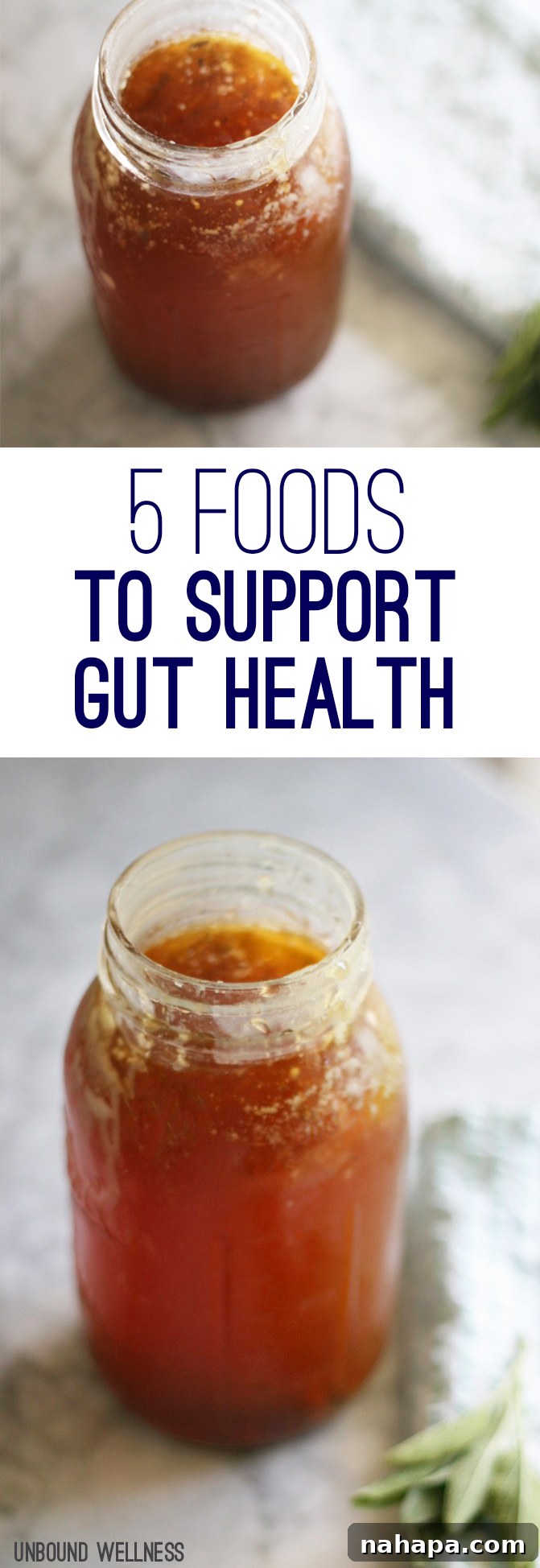
I have a tried-and-true recipe for easy, healing bone broth, which you can find here. The effort invested in making a large batch over the weekend can yield nourishing meals and drinks for the entire week.

My recommendation is to consume at least a serving of broth weekly. Ideally, I advise my clients to prepare one large pot of broth during their weekend, then incorporate it into their diet daily throughout the week. While a warm mug of broth at breakfast is my personal favorite, it may not appeal to everyone. Thankfully, bone broth is incredibly versatile. Consider using it as a base for hearty stews, flavorful pot roasts, or even as a cooking liquid for rice (if reintroduced into your diet) and other grains or dishes to infuse them with extra nutrients.
2. Incorporate Nutrient-Dense Pasture-Raised Liver
Liver often conjures strong opinions, but it stands as one of nature’s most potent superfoods, offering an unparalleled nutrient profile vital for healing and thriving. It’s a concentrated powerhouse of vitamins and minerals, far surpassing the nutritional density of conventional muscle meat. Liver is literally packed with fat-soluble vitamins D and A, an abundance of B vitamins (especially B12 and folate), iron, zinc, copper, and other essential cofactors. These nutrients are absolutely critical for supporting metabolic processes, immune function, detoxification pathways, and, crucially, the repair and maintenance of healthy gut tissues. As highlighted in this insightful post by Chris Kresser, its nutritional superiority is undeniable.
When purchasing liver, the source is paramount. Opting for grass-fed beef liver or pasture-raised chicken liver isn’t just a preference; it’s a necessity for maximizing its health benefits. Conventional animals are typically fed unnatural diets, often confined, and treated with antibiotics and hormones. This poor quality of life and diet directly translates to a less nutritious and potentially inflammatory product. Animals raised on their natural diets, grazing on pasture, develop richer nutrient profiles in their organs, free from undesirable compounds that can compromise your healing efforts.
I have a rather humorous (now) memory of literally crying the first time I attempted to eat liver – the taste and texture were so off-putting that I was ready to give up before I’d even properly started. If you share this sentiment, fear not! The key to making liver palatable and enjoyable lies in its preparation. My absolute favorite way to consume liver, and indeed the method I recommend for overcoming aversion, is to transform it into a flavorful pâté!
I highly recommend this specific recipe for a delicious beef liver pâté, and there are excellent options for chicken liver pâté as well. Pâté is wonderfully versatile; I enjoy it spread on oven-baked plantains, sliced apples, or even alongside carrot sticks for a nutrient-rich snack or appetizer. Blending it with herbs, spices, and healthy fats significantly masks the strong flavor and yields a delightfully creamy texture.
3. Prioritize Fermented Foods for Gut Microbiome Support
Our understanding of the gut microbiome is still evolving, yet its profound impact on nearly every aspect of human health is becoming increasingly clear. This vast ecosystem of trillions of microorganisms residing within our digestive tract plays an indispensable role in our overall well-being. A diverse and balanced microbiome is fundamental to gut health.
The beneficial bacteria in our gut orchestrate a myriad of crucial functions that extend far beyond digestion, including:
- Pathogen Protection: They act as a vital defense barrier, competing with and inhibiting the growth of harmful bacteria, viruses, and fungi, thereby safeguarding us from infections.
- Maintaining Gut Lining Integrity: A healthy microbiome helps strengthen the tight junctions in our intestinal lining, preventing the notorious “leaky gut” phenomenon where undigested food particles and toxins can enter the bloodstream.
- Immune System Enhancement: A significant portion of our immune system resides in the gut. Beneficial bacteria educate immune cells, modulating responses and bolstering our body’s ability to ward off illness and regulate inflammation.
- Boosting Digestive Efficiency: They assist in breaking down food components that we cannot digest ourselves, such as certain fibers, producing beneficial compounds like short-chain fatty acids (SCFAs), including butyrate, which is a primary fuel source for colon cells.
- Contributing to Holistic Health: The gut-brain axis is a powerful bidirectional communication system. A healthy gut microbiome positively influences mood, cognitive function, and even plays a role in nutrient synthesis (like certain B vitamins and vitamin K) and hormone balance, underscoring its broad impact on our physical and mental health.
Historically, before the advent of refrigeration, our ancestors ingeniously utilized fermentation as a primary method for preserving food. Anthropological research, notably by Weston A. Price, reveals that virtually every traditional society incorporated some form of fermented food into their diet, from European sauerkraut to Korean kimchi, and even intriguing, albeit less appetizing, options like fermented cow blood (which, let’s be honest, is definitely not recommended for gut healing!). This widespread historical use underscores the inherent wisdom of consuming fermented foods.
Indeed, fermented foods have been an integral part of human diets for centuries, offering an incredibly effective and natural way to cultivate and support a robust population of healthy gut bacteria. They introduce beneficial microbes, aiding in the restoration of microbial diversity and balance.
Traditional options like sauerkraut, kimchi, and various home-fermented vegetables are excellent choices to incorporate weekly. One of my personal favorites, which I ensure is always stocked in my fridge, is beet kvass – a vibrant, probiotic-rich drink that offers both digestive benefits and a delicious tang. For those with specific sensitivities, it’s always wise to introduce fermented foods gradually and observe your body’s response.
4. Embrace a Rainbow of Whole Vegetables Daily
In the quest for optimal health and gut healing, there truly is no substitute for the unadulterated goodness of fresh, whole vegetables. No pill, no supplement, no manufactured health product can replicate the complex synergy and comprehensive nutrient profile that vegetables offer. They are the bedrock of a truly nourishing diet.
During my nutritional studies in college, I frequently observed individuals relying heavily on supplements while maintaining diets rich in processed foods, believing they were adequately addressing their health needs. This common misconception often arises from the idea that all essential nutrients can be obtained through supplementation. However, when it comes to fruits and vegetables, we miss out on the crucial “whole food matrix” – the intricate web of vitamins, minerals, fiber, and, most importantly, the diverse array of phytonutrients that are present only in their natural, unprocessed forms. These phytonutrients, such as antioxidants and anti-inflammatory compounds, work synergistically to protect cells, reduce systemic inflammation, and support countless bodily functions in ways that isolated nutrients cannot.
Fresh vegetables are, unequivocally, a traditional and indispensable component of any healing diet. They provide essential vitamins, minerals, and a vast spectrum of phytonutrients necessary to support vibrant health, sustained vitality, and robust digestive function. The fiber content in vegetables, both soluble and insoluble, acts as a prebiotic, feeding the beneficial bacteria in our gut and contributing to a healthy microbiome and regular bowel movements.
While many of my clients (and indeed, myself) may experience sensitivities to certain vegetables, such as nightshades, high-FODMAP foods, or specific cruciferous types, the key is personalization. It is crucial to identify and prioritize the vegetables that you tolerate well and incorporate them into your diet daily. Experiment with different cooking methods – steaming, roasting, or sautéing – to enhance digestibility. The goal is to consume a wide variety of colors and types of vegetables to ensure a broad spectrum of nutrients and phytonutrients, supporting comprehensive gut and overall health.
5. Discover the Healing Benefits of Ghee
Among the traditional healing foods, ghee might be considered somewhat controversial for some, and I acknowledge that it may not be suitable for everyone. However, its deeply rooted history and therapeutic applications, particularly within Ayurvedic medicine, make it a powerful ally in the gut healing journey.
Ghee is essentially clarified butter. It’s produced by simmering butter to separate the milk solids (which contain lactose and casein) from the pure butterfat. This meticulous process results in a product that is virtually free of the allergens that commonly cause issues for individuals with dairy sensitivities. For many who cannot tolerate conventional butter, ghee offers a delicious and nutrient-rich alternative that supports digestion rather than hindering it.
Similar to liver, ghee is an excellent source of fat-soluble vitamins: A, D, E, and K2. Crucially, these vitamins are present in a highly bioavailable form, meaning your body can readily absorb and utilize them. For individuals with gut issues, malabsorption is a common problem, making it difficult to obtain sufficient amounts of these vital nutrients from diet alone, especially vitamin A. Ghee provides an easy and effective way to absorb these essential vitamins, regardless of the severity of existing gut issues, thereby supporting vision, immune function, bone health, and overall cellular repair.
Beyond its vitamin content, ghee has been celebrated in Ayurvedic texts for its ability to kindle “agni” (digestive fire), improve nutrient assimilation, and support healthy gut flora. It contains butyrate, a short-chain fatty acid that serves as a primary energy source for the cells lining the colon, promoting intestinal health and integrity. Butyrate also possesses potent anti-inflammatory properties, which can be immensely beneficial for soothing an irritated gut and balancing an overactive immune system, further facilitating the healing process.
So, how does one incorporate ghee into their diet? The better question might be, how do you not use ghee? Its rich, nutty flavor and high smoke point make it incredibly versatile for cooking. I use it generously on roasted sweet potatoes, pan-fried plantains, and virtually everything else in between! It’s fantastic for sautéing vegetables, as a healthy fat in baking, or simply melted over your favorite warm dishes to add depth of flavor and a boost of therapeutic nutrients.